 0
0
 0
0
By Christophe Uwizeyimana
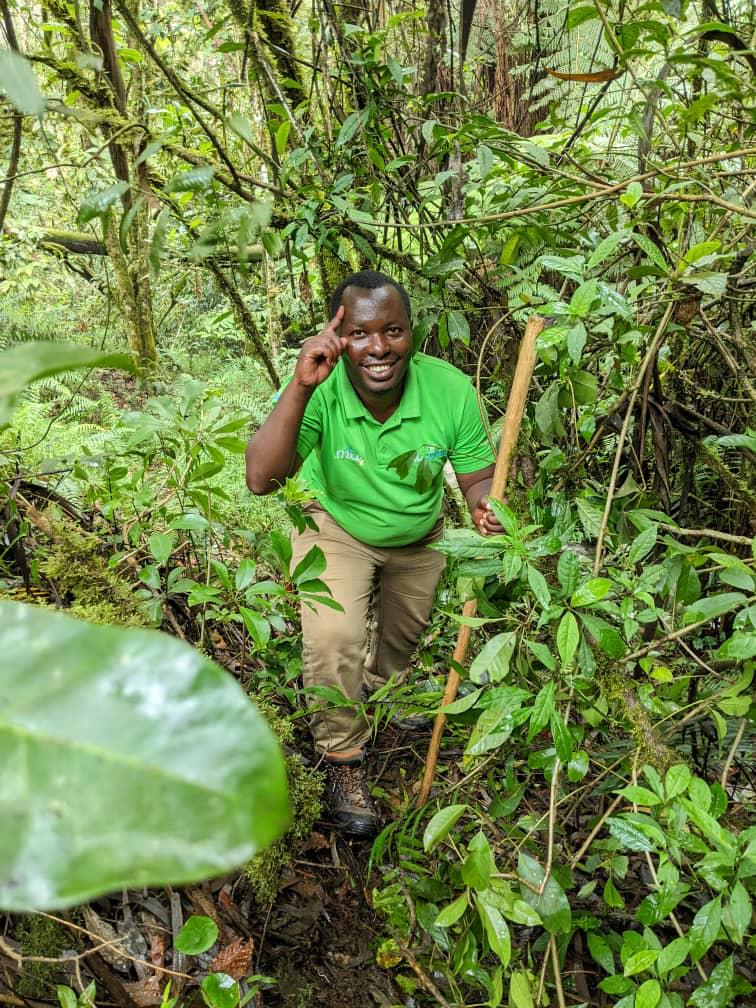
In Rwanda’s Southern Province, near the beautiful Nyungwe National Park, one man has made it his life’s mission to protect nature and help local communities thrive. His name is Dr. Ange Imanishimwe, and his journey shows how one person can make a big difference.
Born and raised in Tare Sector, Nyamagabe District in Southern Province of Rwanda. Dr. Imanishimwe grew up close to Nyungwe Forest, one of Africa’s most important natural treasures. In 2012, he began a journey to protect the environment by planting indigenous trees which naturally grow in Rwanda. Today, he has planted trees on more than 78 hectares of land.
“We realized that true development can’t happen if we destroy our environment,” he says. “That’s what pushed me to take action.”
From Local Roots to Global Recognition
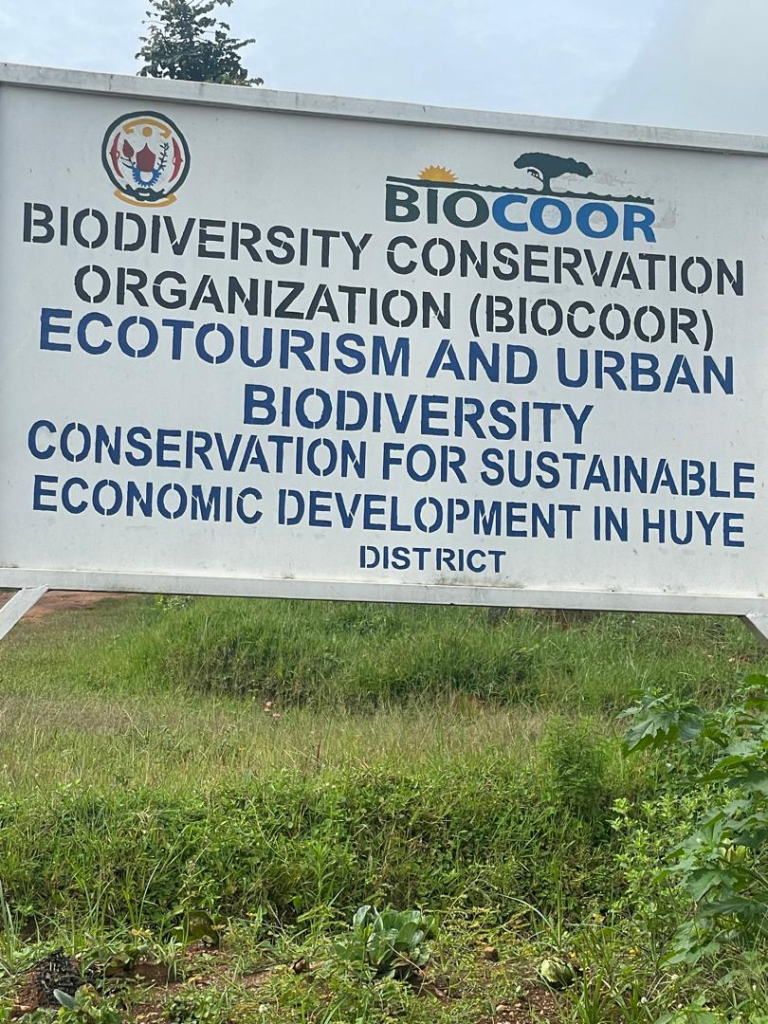
Dr. Imanishimwe started a small social enterprise in 2012 called BIOCOOP to help protect biodiversity and improve local livelihoods. In 2020, it became a non-governmental organization called BIOCOOR.
That same year, he won an award from the Ministry of Youth, receiving 3.5 million Rwandan Francs through the Youth Connekt program. Instead of spending that amount of money on himself, he used the money to expand his environmental work.
He also worked as a tour guide in Nyungwe National Park under the Rwanda Development Board (RDB), using his salary to support tree planting and conservation projects.
In 2015, Dr. Imanishimwe was chosen for the Mandela Washington Fellowship, a program started by Barack Obama. He studied leadership at the University of California, Berkeley, and even met President Obama, who praised his work.
Over the years, he’s trained with top conservation organizations, including The Nature Conservancy in the U.S., and gained knowledge from countries like Germany, Sweden, Ethiopia, and Kenya.
Healing the Land with Indigenous Trees
Through his research, Dr. Imanishimwe discovered that many people were entering Nyungwe Forest to collect medicinal plants they couldn’t find elsewhere. This was causing damage to the forest. To help solve this, he began growing traditional herbs and trees on his land, starting with just 4 hectares. That project has now spread to several districts including Nyamagabe, Nyamasheke, Nyaruguru, and Huye.
“We look for places where the land has been damaged like riverbanks or hillsides and plant trees and grasses to bring life back to the area,” he explains. “This helps protect the soil, bring back wildlife, and even fight climate change.”
Creating Jobs and Opportunities
Dr. Imanishimwe’s work goes beyond trees. He’s built three centers that help people learn how to care for nature and earn a living at the same time:
- Nyungwe Conservation Leadership Center – trains people on protecting biodiversity.
- Nyungwe BioInnovation Centre – supports local solutions for conservation.
- Nyungwe EcoVillage – a peaceful place for tourists to stay and learn about nature.
His organization, BIOCOOR, now employs 35 full-time staff and works with more than 3,200 part-time workers. Since starting, he’s paid out over 4 billion Rwandan Francs in salaries, helping many families improve their lives.
Changing Lives for the Better
Emmanuel Mugendashyamba, 42, used to be a poacher. He would enter Nyungwe to hunt animals and gather honey, sometimes staying in the forest for a week. But after joining BIOCOOR, his life changed.
“BIOCOOR helped me stop poaching,” Emmanuel says. “Poaching didn’t help us.It was just hurting our future.”
A Role Model for Rwanda and Beyond
Dr. Imanishimwe’s hard work hasn’t gone unnoticed. He was recently selected as one of 18 people worldwide for the Kinship Conservation Fellows Program, which honors outstanding environmental leaders. He will receive the award in Washington State, USA, in July 2025.
His journey shows how caring for nature can also support people and how one person’s passion can create lasting change.
“When we protect nature,” he says, “we also protect ourselves and future generations.”
Photos:
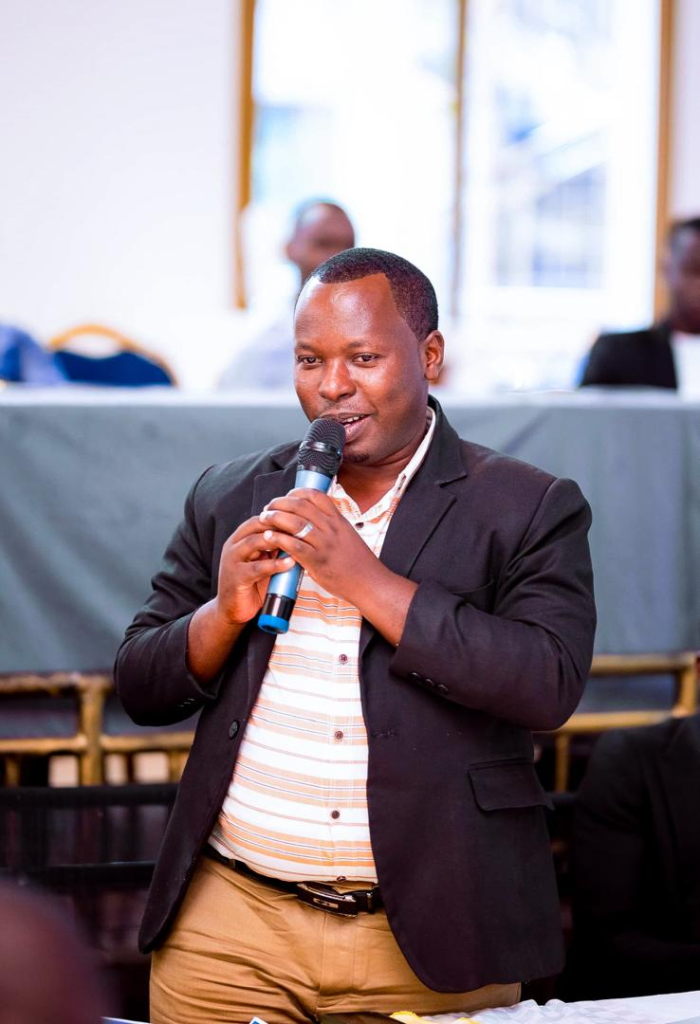
Photo: Dr.Ange IMANISHIMWE inspires Rwandan Youth
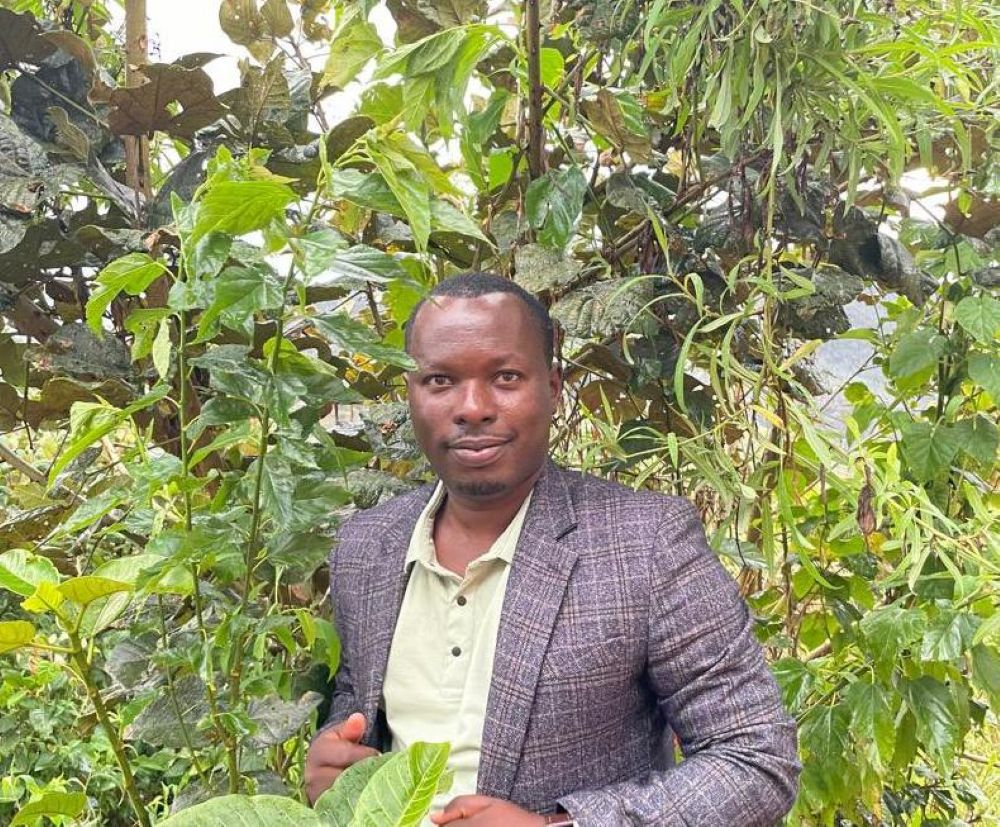
Photo:Dr. Imanishimwe Ange is proud that the indigenous trees and herbs he planted, once misunderstood by many, are now beginning to bear fruit
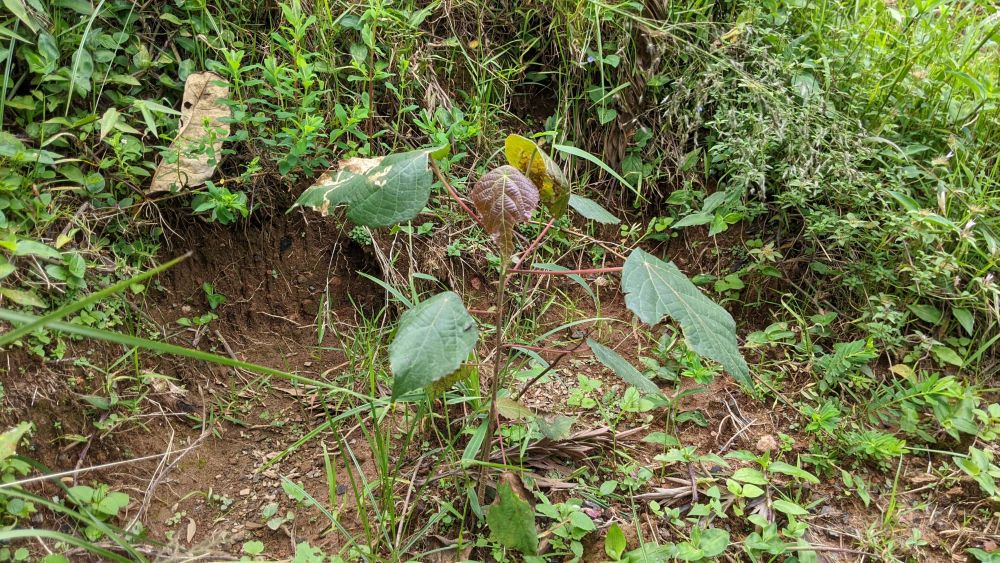
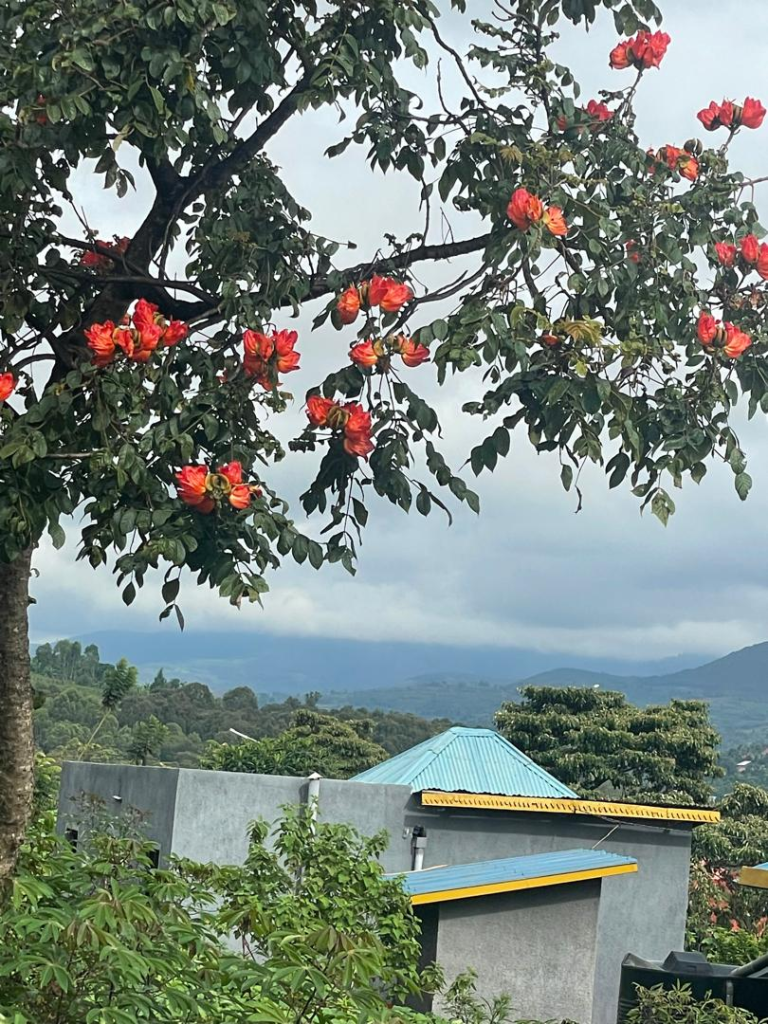
Photo: A tree called Umusekera, which is also one of the indigenous species, has been planted
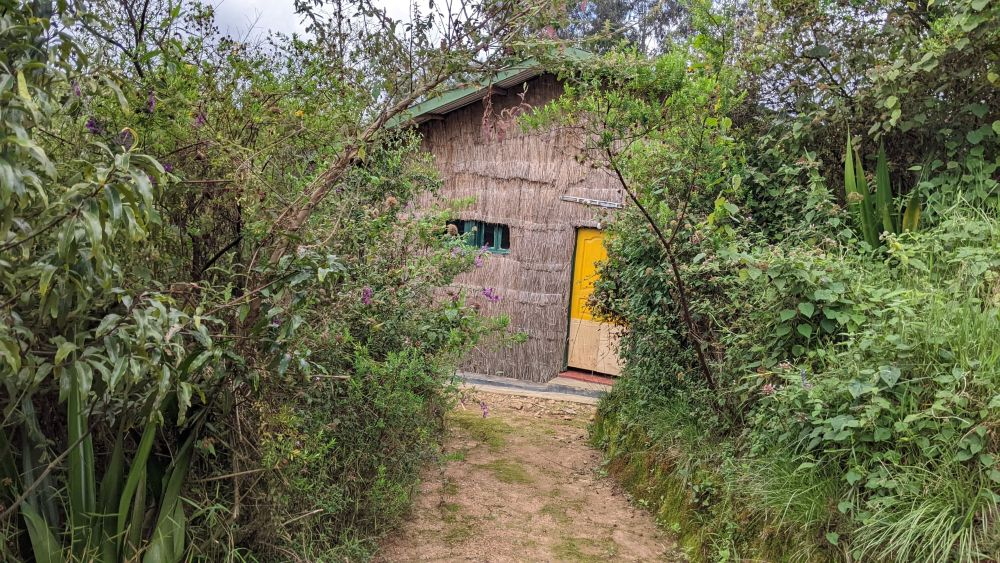
Photo: At Nyungwe Bio Innovation Centre, they like to call it a Botanical Garden because when you visit, you feel the same peace and calm as you do in a national park
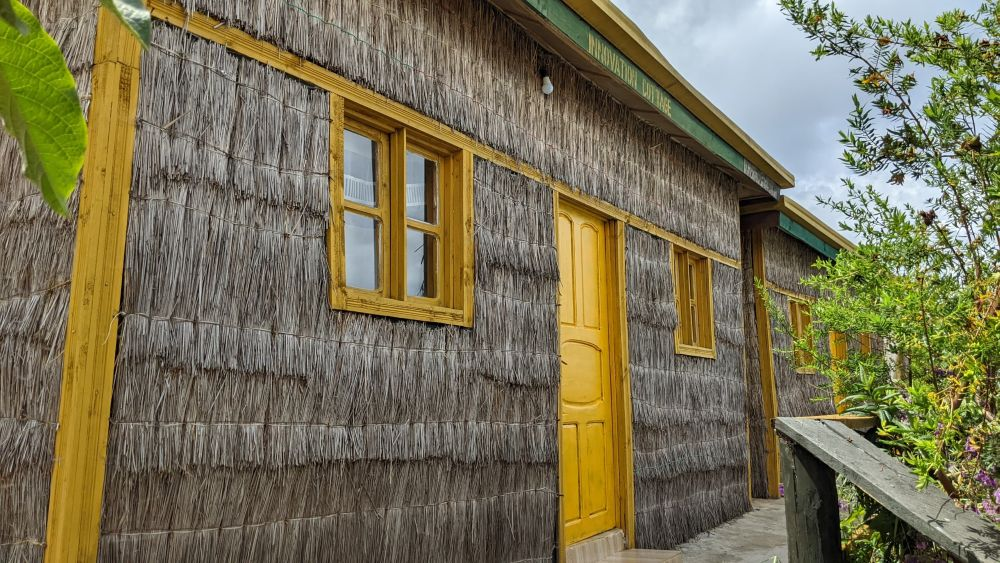
Photo: Visitors to this area are impressed by the way the buildings are designed to honor and showcase the plants
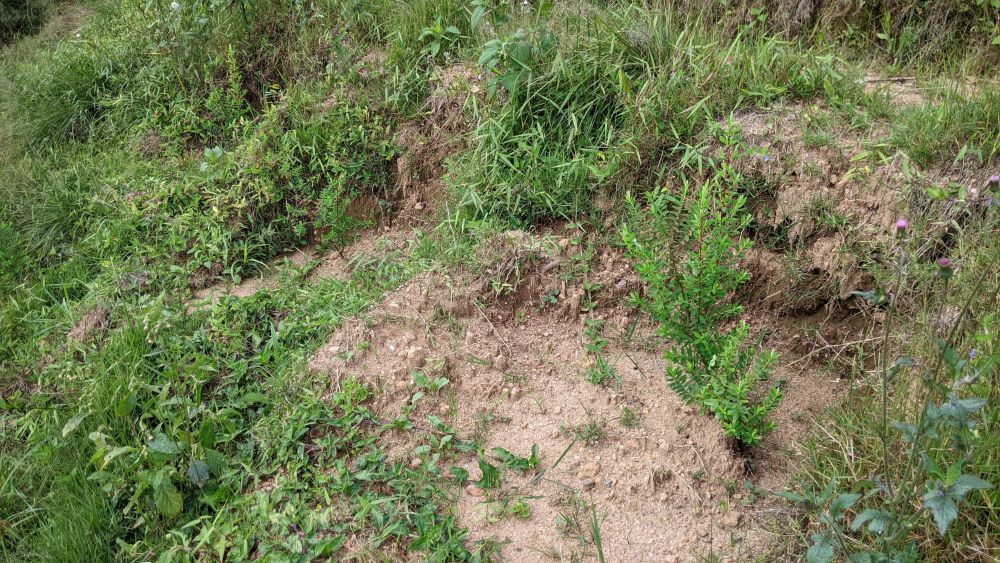
Photo:Here, trees called Imisamanzuki are being planted
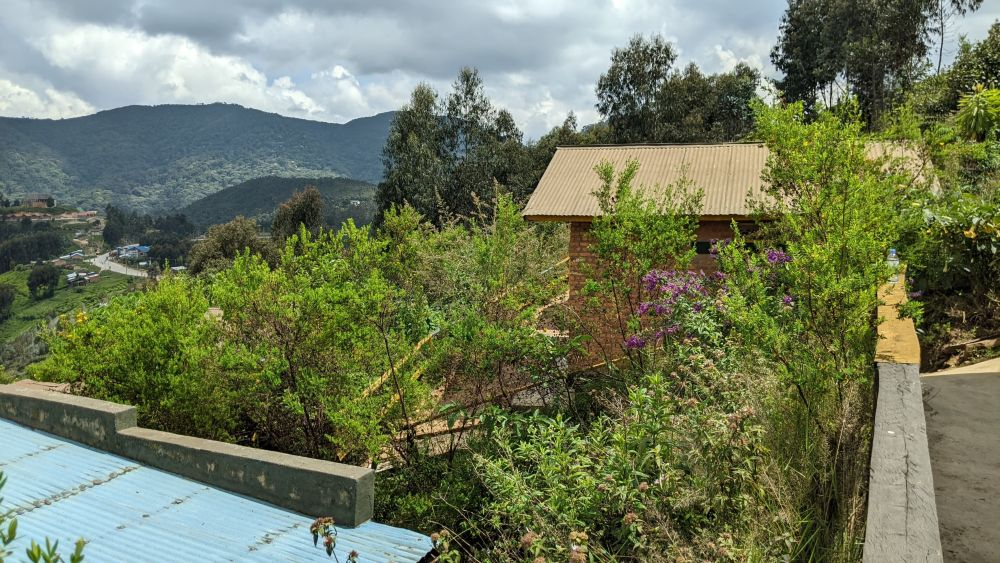
Photo :Dr. Imanishimwe founded Nyungwe EcoVillage, which welcomes and hosts tourists
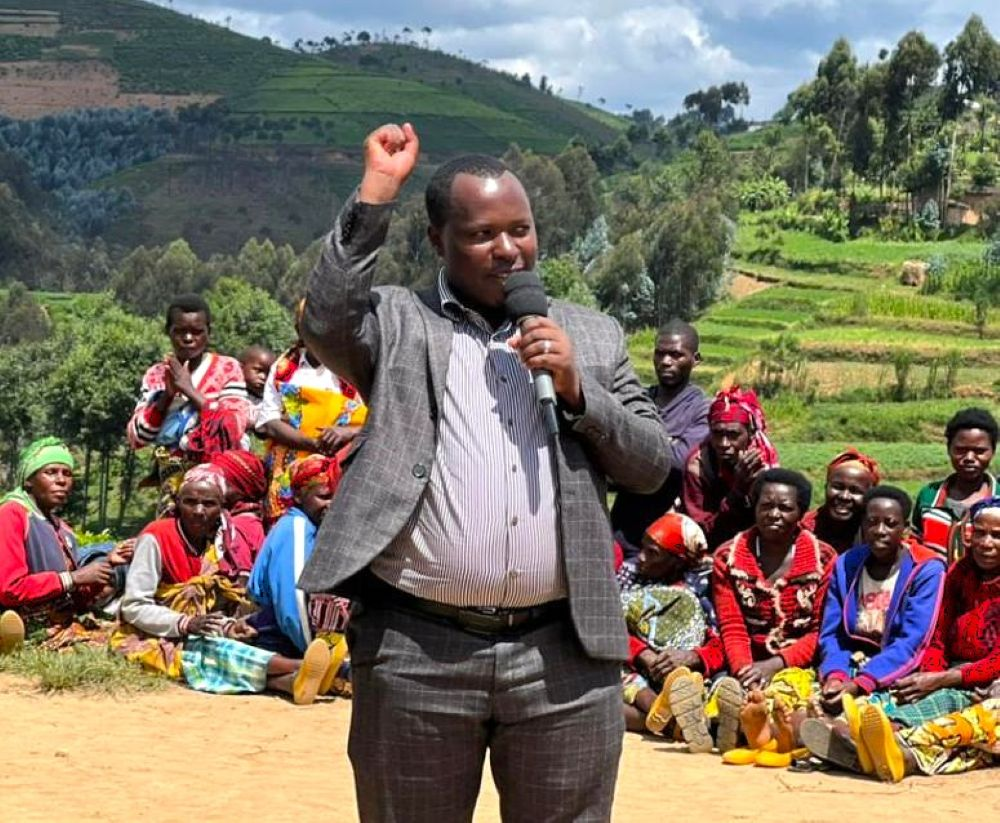
Photo: Dr. Imanishimwe Ange says that his work goes hand in hand with raising awareness among communities to help them develop a love for the environment
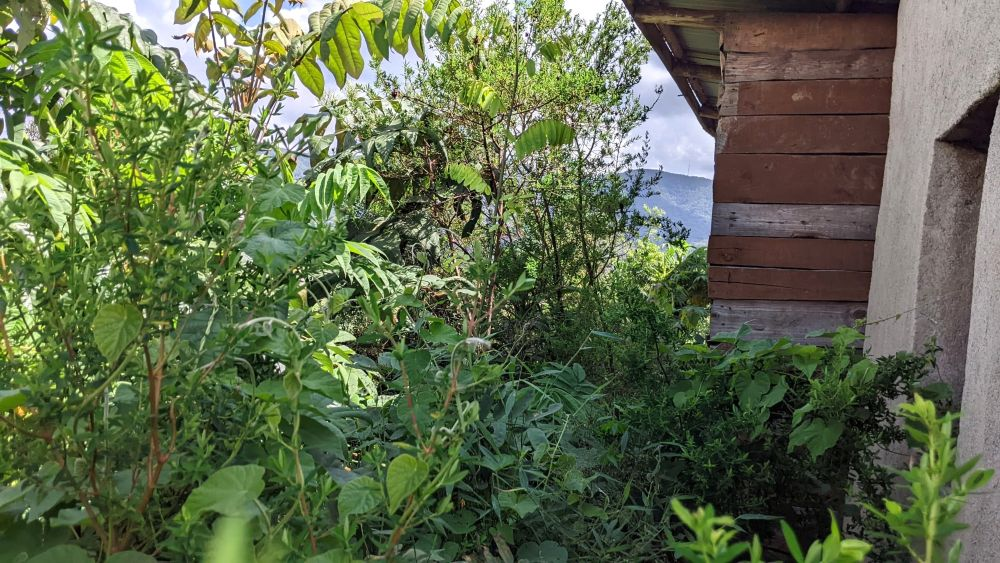
Photo:All of Dr. Imanishimwe’s activities are surrounded by a rich diversity of indigenous trees and plants
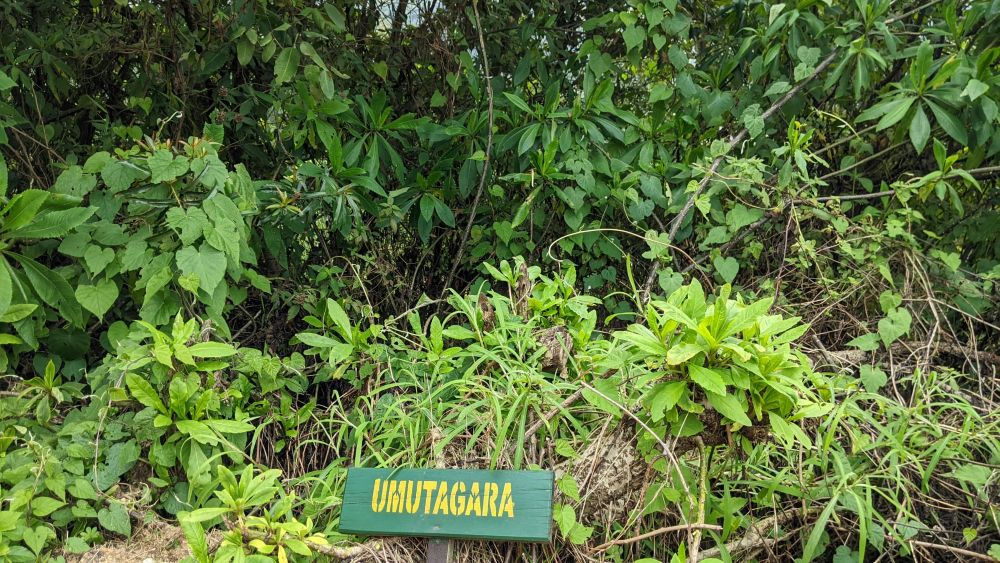
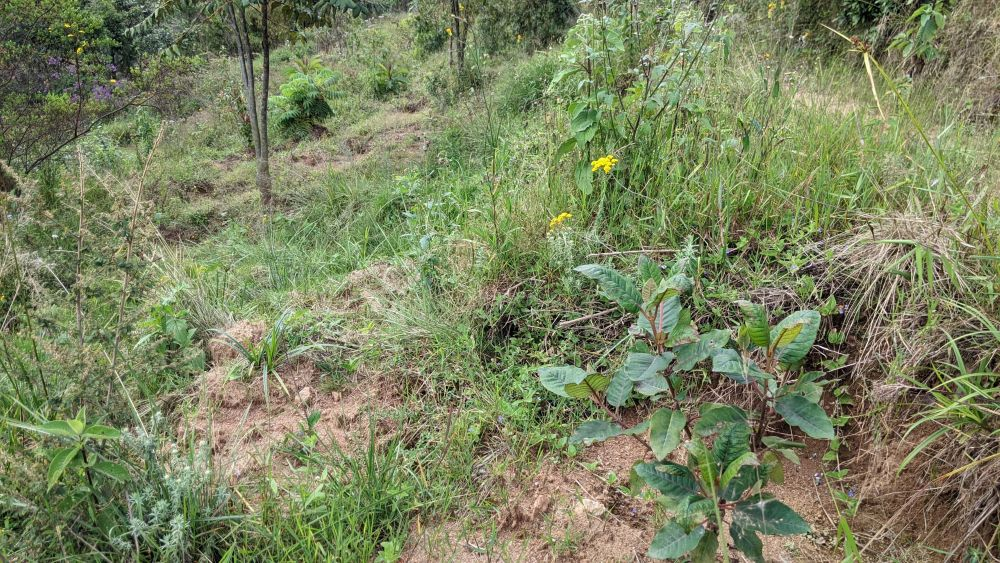
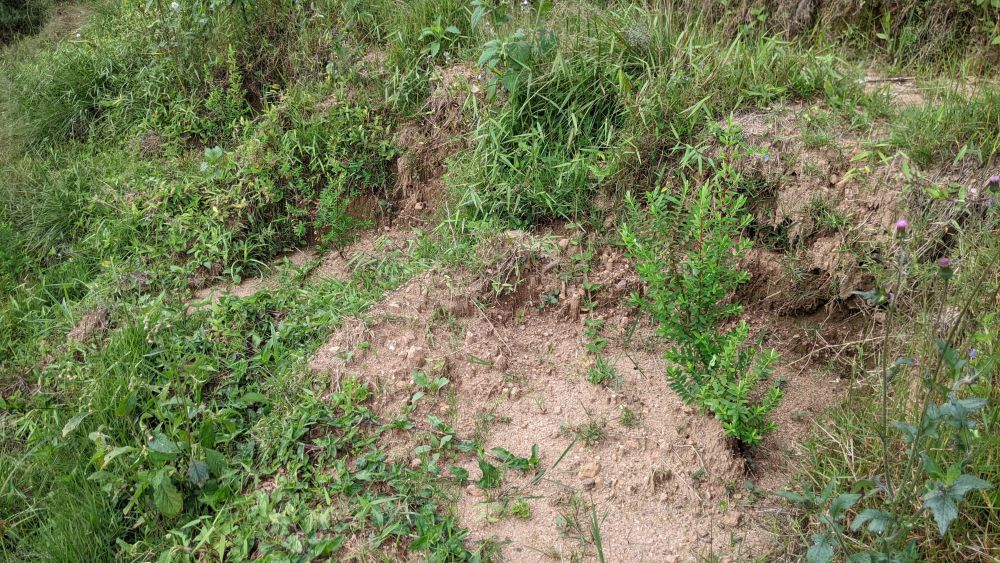
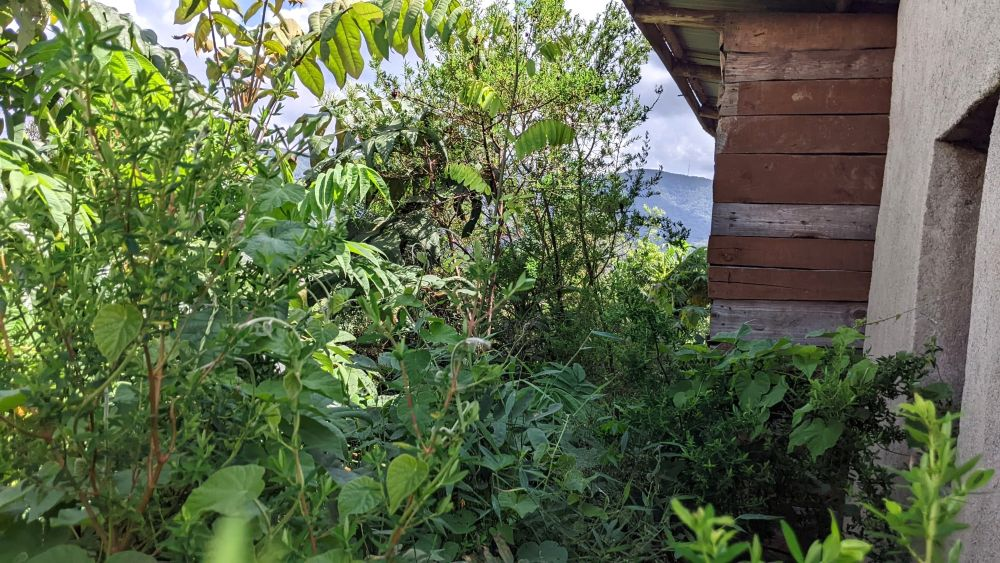
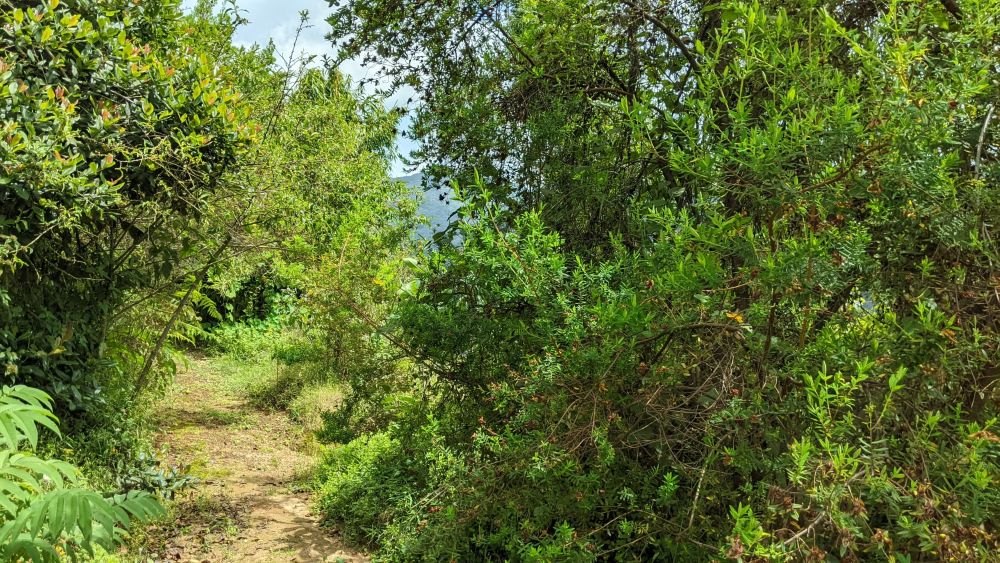
Photo:Dr. Imanishimwe has been planting this indigenous forest since 2019
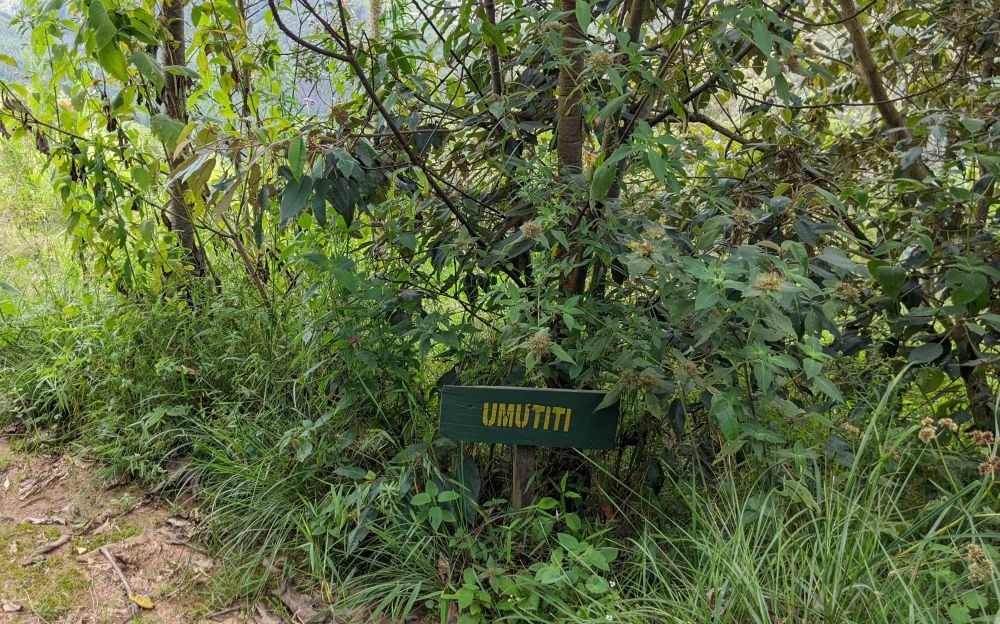
Photo:This tree is one of the indigenous species that are rare to find in the world
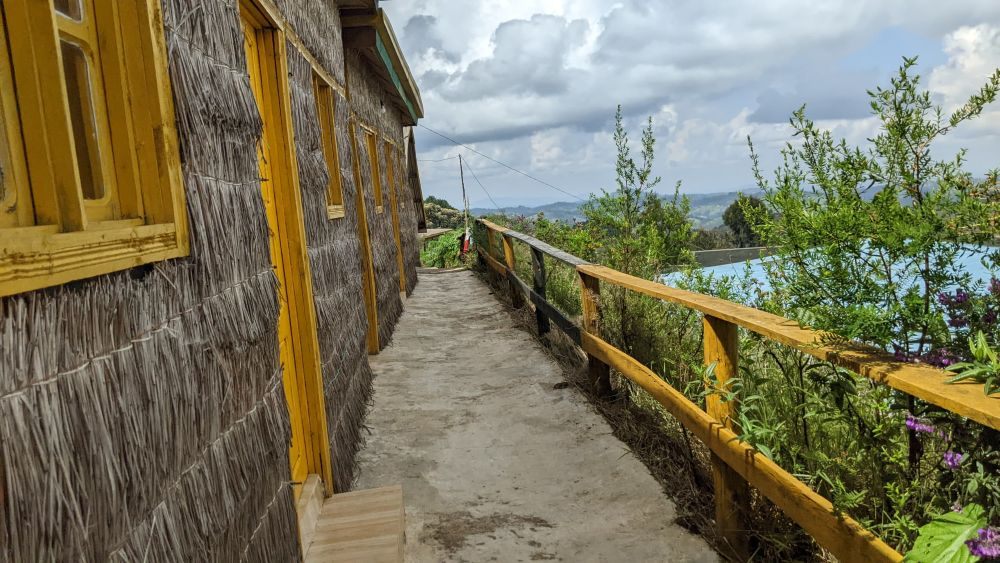
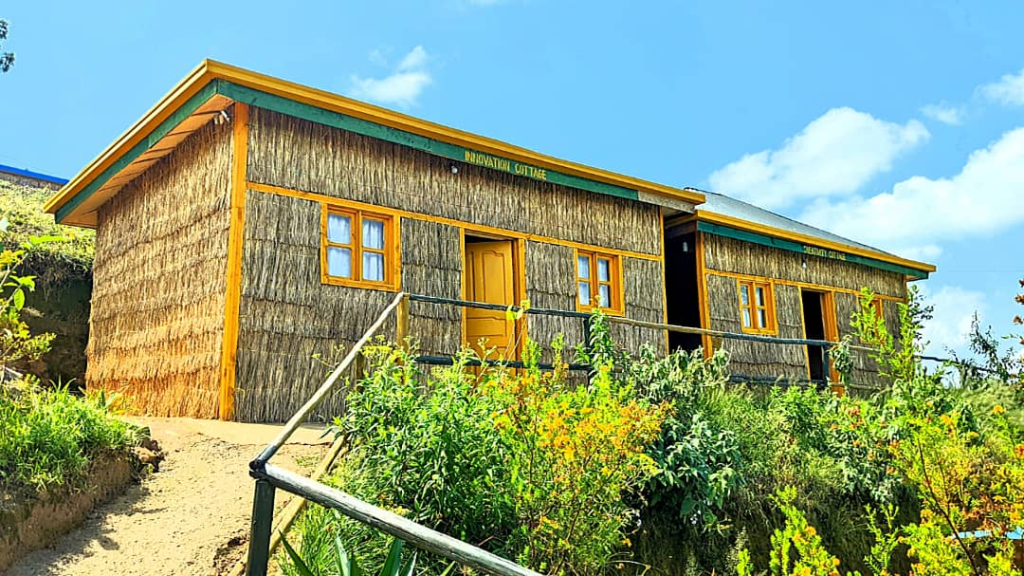
Photo:To honor the medicinal plants, a building was constructed using leftover wheat husks bought from the community, where each room rents for $100
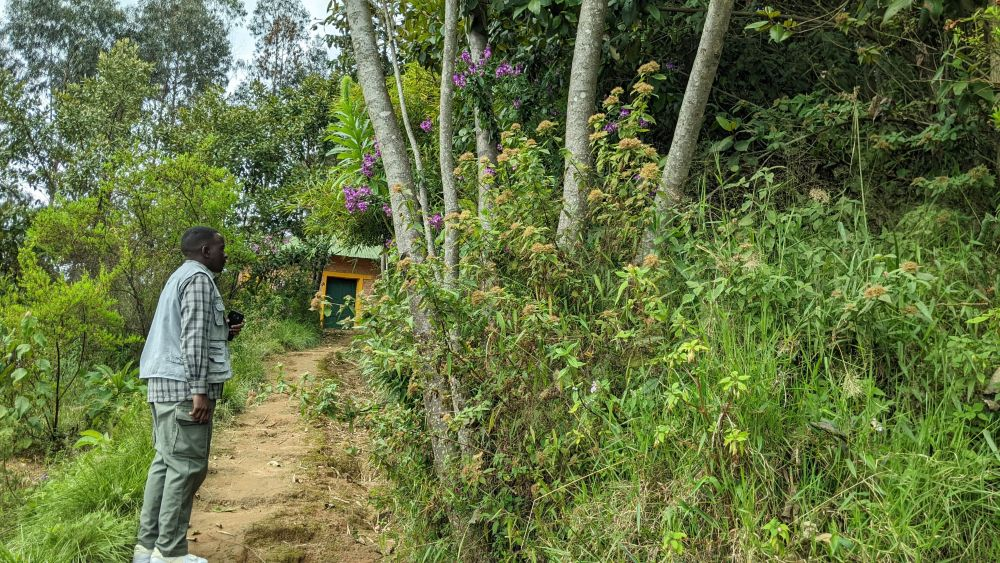
Photo:In the park-like area that Dr. Imanishimwe created, he also built lodges that are popular with tourists
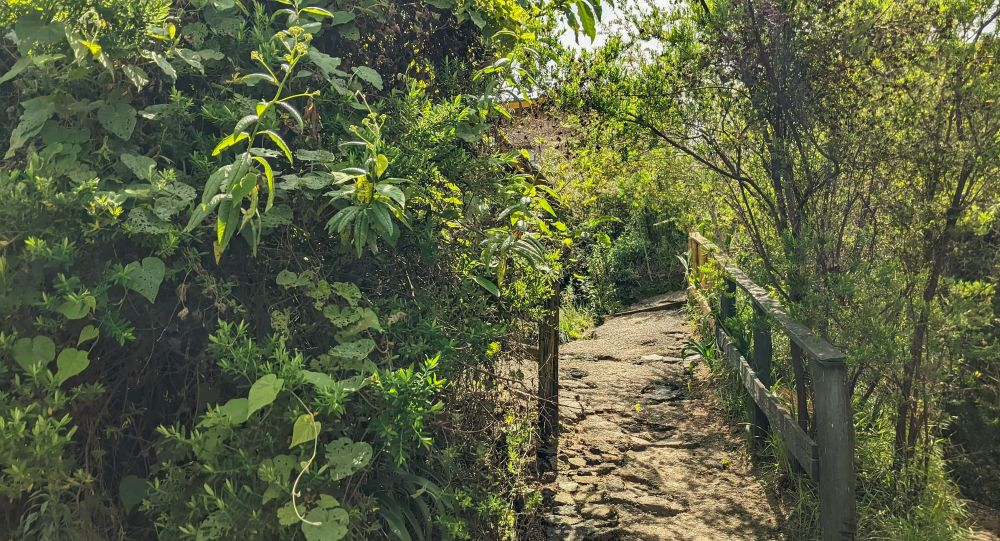
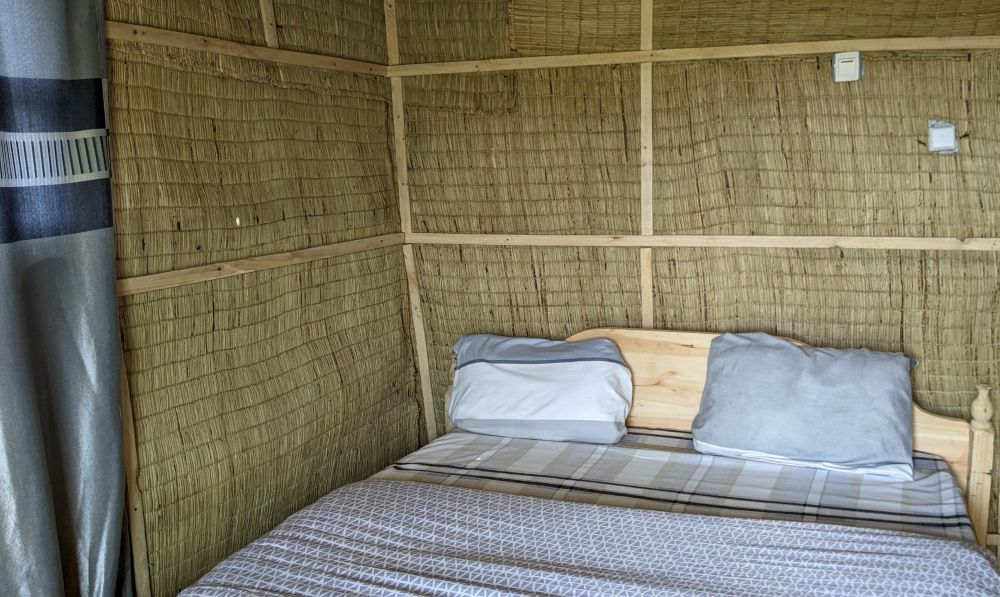
Photo;At Nyungwe Eco-Village, great care is taken with the plants, and even the lodgings feature visible greenery
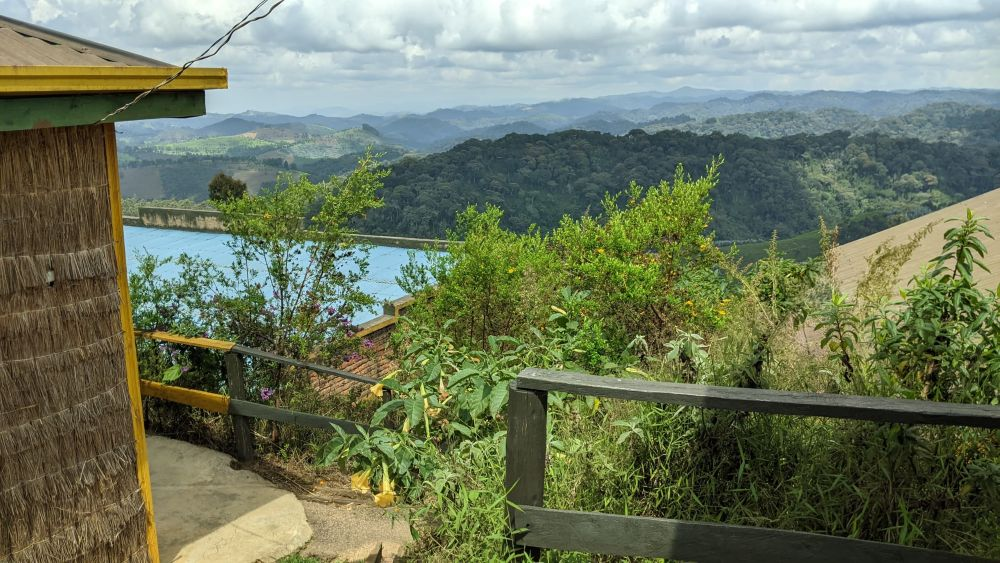
Photo: Although it looks like a park, when you are there, you feel like you are at Nyungwe National Park itself
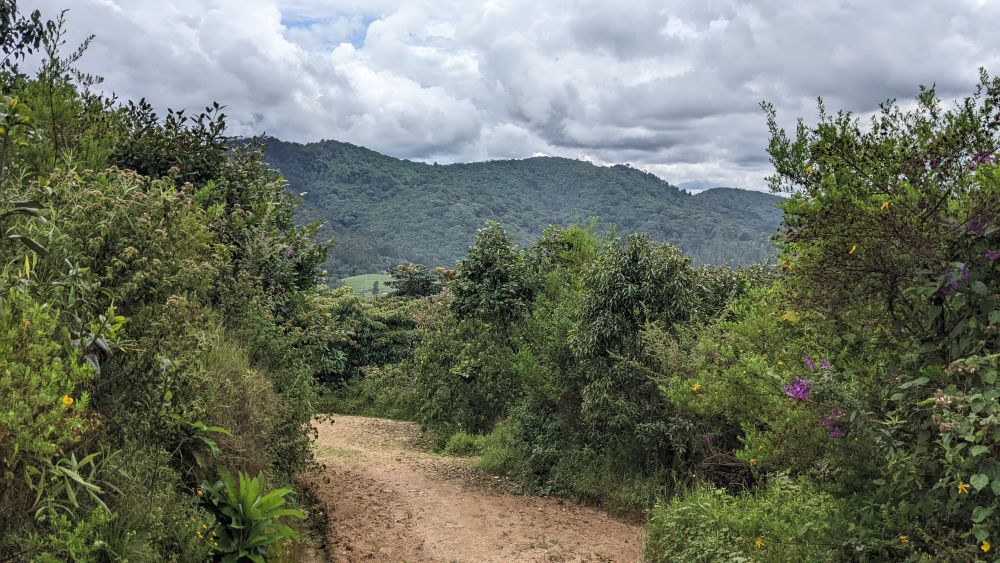
Photo: After only seven years of planting these trees and herbs, the area has now become like a park
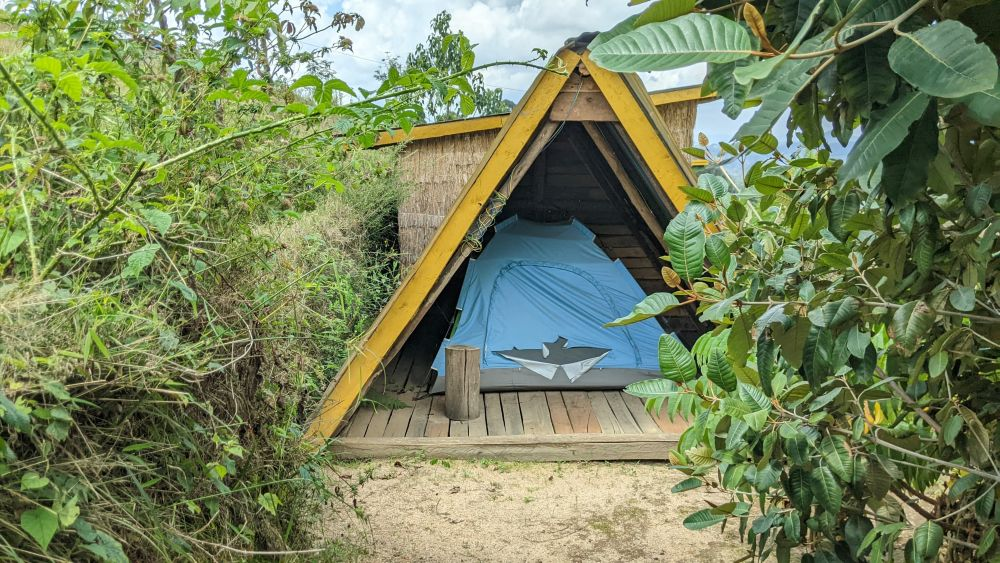
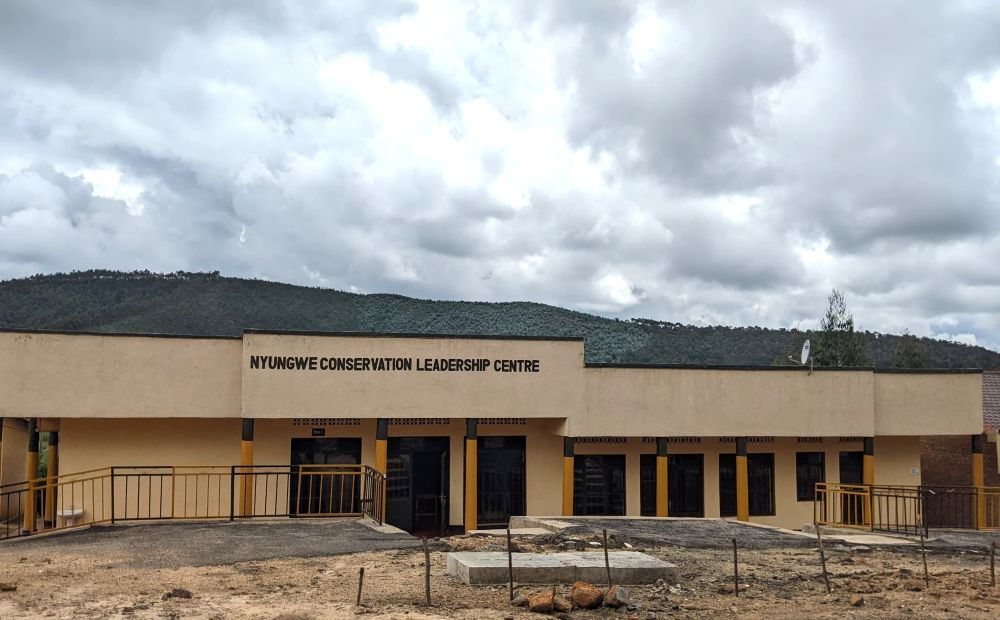
Photo:Dr. Imanishimwe also established a center that provides training on environmental conservation
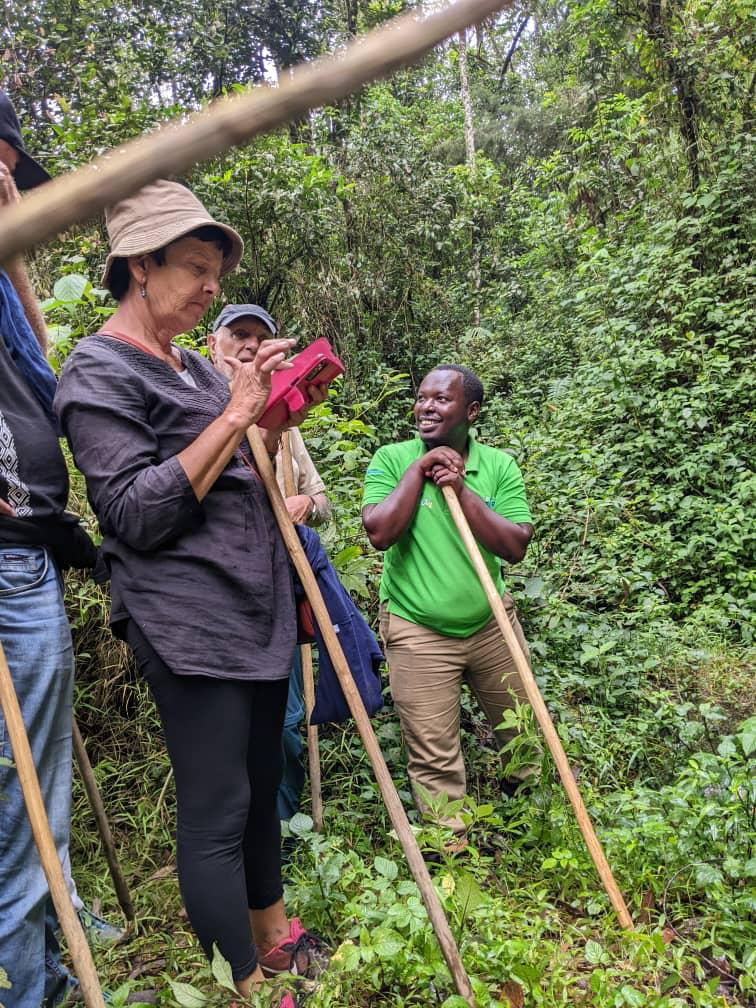
Photo: Dr. Imanishimwe Ange is proud that the indigenous trees and herbs he planted, once misunderstood by many, are now beginning to bear fruit

Photo: Dr. Ange is engaged in Career Development activities