
 0
0
 0
0
By Kellia Umutoniwase
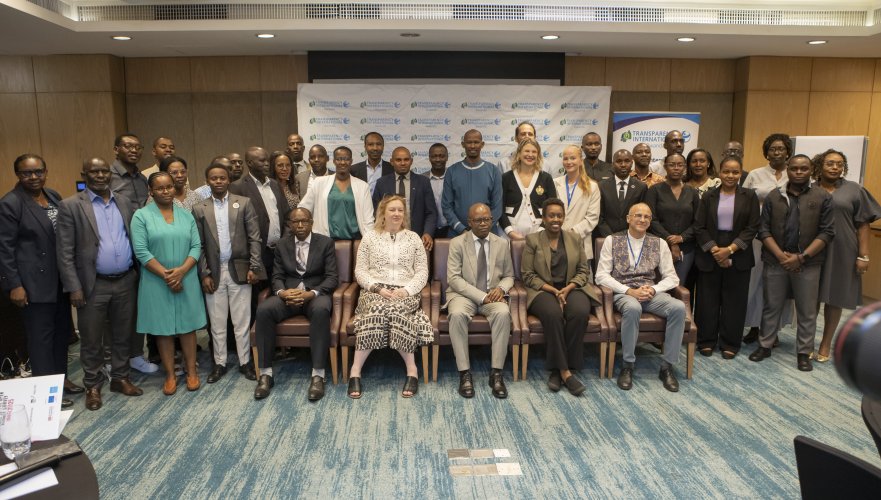
Rwanda has taken another step forward in how openly it manages public money, according to the newly released Open Budget Survey (OBS) 2025, unveiled by Transparency International Rwanda (TI-Rwanda) at a national dialogue on budget transparency this Friday, 14 August, 2026.
The survey, run by the International Budget Partnership, is the only global assessment that regularly tracks how transparent, participatory, and well-supervised government budgets are. It looked at 82 countries this year, weighing three things: how much budget information is available, how much room citizens get to weigh in, and how closely legislatures and auditors watch the money.
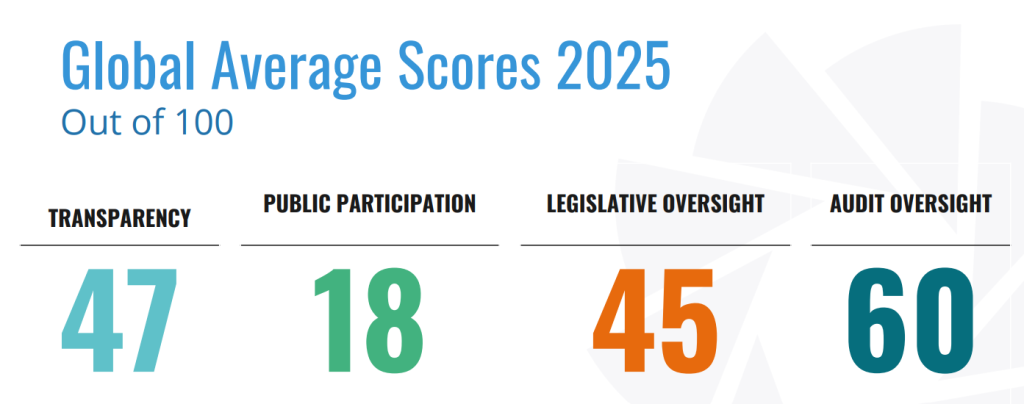
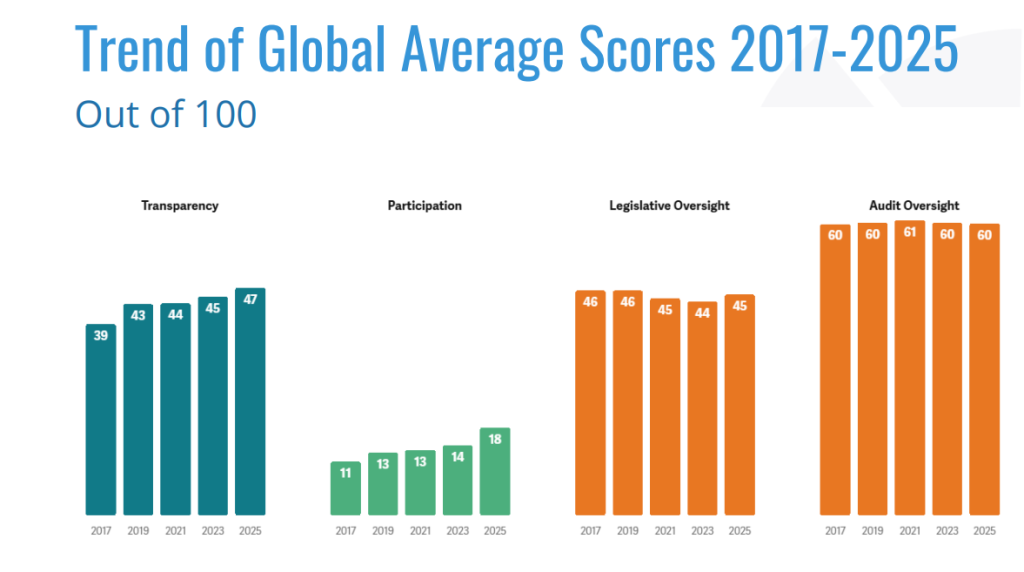
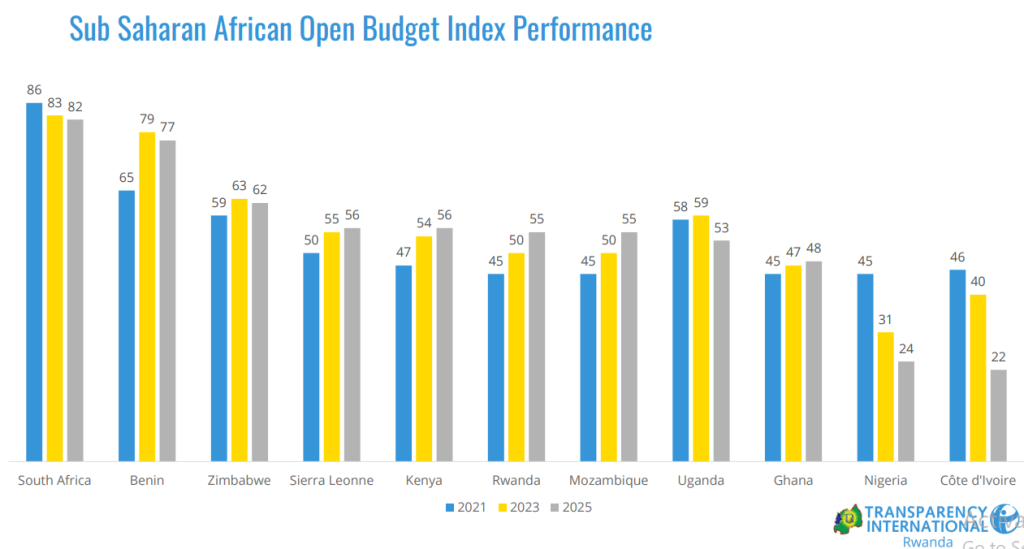
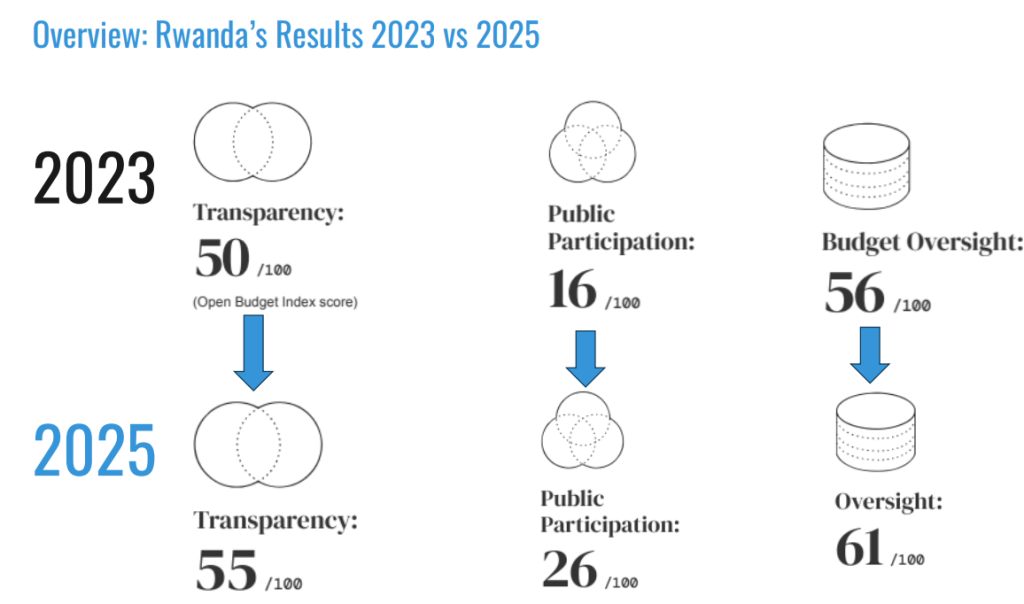
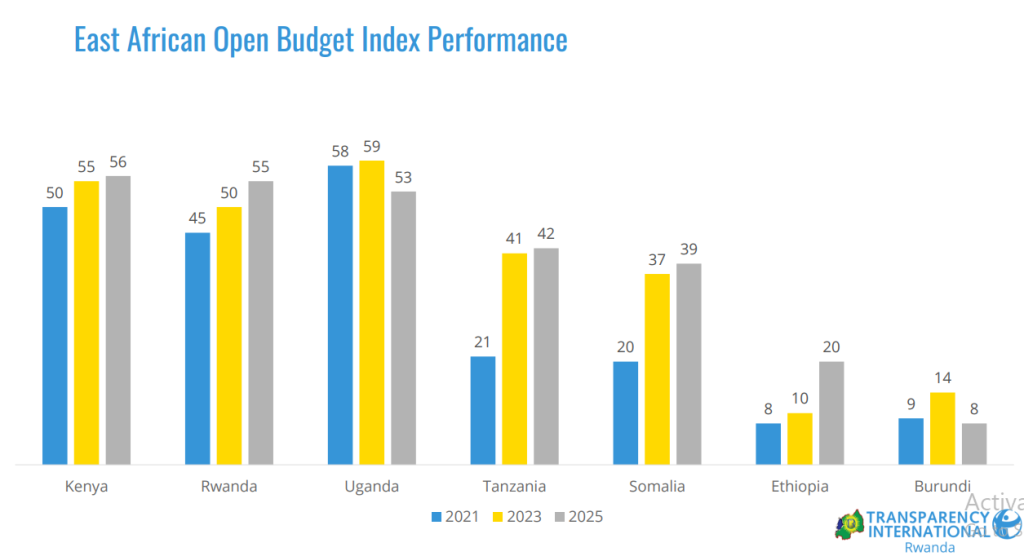
For Rwanda, the numbers tell a story of steady, if incomplete, progress. The country’s overall transparency score climbed to 55 out of 100, up from 50 in 2023 and 45 in 2021. That’s real movement, but it still falls short of the 61-point mark the survey treats as the line for “sufficient” public information.
The biggest jump came in public participation, which nearly doubled from 16 in 2023 to 26 points in 2026, Rwanda’s largest single improvement on that front yet. It’s still the country’s weakest area, though. Oversight fared better; the overall score rose to 61, driven largely by the Auditor General, whose score shot up from 78 to 89.
An interview with Forefront Magazine, the TI-Rwanda’s Executive Director, Apollinaire Mupiganyi, says that there’s a gap in citizen participation in the budget preparation process and report publication for MINECOFIN.
“The sticking point, the report suggests, isn’t a lack of rules but a lag in practice, documents that exist but arrive late, or aren’t easy to find. The FY2022/23 Consolidated Financial Statements, for instance, came out roughly 17 months after the fiscal year closed, five months past the recommended deadline.”
He’s calling for information that’s timely, complete, and genuinely useful to citizens.
Our survey revealed the existence of infrastructure that was built but is not being used for its intended purpose.
“We found health centers that were constructed but remain unused, markets that are not operational, and various other facilities. We found that these projects cost over 4 billion Rwandan francs.”
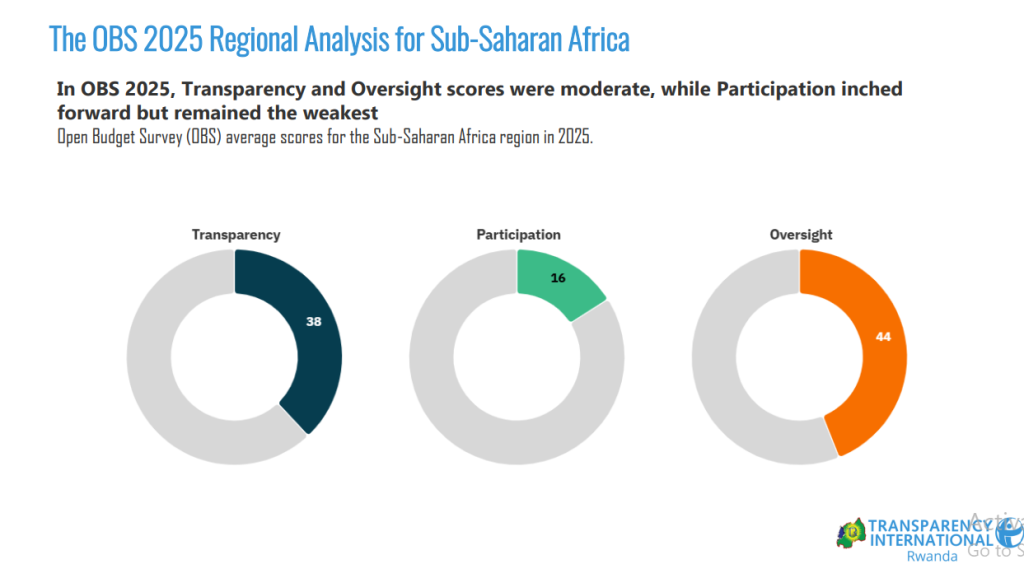
Regionally, Rwanda ranks sixth in Sub-Saharan Africa and second in East Africa, just behind Kenya.
Read the full Open Budget Survey (OBS) 2025


