
 0
0
 0
0
By Annonciata Byukusenge
The Nile Basin Initiative (NBI) has appointed Dr. Eng. Nestor Niyonzima of Burundi as its new Executive Director, marking a new chapter for the regional organization that coordinates cooperation among Nile Basin countries.

Dr. Niyonzima, the 12th Executive Director of the NBI, was endorsed by the Nile Council of Ministers (Nile-COM) during its 33rd meeting held in Bujumbura on 6 December 2025. He succeeds Dr. Florence Grace Adongo of Uganda, whose two-year tenure as the organization’s leader concluded in December.
His appointment also carries historical significance. Dr. Niyonzima becomes only the second Burundian national to lead the NBI, following Audace Ndayizeye, who served from 2006 to 2008. The leadership of the Initiative rotates every two years among member states in English-alphabetical order, subject to approval by the Nile-COM.
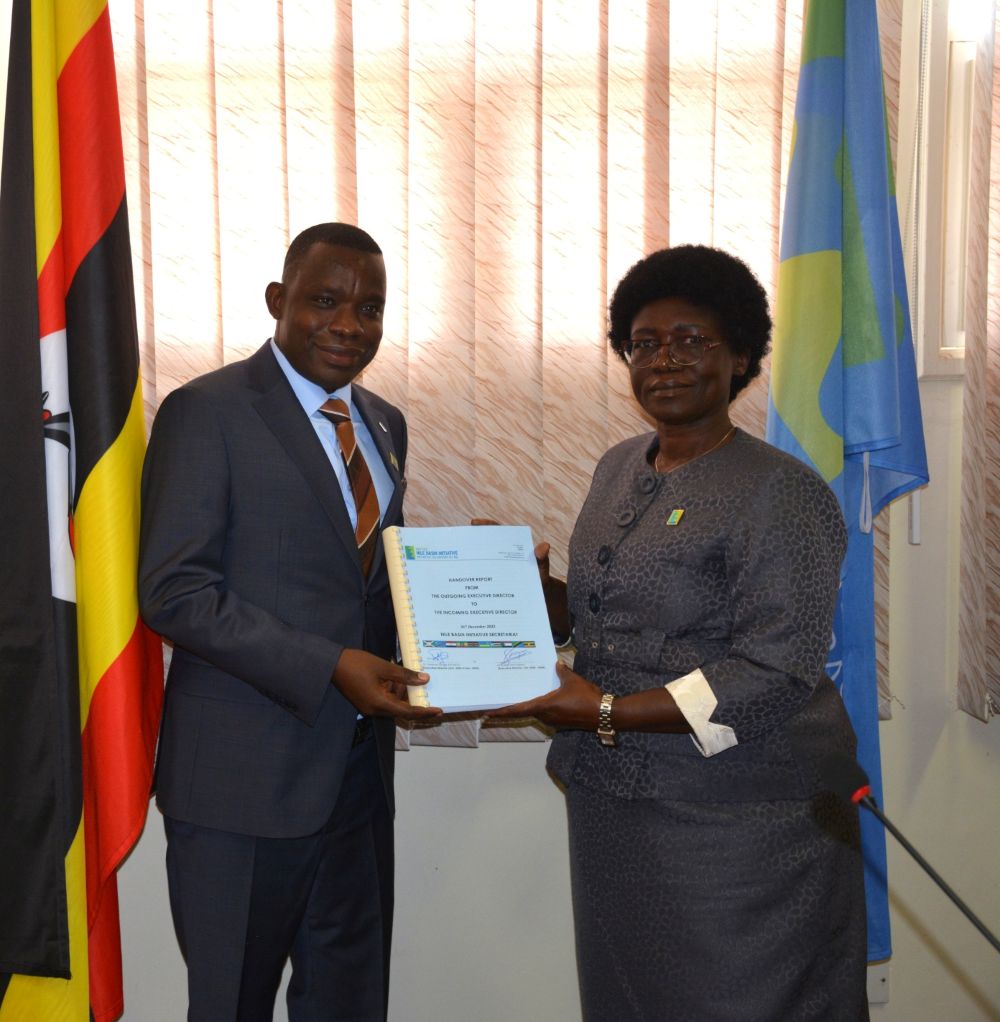
Welcoming the new Executive Director, Dr. Callist Tindimugaya, Uganda’s representative on the NBI Technical Advisory Committee, praised Dr. Niyonzima for quickly engaging with critical discussions on regional cooperation and socio-economic investments in the Nile Basin. He also commended Dr. Adongo for her effective leadership and close collaboration with NBI governance bodies and development partners.
Born in 1982, Dr. Niyonzima was nominated by the Government of Burundi through the current Nile-COM Chairperson and Minister of Environment, Agriculture, and Livestock, Ms. Calinie Mbarushimana. He brings extensive academic and professional experience to the role, holding a PhD in Water Engineering, an engineering master’s degree in Hydraulics and Water Management, and a Diploma in University Teaching from the Moscow State University of Environmental Engineering.
Before joining the NBI, Dr. Niyonzima served in several senior roles within Burundi’s Ministry of Hydraulics, Energy, and Mines. Most recently, he was Director General of the Burundian Agency for Hydraulics and Sanitation in Rural Areas, where he also led the Program for the Water Sector and Climate Change Resilience. In addition, he has contributed to higher education as a senior lecturer at the University of Burundi.
Speaking on his appointment, Dr. Niyonzima emphasized the broader responsibility of the role, noting that decisions made at the regional level directly affect millions of people who depend on the Nile’s resources for their livelihoods. Addressing NBI staff, partners, and Technical Advisory Committee members, he said he was assuming office on a strong foundation and outlined priorities focused on strengthening trust among member states, accelerating implementation of the NBI’s 10-year strategy, and delivering tangible benefits for communities across the basin.
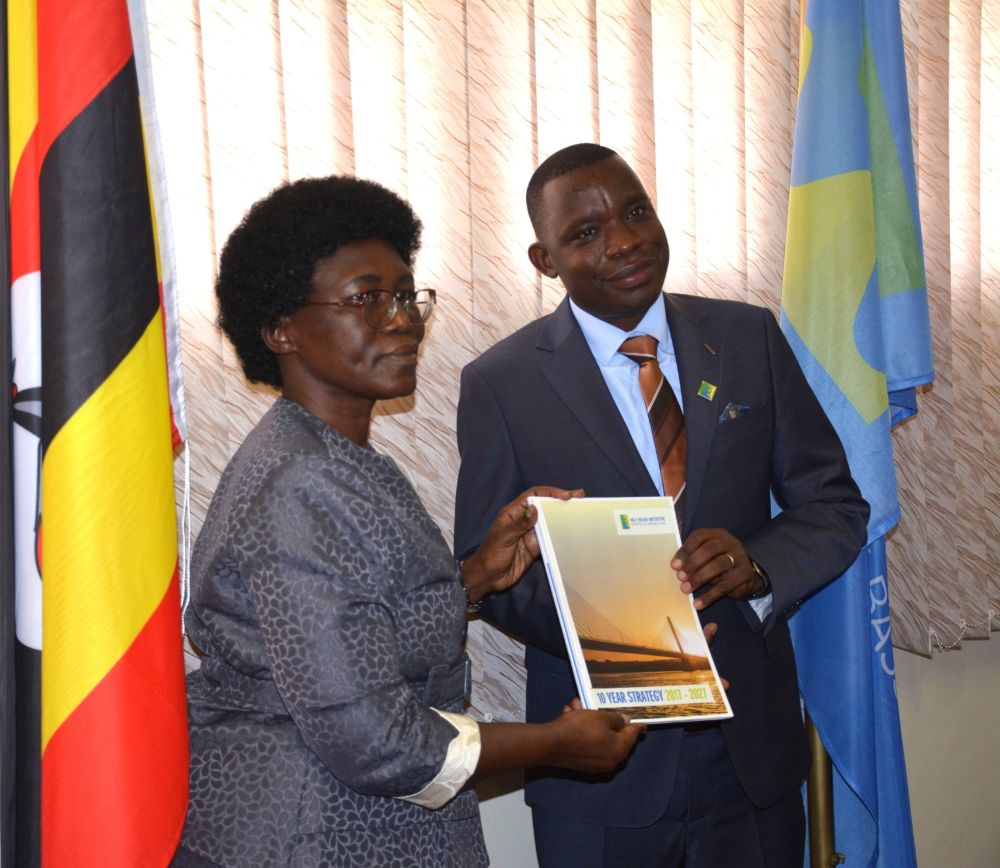
The new leadership builds on notable achievements made under Dr. Adongo’s tenure. During her term, the NBI worked closely with regional institutions such as the Intergovernmental Authority on Development, the Eastern Africa Power Pool, and the Lake Victoria Basin Commission to finalize the Nile River Basin Investment Programme. The program includes 59 high-impact projects aimed at boosting socio-economic development while addressing environmental degradation.
Other key milestones included the revitalization of the Regional Hydrological Monitoring System, enabling experts across the Basin to jointly analyze water quantity and quality data and translate it into early-warning advisories for climate-related risks. The organization also expanded youth training initiatives and advanced plans to establish a Nile Basin Centre of Excellence, building on its extensive digital knowledge systems.
With Dr. Niyonzima at the helm, the Nile Basin Initiative now looks ahead to deepening cooperation and translating regional strategies into practical outcomes for the people who depend on the world’s longest river.


