
 0
0
 0
0
By Annonciata Byukusenge
SAIP beneficiaries from Ruhango and Huye districts are participating in a field exchange in Gisagara district as part of a study tour to learn how small-scale irrigation has helped farmers there improve their harvests. Their goal is to apply the same practices back home, where unpredictable weather has been causing significant losses.
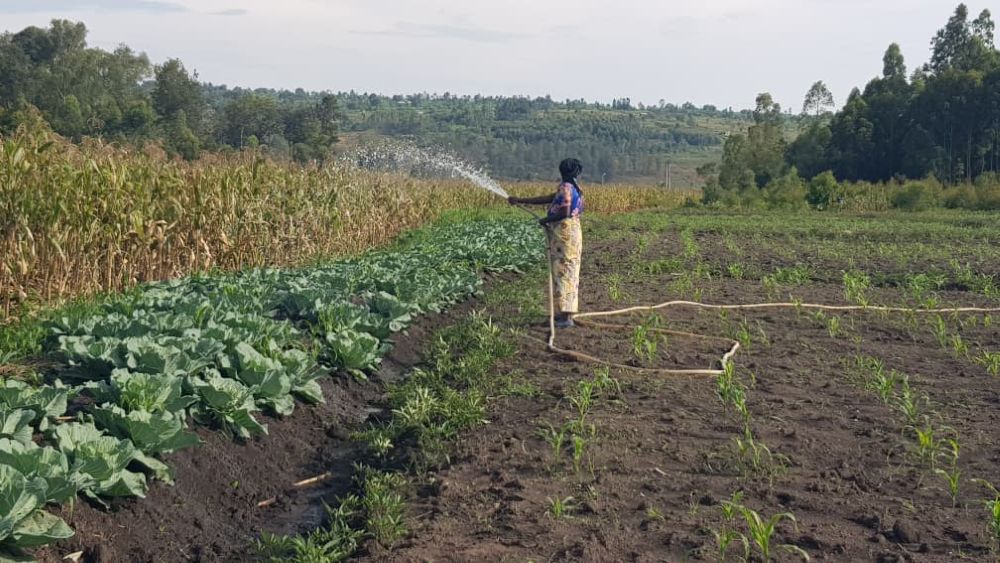
Many farmers say climate change has become one of their biggest challenges. Long dry spells often leave crops withered in the fields, resulting in poor yields. Without irrigation, it is nearly impossible to farm during Season C, the dry planting season.
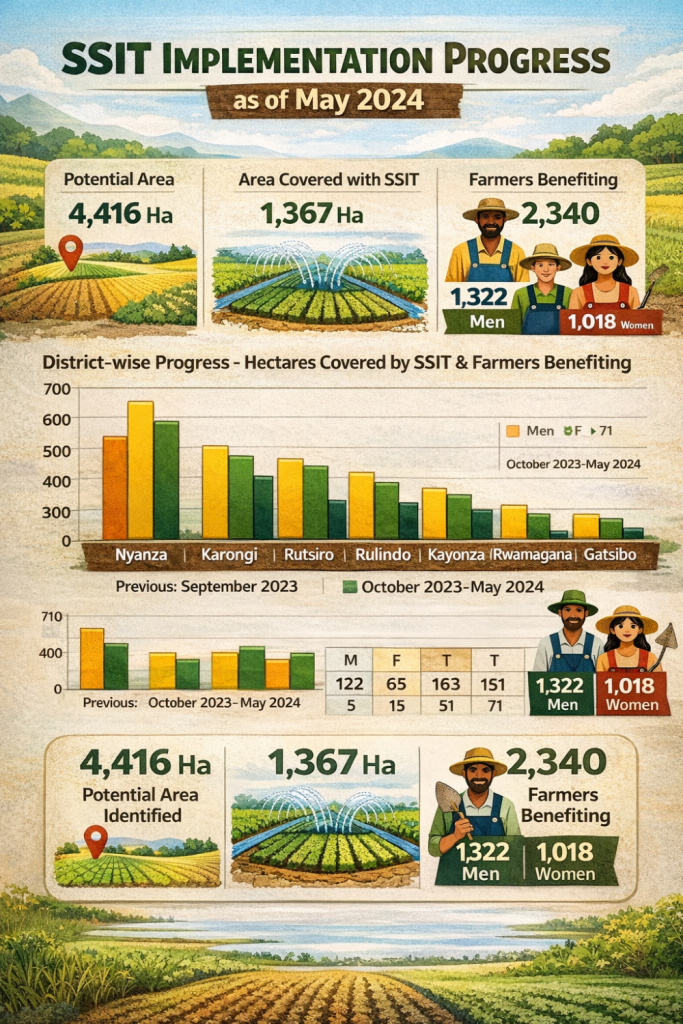
To address this, the Ministry of Agriculture, through the Rwanda Agriculture and Animal Resources Development Board (RAB) under the SAIP project, introduced a small-scale irrigation support program. The initiative assists both large-scale farmers who have the capacity to invest in agriculture and smallholder farmers organized in cooperatives.
Agnes Nyiramugisha is a beneficiary of SAIP. She lives in the Rusatira Sector in Huye District and participated in the study tour as a representative of the Tuzamurane Cooperative. She explained how eye-opening the visit was for her.
“This study tour is incredibly important for me. I didn’t realize that farming during the dry season could actually be productive. I learned that with solar-powered irrigation, you can cultivate Season C crops without worrying about drought and still harvest good yields.”
She added that she plans to share this knowledge with fellow cooperative members so they can work together to invest in solar irrigation systems, which will strengthen their farming activities.
Samuel Hakizimana, a SAIP beneficiary from Kabagari Sector in Ruhango District, shared a similar experience.
“In the past, we tried to farm during Season C to see if we could increase production, but we suffered losses because we had no irrigation system. If we could receive support for solar irrigation, we would be able to farm all three seasons and improve our harvests.”
Hakizimana explains that he and 294 other farmers grow maize and beans in the 32-hectare Rutenderi marshland. Currently, they are only able to cultivate two seasons per year.
“If we had irrigation, we could farm a third season and grow vegetables as well. We tried before, but without water, we lost everything.”
Nabahungu Leon is a farmer in Gisagara District. He cultivates 5.5 hectares of land and uses solar-powered irrigation on his farm. His farm was the main learning site for the farmers who came on the study tour.
Cleophas Ntihabose is a farm manager. He reflects on the losses they experienced before the introduction of irrigation.
“Before, we could only farm two seasons a year; even then, our harvests were not satisfactory. There were times when the dry season would stretch on for too long, and our crops would wither in the fields.”
He went on to describe how things began to change.
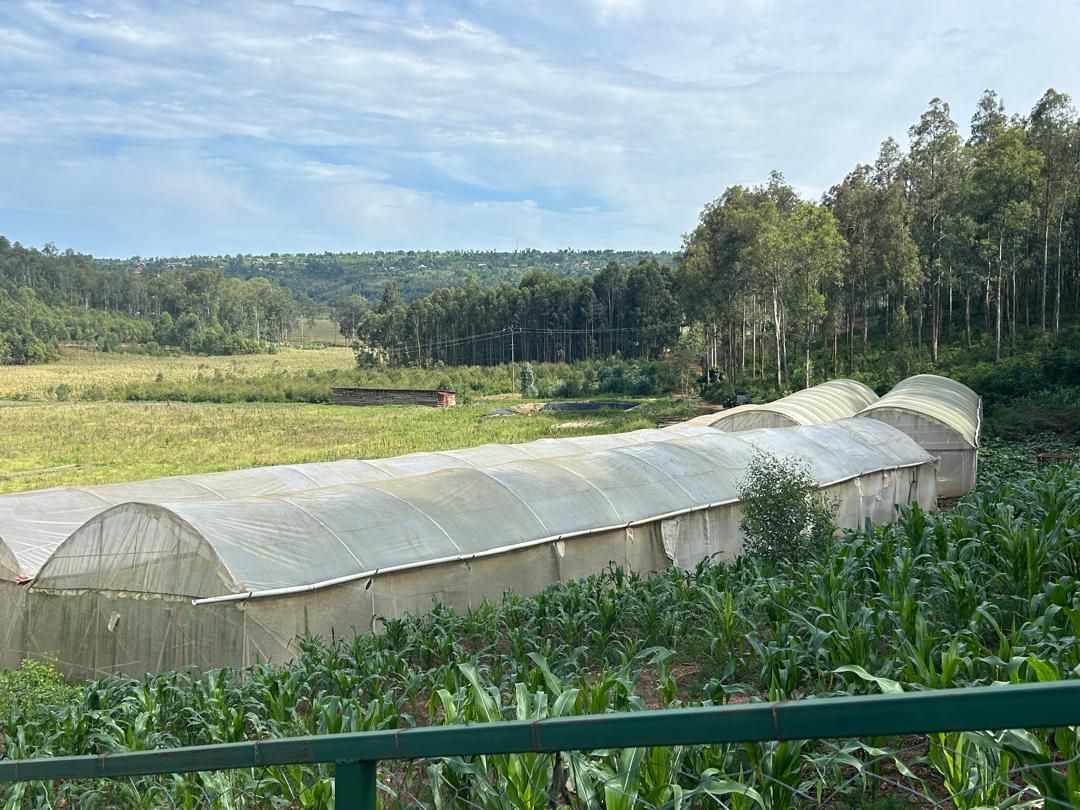
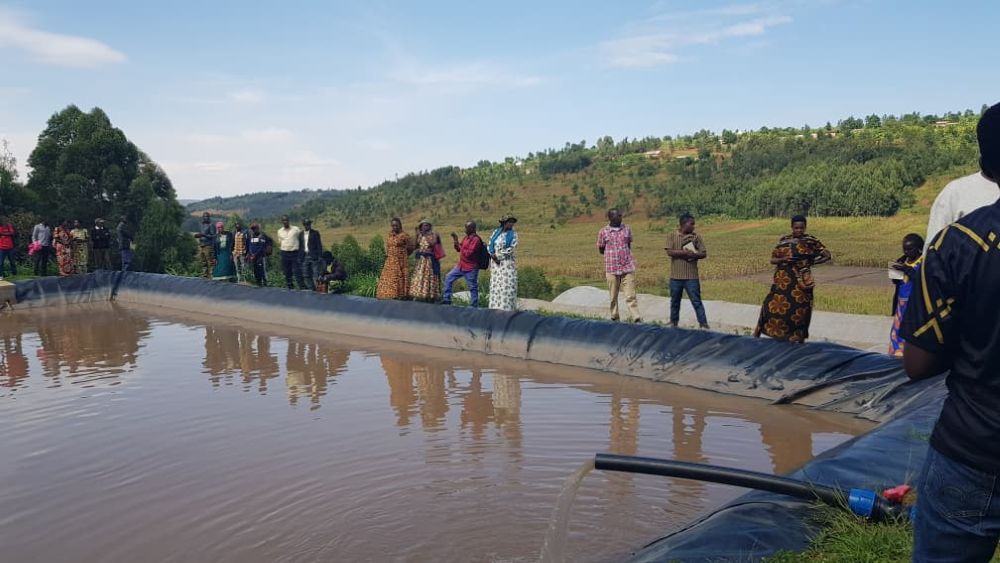
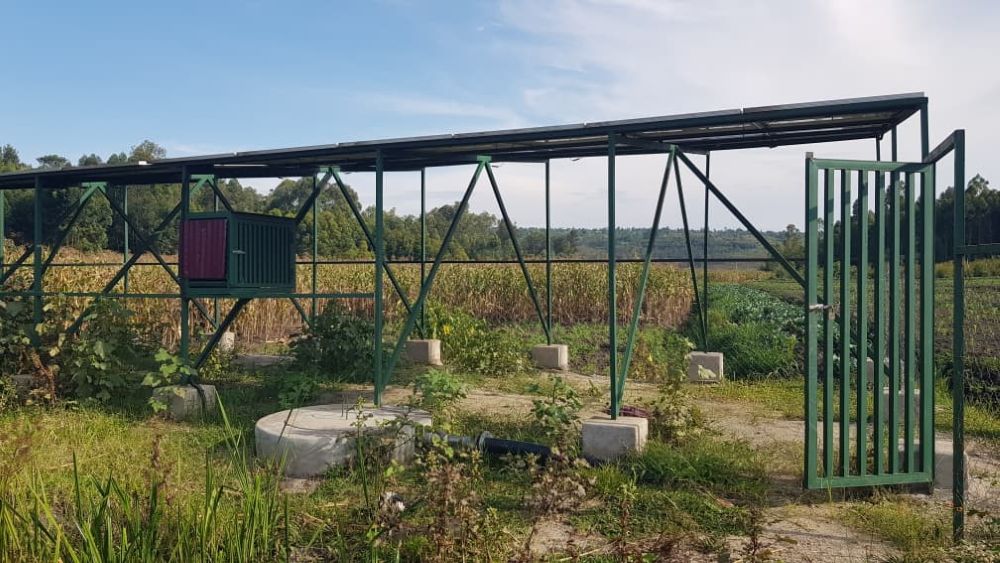
“At the end of 2024, we learned about a project called SAIP, implemented by RAB, which was providing support for agricultural initiatives. We prepared a proposal, and fortunately, it was selected. Through the project, we received irrigation equipment, including solar panels, a water pump that lifts water into a dam sheet reservoir, irrigation pipes, and a greenhouse. The value of the project is 42 million.”
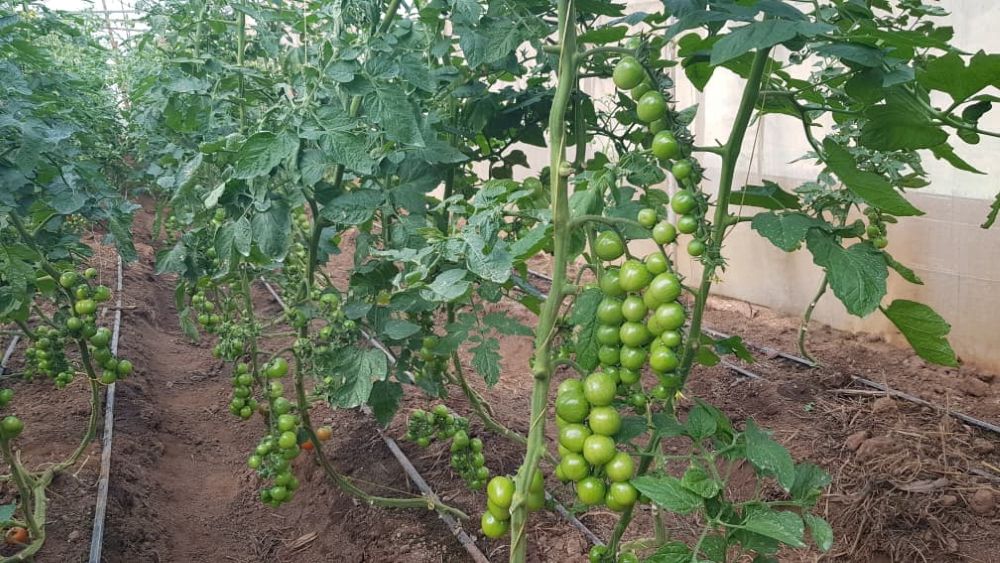
According to Ntihabose, they began using the irrigation system in February 2025. Since then, they have been growing vegetables such as cucumbers, tomatoes, and green peppers; now we have enough production.
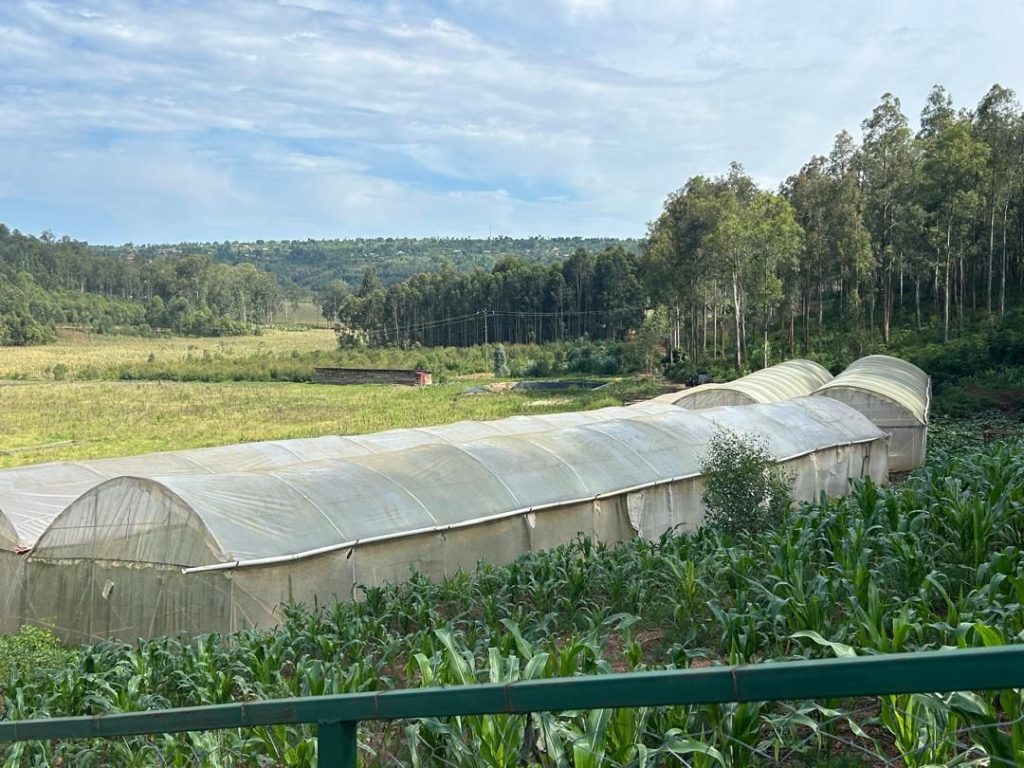
What once felt like a constant struggle against unpredictable weather has now become a more stable and promising farming venture, thanks to access to reliable irrigation.
Jule Mporana, a water user specialist at RAB-SPIU working on the small-scale irrigation program, emphasized that the initiative is not limited to large farmers. Smallholder farmers are encouraged to organize themselves into cooperatives so they too can benefit.
“The purpose of this study tour is to show farmers that small-scale irrigation is possible. For projects ranging from 1 to 4.9 hectares, smallholder farmers contribute 50% of the cost of irrigation equipment, while the government provides a 50% subsidy. For five hectares and above, the government subsidy increases to 75%. Farmers can apply individually or as part of a cooperative.”

Through initiatives like this, farmers are gaining practical solutions to adapt to climate change, improve food production, and build more resilient livelihoods.
This transformative study tour was organized by the Rwanda Agriculture and Animal Resources Development Board (RAB) through its Single Project Implementation Unit (SPIU), under the Sustainable Agricultural Intensification and Food Security Project (SAIP).


