
 0
0
 0
0
The U.S. Department of Health and Human Services and the U.S. Department of State today announced the United States’ completion of its withdrawal from the World Health Organization (WHO) due to the organization’s mishandling of the COVID-19 pandemic that arose out of Wuhan, China, its failure to adopt urgently needed reforms, and its inability to demonstrate independence from the inappropriate political influence of WHO member states.
Health and Human Services Secretary Robert F. Kennedy, Jr., and Secretary of State Marco Rubio issued a joint statement on the termination of the U.S. membership in the WHO.
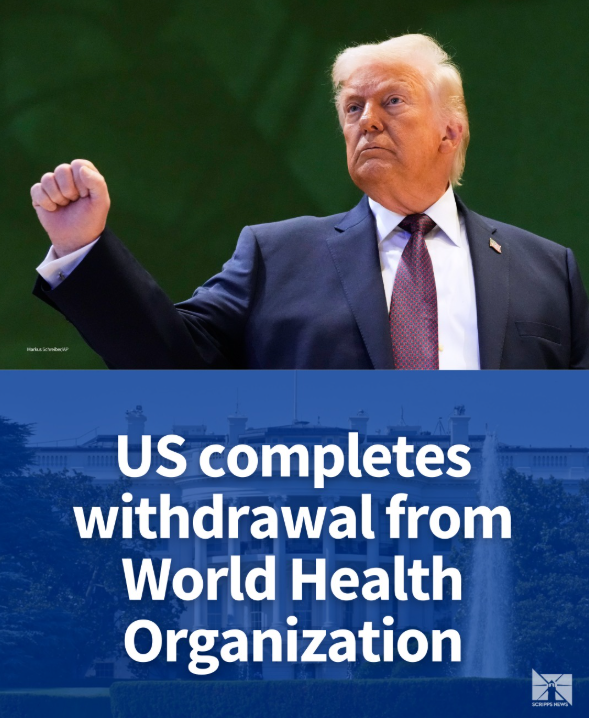
On January 20, 2025, President Trump announced the U.S. plan to leave the WHO. During the yearlong process, the U.S. stopped funding the WHO, withdrew all personnel from the WHO, and began pivoting activities previously conducted with the WHO to direct bilateral engagements with other countries and organizations. With the exit from the WHO, the U.S. will be coordinating with the WHO solely in a limited fashion to effectuate withdrawal.
The WHO delayed declaring a global public health emergency and a pandemic during the early stages of COVID-19, costing the world critical weeks as the virus spread. During that period, WHO leadership echoed and praised China’s response despite evidence of early underreporting, suppression of information, and delays in confirming human-to-human transmission. The organization also downplayed asymptomatic transmission risks and failed to promptly acknowledge airborne spread.
After the pandemic, the WHO did not adopt meaningful reforms to address political influence, governance weaknesses, or poor coordination, reinforcing concerns that politics took priority over rapid, independent public health action and eroding global trust. Its report evaluating the possible origins of COVID-19 rejected the possibility that scientists created the virus, even though China refused to provide genetic sequences from individuals infected early in the pandemic and information on the Wuhan laboratories’ activities and biosafety conditions.
The U.S. is the world’s leading force in protecting public health, saving lives, and responding rapidly to infectious disease outbreaks. As we advance, the U.S. government will continue its global health leadership through existing and new engagements directly with other countries, the private sector, non-governmental organizations, and faith-based entities. U.S.-led efforts will prioritize emergency response, biosecurity coordination, and health innovation to protect America first while delivering benefits to partners around the world.
Read Fact Sheet: U.S. Withdrawal from the World Health Organization.


