 0
0
 0
0
By Annonciata Byukusenge
Organizations working to prevent teenage pregnancies and support young mothers say the issue goes far beyond the home a child comes from. According to them, teenage pregnancy is not simply a matter of family upbringing; it is a broader challenge facing Rwandan society as a whole.
One such organization, Vuga Ukire, which focuses on combating gender-based violence, family conflicts, and teenage pregnancy, noticed that many girls who become pregnant at a young age are forced to drop out of school for various reasons. In response, the organization launched a program to help these young mothers learn practical skills so they can start small businesses, support their children, and rebuild their lives.
Speaking to The Forefront magazine, the organization’s director said teenage pregnancy remains a serious concern that affects everyone.
“Many young people lack adequate knowledge about reproductive health, which is one of the main reasons they engage in unprotected sex and end up pregnant. At the same time, many parents are too busy trying to make ends meet to have open conversations with their sons and daughters about sexual and reproductive health. Others avoid the topic because of religious beliefs or cultural norms that consider such discussions inappropriate.” Said Dative Nakabonye, Vuga Ukire director.
She added that among the teenagers they work with, some engage in risky sexual behavior simply because they have no source of income to meet their basic needs.
“This is a problem for the Rwandan community as a whole, not just individual families. If young people had more access to income-generating opportunities and unemployment was reduced, we would likely see fewer cases of risky behavior, including teenage pregnancy.”
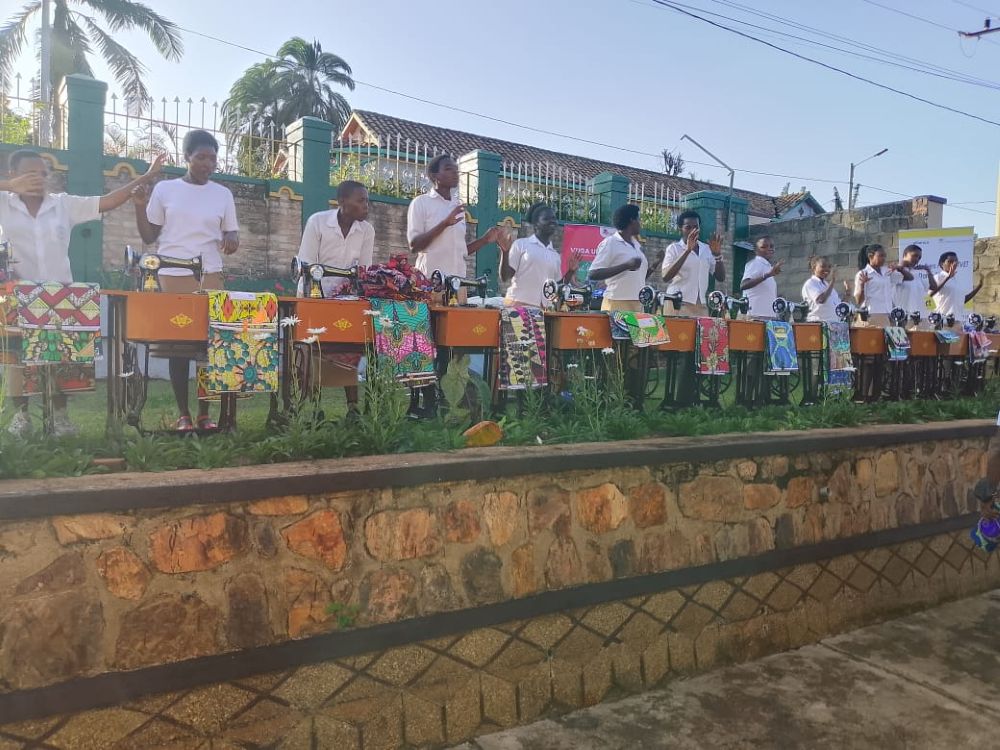
In 2025, the organization supported nine teenage mothers by enrolling them in vocational training programs. After completing their courses, they were provided with starter kits and equipment.
Nakabonye adds that they plan to continue helping more young mothers as resources allow.
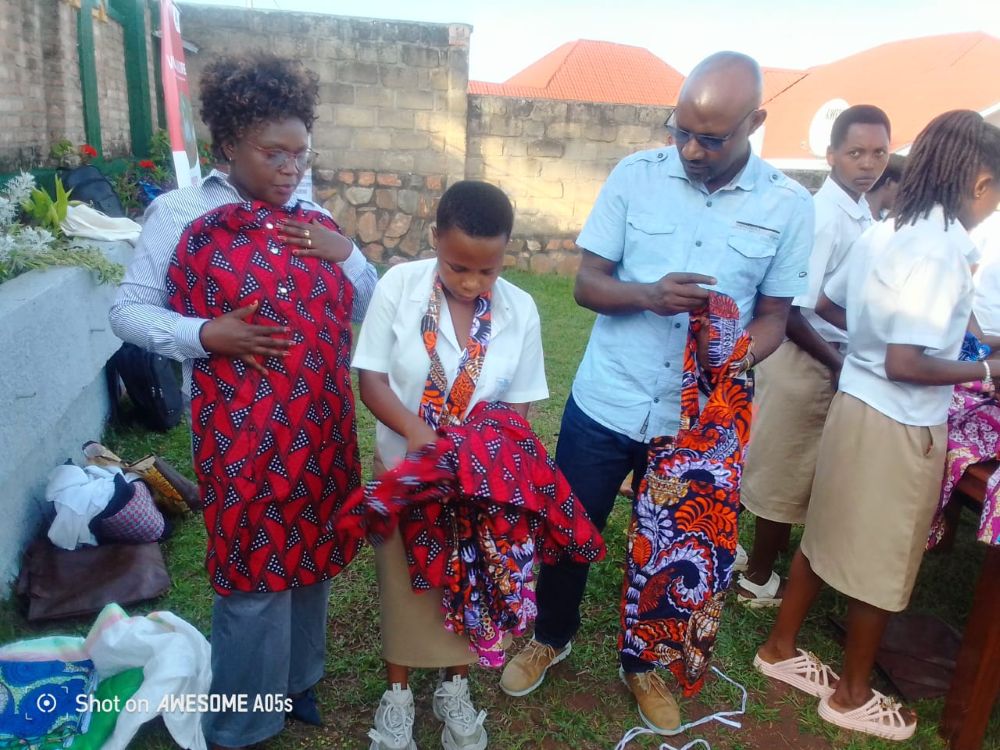
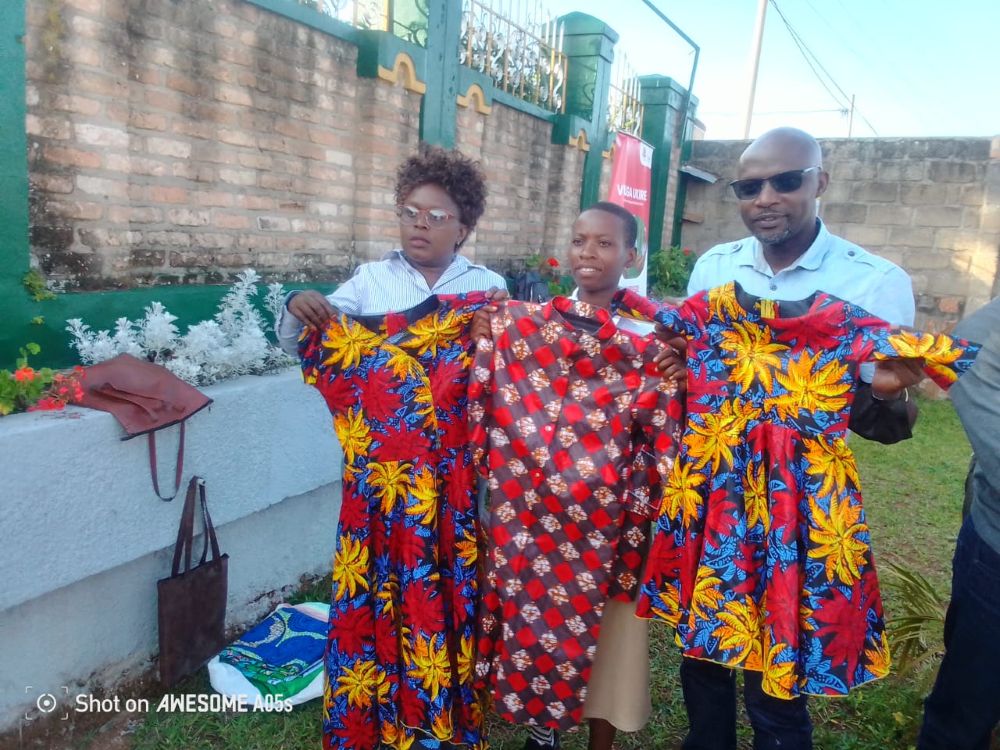
“We want to ensure these girls can improve their lives and provide a better future for their children. This Friday, 12 February 2026, 13 young mothers began tailoring training. Twelve completed the course and received sewing machines, necessary tools, and five pieces of fabric each to help them start working immediately.”
When asked whether there had been any visible changes in the lives of the girls who received sewing machines last year, she confirmed that there have been clear progress. Many are now earning an income and are better able to care for themselves and their children.
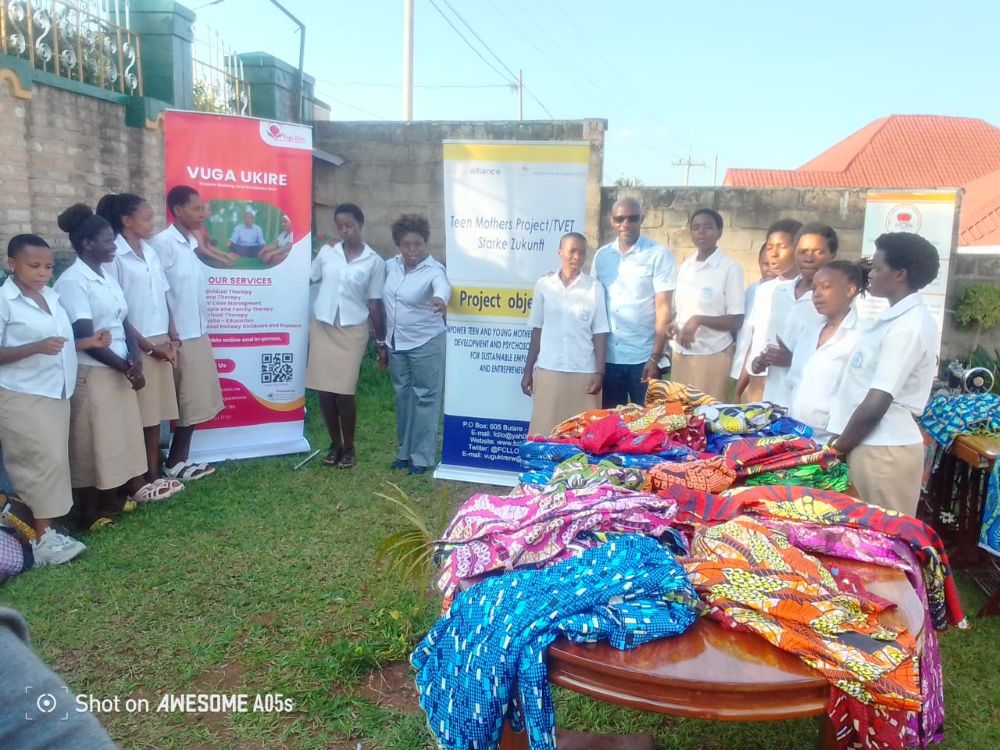
These teenagers, from Mbazi and Huye sectors, learned the tailoring trade for 6 months and also did an internship for two months.
Sewing machines and materials were donated by FCLLO and Groupe Nos enfants in partnership with Alliance-LUFTANSA.
According to findings from the Seventh Rwanda Demographic and Health Survey (DHS7, 2020–2025), published in December 2025 by the National Institute of Statistics of Rwanda (NISR), the percentage of girls aged 15 to 19 who have been pregnant increased over the past five years, rising from 5% in 2020 to 8% in 2025.
The Minister of Health, Dr. Nsanzimana, told the media that teenage pregnancy remains a serious concern and that the government is committed to addressing it.
“This is an issue we are determined to tackle. The data shows what has happened between 2020 and 2025. Measures have already been put in place, and we expect to see their impact in the coming years. These include revised laws and expanded access to services to ensure girls who become pregnant at a young age are not permanently excluded from school.”
The survey also showed that among girls who became pregnant between 2020 and 2025, 1% were 15 years old, 2% were 16, 6% were 17, 12% were 18, and 20% were 19 years old.
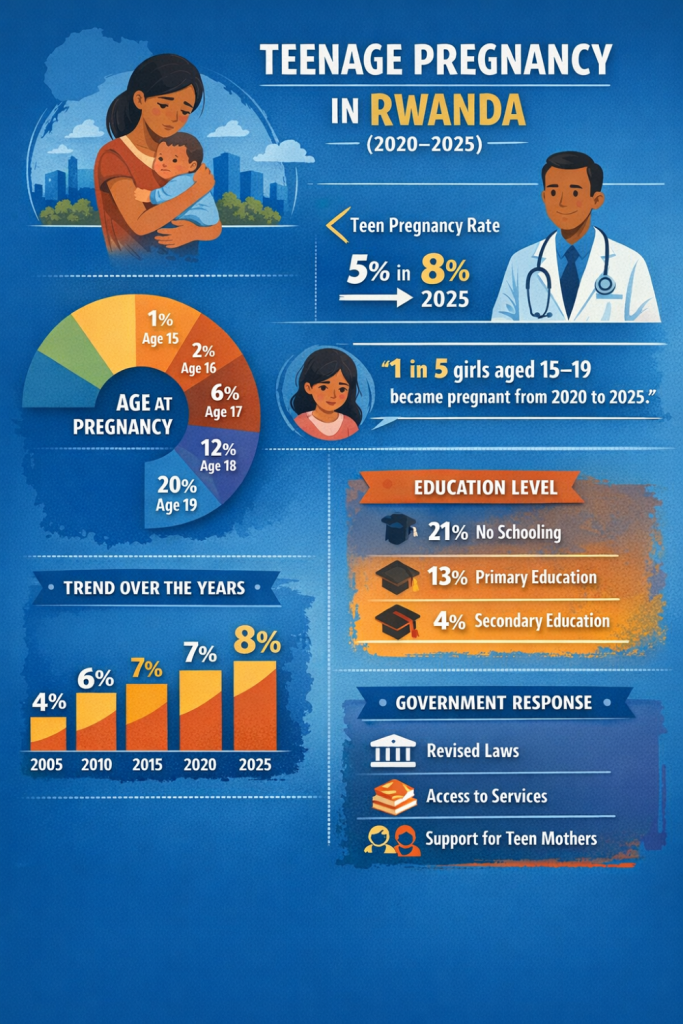
In terms of education levels, 21% of the girls who became pregnant during that period had never attended school, 13% had completed primary school, and 4% had reached secondary school.
Looking at trends over time, teenage pregnancy rates in Rwanda were recorded at 4% in 2005, increased to 6% in 2010, and rose to 7% in 2015. The rate dropped to 5% in 2020 before climbing again to 8% in 2025.
Overall, advocates say that tackling teenage pregnancy will require collective action, from families, communities, institutions, and the government, to ensure young people are informed, supported, and given real opportunities for a better future.


