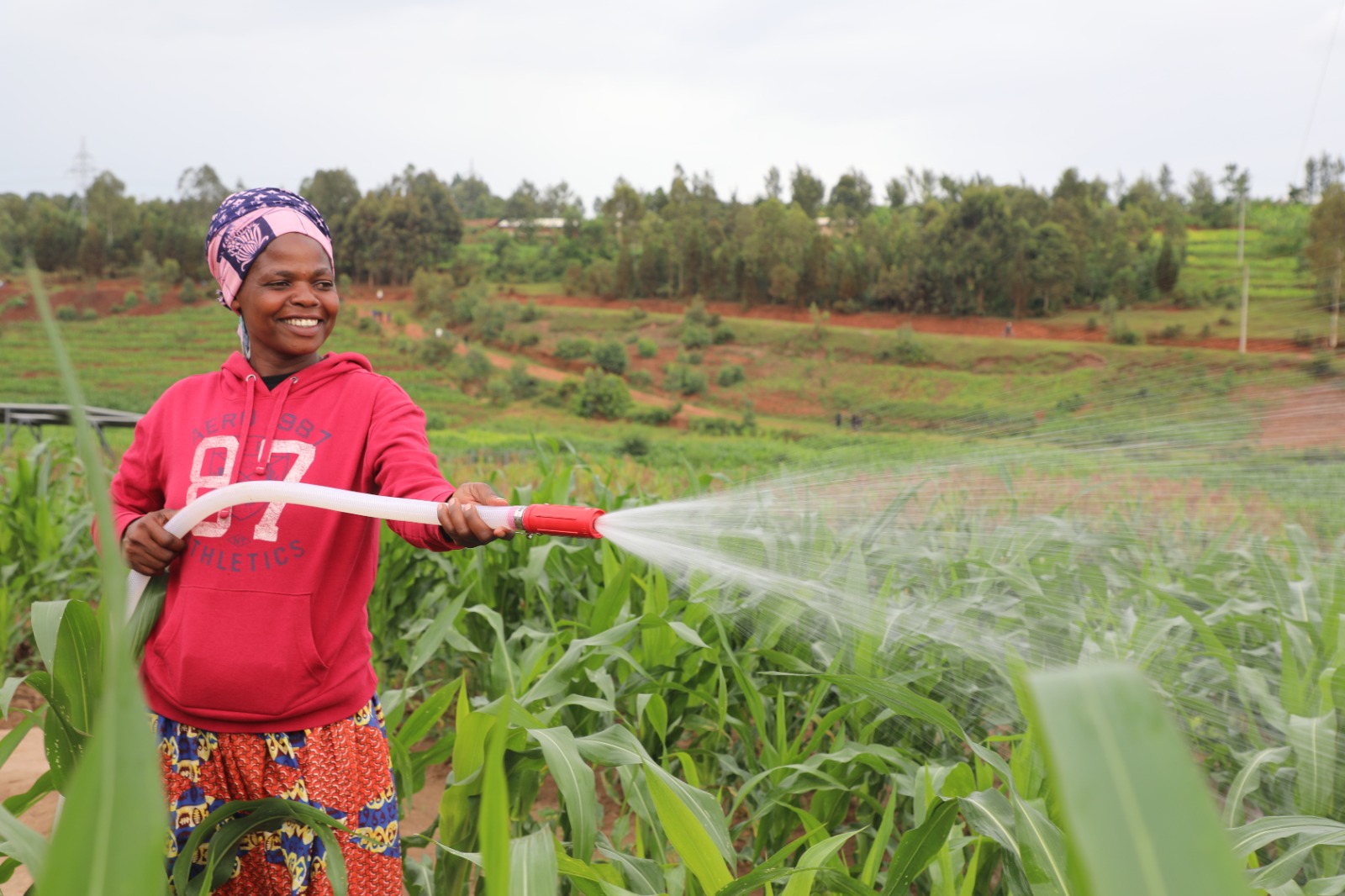
 1
1
 0
0
By Christophe Uwizeyimana
On December 2, 2025, a 10-hectare solar-powered irrigation system valued at over 145 million Rwandan Francs was officially launched at the Nyabuyogera site in Save Sector, Gisagara District. The system is designed to support rural women farmers by enabling year-round farming with up to three harvests per year, particularly for vegetable production, reducing dependence on rainfall through climate-resilient agricultural technology. The irrigation scheme was established under the “Joint Programme on Accelerating Progress Towards Rural Women’s Economic Empowerment (JP RWEE)”, an initiative backed by Participating UN Organizations (WFP, FAO, IFAD, and UN Women), with funding from WFP, implemented by RWARRI in partnership with MIGEPROF. RWARRI will continue to support beneficiary farmers across the entire value chain to ensure increased productivity, sustainable irrigation management, and strengthened economic empowerment for rural women.
The 10-hectare solar-powered irrigation system will be valorized by two cooperatives, Inkingi z’Iterambere and Twitezimbere Shyanda from Gatoki and Shyanda Cells, bringing together 690 rural women farmers. Participating farmers describe the irrigation system as a turning point away from reliance on rainfed agriculture.
Rukundo Jean De Dieu, Vice President of the Inkingi z’Iterambere Cooperative, established under the JP RWEE initiative and operating in Gatoki Cell, explains that the newly established solar-powered irrigation system is transforming their farming activities and is expected to significantly increase agricultural production. He said, we used to depend entirely on rainfall, watering cans, and manual tools, or expensive petrol-powered pumps. But now, with irrigation hydrants, taps, and pipes installed across our fields powered by solar energy, we can smartly irrigate for free. We used to experience significant losses; we’re looking forward to reliable harvests year-round.
Uwamahoro Charlotte, a farmer operating at the Nyabuyogera irrigated site, says this system is a breakthrough for her farming activities. She stated: “I am a member of the Twitezimbere Shyanda Cooperative. Rural women farmers here were struggling with losses due to drought. Our yields will now increase. Before this modern irrigation system, we used inefficient traditional methods, but now everything is easier, and we look forward to achieving higher harvests without much struggle. We thank JP RWEE for thinking about rural women and bringing us this irrigation system.
Mukagatsimbanyi Claudine, President of the Twitezimbere Shyanda Cooperative and a farmer at the Nyabuyogera irrigated site, expressed her gratitude to JP RWEE for this initiative. “We used to farm, and when the sun became too intense, our crops would dry up, and we lost everything,” she said. “Now we are fortunate to have access to this modern irrigation technology. It will increase our yields, and during the dry season we will no longer fear farming because we now have a reliable way to irrigate our crops, ensure food security, and even produce surplus for the market.”
Mukamana Beltilde, a member of the Twitezimbere Shyanda Cooperative, says this modern solar-powered irrigation system will significantly boost yields. She said, “This area experiences a lot of sunshine, and it often becomes very dry. With this system, we will be able to irrigate our crops. As women, we expect this technology to bring abundant harvests and improve our livelihoods. We assure JP RWEE that provided this system that we will protect it, because it belongs to us. We will not sit back and watch it deteriorate; we will maintain it, and no one will damage it while we are here.”
How does the system work?
Munyeshyaka Claude Jimmy, Project Manager at the Rwanda Rural Rehabilitation Initiative (RWARRI), an implementing partner for one component of the Joint Programme on Rural Women’s Economic Empowerment (JP RWEE), explained that the solar-powered irrigation system will cover 10 hectares of predominantly hillside land in Save Sector, Gisagara District, specifically at the Nyabuyogera site.
He added, “This solar-powered irrigation system will increase agricultural production, ensure food security, improve the production of nutritious crops, and promote the development and empowerment of rural women in particular.”
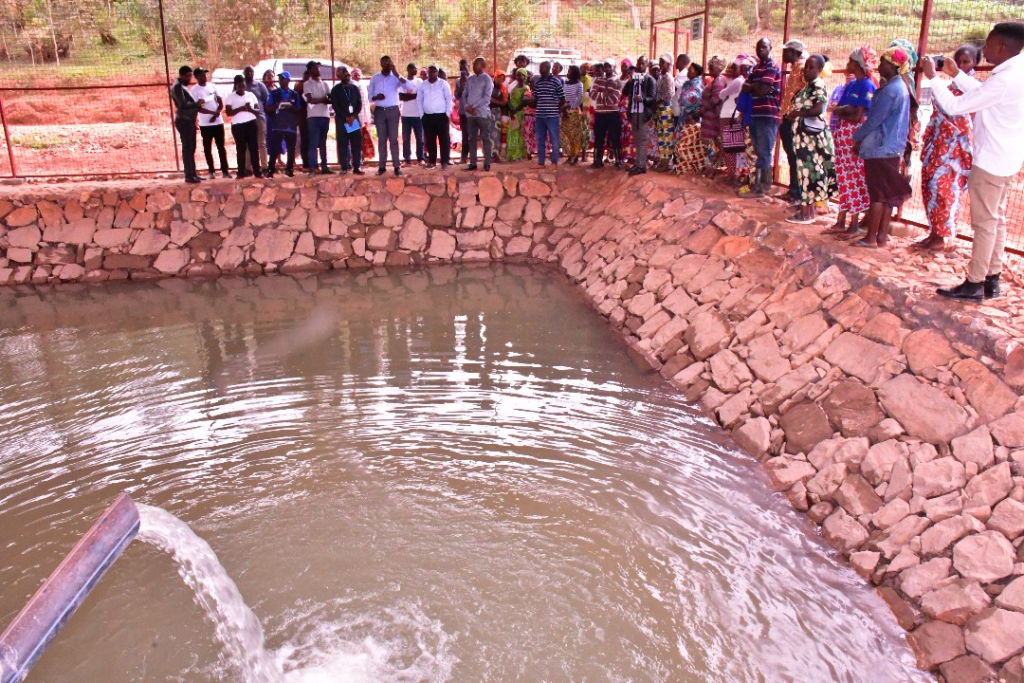
Mr. Jimmy explained: “This solar-powered irrigation system features a solar pumping unit with a maximum flow rate of 43 cubic meters of water per hour. The water is pumped into a covered 500-cubic-meter reservoir constructed with riprap clay stone and positioned on a hillside. From there, gravity-fed distribution through pipes, with 24 hydrants, uses the hose-pipe irrigation method to irrigate the 10 hectares, allowing water to flow naturally down into the fields.”
He added that the system will enable farmers to produce three farming seasons per year without facing water shortages. In addition to irrigation, a washing station has been established and will be followed by the installation of a large-scale Zero-Energy Charcoal Cooler (ZECC) with the necessary accessories. These facilities will support post-harvest handling by washing, storing, and cooling vegetables while they await transport to markets.
Mr. Jimmy further noted: “The support does not end here. We will continue to closely support rural women farmers operating on the irrigated site until August 2027. We will work closely with them not only by equipping them with the necessary skills and practices in production and sales, but also by accompanying them through land preparation, acquisition of inputs, planting, and harvesting, as well as by linking them with potential markets.”
Habineza Jean Paul, Vice Mayor of Gisagara District in charge of Economic Development, who attended the launch event, said the system is expected to significantly boost the local economy. He noted: “This programme was initiated in collaboration with various partners under JP RWEE, including Ministries, Districts, Participating UN Organizations, and others. We are pleased that it will enable our farmers to practice agriculture without waiting for rainfall. We urge residents to make proper use of this infrastructure for their development. We will also support them, including through livestock development, so they can access manure and increase yields. Our goal is to increase production from about 3 tons of maize per hectare to 8 or even 10 tons.”
Silas Ngayaboshya, the Director General for Gender Promotion and Women’s Empowerment at the Ministry of Gender and Family Promotion (MIGEPROF), stated that the project is expected to promote women’s economic empowerment.
He noted, “This project will contribute to Rwanda’s national development agenda. Since it mainly focuses on women and girls, we expect their economic status to improve. It will also help address malnutrition and food shortages.”
JP RWEE Phase II Overview
JP RWEE Phase II started in 2023 and is scheduled to conclude in 2027. It aims to improve food security, nutrition, and women’s rights. It operates in five districts across Rwanda, Kirehe and Ngoma (Eastern Province), Gisagara and Nyaruguru (Southern Province), and Nyamasheke (Western Province), benefiting 9,000 rural women. The programme is funded by WFP, FAO, UN Women, and IFAD, and is implemented by RWARRI in partnership with MIGEPROF and other cooperating partners, including SAFE, CVI, and INADES-Formation Rwanda.
Photos:
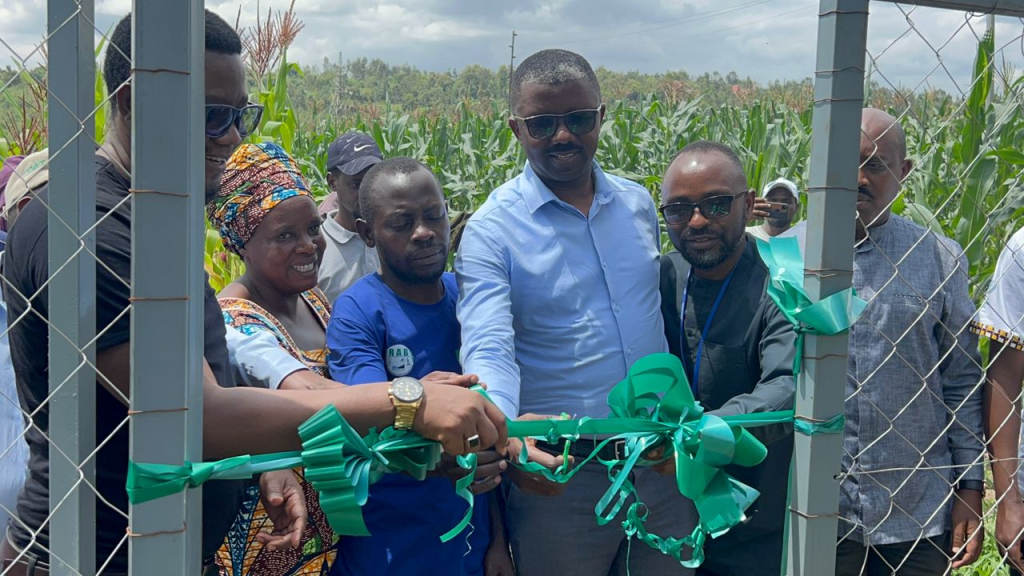
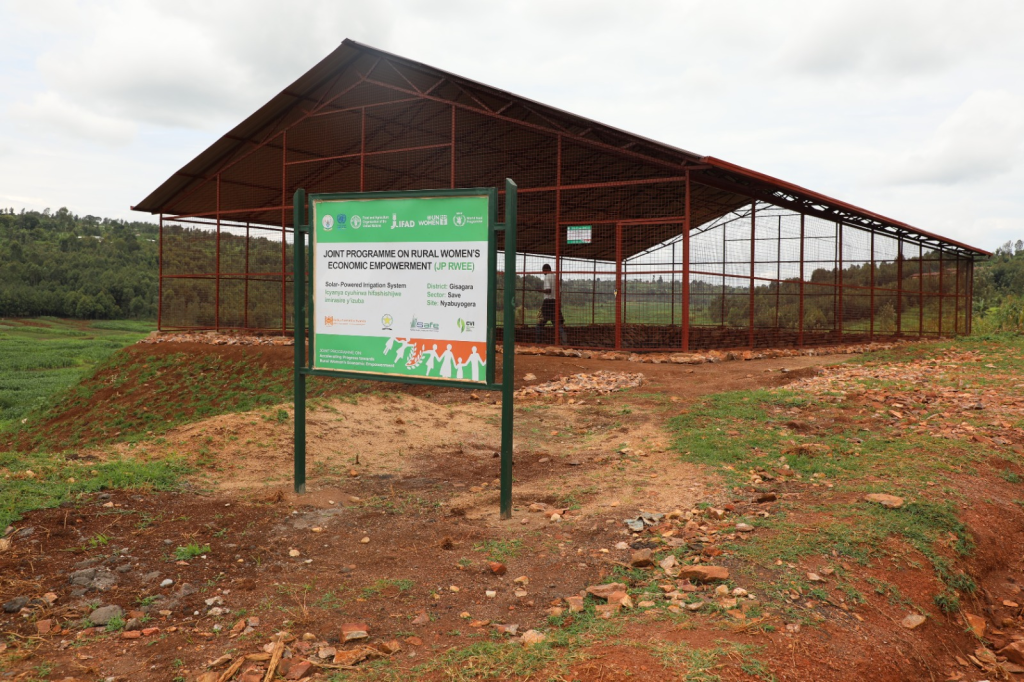
Photo:The inaugurated Solar-Powered Irrigation Project worth Over 145 Million RWF
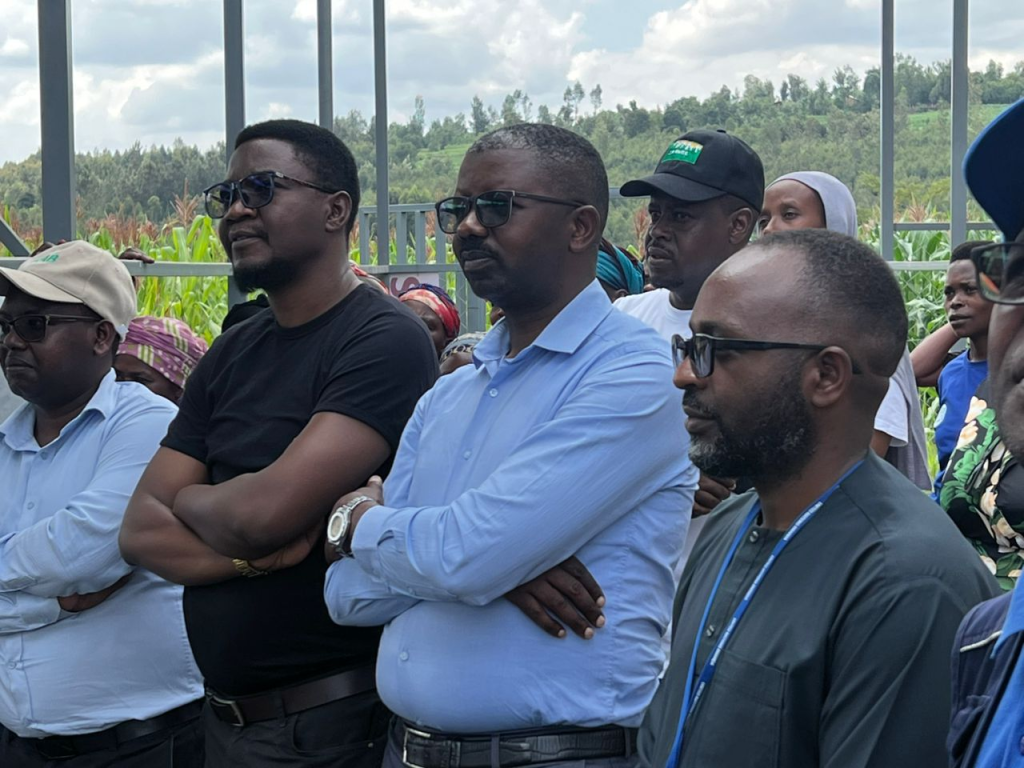
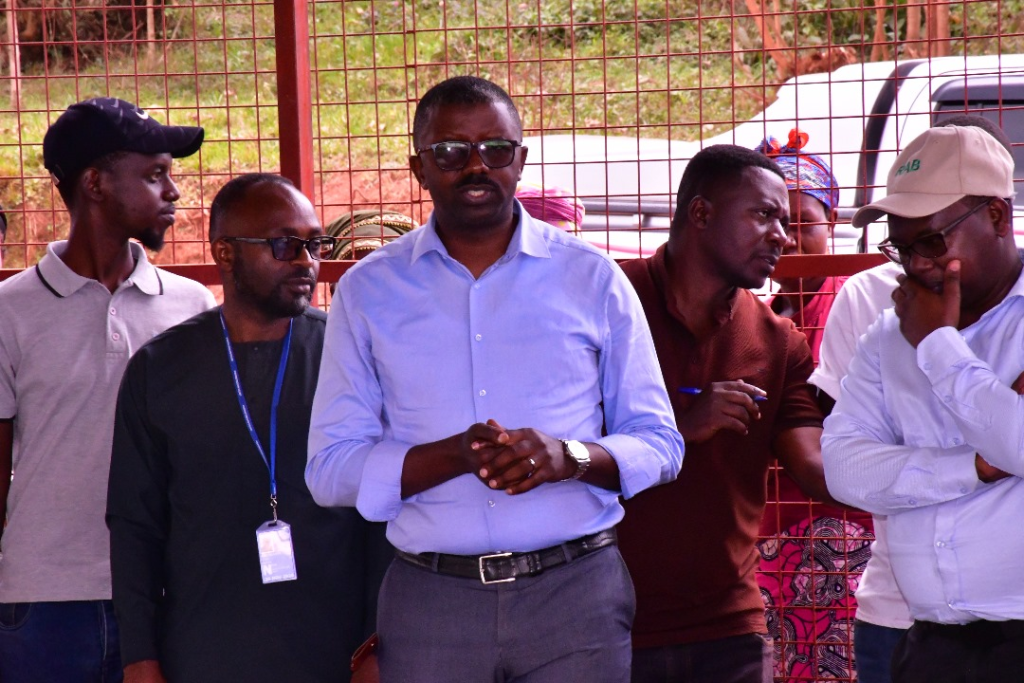
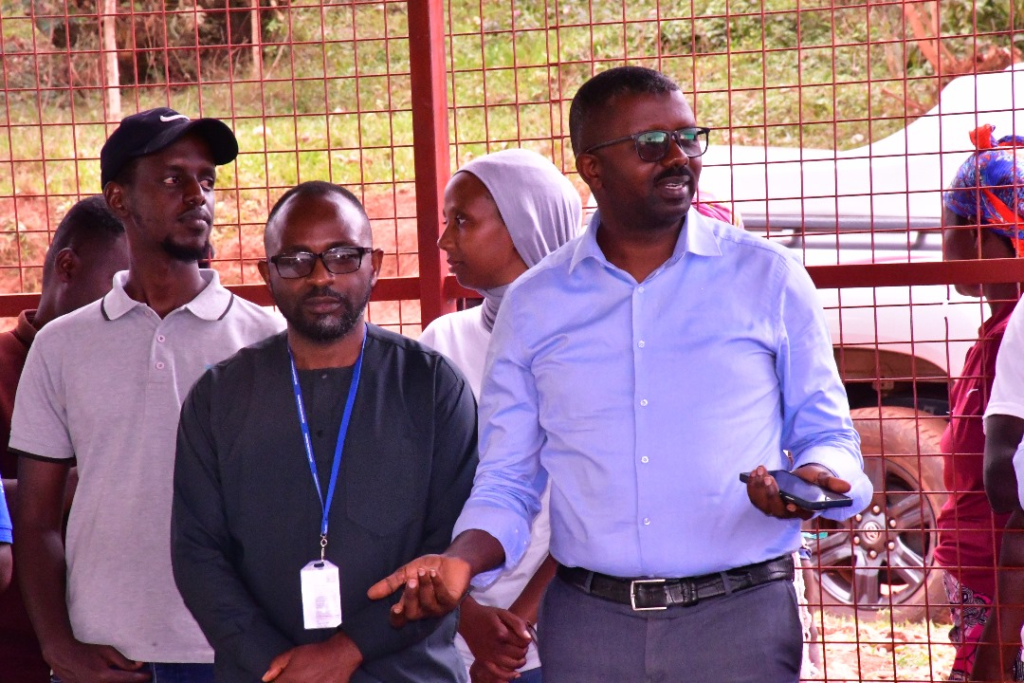
Photo: Habineza Jean Paul, Vice Mayor of Gisagara District in charge of Economic Development, Silas Ngayaboshya, who is in charge of Gender Promotion and Women’s Empowerment (MIGEPROF) and others attended the event.
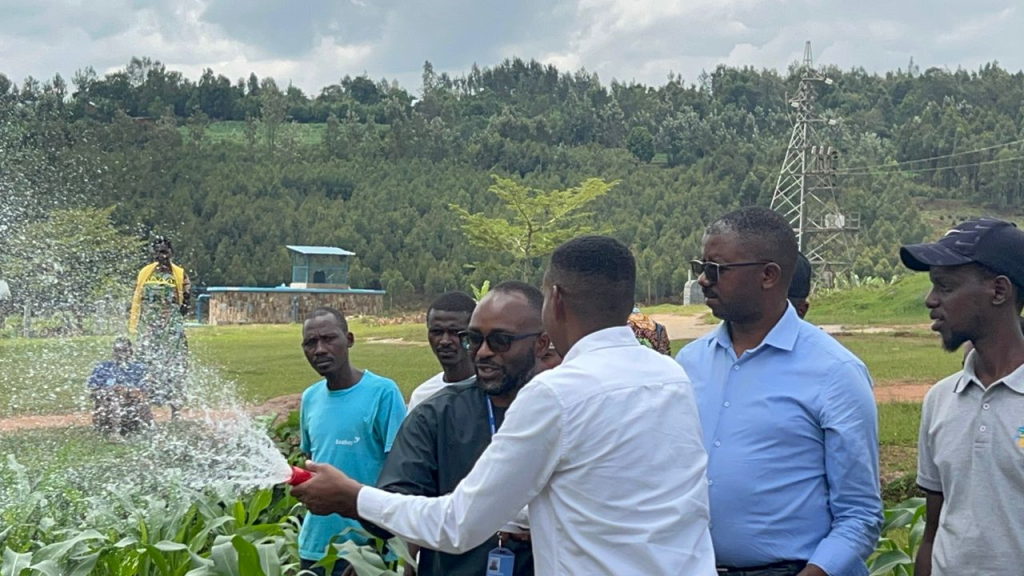
Photo:Gisagara District launches solar-powered irrigation system to boost year-round farming and empower women.
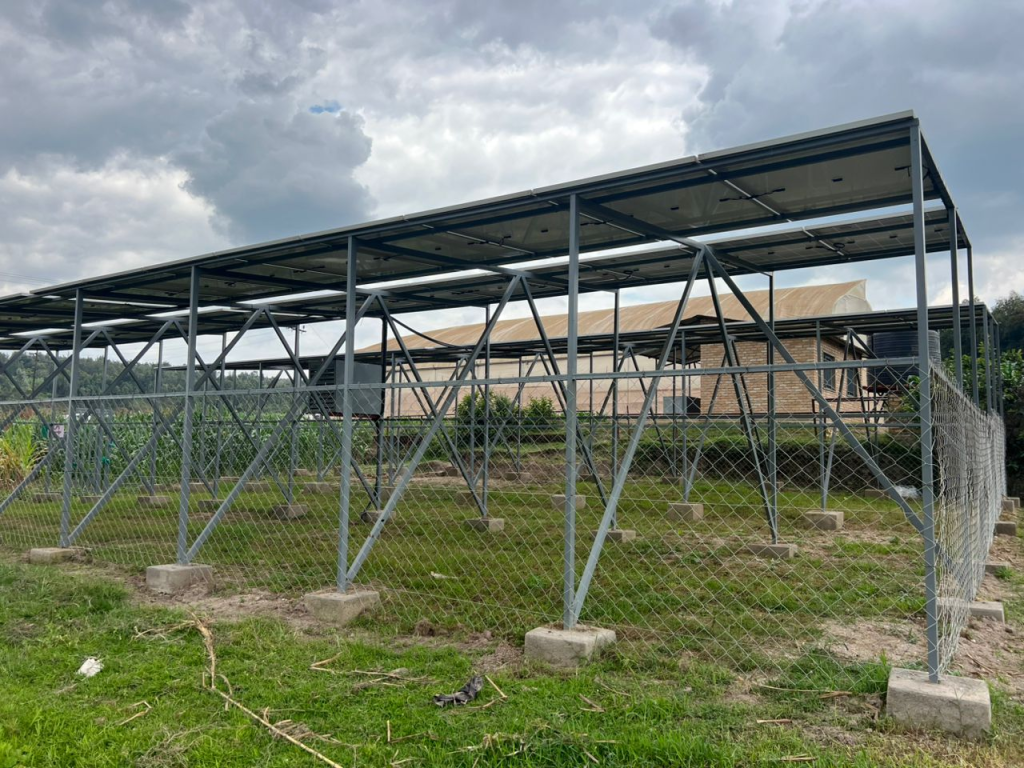
Photo:This irrigation system, powered by solar panels, will boost year-round farming and empower women.

Photo:Solar-Powered Irrigation System Inaugurated in Gisagara-Save will enable Year-Round Farming for Rural Women
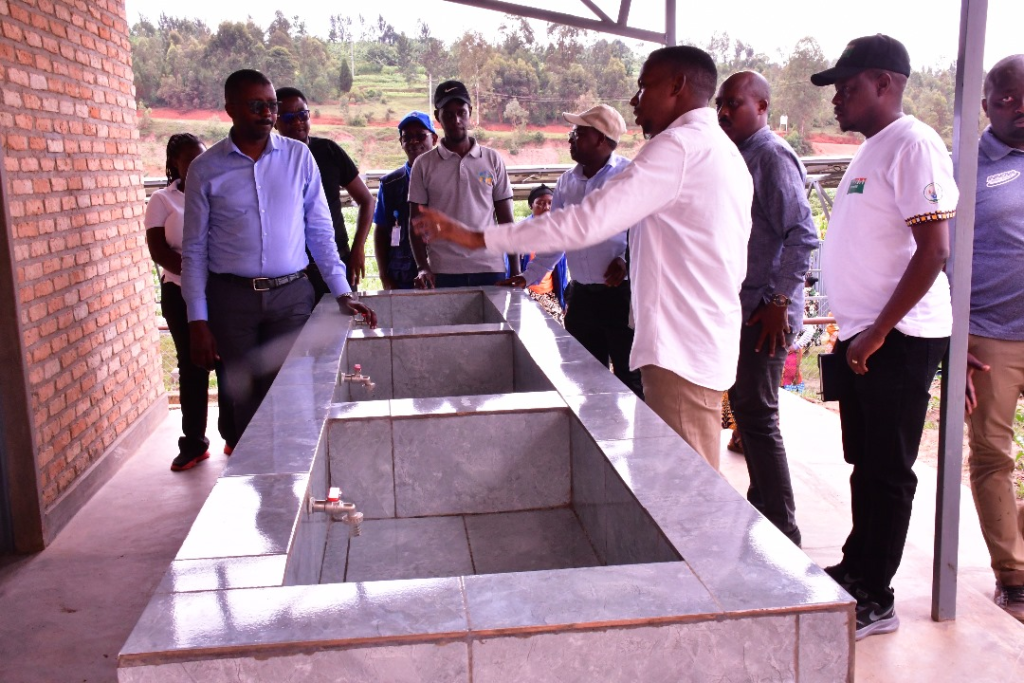
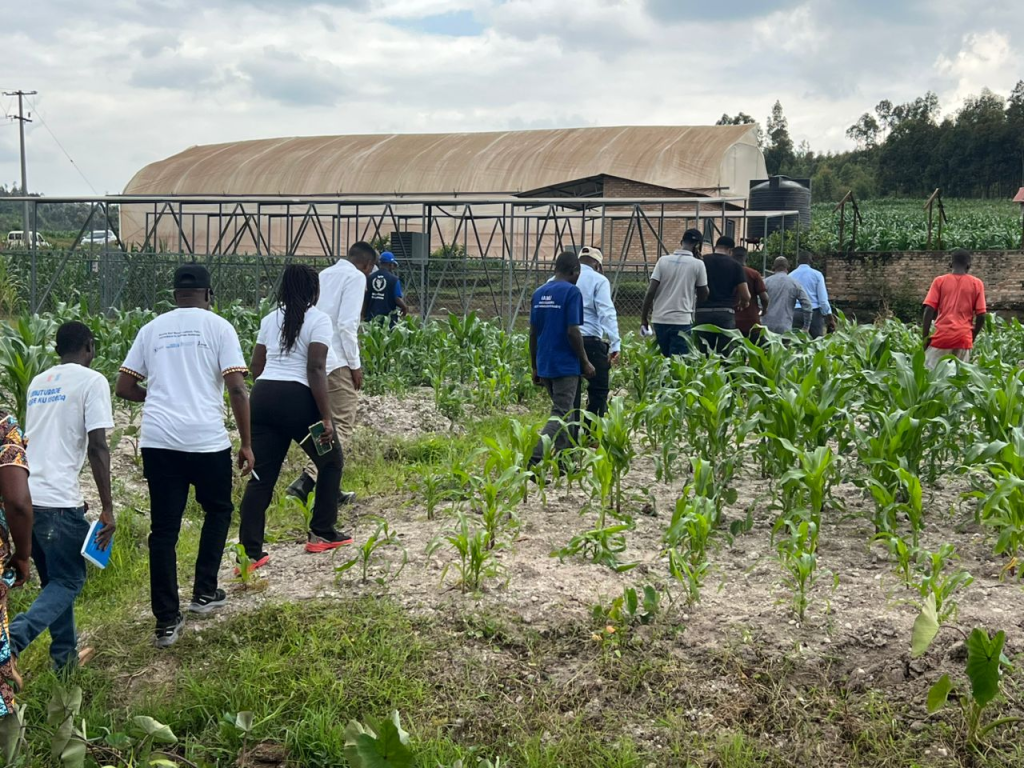
Photo: People had the opportunity to visit the solar-powered irrigation project, seeing firsthand how it will boost year-round farming and empower women.
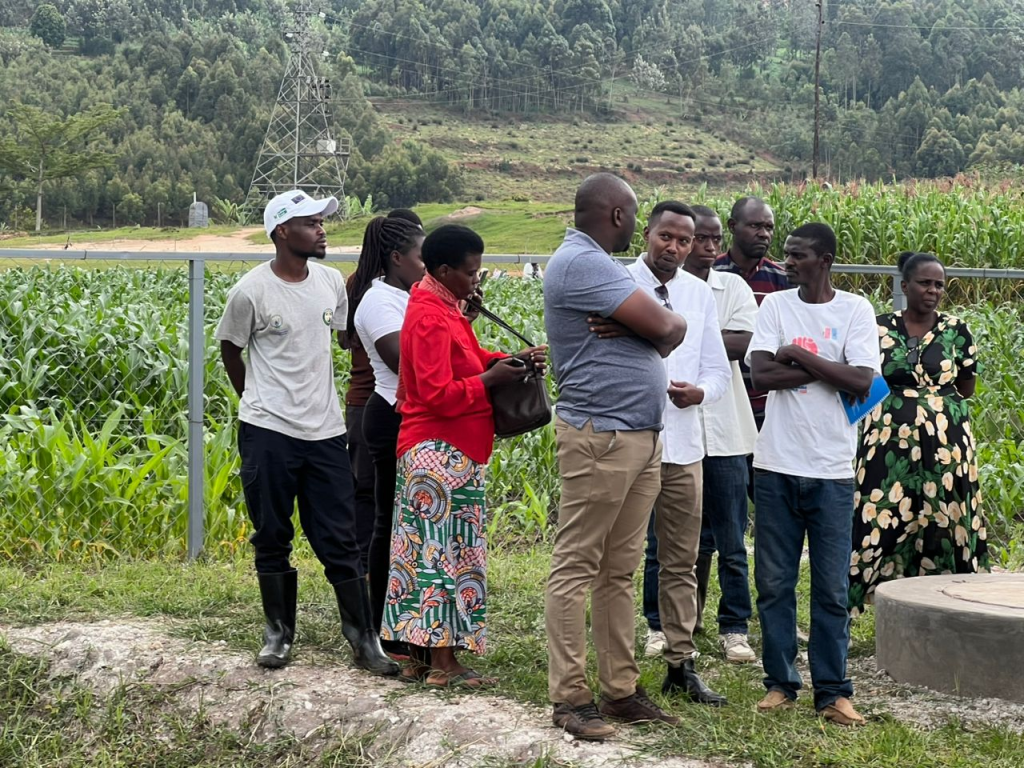
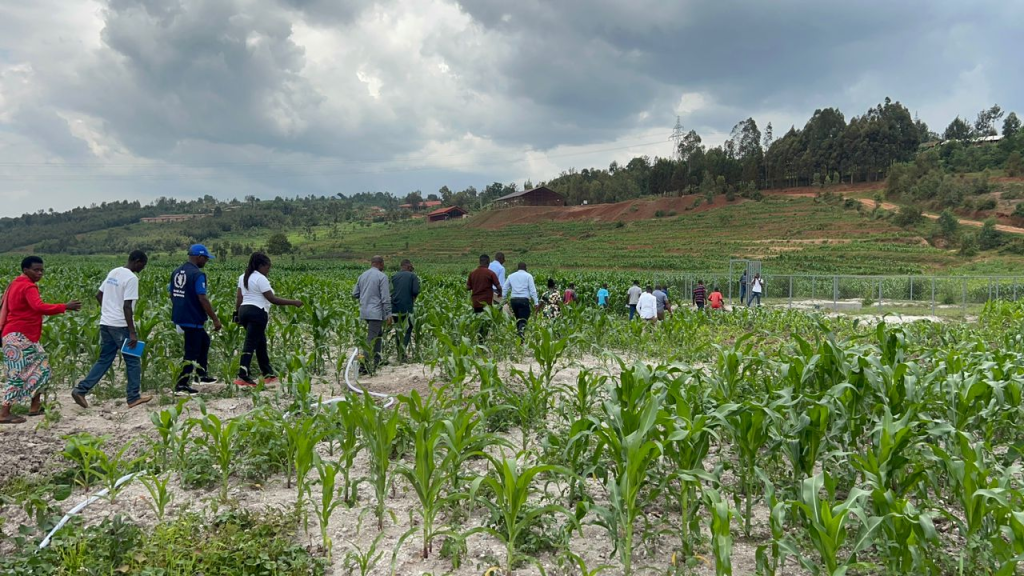
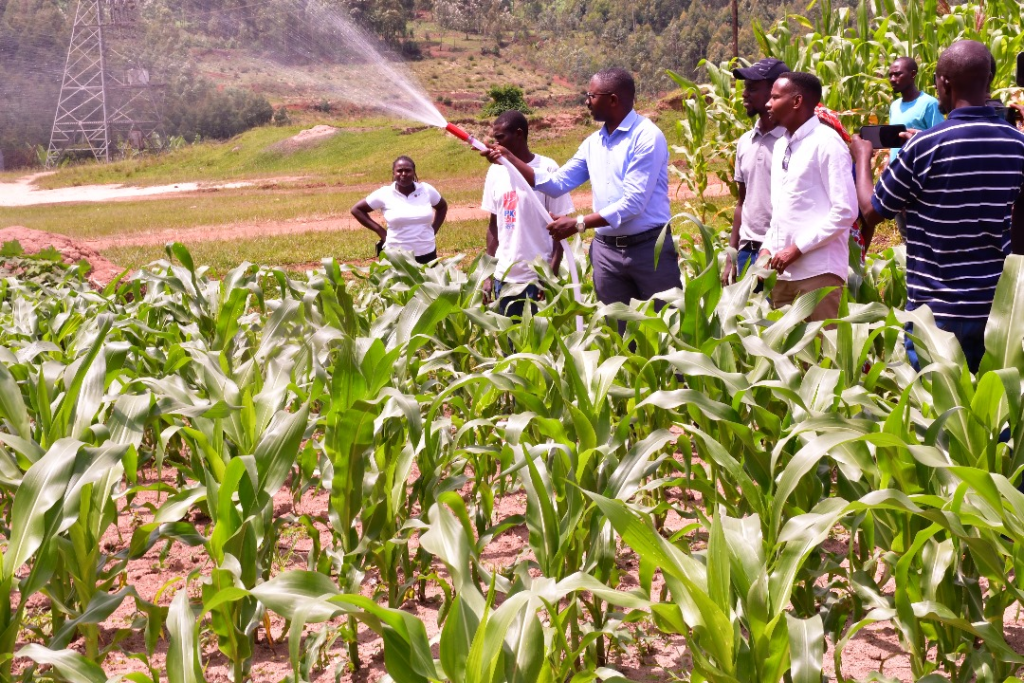
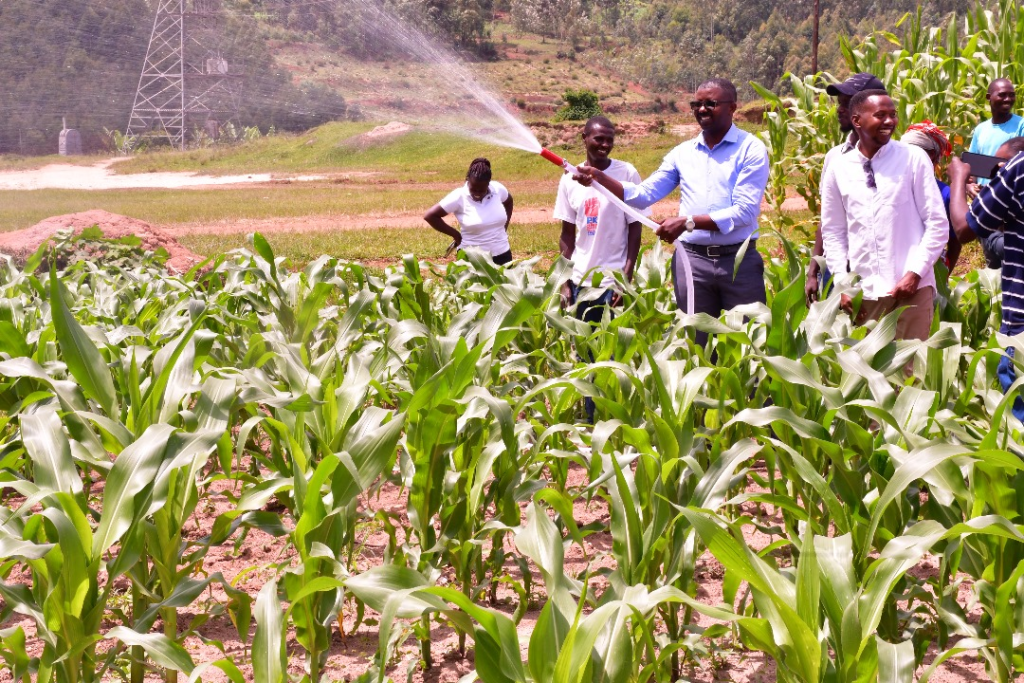
Photo:Visitors tour the maize fields at the solar-powered irrigation project, witnessing how the system will improve crop yields and support farmers.
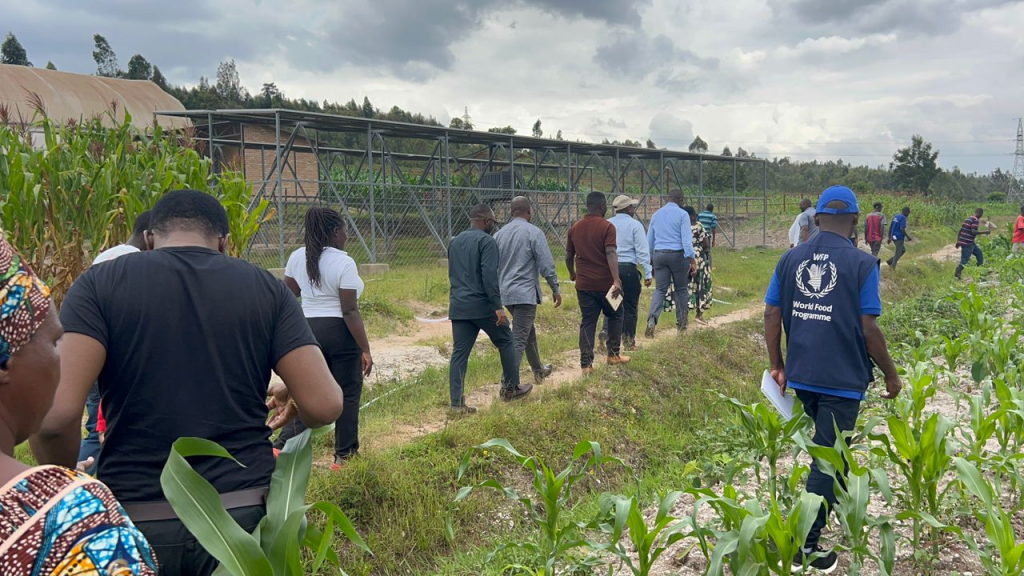
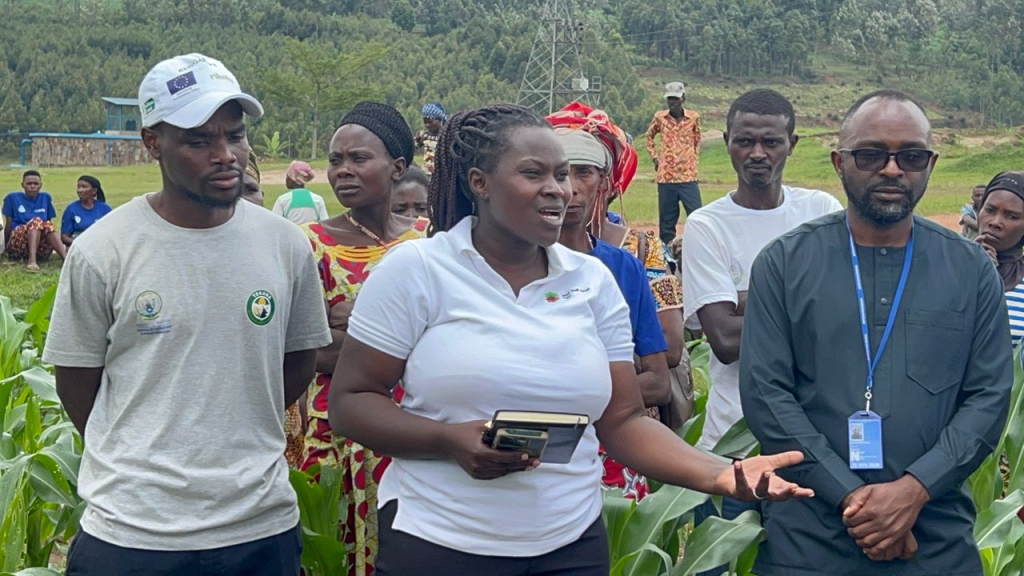
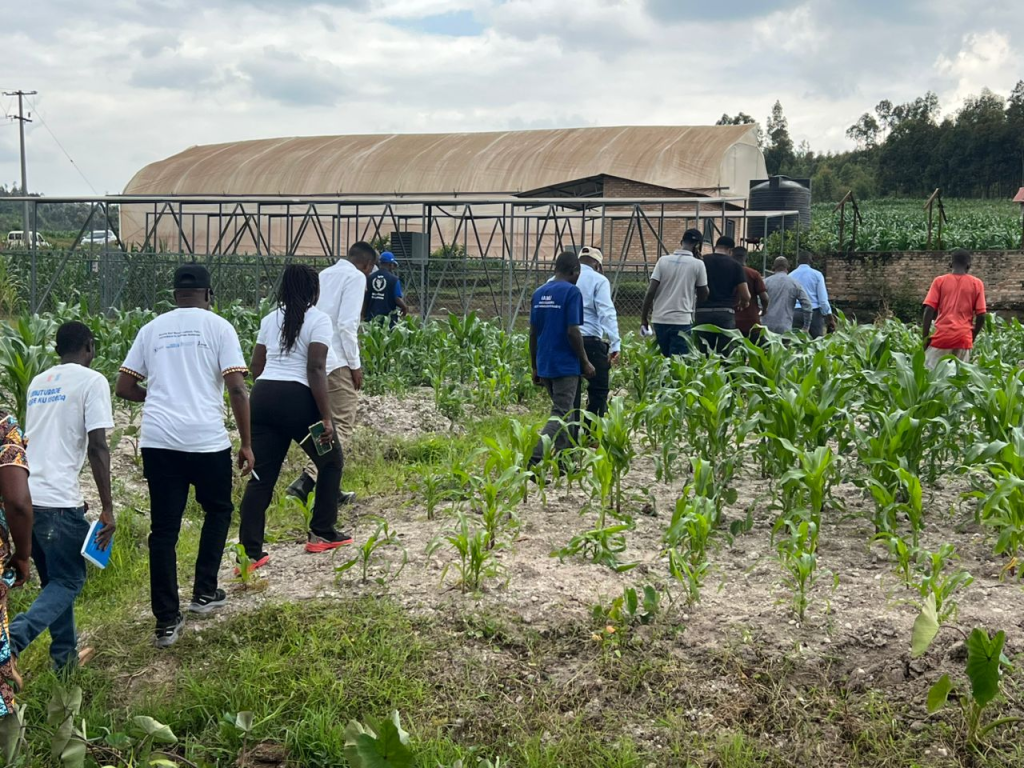
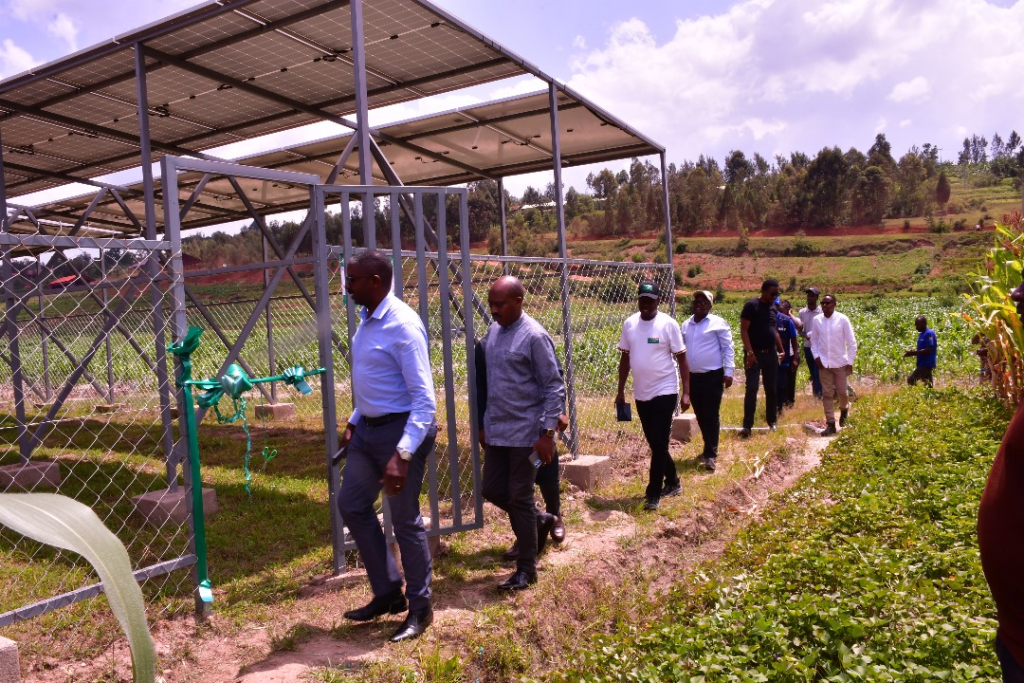
Photo:Officials and community members attended the event, exploring the solar panels at the irrigation project and learning how solar energy will power year-round farming and boost productivity.

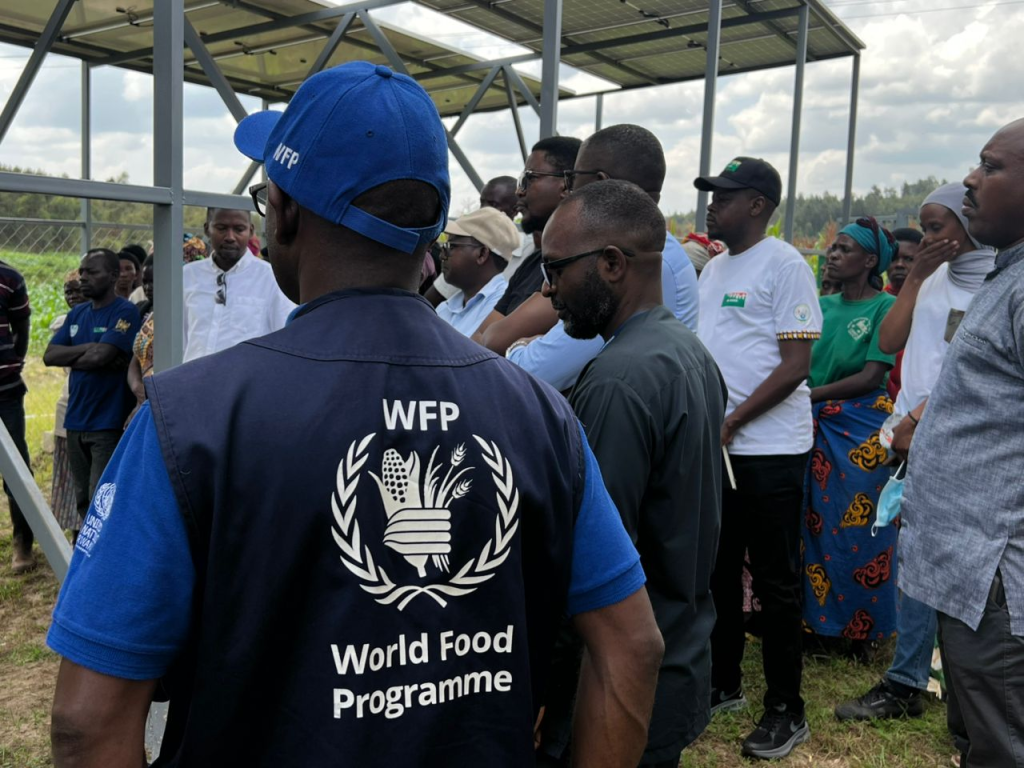
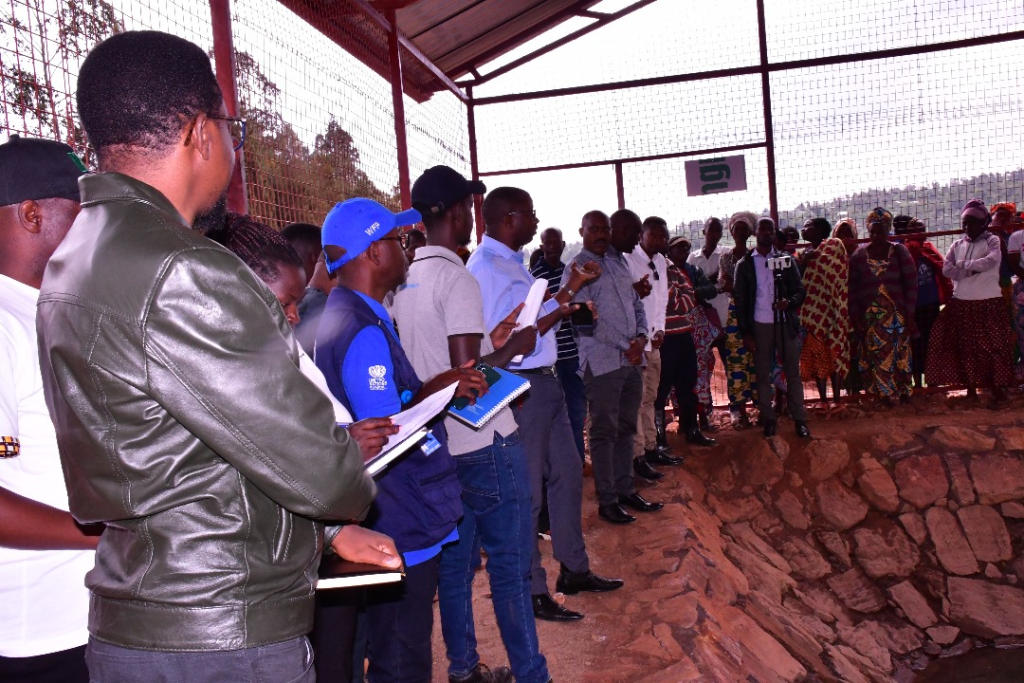
Photo:Officials, farmers, and a representative from WFP were present to showcase the solar-powered irrigation project, highlighting how it will boost year-round farming and empower women.
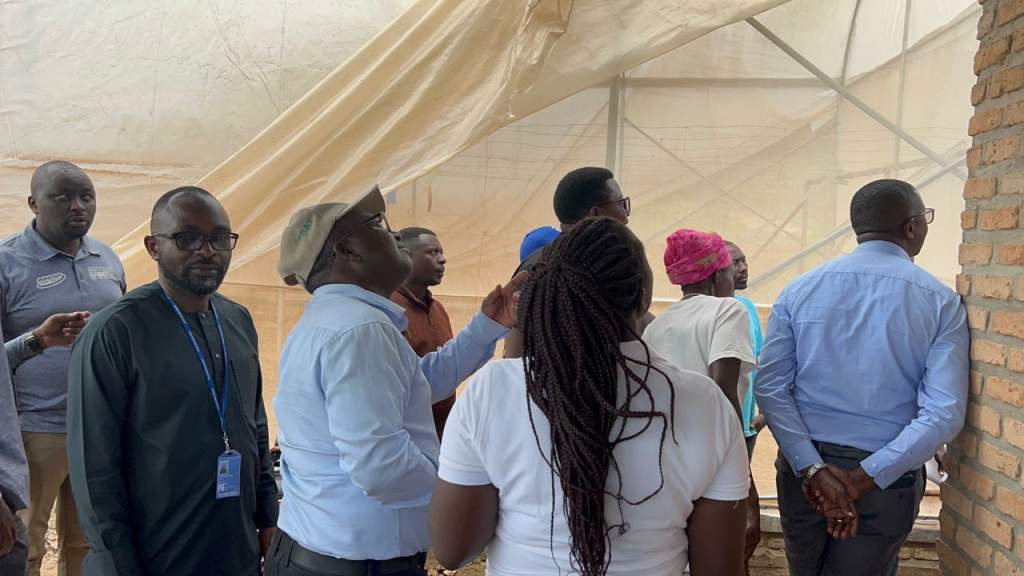
Photo:The newly launched vegetables storage room, will be powered by zero-energy technology and help farmers preserve their produce and maintain quality before reaching the market.
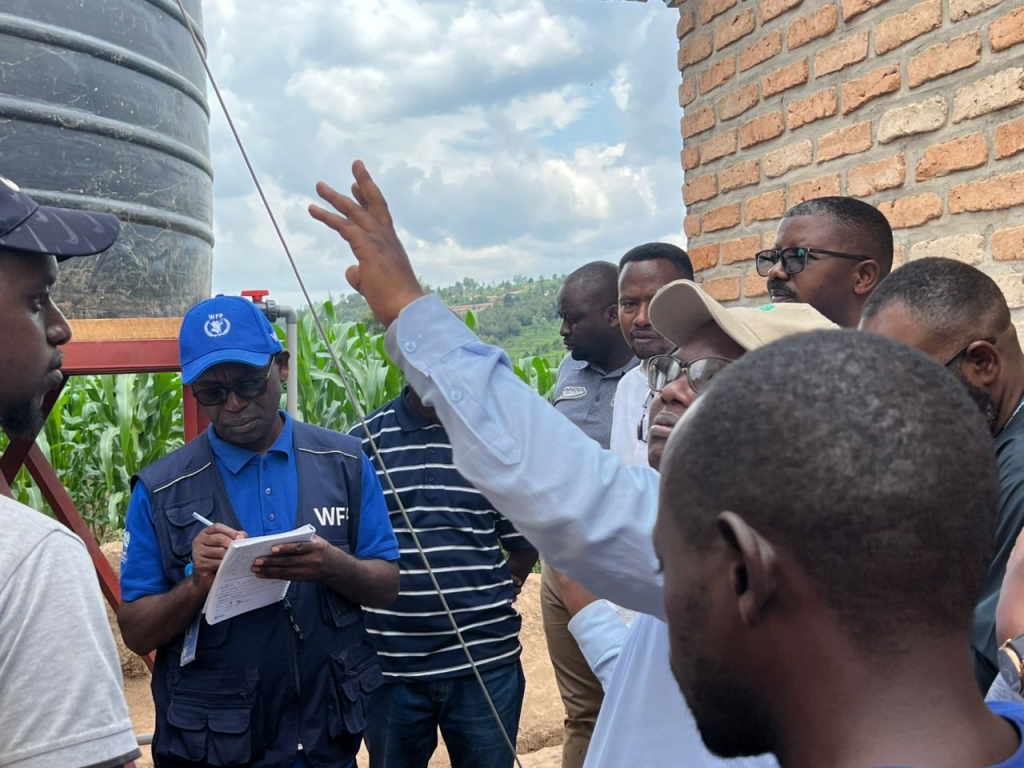
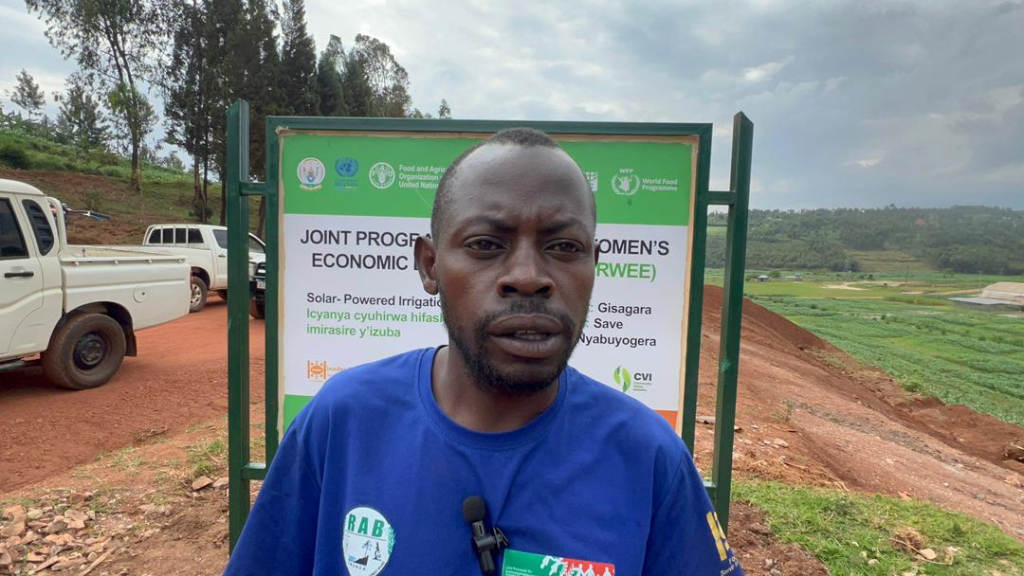
Photo:Rukundo Jean De Dieu, President of Inkingi z’Iterambere Cooperative, showcases the new solar-powered irrigation system set to boost year-round maize production.
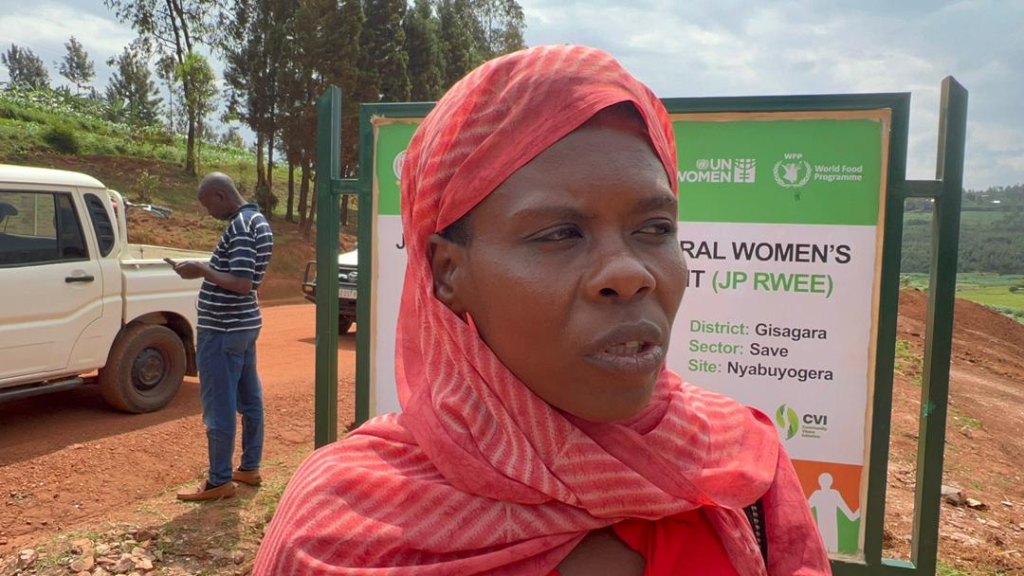
Photo:Uwamahoro Charlotte, a farmer in Nyabuyogera Marshland, says the new solar-powered irrigation system will ease farming and boost yields for women
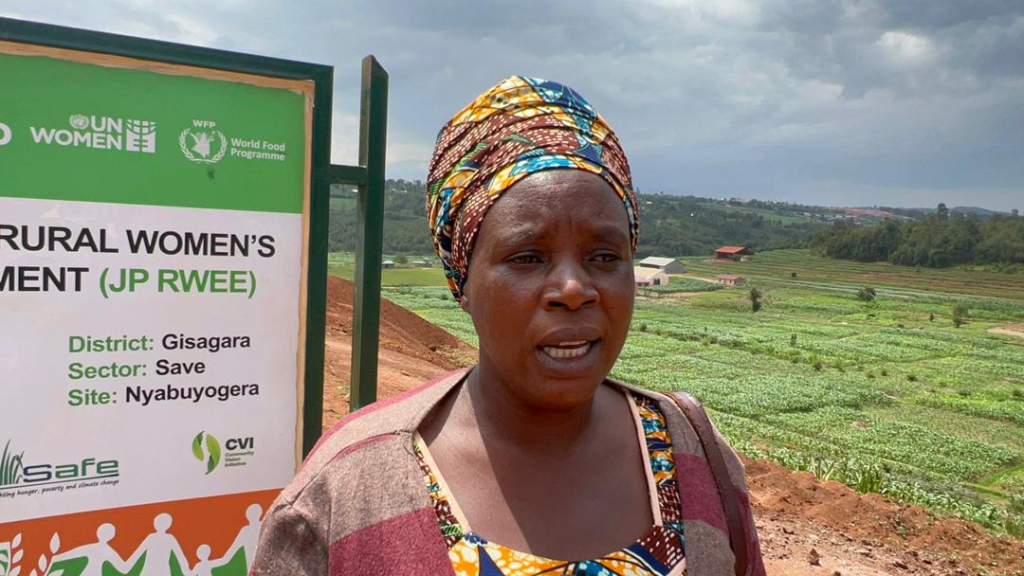
Photo:Mukagatsimbanyi Claudine highlights the new solar-powered irrigation system set to boost yields and protect crops from drought
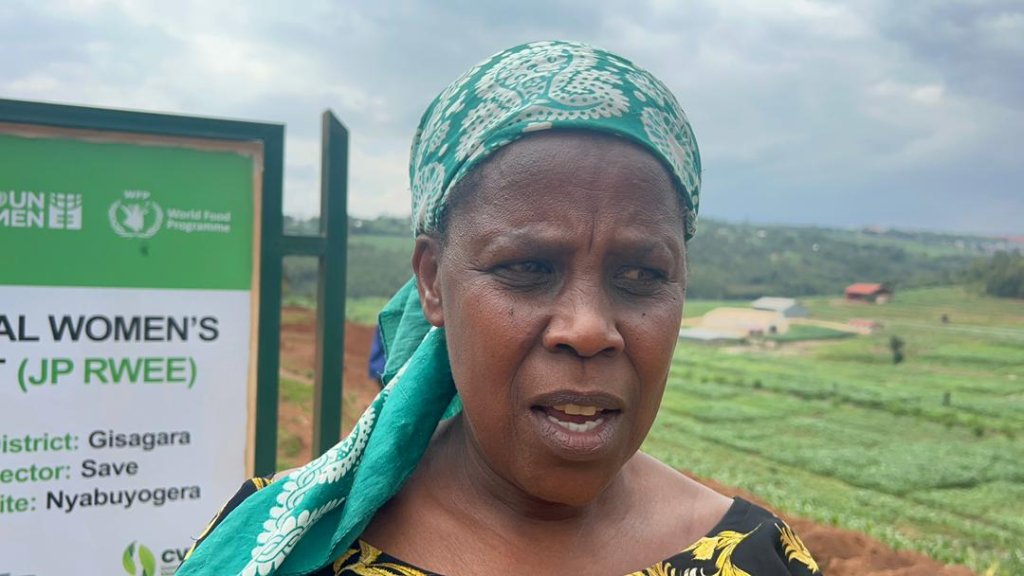
Photo:Mukamana Beletilde believes the solar-powered irrigation system will boost crop production and empower women farmers

Photo:Munyeshyaka Claude Jimmy of RWARRI explains how the new solar-powered irrigation system will efficiently water 10 hectares, support year-round farming, and promote women’s agricultural development in Nyabuyogera.
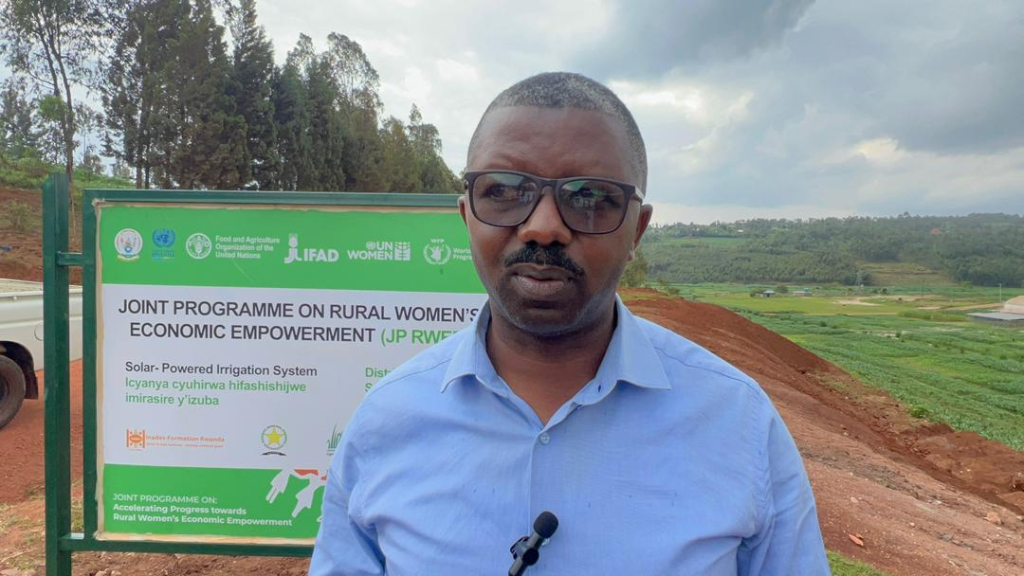
Photo: Gisagara Vice Mayor Habineza Jean Paul emphasizes that the new irrigation project will strengthen the local economy and significantly raise maize yields

Photo:Silas Ngayaboshya of MIGEPROF says the project will boost women’s economic growth and help tackle malnutrition and food shortages.
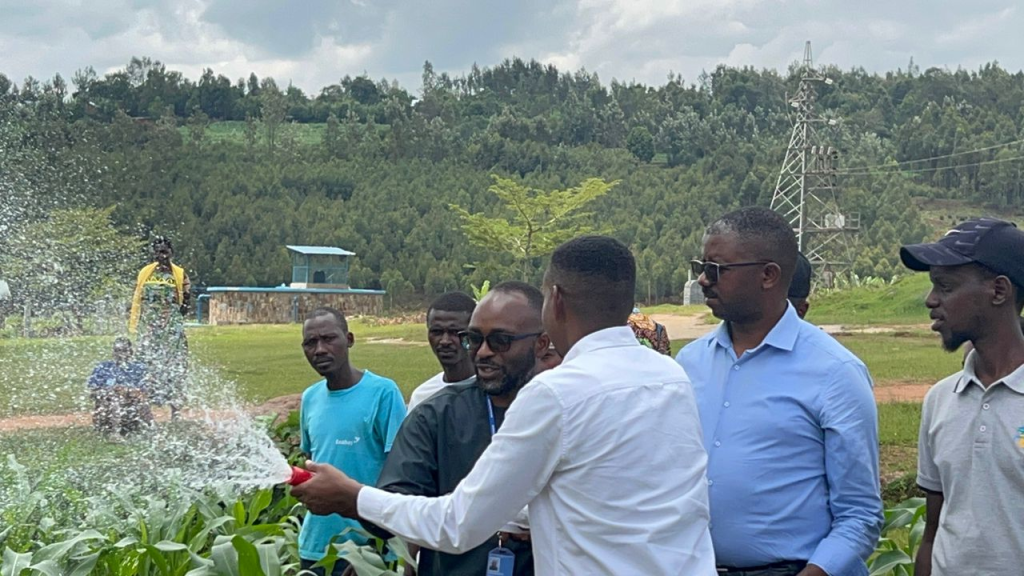
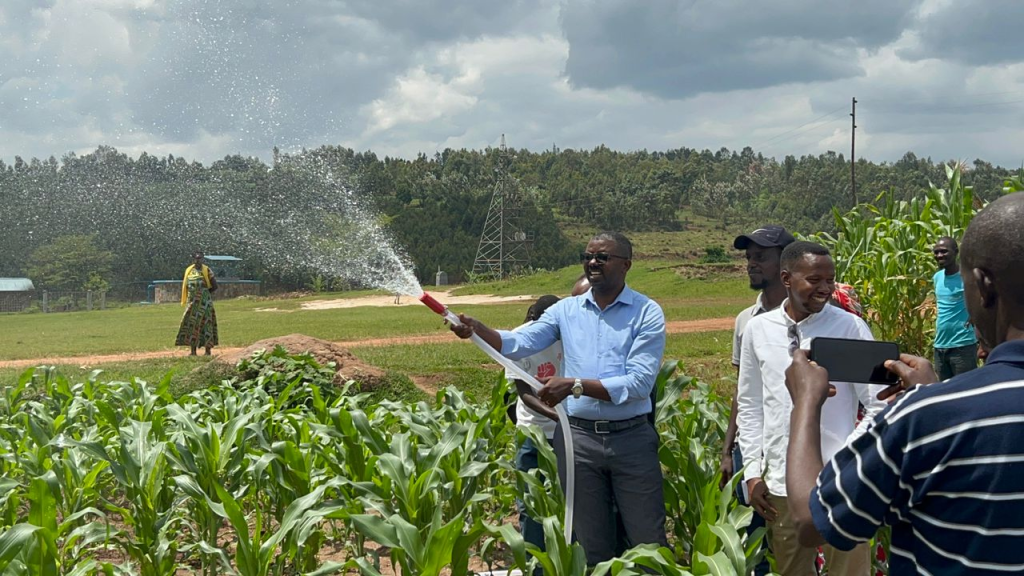
Photo:It was truly amazing to inaugurate the solar-powered irrigation project and the vegetables storage room, marking a major step in boosting farming and increasing productivity.
Other photos of the event:
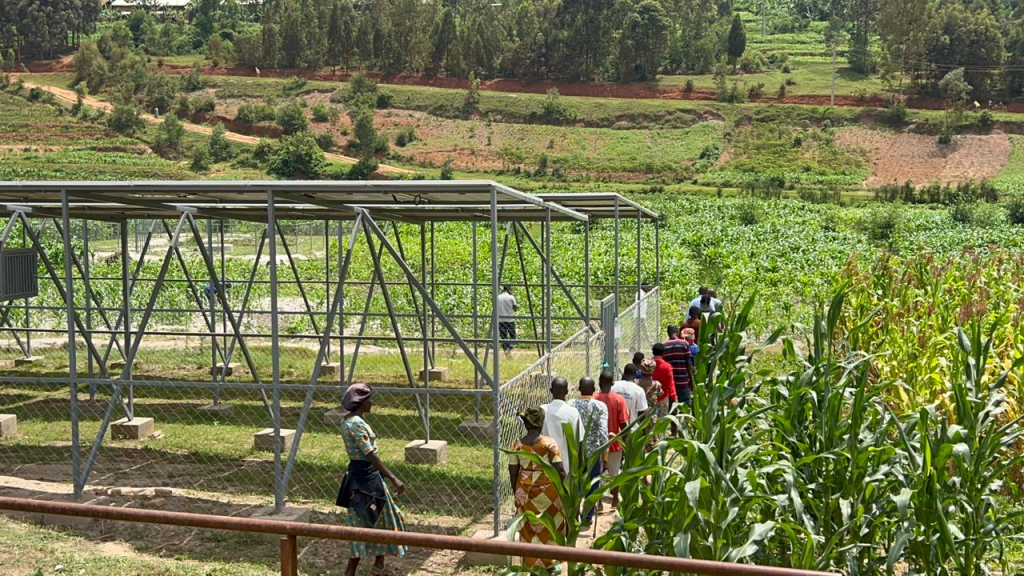
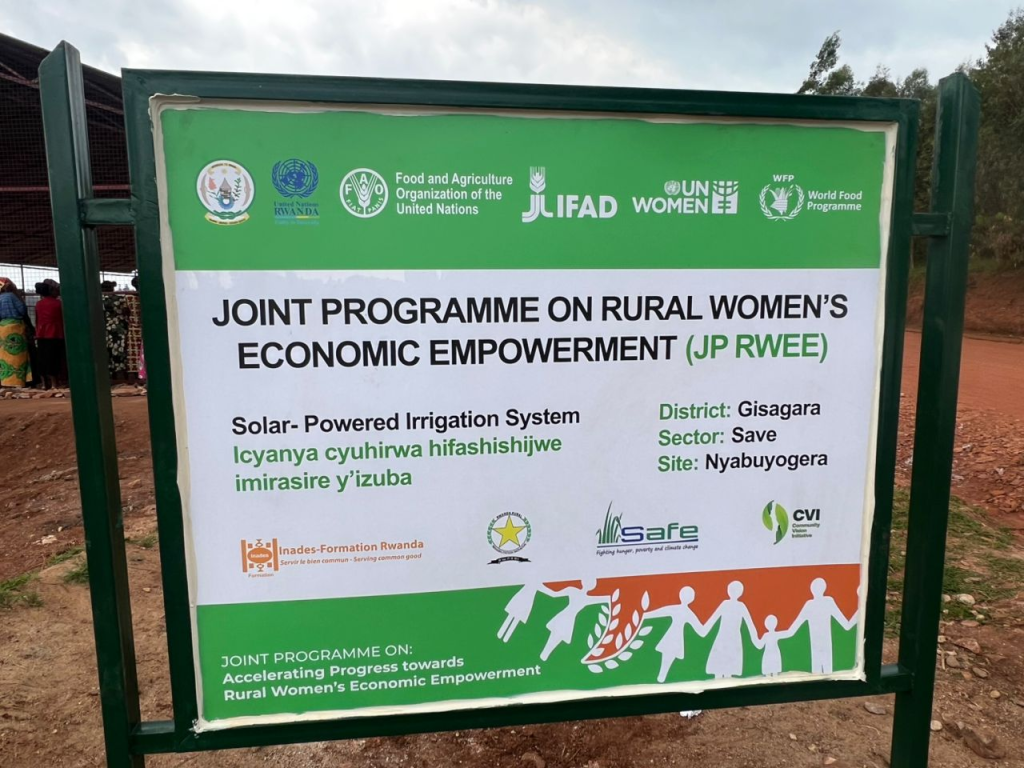
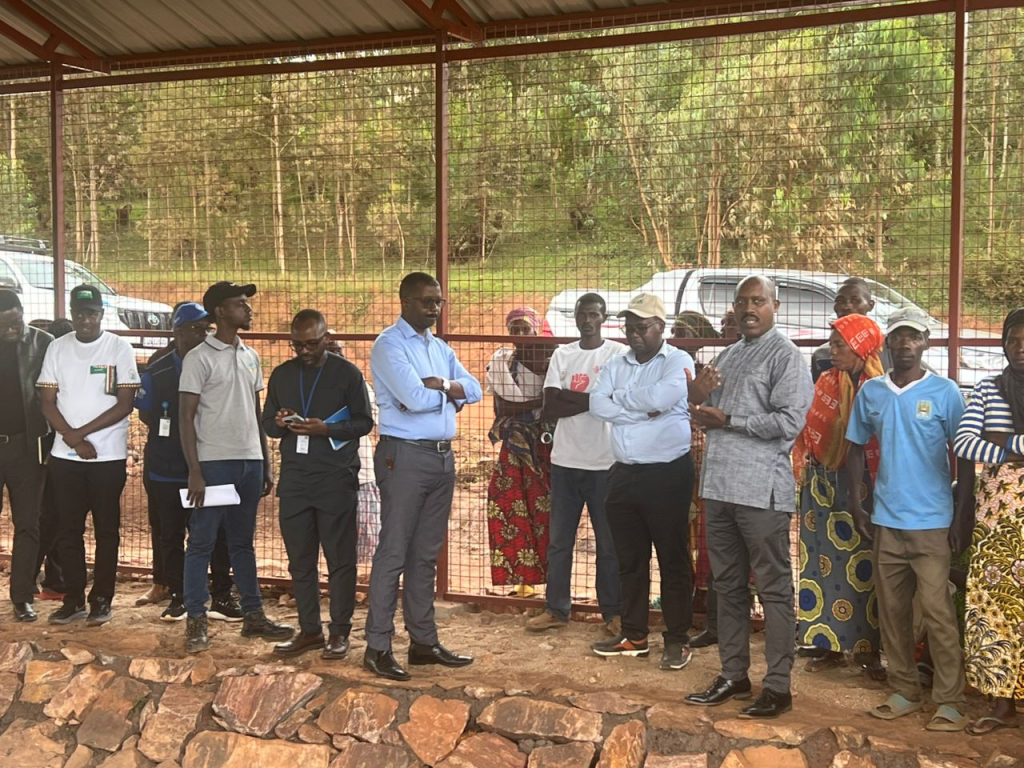
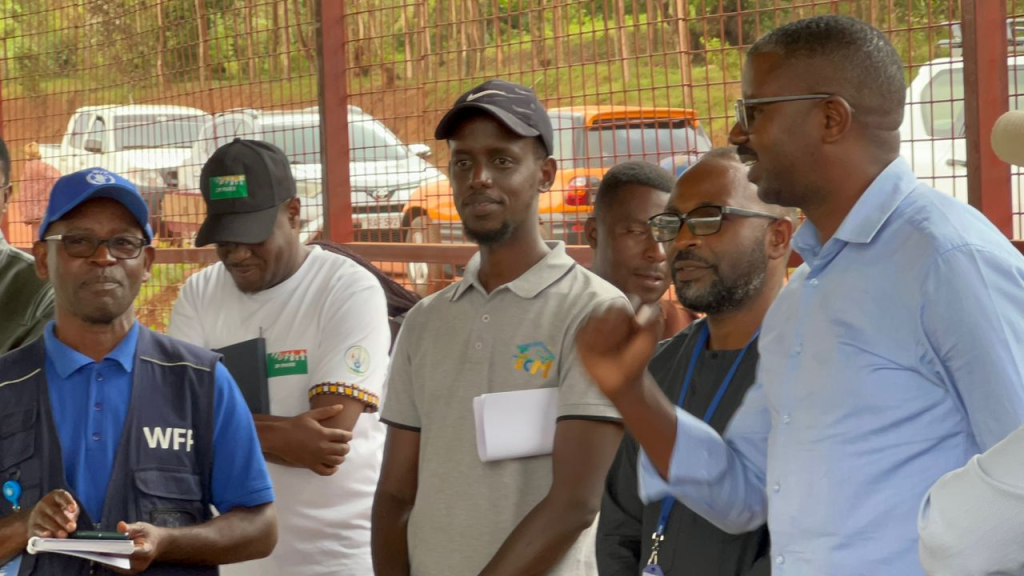

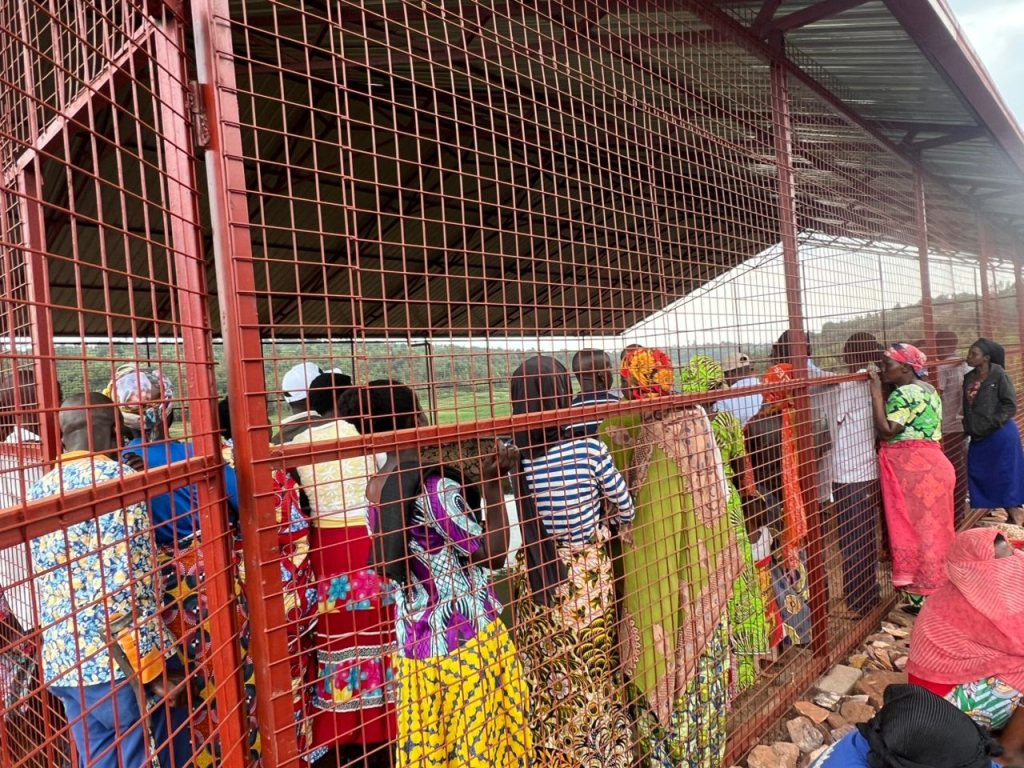
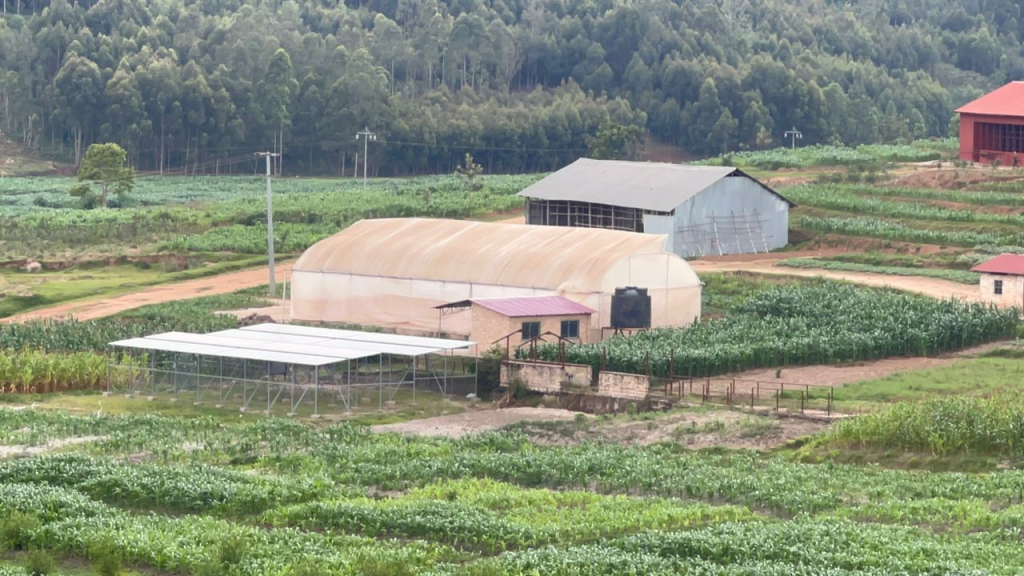
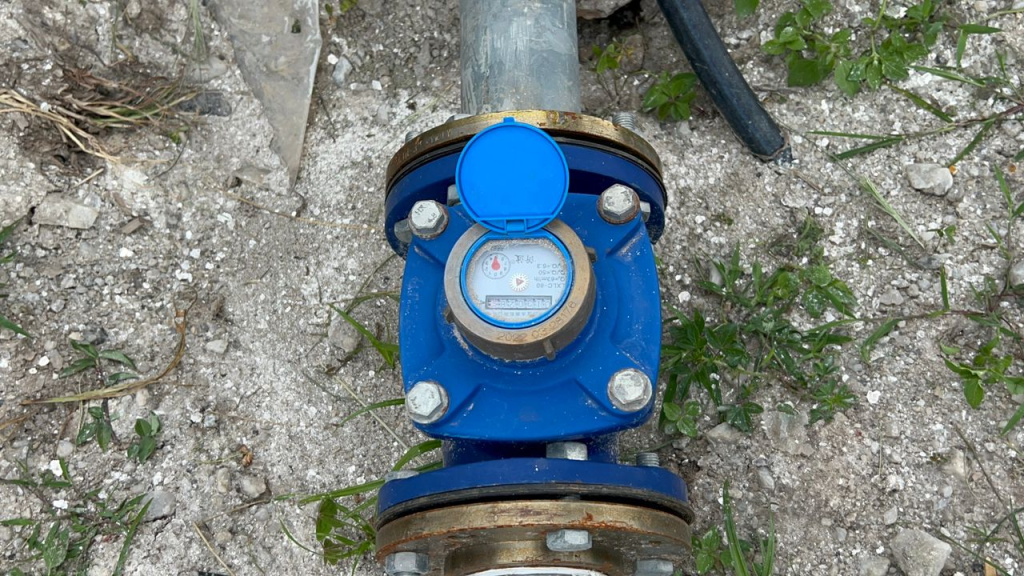
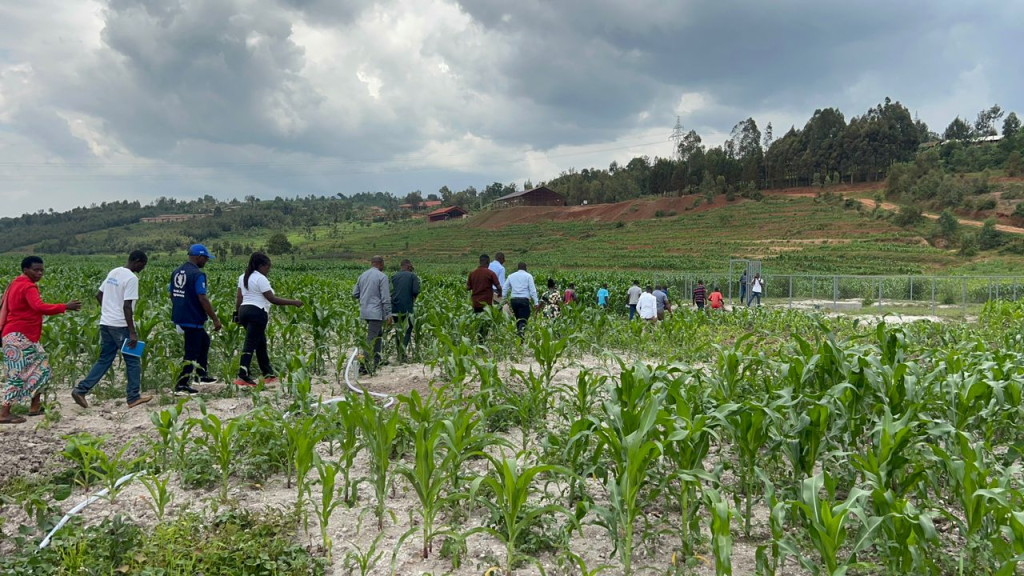
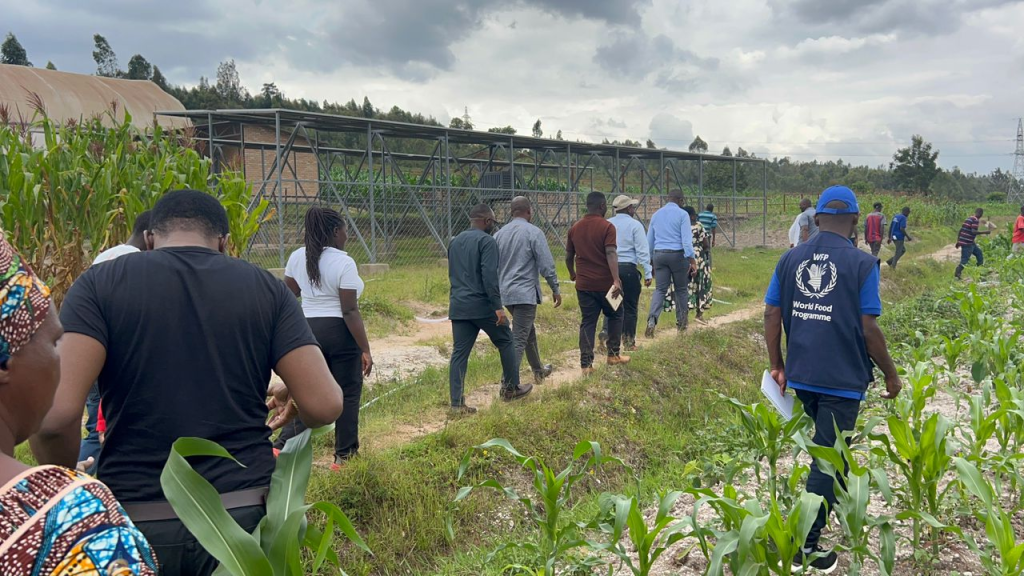
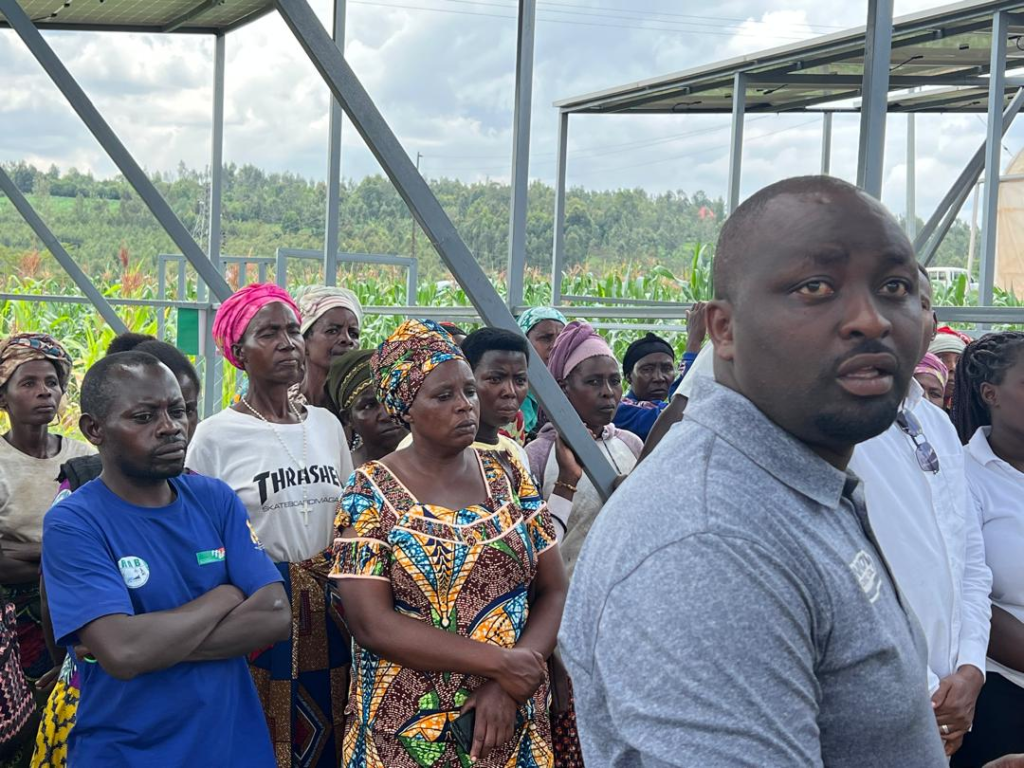
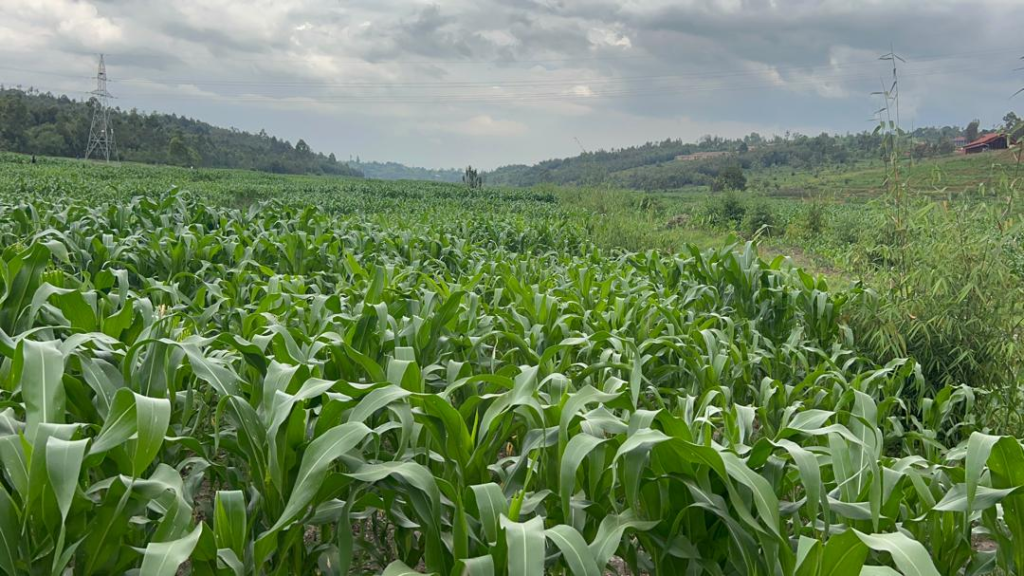
Photo:The Nyabuyogera Marshland, spanning Zivu, Shyanda, Gatoki, Munazi, and part of Musha Sector, now hosts a solar-powered irrigation system expected to significantly boost agricultural productivity.
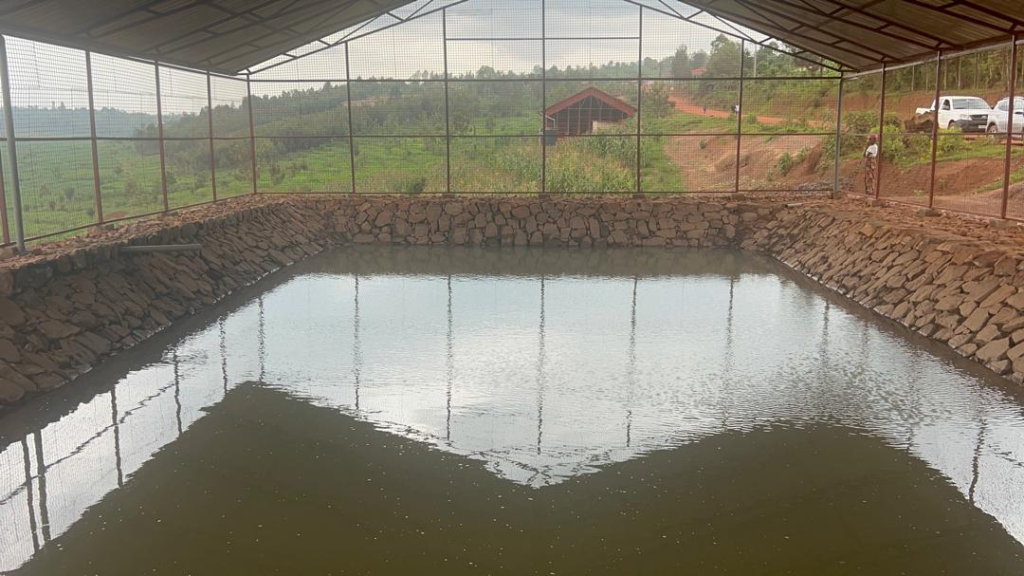
Photo:The project features a 500-cubic-meter dam on a hillside, constructed with clay and stones, serving as the main water reservoir for irrigation.
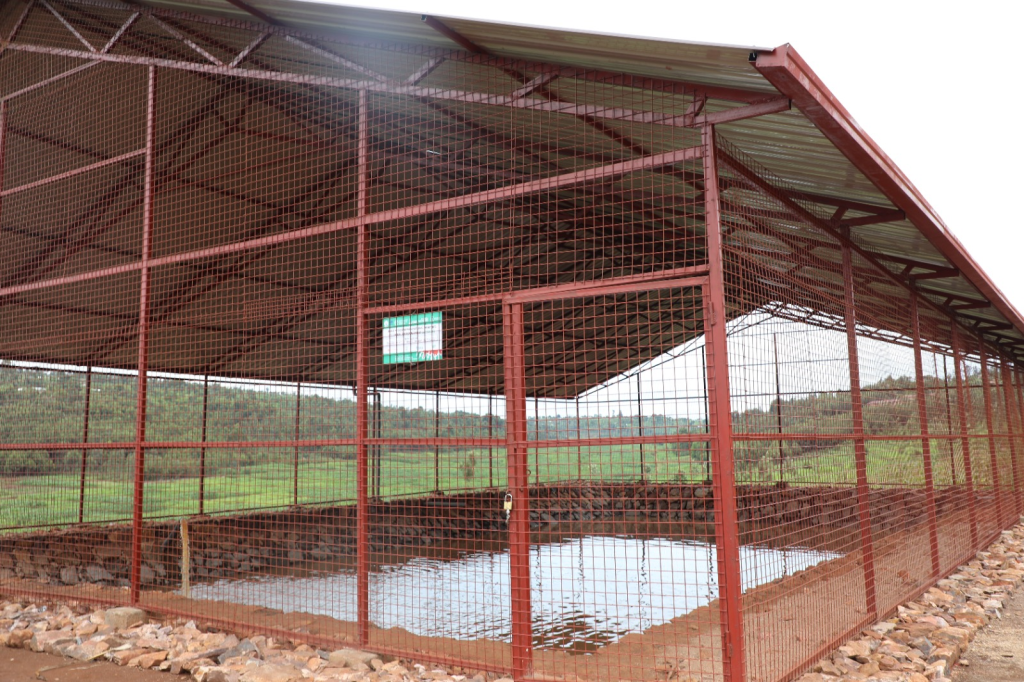
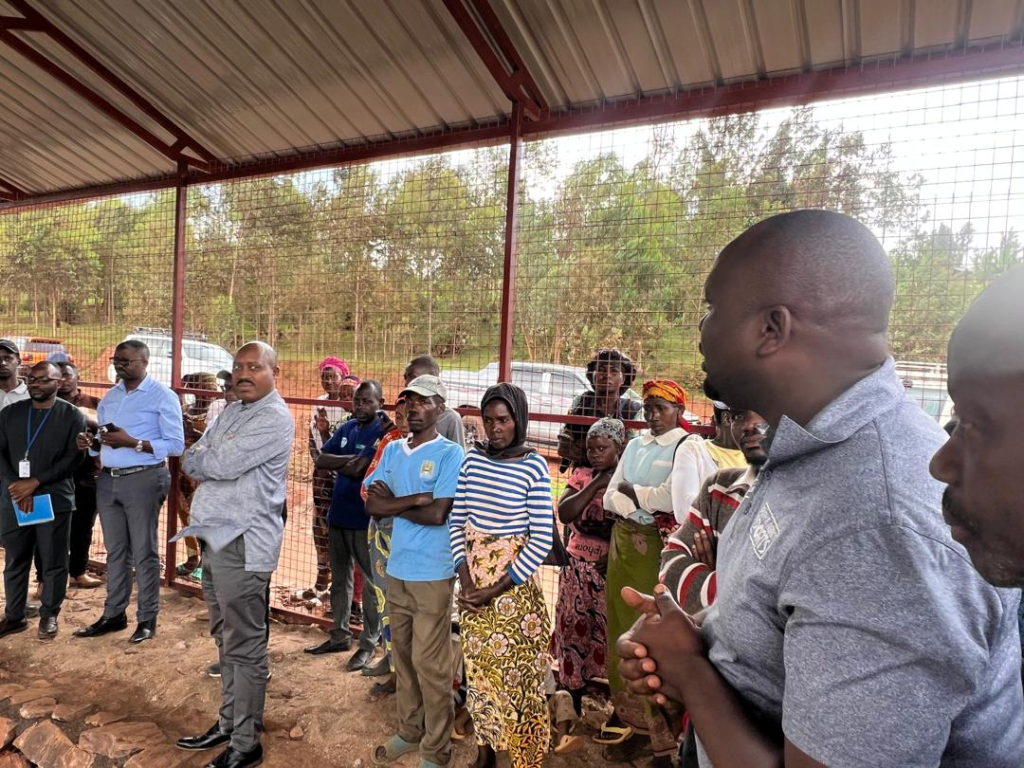
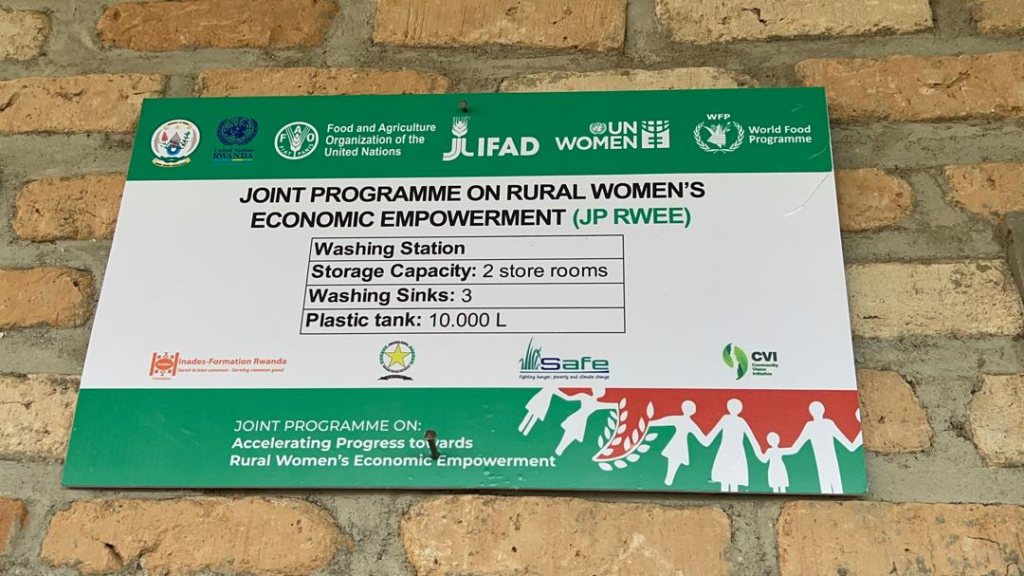
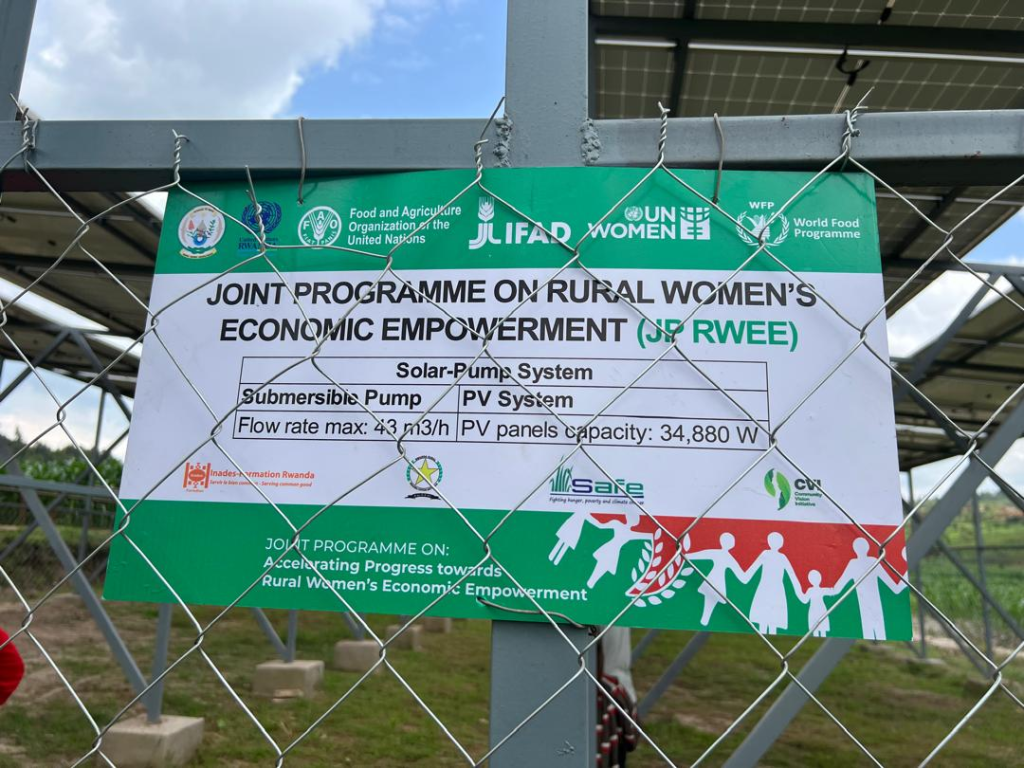
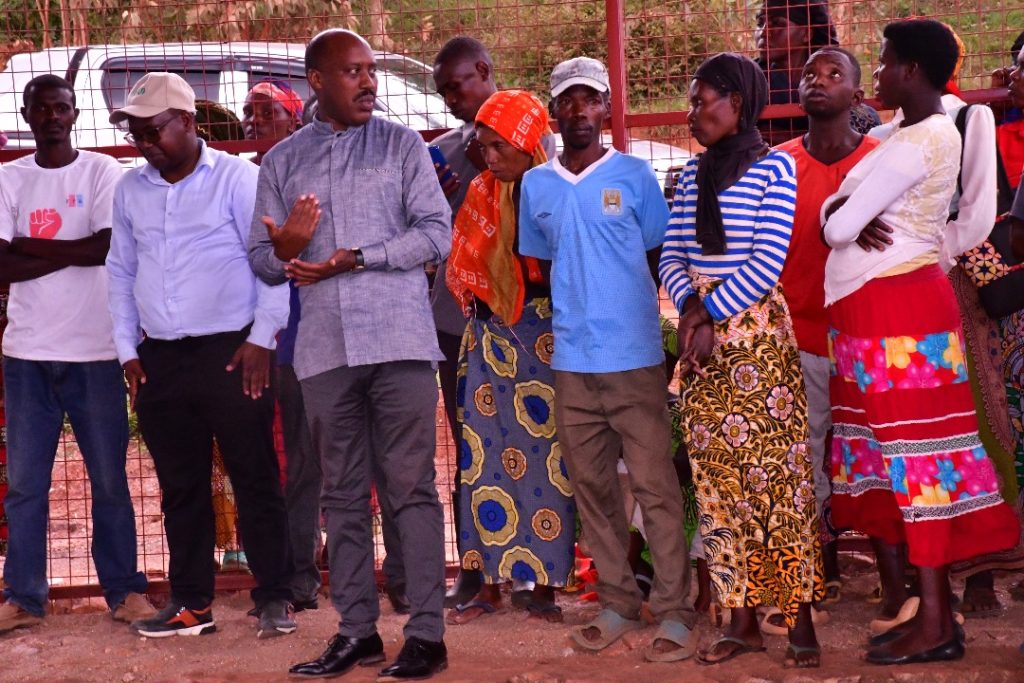
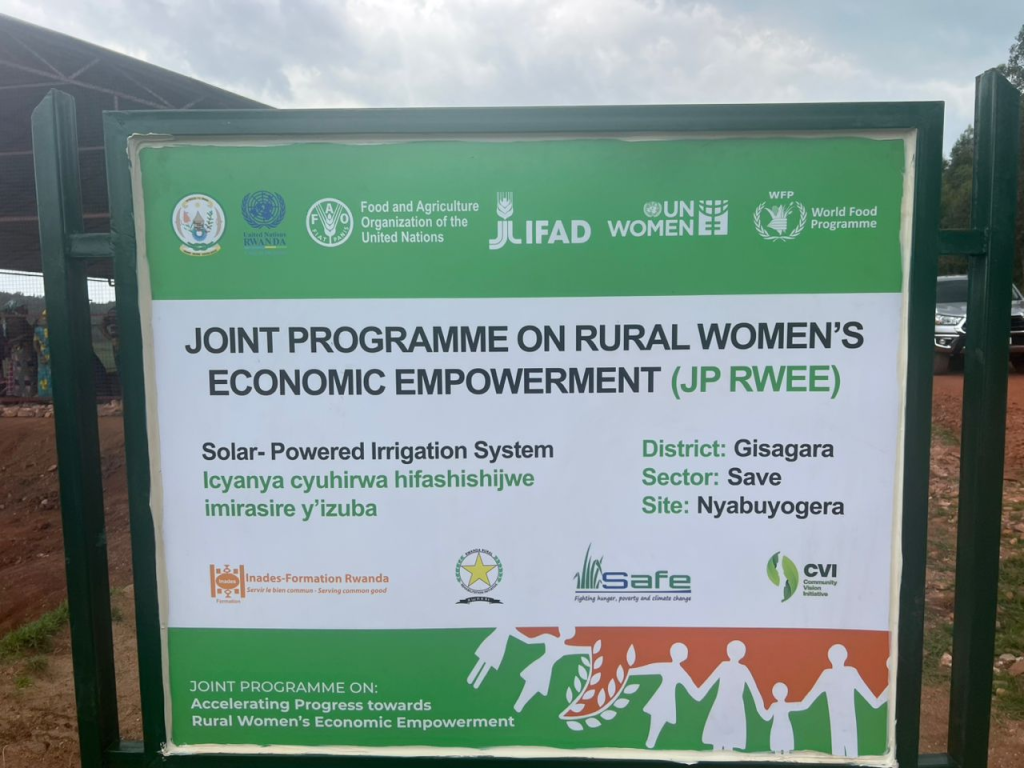
Photo:The newly inaugurated solar-powered irrigation project introduces modern irrigation technology to the Nyabuyogera Marshland, providing consistent water supply and boosting agricultural productivity for local farmers.