 0
0
 0
0
By Annonciata Byukusenge
Maize farmers across Rwanda are breathing a sigh of relief following the unveiling of a new, enhanced maize variety known as genetically modified (GM) TELA maize. This “super seed” is designed to withstand the devastating Fall Armyworm and endure the unpredictable shifts of climate change, promising a future of food security and increased yields.
The long struggle since 2016
Since the fall armyworm first invaded Rwanda in 2016, maize production has been in a steady decline. In 2024, The Forefront Magazine spoke with farmers nationwide who expressed deep frustration. Their traditional seeds simply couldn’t stand up to the dual threats of aggressive pests and erratic weather patterns.
“Women are now playing a vital role in agriculture, contributing to current national efforts towards improving maize production. Unfortunately, the maize stalk borer (locally known as Nkongwa) is a challenge for maize farmers, and we fall into many losses many times,’’ said Immaculée Mukamana, from Huye district.
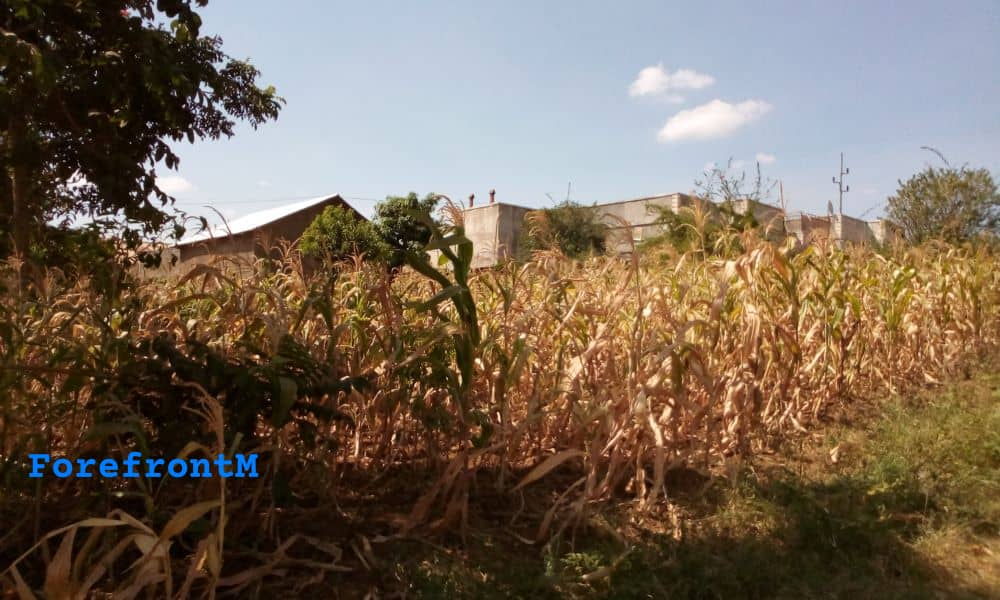
In Eastern Rwanda, we have a problem of drought caused by climate change, as the dry season lasts longer than normal. We need seeds that can resist drought and the impacts of climate change, as the seasons have already changed. Said Théogène Habamensh, from the Gatsibo district.
Innovation at RAB
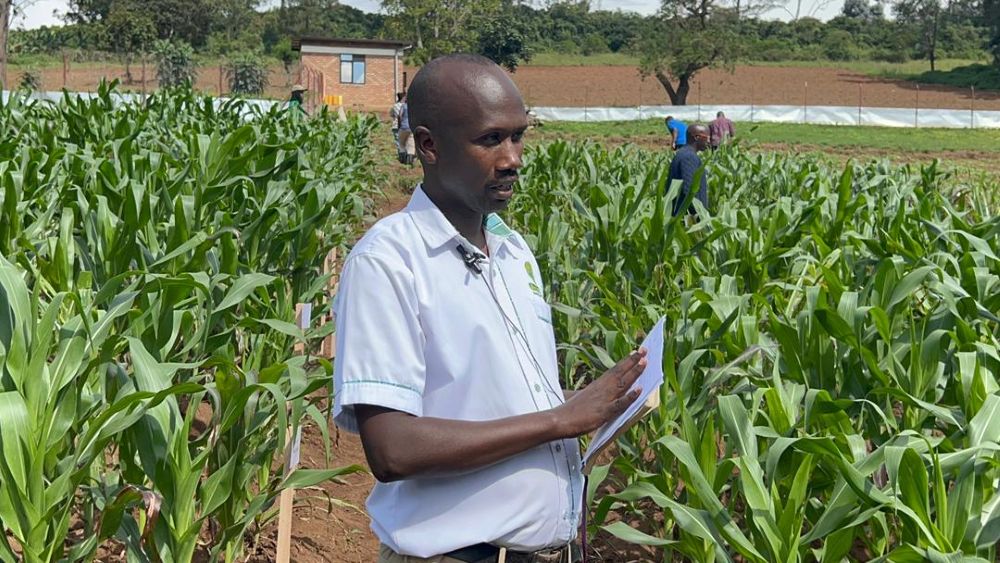
On March 26, 2026, the Rwanda Agriculture and Animal Resources Development Board (RAB) officially presented a new genetically enhanced TELA maize variety to farmers, seed breeders, and traders. Developed by RAB’s biotechnology department, this seed is the result of intensive research aimed at solving the nation’s most pressing agricultural hurdles and food security.
Dr. Alphonse Nyombayire, the lead researcher of GM maize, said the necessity of the breakthrough.
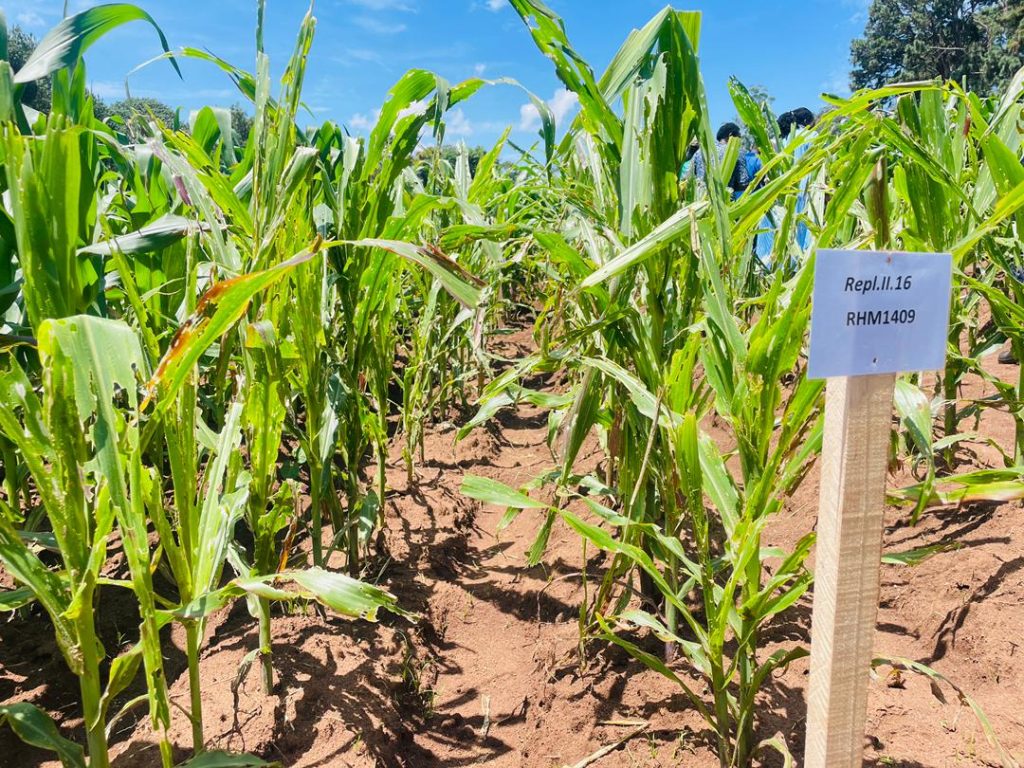
“The common variety farmers currently use, RHM 1407, is highly vulnerable. It cannot produce sufficient production because it has no natural defense against the Fall Armyworm or climate stress. This has been a crisis for a decade.”
How does science work in the field?
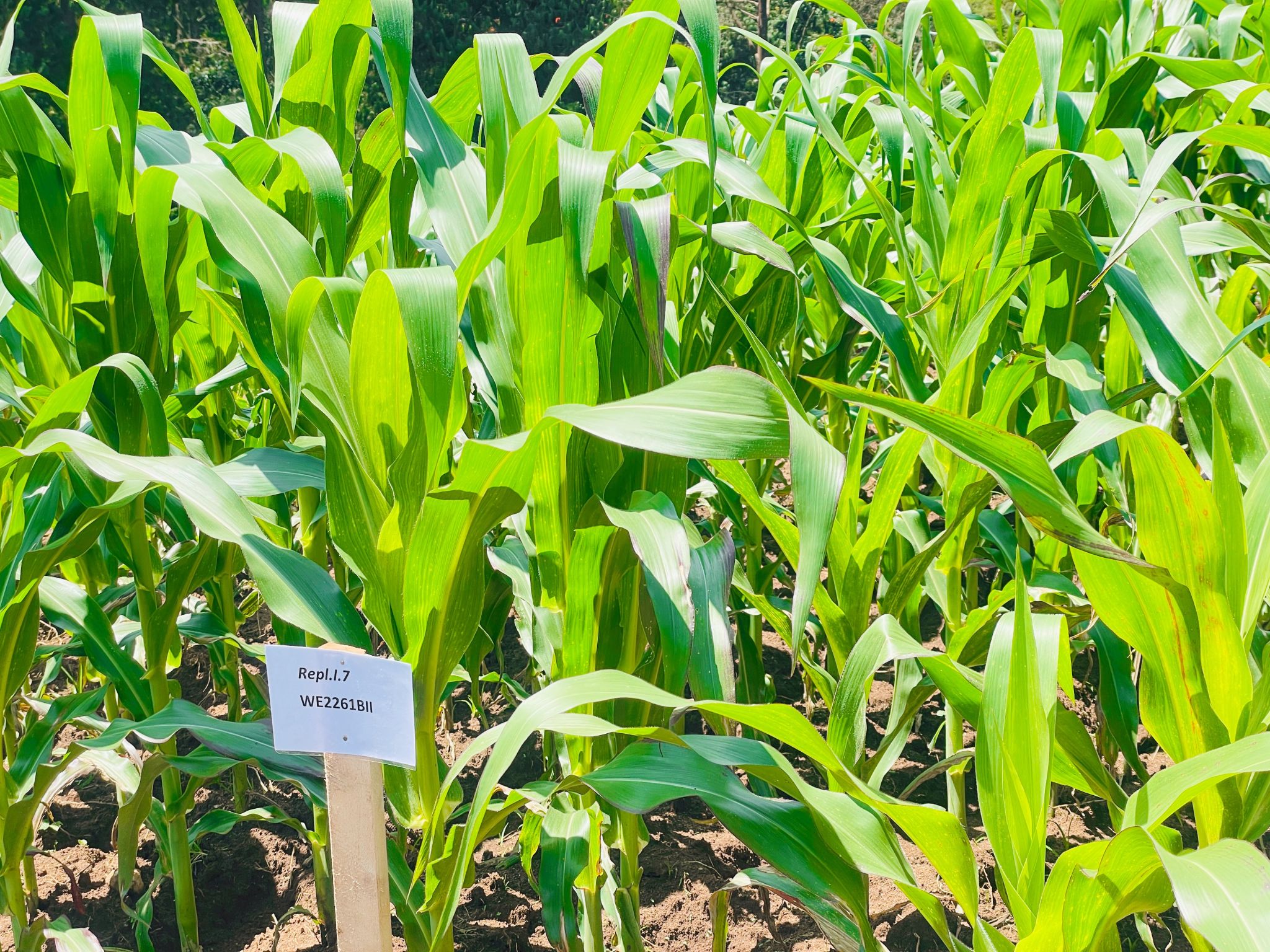
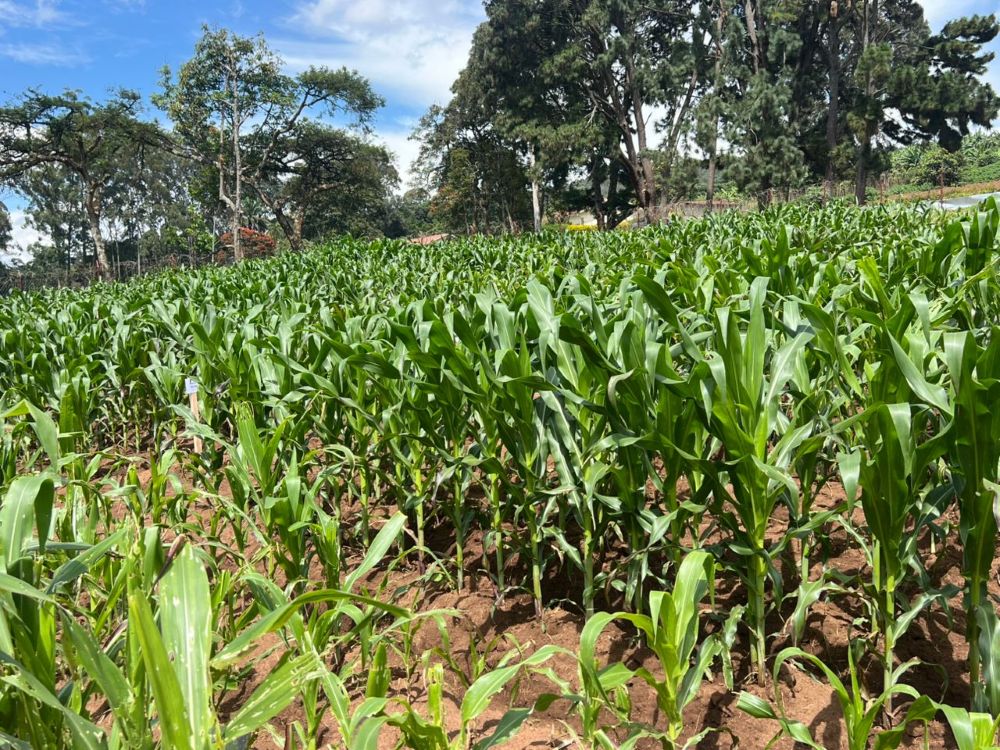
The research isn’t just happening in a lab; it’s being proven in the soil. Researchers are currently testing 12 varieties of this enhanced maize across five sites, one in the Huye district (Rubona), Musanze, Rusizi, and two sites in the Nyagatare district.
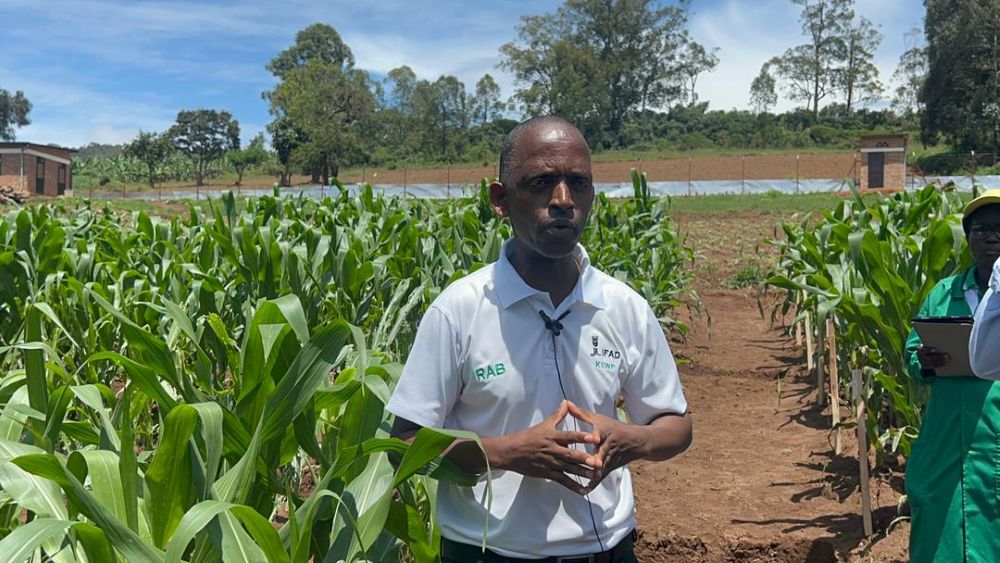
To ensure accuracy, scientists use a “side-by-side” testing method:
The Control Group: Two rows of traditional seeds are planted next to two rows of the modified variety.
Treatment Variables: Some sections receive no fertilizer or pesticides, while others are treated every 14 days.
The Result: Even without pesticides, the enhanced seeds remain healthy, while the traditional seeds nearby are quickly overtaken by pests.
Voices from the farm
For farmers like Yukunda Uzamukunda from Muhanga District, this isn’t just about biodiversity and food security; it’s about survival and economics.
“We have lost so much to pests and weather. Knowing this seed matures quickly and resists worms gives me hope. Best of all, we won’t have to spend all our money on pesticides. One small bottle costs 1,500 RWF and only covers 1a. For those of us with five hectares or more, the cost of chemicals is what keeps us poor.”
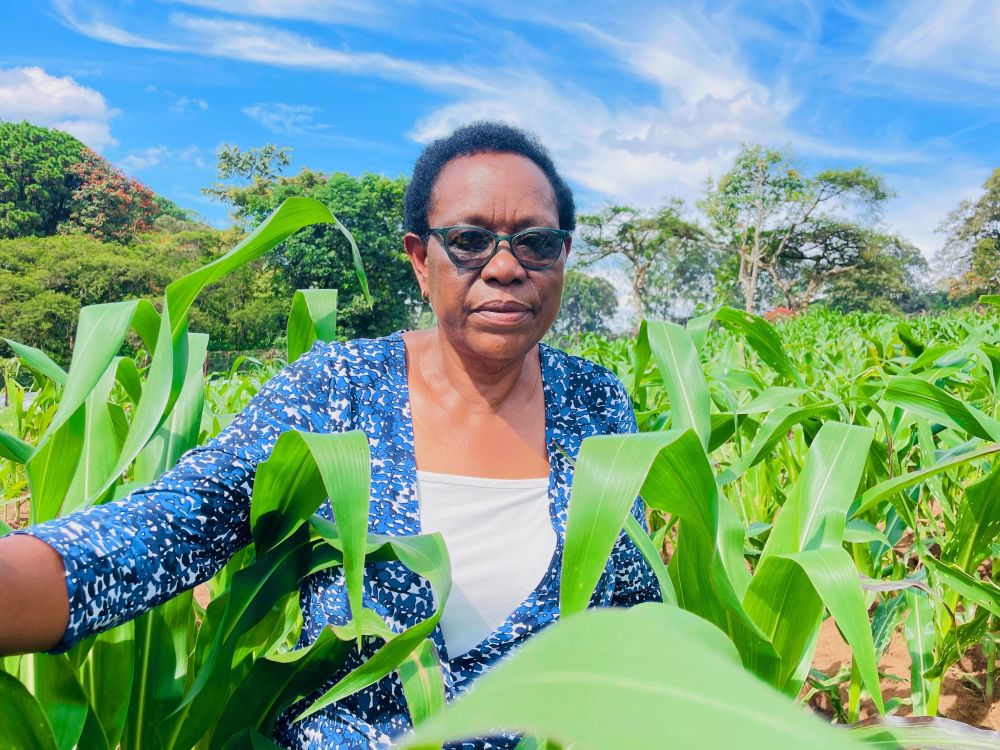
Alice Iribagiza Rwema, the head of the Rwanda Maize Seed Distributors and Traders Association, said that this special drought-tolerant seed is a solution and will solve various problems related to the maize crop, including the sale of substandard seeds to farmers.
All these issues are about to be solved because this seed will be propagated and sold by reputable people. “We have been facing the problem of some distributors giving farmers maize seeds with problems, including those that grow but do not bear fruit, while others give them fruit that bears fruit but has few kernels on the stalk. All this is about to be solved because this seed will be propagated and sold by reputable people.”
Maize production declines
A report from the National Institute of Statistics of Rwanda (NISR) on the 2025 Season A harvest shows that maize production declined by 5% compared to the same season in 2024.
“Maize production fell by 5% compared to the previous year, reaching a total of 481,246 tons. This decline is largely attributed to the fact that both the cultivated area and production per hectare remained unchanged.”
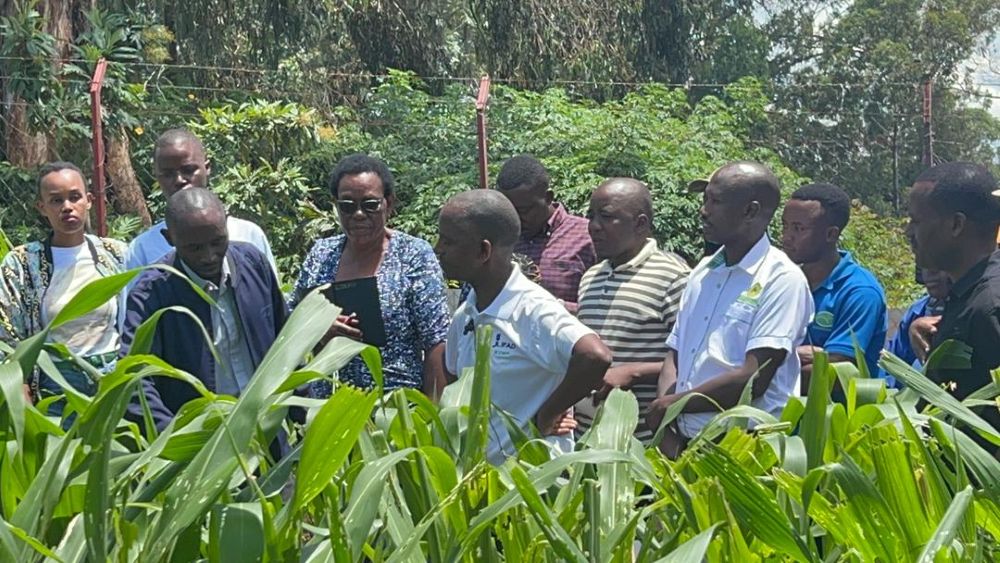
At the national level, average productivity held steady at about 2 tons per hectare. However, there was a noticeable gap between different types of farmers; smallholder farmers harvested around 1.9 tons per hectare, while larger-scale farmers achieved yields of up to 4.1 tons per hectare.
Beyond Maize: A multi-crop revolution
Dr. Athanase Nduwamungu, head of the biotechnology division at RAB, noted that maize is actually the third crop to undergo this transformation in Rwanda, following cassava and potatoes.
“GMO maize varieties, especially Bt maize (TELA maize), are resistant to stem borer and fall armyworm (Nkongwa). So, these genetically improved maize seeds are resistant to drought and insects, like what is locally known as (Nkongwa).”
Cassava is now resistant to brown streak disease and mosaic virus. In trials, one enhanced plant produced 40–50 kg, compared to just 4–5 kg from traditional plants.
Potatoes: New varieties resist late blight (rot caused by heavy rains). Production of natural potatoes is 2–4 tons per hectare, but new seeds could have 35 tons for modified varieties.
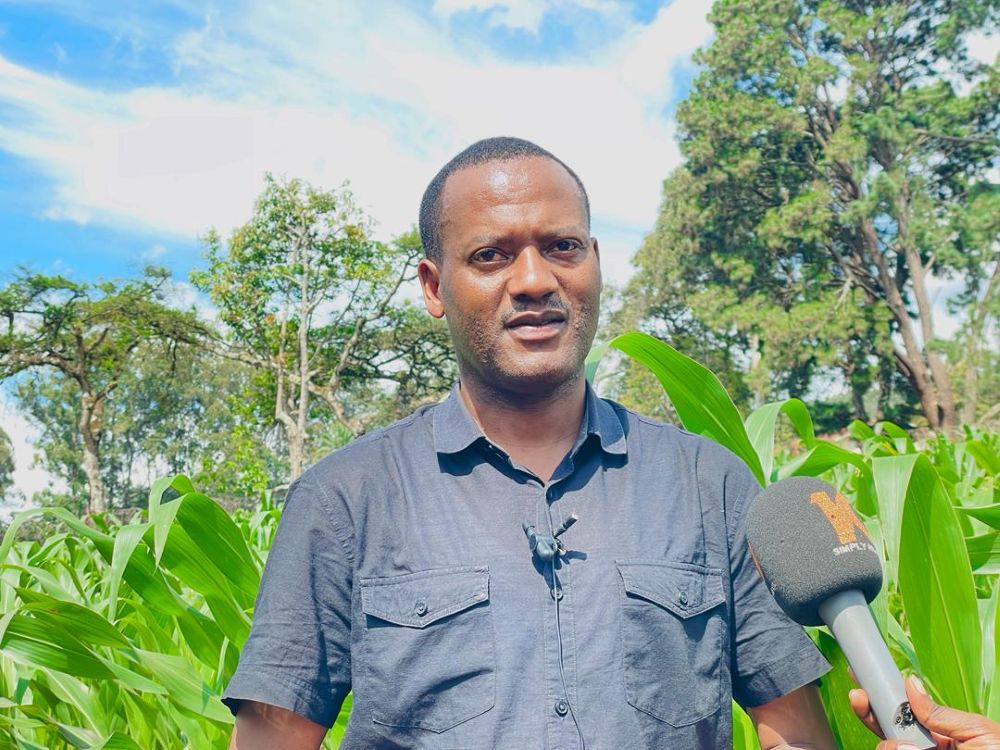
Key maize seed varieties currently in trial:
- WE2295B Repl. 1.1
- WE2250B II Repl1.2
- RHM1407 Repl1.3 (Current Hybrid seed that is being farming in EAC)
- WE8206B II Repl4
- WE2243B Repl. II Repl5
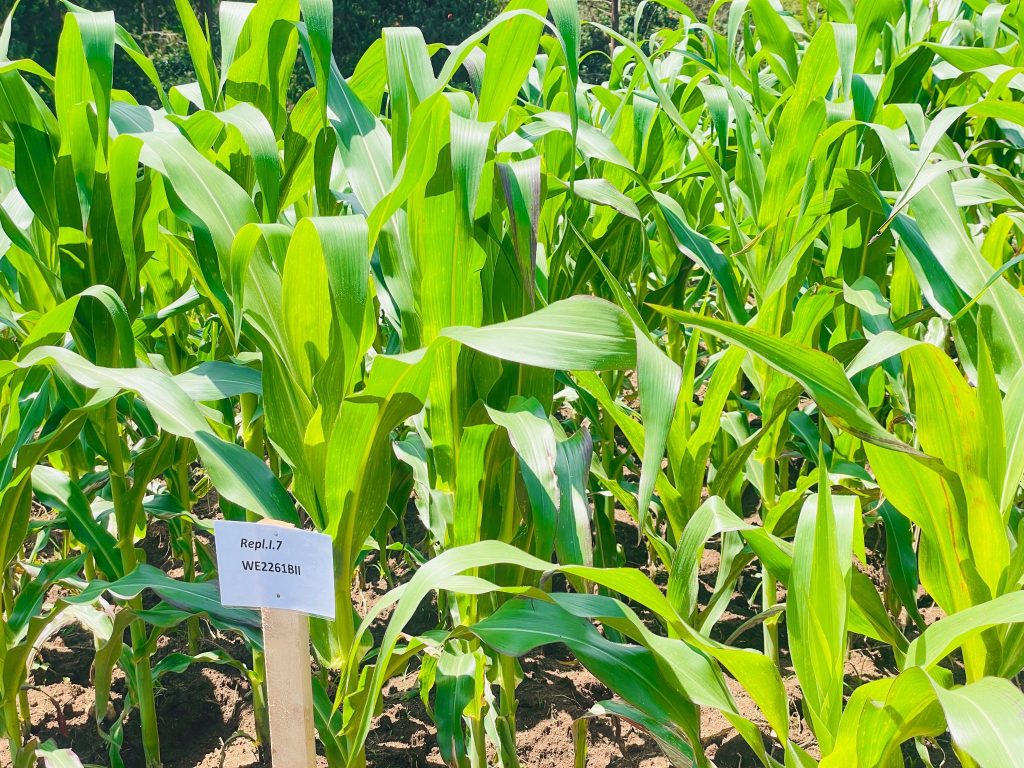
- WE2261B II Repl.6
- WE2261B II Repl.7
- WE2261B II Repl.8
- WE2246 Repl9
- WE2251B II Repl1.10
- WE2276B II Repl.11
- RHM1049 Repl.1.12
- WE2279B II Repl1.13
When will farmers get the seeds?
While cassava is in its final approval stage with the Rwanda Inspectorate, City, and Consumer Protection Authority (RICA), maize will take a bit longer. Dr. Nyombayire estimates that after the current field trials and “taste tests” are completed, the maize seeds will be in the hands of farmers within two years (by 2028).
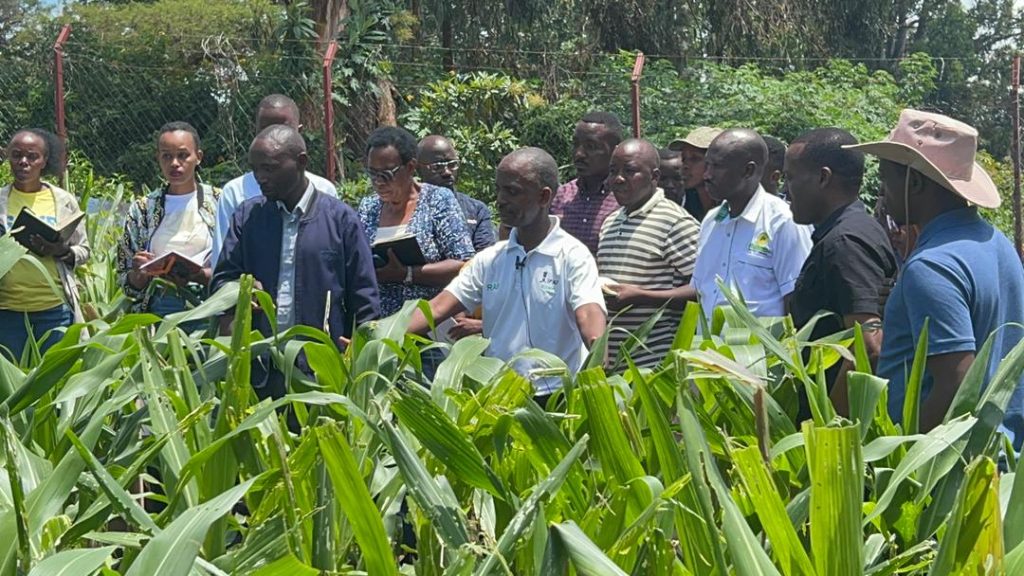
GM crops will contribute to ending hunger.
Genetically Modified (GM) maize acts as a solution to hunger by providing increased production, improved drought tolerance, and pest resistance (e.g., fall armyworm), ensuring stable food production despite climate change. These crops reduce dependence on expensive pesticides, offer better nutritional value, and enhance food security for smallholder farmers, potentially improving incomes and reducing regional food scarcity.
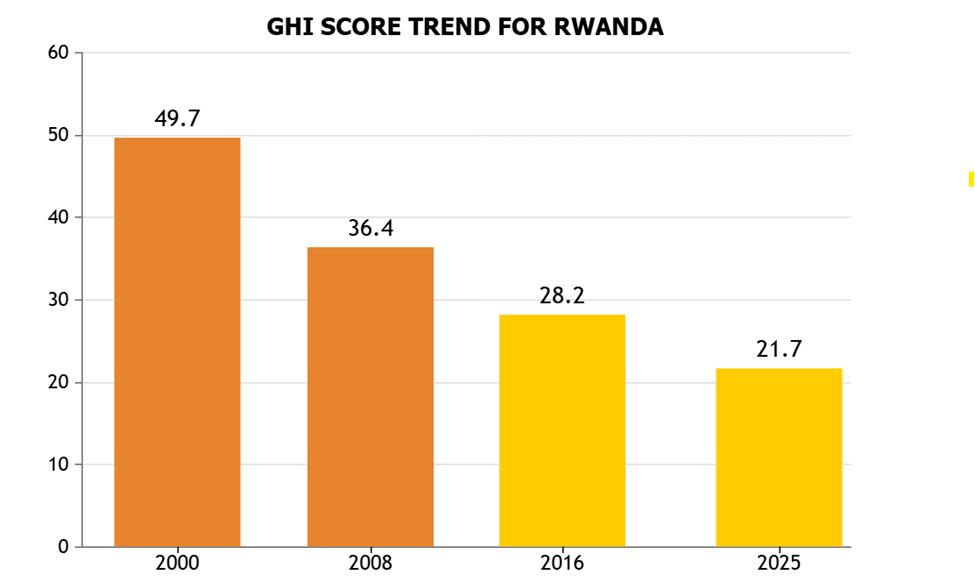
According to the 2025 Global Hunger Index (GHI) scores, a moderate 18.3, showing stalled progress since 2016 (19.0) and making the 2030 Zero Hunger target unachievable. Seven countries face alarming hunger levels: Somalia, Yemen, Madagascar, South Sudan, Burundi, DRC, and Haiti, with over 40 countries in the severe or alarming range.
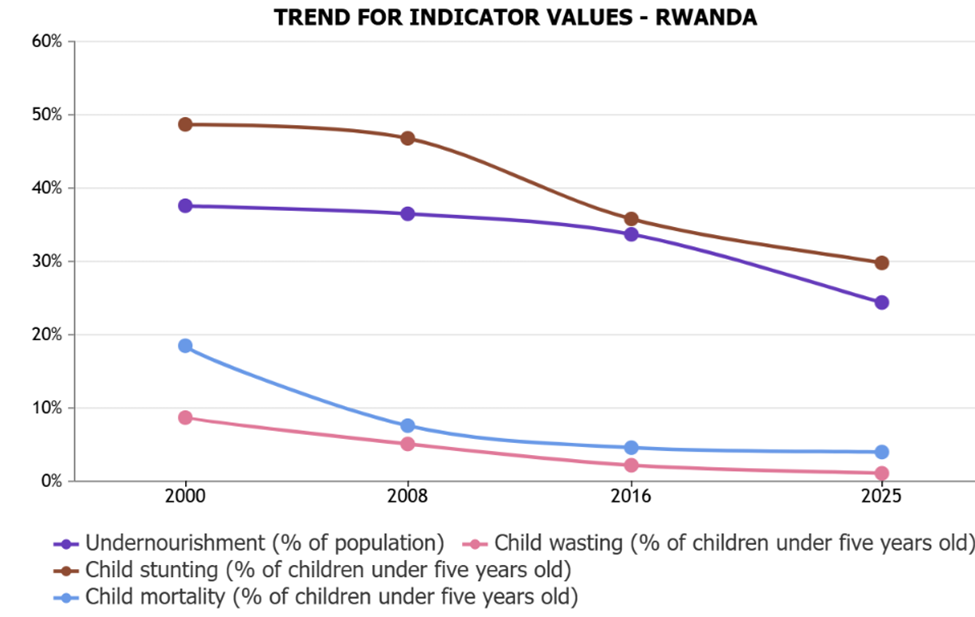
In the 2025 Global Hunger Index, Rwanda ranks 92nd out of 123 countries with sufficient data to calculate 2025 GHI scores. With a score of 21.7 in the 2025 Global Hunger Index, Rwanda has a level of hunger that is serious. This GHI score is based on the values of four component indicators. Global Hunger Index 2025- Rwanda.
Any benefit from GM maize production to the countries that used it before?
Since South Africa’s first commercialisation of GM crops in 1998, after its first plantation in 1994, it has become a continental leader in the adoption of biotechnology. We grow GM maize, cotton, soybean, and canola, with adoption rates among the highest in the world.
White maize in South Africa is the only staple crop produced using GM cultivars.
“We estimate GM white maize has resulted in 4.6 million additional rations annually. From 2001 to 2018, GM white maize welfare benefits amounted to $695 million. The ecosystem benefits of genetically modified white maize totaled $5 million between 2001 and 2018. GM cultivars are more profitable than non-GM cultivars in the Free State and North West.” Said Lebogang Madubanya (Research Scientist at the Agricultural Research Council (ARC), specialising in plant breeding and biotechnology).
As of 2021, approximately 83 percent of all maize grown in South Africa was genetically modified, with welfare benefits to adoptive farmers estimated to be up to $695 million from 2001 to 2018.
A Global and legal milestone
GM crops are used globally, in America, Asia, and Africa.
Rwanda joins a growing list of nations, including South Africa, Nigeria, Ethiopia, and its East African neighbors, using biotechnology to safeguard their food supply. This progress is supported by the Biosafety Law published in the Official Gazette on February 21, 2024, which ensures that all genetically modified crops meet strict environmental and safety standards.