 1
1
 0
0
By Janvier
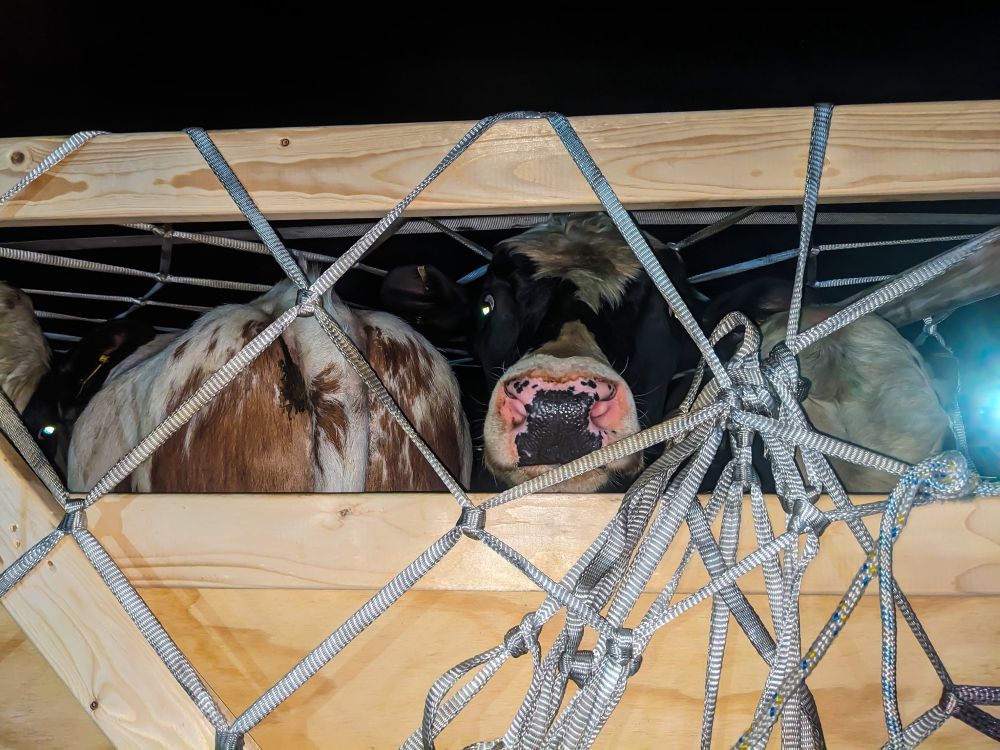
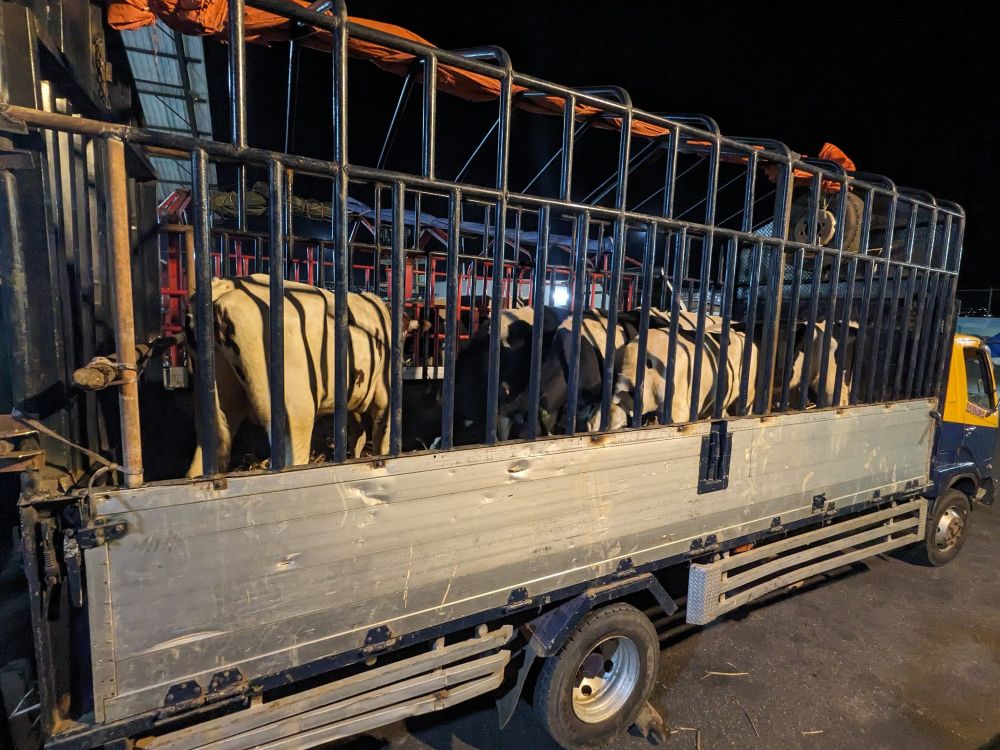
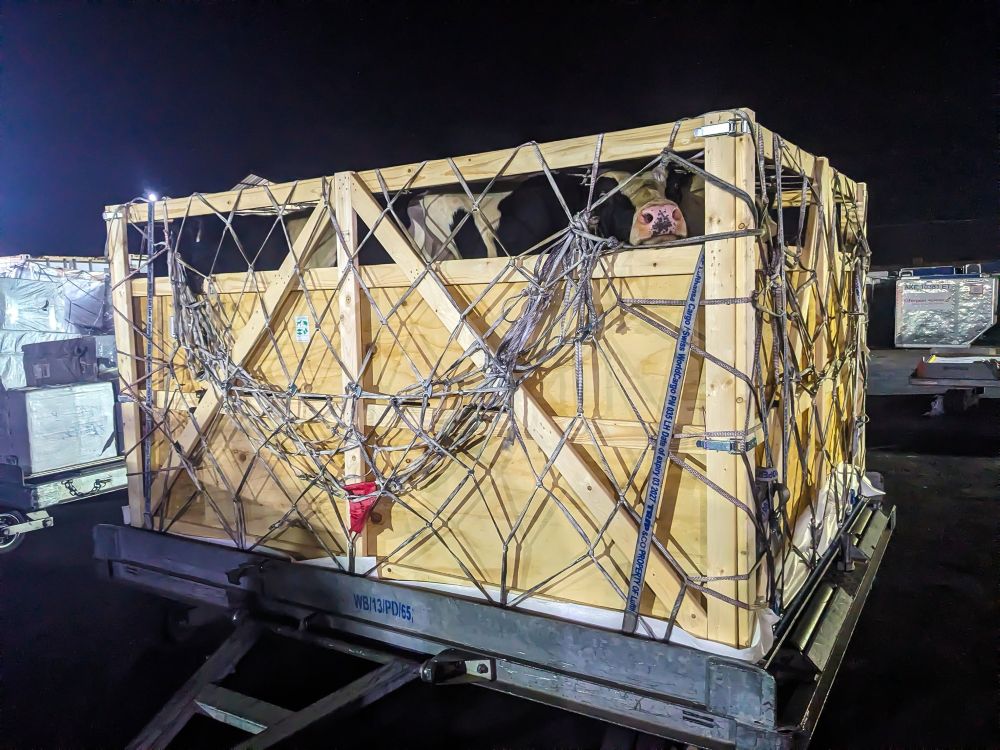
The Rwanda Agriculture and Animal Resources Development Board (RAB) has received the first batch of 10 high-genetic-merit Holstein-Friesian bulls, marking a major milestone in strengthening the national bovine artificial insemination (AI) program and accelerating genetic improvement in the livestock sector. Huye, Rwanda, 21 January 2026.
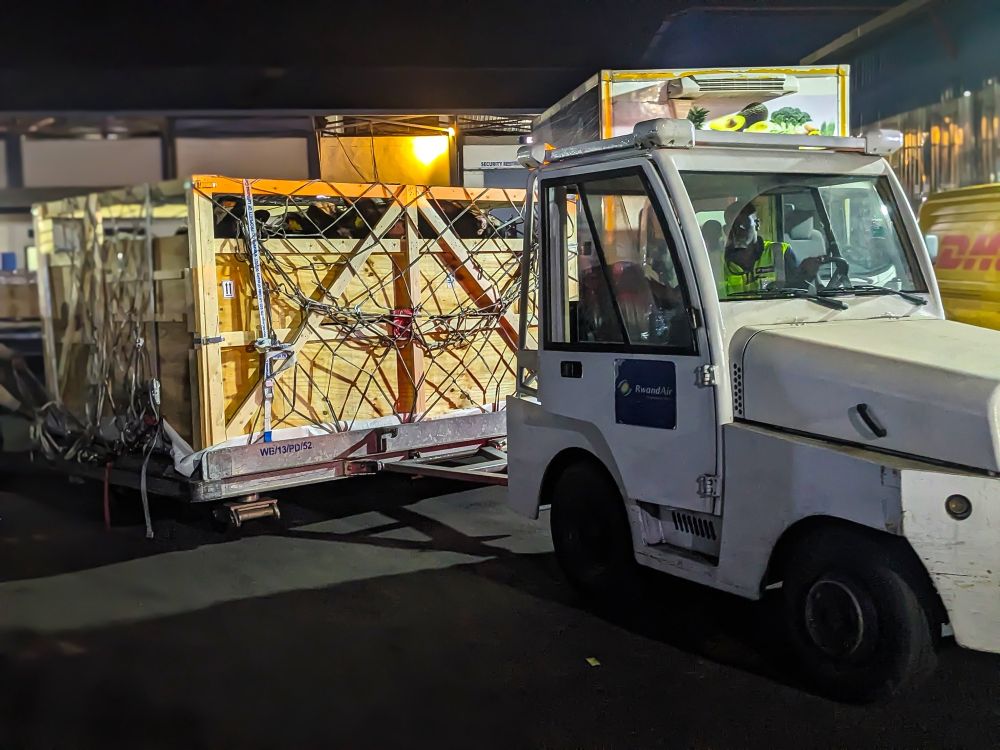
The bulls were sourced from leading cattle breeders in Germany and possess the genetic potential to produce cows capable of yielding over 10,000 liters of milk per lactation. An additional 20 high-genetic-merit bulls will be delivered in April 2026, including Holstein-Friesian, Jersey, and Brown Swiss for dairy production, as well as Angus and Charolais for beef production.
Together, these imports are expected to significantly enhance the production, quality, and diversity of bovine semen in Rwanda, addressing existing gaps in access to superior cattle genetics and contributing to increased livestock productivity and improved farmer incomes nationwide.
This investment supports the establishment of a Center of Excellence in Bovine Genetic Improvement at Songa, Huye District, which aims to provide improved dairy and beef genetics, promote advanced reproductive technologies such as artificial insemination and embryo transfer, and serve as a national hub for training, research, and innovation for farmers and livestock technicians.
The initiative aligns with PSTA 5 and NST2, which target to increase national milk production to 1,323,561 metric tons per year by 2028/2029, thereby strengthening food and nutrition security and advancing Rwanda’s agricultural and animal resources transformation.
All of those bulls were bought by the Rwanda Dairy Development Project-Phase 2 (RDDP2), a project funded by the International Fund for Agricultural Development (IFAD) and implemented under the Rwanda Agriculture and Animal Resources Development Board (RAB).