
 0
0
 0
0
By Christophe Uwizeyimana
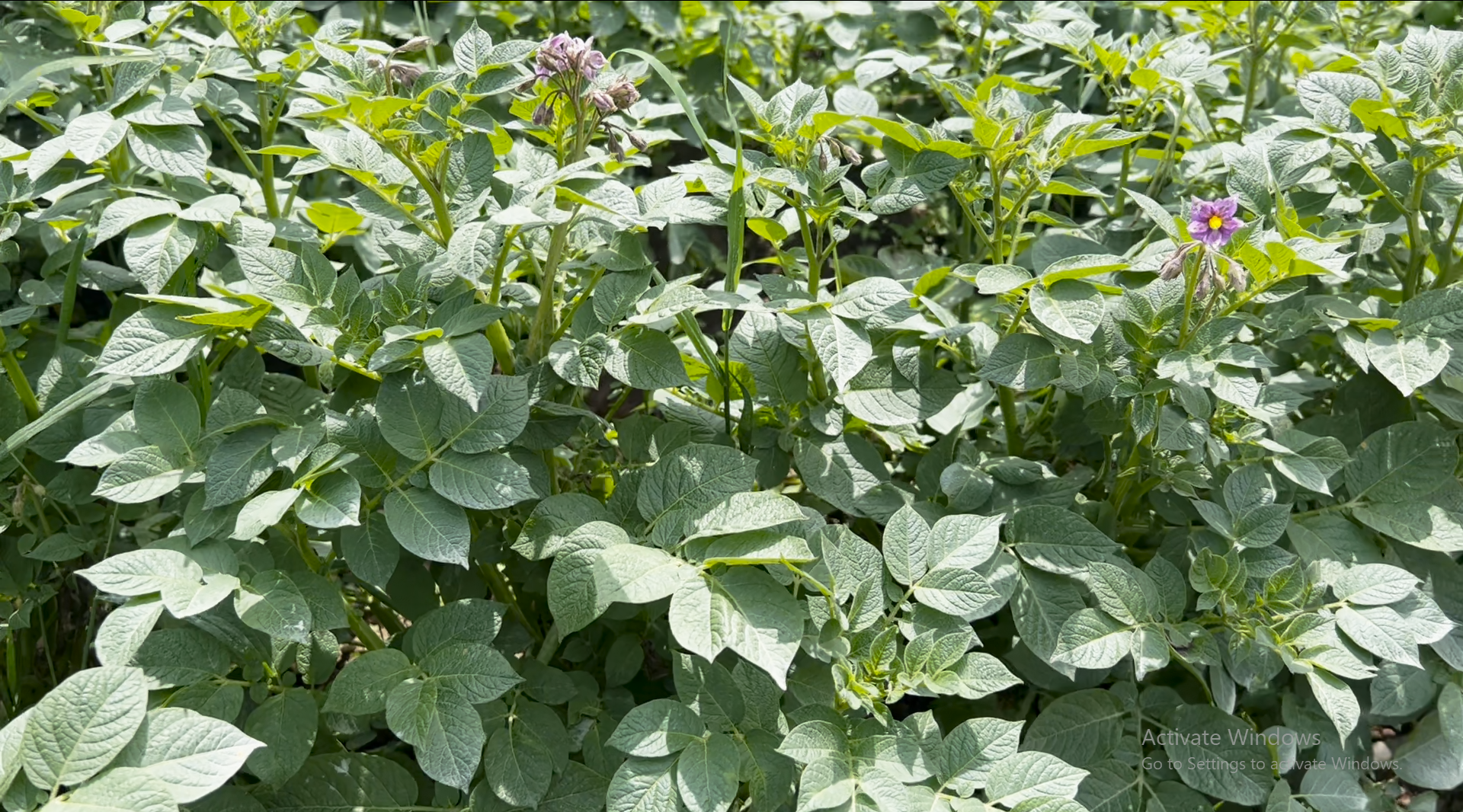
In Rwanda, potato production has long been threatened by late blight disease, the most destructive disease affecting potato crops worldwide. Late blight spreads rapidly under cool and wet conditions and can wipe out up to 100 percent of a potato crop during severe outbreaks. For many years, farmers have relied on repeated fungicide spraying to control the disease, a practice that is costly, labour-intensive, and often ineffective.
To address this challenge, the Rwanda Agri-Biotech Programme has developed biotech potato varieties with built-in resistance to late blight. The innovation aims to improve productivity, reduce losses, and support food security. However, as with other biotech crops, questions have been raised by the public regarding how the technology works, its safety, and its benefits. This article answers these questions in a clear and factual way, using information from eight -page booklet prepared by the Rwanda Agriculture and Animal Resources Development Board (RAB), which explains how biotech potato works and addresses common public concerns.
Q1. What is a biotech potato?
A biotech potato is an improved potato variety developed using modern biotechnology to protect the plant against late blight disease. Late blight is the most serious potato disease in Rwanda and can cause total crop failure during severe outbreaks.
By providing in-plant protection, biotech potatoes enable the crop to defend itself against the disease without the need for frequent fungicide applications.
Q2. How will Rwandan farmers benefit from biotech potato varieties?
Biotech potatoes offer multiple benefits to farmers, including:
- Strong resistance to late blight disease
- Higher and more stable yields
- Significant reduction in fungicide use
- Lower production and labour costs
Studies have shown that biotech potatoes can reduce fungicide use by up to 90 percent, saving farmers money and time while reducing risks to human health and the environment.
Q3. Why are biotech potato varieties being developed in Rwanda?
The Rwanda Agri-Biotech Programme, supported by the Government of Rwanda, is improving potato, maize, and cassava to protect these essential food crops from diseases and insect pests that cause major losses.
Currently, farmers attempt to control late blight through frequent spraying with costly fungicides that are not always accessible or effective. Biotech potatoes provide built-in disease protection, reducing dependency on chemical control.
Using modern biotechnology, the programme aims to:
- Reduce potato yield losses by more than 70 percent
- Cut maize yield losses by up to 75 percent
- Protect cassava farmers from total (100 percent) yield loss
These efforts are expected to benefit over 500,000 farming households through increased yields, improved food security, reduced pesticide use, and economic growth.
Q4. What is the difference between conventional and biotech potatoes?
Biotech and conventional potatoes look, grow, cook, and taste the same. The key difference is that biotech potatoes contain natural in-plant resistance to late blight disease.
As a result, biotech potatoes require far fewer fungicide sprays and contain lower levels of chemical residues compared to conventional potatoes.
Q5. How does late blight resistance work in biotech potatoes?
Wild potato varieties naturally contain genes that provide resistance to late blight disease. Through advanced biotechnology, three late blight-resistant genes from wild potato relatives have been introduced into popular potato varieties.
This enables the plant to defend itself naturally against the disease, eliminating the need for repeated fungicide applications.
Q6. Can biotech potatoes lose resistance to late blight over time?
Yes. Resistance may weaken over time if proper stewardship is not followed. For this reason, biotech potato deployment includes stewardship plans that promote responsible use, farmer training, and monitoring to ensure long-term effectiveness.
Q7. Are biotech potatoes safe?
Yes. Extensive scientific studies have demonstrated that biotech potatoes are safe for human consumption, animal feed, and the environment.
Q8. How does Rwanda assess the safety of biotech potatoes?
Rwanda has established a robust legal and institutional framework for the safe use of modern biotechnology.
- The Rwanda Environment Management Authority (REMA) conducts environmental and food safety risk assessments before approval.
- REMA evaluates potential environmental impact, food and feed safety, and comparisons with conventional varieties.
- The Rwanda Inspectorate, Competition and Consumer Protection Authority (RICA) is responsible for variety evaluation, registration, and release.
Q9. Is the biotech potato approved in Rwanda?
Research partners, working with REMA and RICA, are currently conducting field trials to identify the best-performing biotech potato varieties under Rwanda’s growing conditions. Approved varieties will be registered in the national variety catalogue.
Q10. When will Rwandan farmers access biotech potato seed?
Farmers will gain access after RICA completes the variety release and registration process.
Q11. How much will biotech potato seed cost?
Biotech potato seed will be made available to farmers at the same price as conventional potato seed, ensuring affordability and equitable access.
Q12. Who owns the biotech potato varieties in Rwanda?
The Rwanda Agriculture and Animal Resources Development Board (RAB) and its partners under the Rwanda Agri-Biotech Programme—a public-private partnership—have negotiated access to ensure biotech potato varieties are made available to farmers in Rwanda.
Q13. Are biotech crops already being grown in Africa?
Yes. Several African countries are already growing biotech crops:
- Nigeria has grown biotech maize since 2024 and biotech cowpea and cotton since 2020
- Ghana has grown biotech cowpea since 2024
- South Africa has grown biotech maize, cotton, and soybean since the late 1990s
- Kenya, Ethiopia, Eswatini, and Sudan grow biotech cotton
Other countries are conducting trials on biotech rice, maize, wheat, sorghum, bananas, cassava, and sweet potato. Kenya is currently reviewing an application for the same late blight-resistant potato approved in Rwanda.
Globally, approximately 176.85 million hectares were planted with biotech crops by 2021.
As Rwanda continues to advance its agricultural transformation agenda, biotech potato represents one of the scientific approaches being explored to address persistent crop diseases and strengthen food security. By reducing yield losses, lowering production costs, and minimizing pesticide use, the technology offers promising benefits for smallholder farmers.
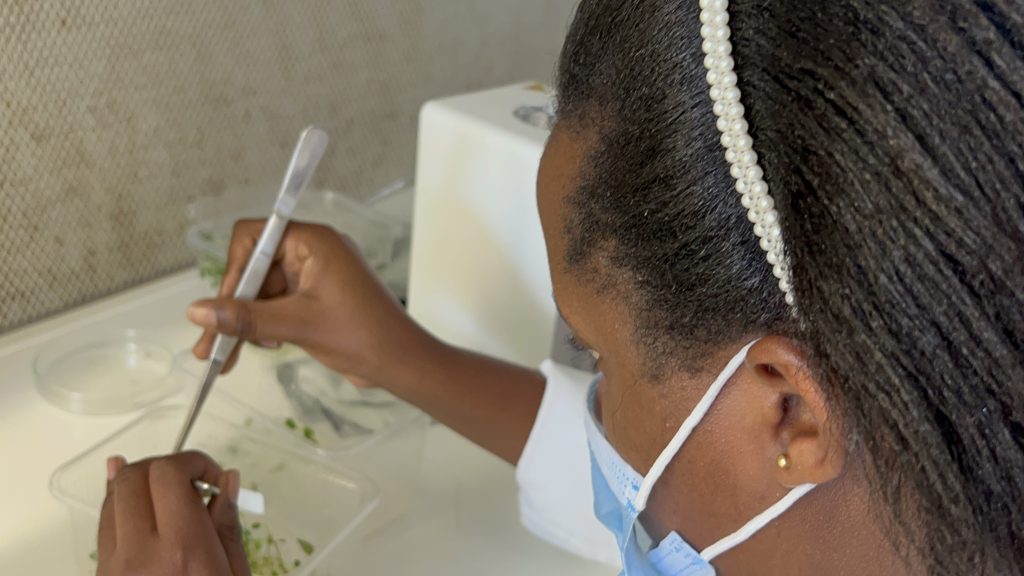
Rwanda is striving to boost potato production through improved farming technologies.
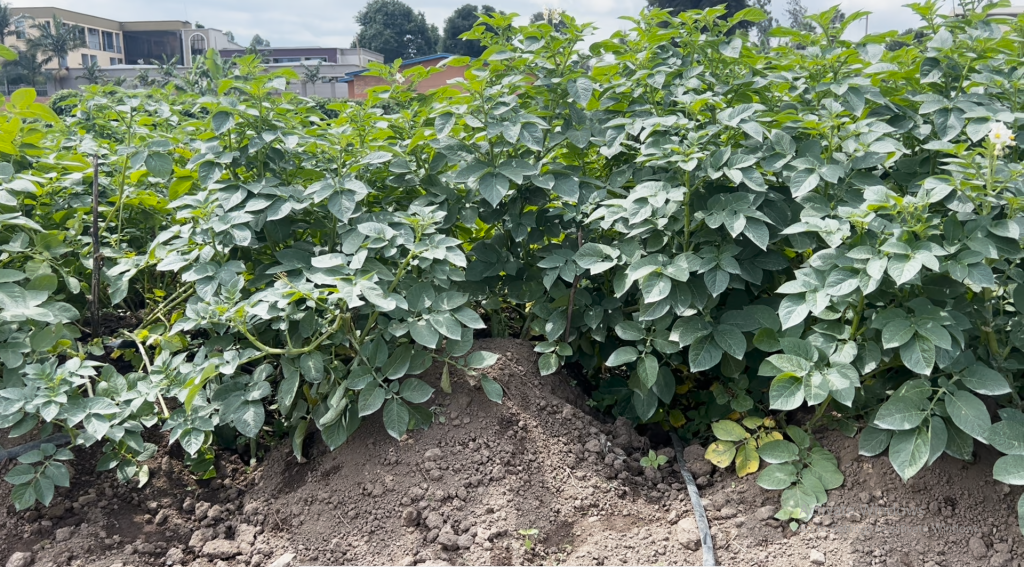
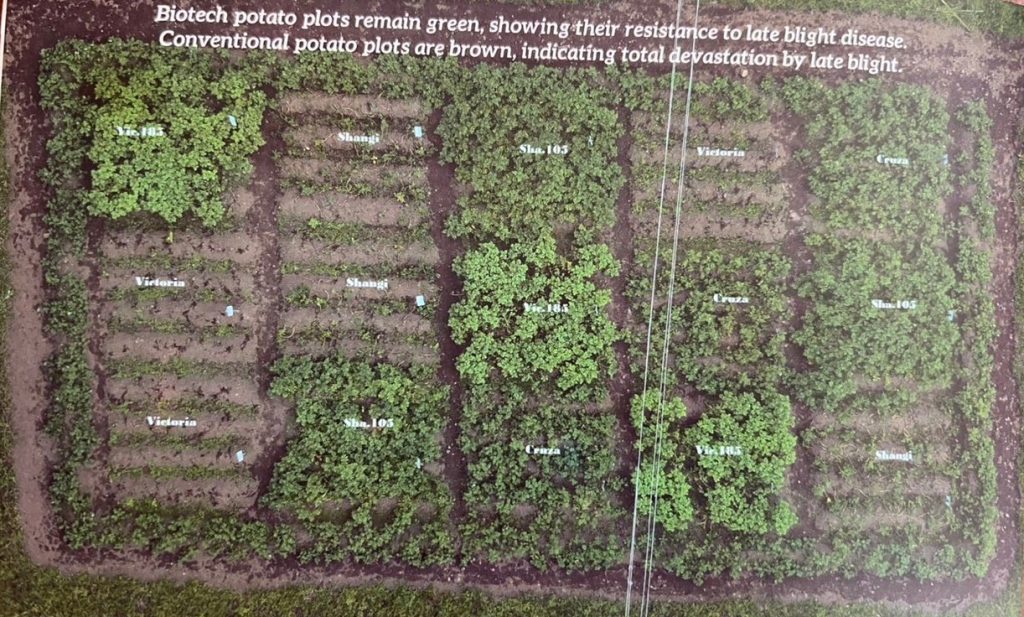
Biotech potatoes resist diseases better than conventional varieties, ensuring higher yields for farmers.
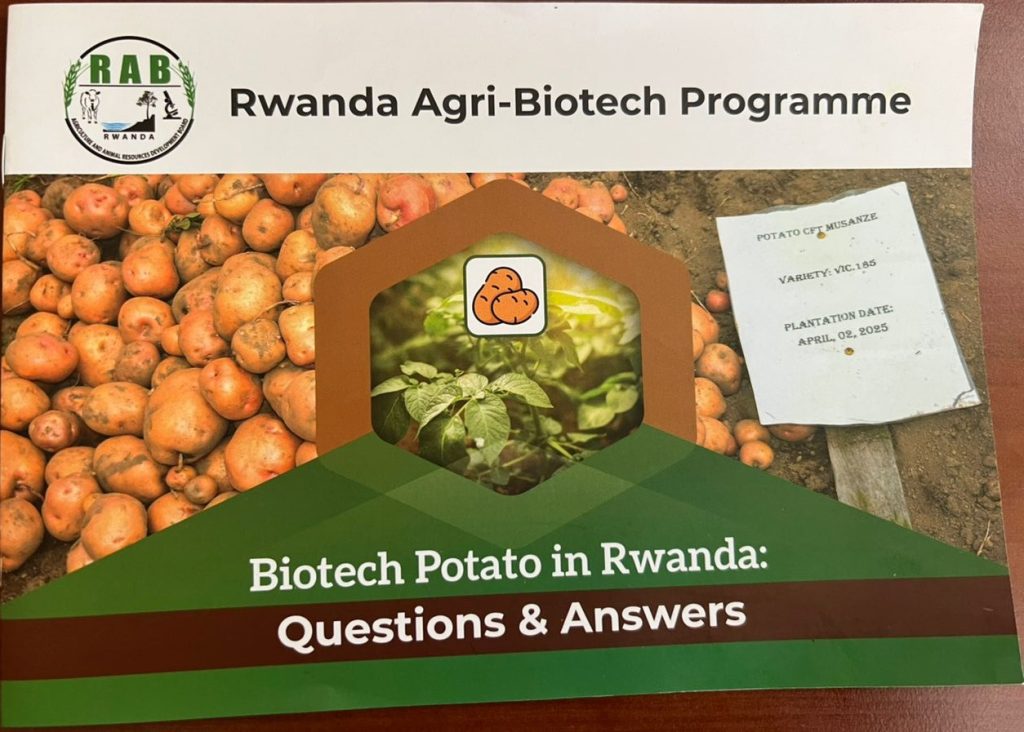
RAB answers key questions on biotech potatoes and their benefits for farmers.


