
 0
0
 0
0
By Christophe Uwizeyimana
Maize is one of Rwanda’s most important staple crops, supporting both household food security and national food supply. However, maize production has increasingly come under threat from fall armyworm, stem borers, and changing climate conditions, leading to significant yield losses and rising production costs for farmers. Many farmers rely on repeated pesticide spraying to control these pests, yet the chemicals are often expensive, difficult to access, and sometimes ineffective.
In response to these challenges, the Rwanda Agri-Biotech Programme has introduced biotech maize, also known as Bt maize, to help farmers protect their crops, improve productivity, and reduce losses. As with other biotechnology innovations, questions remain among the public about how biotech maize works, its safety, and its benefits. This article answers those questions in a clear and factual manner, with reference to an eight-page booklet prepared by the Rwanda Agriculture and Animal Resources Development Board (RAB), which explains how biotech maize works and addresses common public concerns.
Q1. What is biotech maize?
Biotech maize, also known as Bt maize, is an improved maize variety that protects itself against fall armyworm and stem borers, two of the most destructive insect pests affecting maize in Rwanda. The crop also performs better under moderate drought conditions, helping farmers cope with climate variability.
Q2. How will Rwandan farmers benefit from biotech maize?
Biotech maize hybrids provide three-in-one protection, including:
- Resistance to fall armyworm
- Resistance to stem borers
- Tolerance to moderate drought
This combination helps farmers achieve more reliable harvests, reduce crop losses, and lower the need for expensive pesticides. As a result, farmers benefit from improved food security and increased household income.
Q3. Why are biotech maize varieties being developed in Rwanda?
The Rwanda Agri-Biotech Programme, with support from the Government of Rwanda, is improving maize, cassava, and potato to protect these essential crops from pests and diseases that cause major losses.
Currently, farmers try to control insect pests by spraying pesticides many times during a single season. These pesticides are costly, not always available, and often fail to provide effective control. Biotech maize offers built-in protection, ensuring more consistent and widespread control of insect pests.
Through modern biotechnology, the programme aims to:
- Reduce maize yield losses by up to 75 percent
- Cut potato yield losses by more than 70 percent
- Protect cassava farmers from total (100 percent) yield loss
These innovations are expected to benefit more than 500,000 farming households by improving yields, food security, and economic growth while reducing pesticide use.
Q4. What is the difference between conventional and biotech maize?
Biotech maize is largely similar to conventional maize in how it looks, grows, and is used. The main difference is that biotech maize has in-plant protection against harmful insect pests, allowing farmers to achieve better harvests with fewer pesticide applications.
Q5. Can farmers replant biotech maize seed?
Biotech maize is typically sold as hybrid seed, which benefits from hybrid vigor. While farmers can save and replant grain from hybrid maize, the next crop will lose this vigor and produce lower yields. For the best results, farmers are advised to plant new certified hybrid seed each season.
Q6. How does insect protection work in biotech maize?
Biotech maize uses a protein from a naturally occurring soil bacterium called Bacillus thuringiensis (Bt). Bt has been safely used in organic farming for over 50 years.
Scientists have used advanced breeding technology to introduce a modified Bt gene into maize plants. This allows the plant to protect itself from insect pests, reducing the need for insecticide sprays, saving farmers money, and protecting the environment.
Q7. Can insect pests become resistant to Bt maize?
Yes. Insects can develop resistance over time if the technology is not properly managed. For this reason, biotech maize deployment includes insect resistance monitoring and stewardship programmes, supported by farmer training and education.
Q8. How is resistance managed in Rwanda?
In Rwanda, biotech maize seed is sold as a pre-mixed package, containing 20 percent conventional maize. Farmers plant the seed exactly as provided, making resistance management simple, practical, and effective.
Q9. Does Bt maize harm other organisms?
No. Extensive studies have shown that Bt proteins are safe for humans, livestock, wildlife, beneficial insects, and non-target organisms.
Q10. Are biotech maize varieties safe?
Yes. Biotech maize has been used safely around the world for nearly 30 years. Several African countries, including Nigeria, Kenya, Ethiopia, and Mozambique, have approved Bt maize for environmental release or commercial use.
Q11. How does Rwanda assess the safety of biotech maize?
Rwanda has a strong legal and institutional framework for biosafety.
- The Rwanda Environment Management Authority (REMA) conducts environmental and food safety assessments.
- REMA evaluates environmental risks, food and feed safety, and compares biotech maize with conventional varieties.
- The Rwanda Inspectorate, Competition and Consumer Protection Authority (RICA) is responsible for variety evaluation, registration, and release.
Q12. Is biotech maize approved in Rwanda?
Yes. Research partners, working with REMA and RICA, are currently conducting field trials to identify biotech maize varieties best suited to Rwanda’s farming conditions. Approved varieties will be registered in the national variety catalogue.
Q13. When will farmers access biotech maize seed?
Farmers will gain access after RICA completes the variety release and registration process.
Q14. How much will biotech maize seed cost?
Biotech maize seed will be priced similarly to other maize varieties on the market.
Q15. Who owns biotech maize varieties in Rwanda?
The Rwanda Agriculture and Animal Resources Development Board (RAB), together with partners under the Rwanda Agri-Biotech Programme, has negotiated access to ensure the varieties are available to Rwandan farmers.
Q16. Are biotech crops already grown in Africa?
Yes. Several African countries are already growing biotech crops. Nigeria began planting Bt maize in 2024, while South Africa has grown Bt maize, cotton, and soybean since the late 1990s. Ghana, Kenya, Ethiopia, Eswatini, and Sudan are also using or testing biotech crops.
Globally, about 176.85 million hectares were planted with biotech crops by 2021.
Q17. What is the difference between fall armyworm and stem borers?
Stem borers tunnel inside maize stems, weakening the plant and reducing yields by 10–20 percent. Fall armyworm larvae chew leaves, destroy growing points, and can reduce yields by 15–73 percent, making chemical control difficult.
As Rwanda works to strengthen food security and climate resilience, biotech maize offers a promising solution to persistent challenges faced by maize farmers. By protecting crops from destructive pests, reducing pesticide use, and improving yields, the technology has the potential to improve livelihoods and farm incomes.
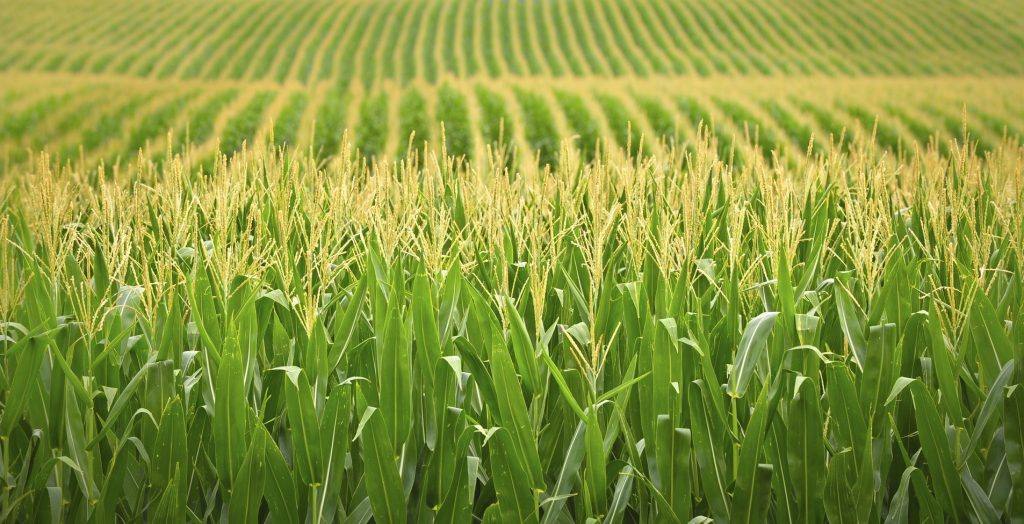
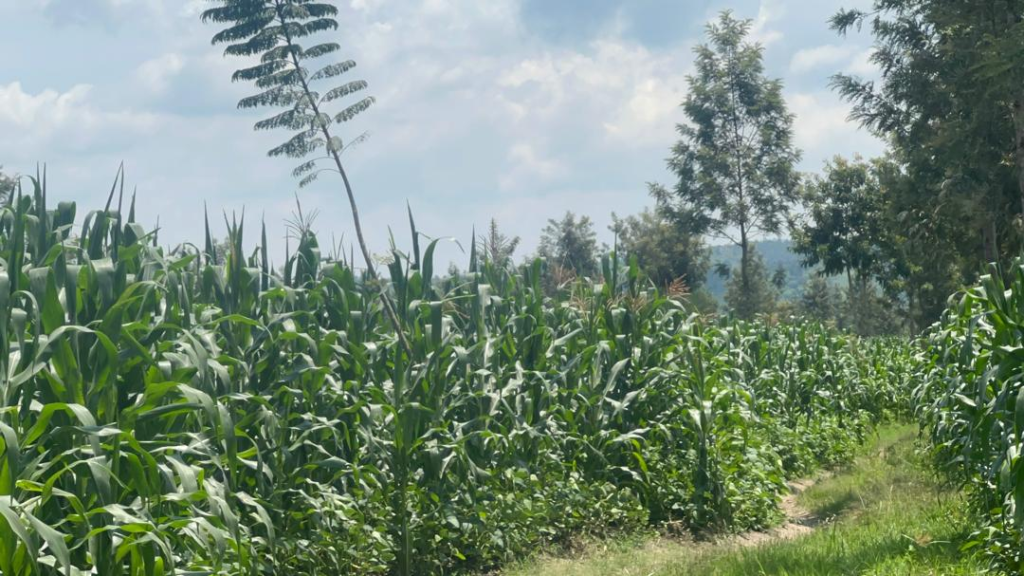
Rwanda is taking steps to boost maize production and strengthen food security.
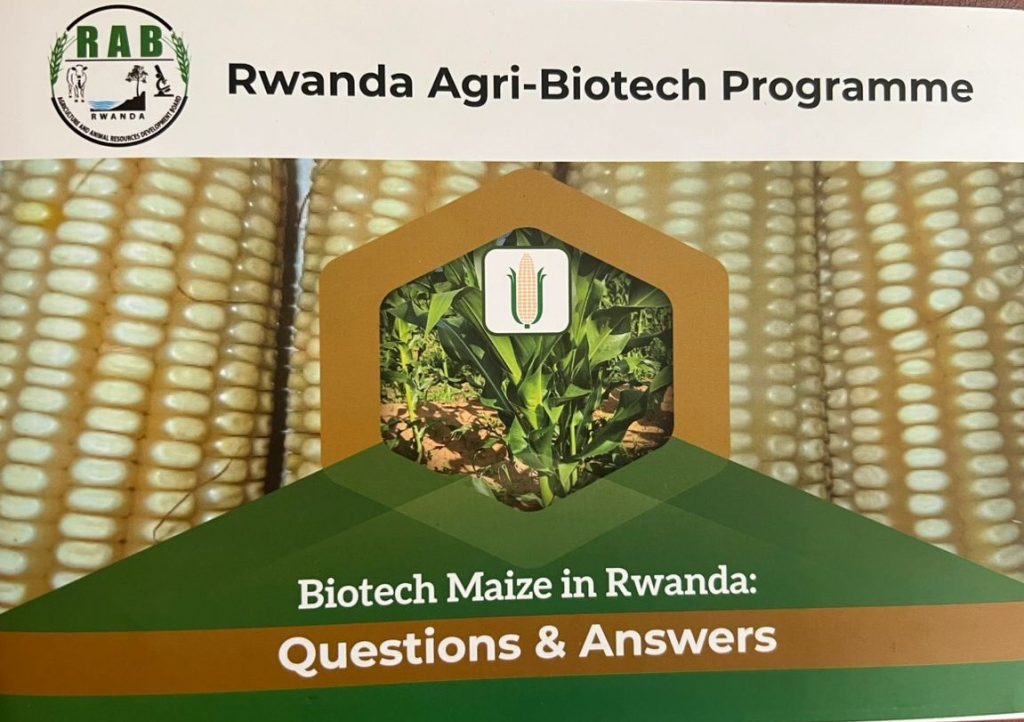
RAB has developed an eight-page booklet explaining how biotech maize works and addressing common public concerns.


