 0
0
 0
0
By Nshimiyimana François
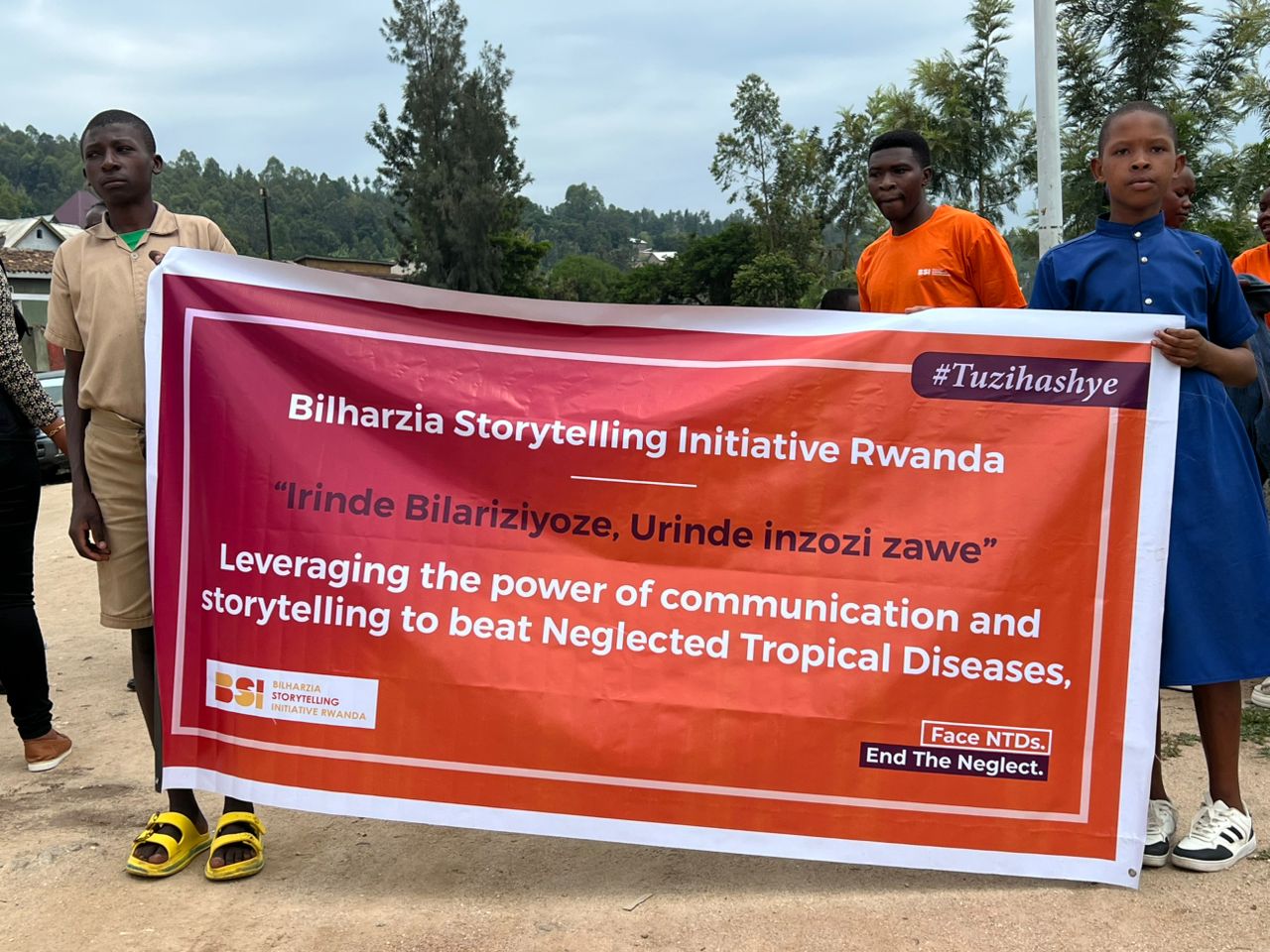
On Thursday, 18 December 2025, Rwanda NGOs Forum, in partnership with the Rwanda Biomedical Centre (RBC), The END Fund, and other stakeholders, launched the Bilharzia Storytelling Initiative (BSI) in Ruhango District, marking a renewed effort to combat and ultimately eliminate bilharzia in Rwanda.
The initiative uses storytelling-based approaches; including drama, poetry, games, and other interactive activities to drive behavioral change, with a particular focus on schoolchildren. Through these methods, communities are educated on how bilharzia is transmitted, ways to prevent infection, the importance of hygiene and sanitation, and the need for early diagnosis and treatment.
Project organizers said prioritizing children is strategic, as they can act as health ambassadors within their families and communities, helping to spread accurate information and promote sustainable hygiene practices.
Bamurange Thacienne, a resident and teacher from Karubuga Village in Kinazi Sector, said the campaign equipped educators with practical knowledge on how to protect children from parasitic infections. “As a teacher and resident of this district, we will teach children that urinating or defecating in open fields is dangerous because it exposes them to parasites that cause disease. I did not previously know that bilharzia could affect young children as a result of poor sanitation in fields. From now on, we will maintain hygiene and actively fight this disease,” she said.
Another teacher from the same sector, MUKASHYAKA Clementine, said the campaign helped her understand how quickly bilharzia spreads and that it affects both children and adults. “What I learned is very important. I now understand that bilharzia is largely caused by human waste left in open areas. I will teach students to avoid open defecation and encourage residents to maintain proper sanitation facilities,” she noted.
Speaking on behalf of Rwanda NGOs Forum, Dr. Eric Niyongira said the initiative’s long-term goal is the complete elimination of bilharzia nationwide. “Our objective is to eradicate bilharzia across Rwanda. While we have started in Ruhango District, the plan is to expand this initiative to all districts,” he said.
Yvonne Ninyembabazi, the BSI Coordinator for Bugesera, Ruhango, and Gatsibo districts, urged parents and guardians to prevent children from swimming in unsafe water bodies. “Bilharzia is a dangerous disease, and children are the most affected because they often swim in contaminated water. Human waste plays a major role in spreading the disease. Infected children frequently miss school due to illness, and early infection can lead to stunted growth as the worms consume essential nutrients,” she explained.
She added that bilharzia also affects adults, causing weight loss, anemia, and reduced productivity, factors that contribute to poverty when affected individuals are unable to work effectively.
What is Bilharzia: A parasitic disease also called schistosomiasis, caused by flatworms (schistosomes) living in contaminated freshwater.
How people get infected: The parasite larvae, released by freshwater snails, penetrate the skin during swimming, bathing, or washing in unsafe water.
Who is affected: Both children and adults can be infected. Children are particularly vulnerable and may suffer stunted growth.
Symptoms: Fever, abdominal pain, anemia, fatigue, and in severe cases, organ damage.
Health Effects:
- Stunted growth and delayed development in children
- Anemia and fatigue
- Abdominal pain, diarrhea, and fever
- Organ damage in severe or untreated cases
- Death in extreme cases if left untreated
- Missed school or reduced learning in children
Economic Effects:
- Reduced productivity in adults
- Inability to work effectively
- Increased medical expenses for treatment
- Contribution to household poverty
- Negative impact on overall community development
How to prevent it:
- Avoid swimming or washing in contaminated water.
- Use safe, treated water sources for drinking and washing.
- Practice good hygiene and sanitation.
- Seek prompt treatment with medications if infected.
Community role: Educating children and households on hygiene and safe water practices helps break the transmission cycle and protect entire communities.
According to the Rwanda Biomedical Centre and the World Health Organization (WHO), schistosomiasis remains a public health concern in Rwanda, with more than 1,000 administrative cells identified as endemic or at risk of transmission. National remapping has shown that nearly half of surveyed cells require regular deworming interventions, underscoring the need for sustained community awareness, improved sanitation, and behavior change initiatives such as the Bilharzia Storytelling Initiative.
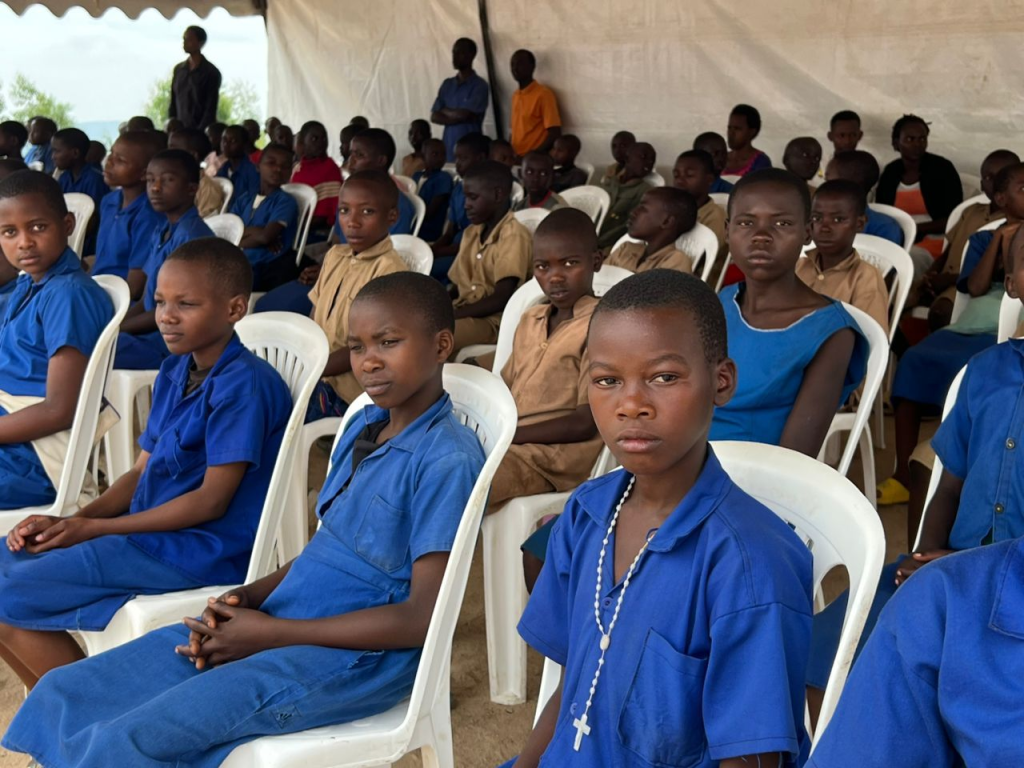
Photo:Children participate in storytelling activities during the Bilharzia Storytelling Initiative in Ruhango District, learning how to prevent infection through improved hygiene and sanitation practices.
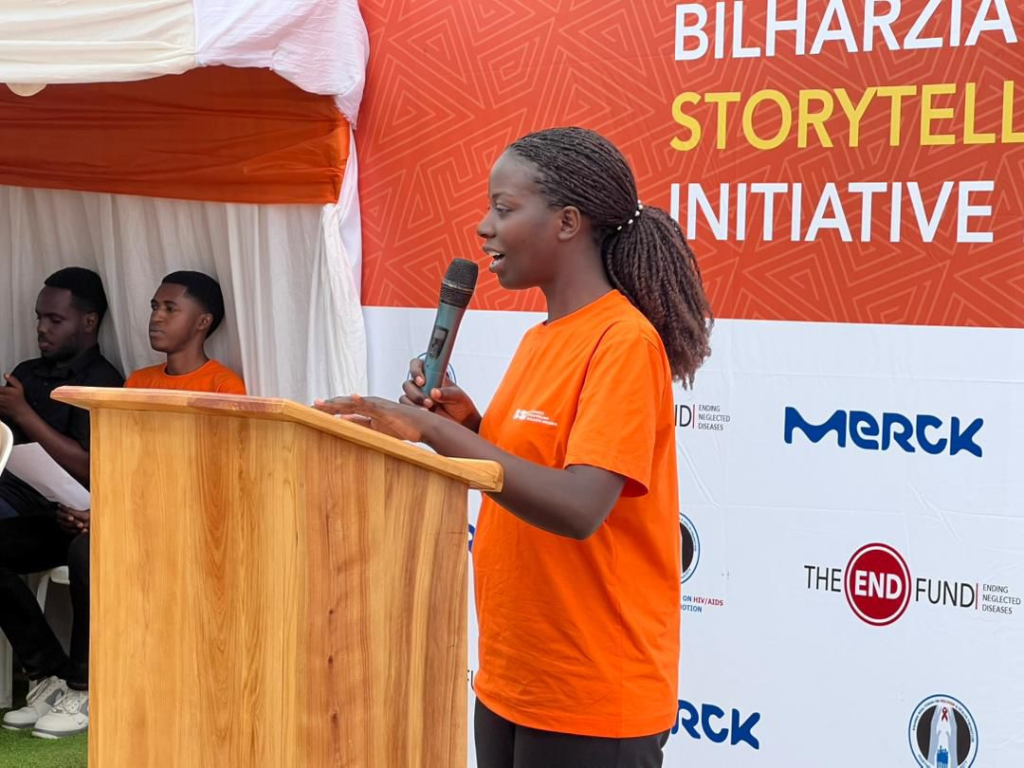
Photo:Yvonne Ninyembabazi, Bilharzia Storytelling Initiative (BSI) Coordinator for Bugesera, Ruhango, and Gatsibo districts, addresses parents and community members during an awareness session in Ruhango District.
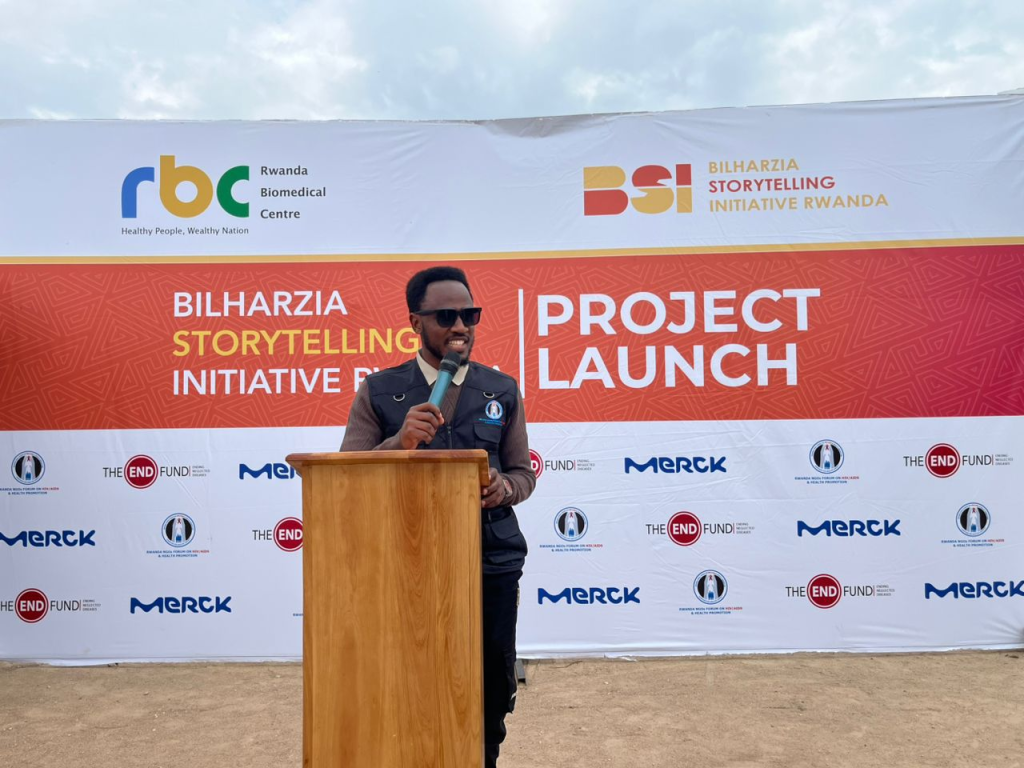
Photo:Dr. Eric Niyongira of Rwanda NGOs Forum outlines the goal of eliminating bilharzia nationwide during the Ruhango launch of the Bilharzia Storytelling Initiative.
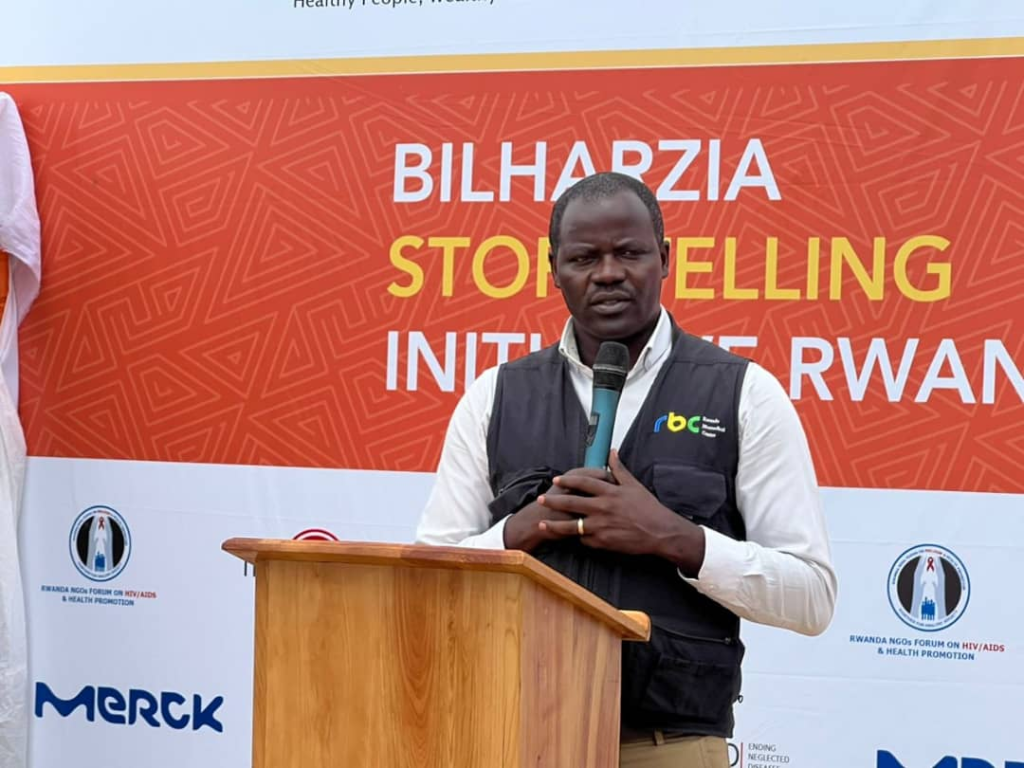
Photo:Nshimiyimana Radslas of RBC explains strategies to prevent and control neglected diseases, including bilharzia, during a community awareness session in Ruhango District.
Other Events Photos:
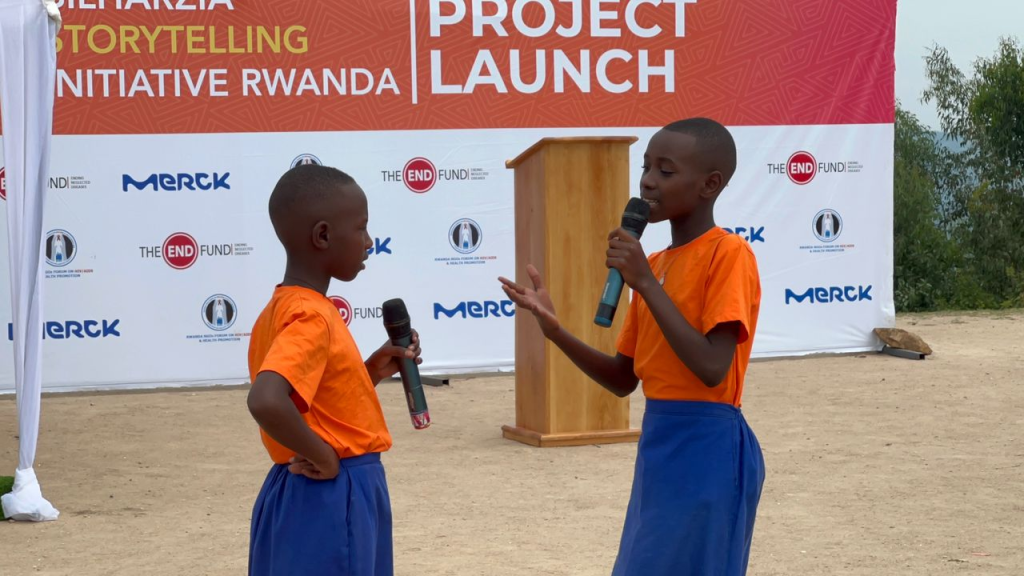
Photo: Children perform a drama to educate their classmates on bilharzia prevention and safe hygiene practices.
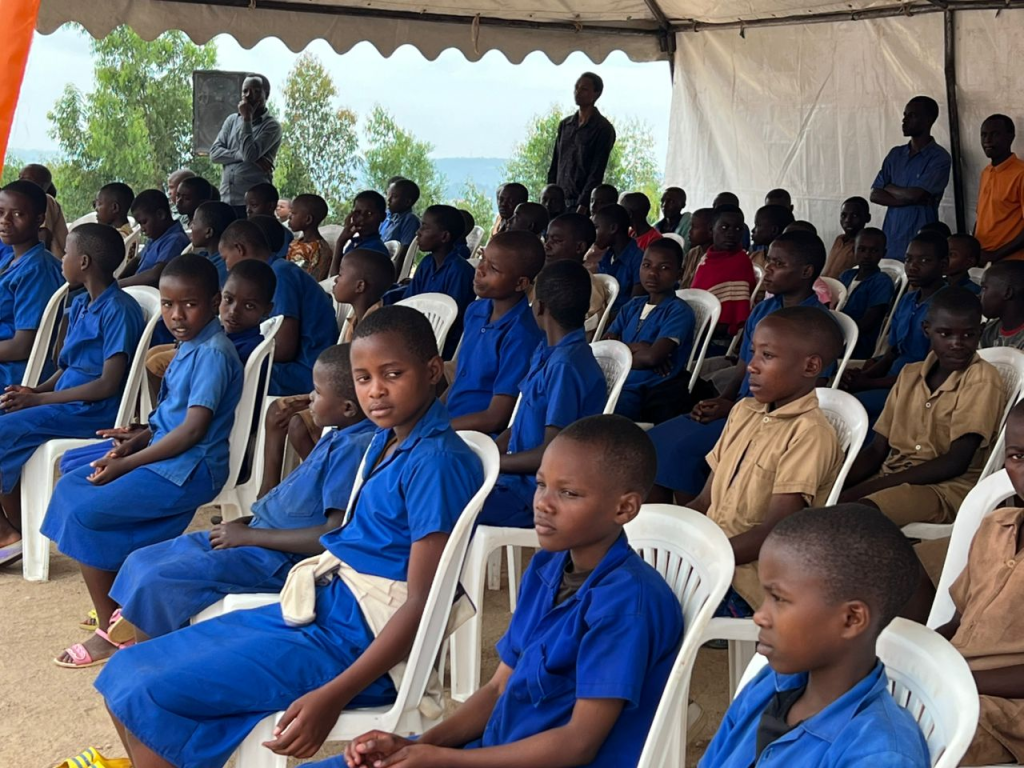
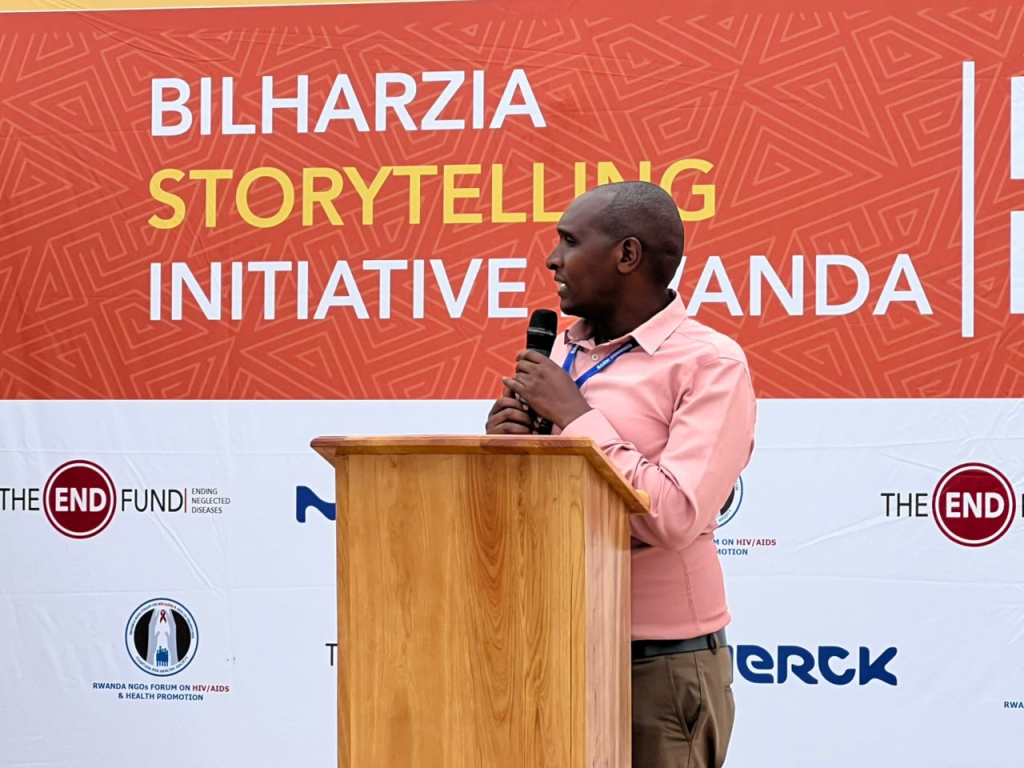
Photo:Local authorities in Ruhango District participate in the Bilharzia Storytelling Initiative, supporting community awareness and disease prevention efforts.
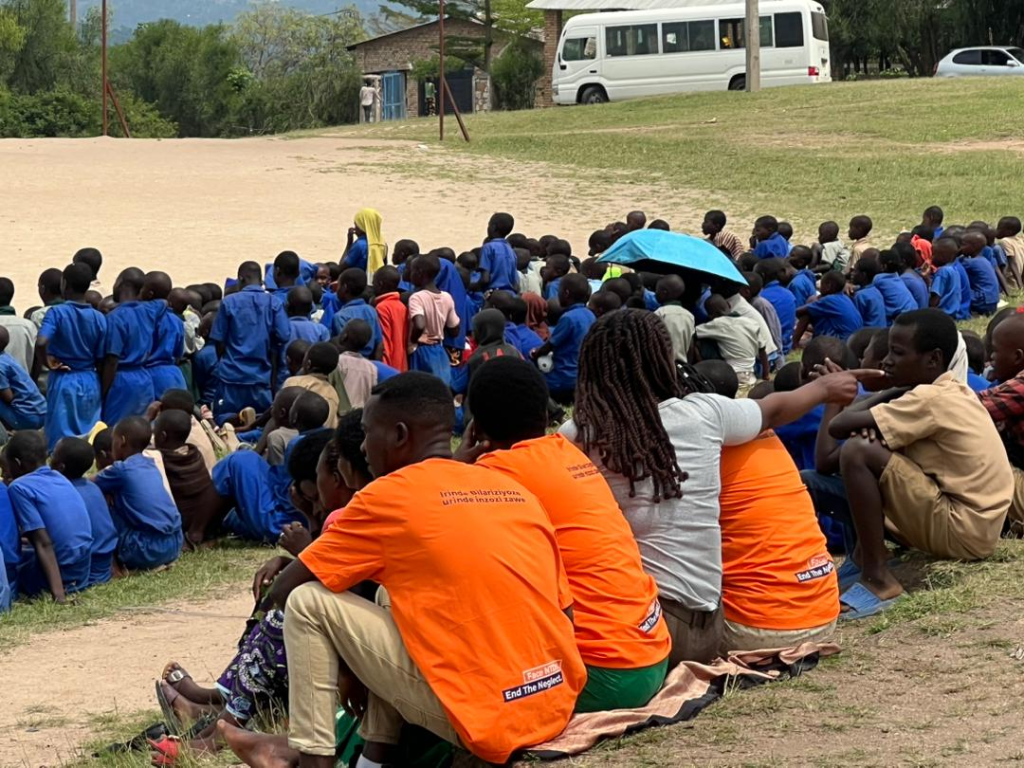
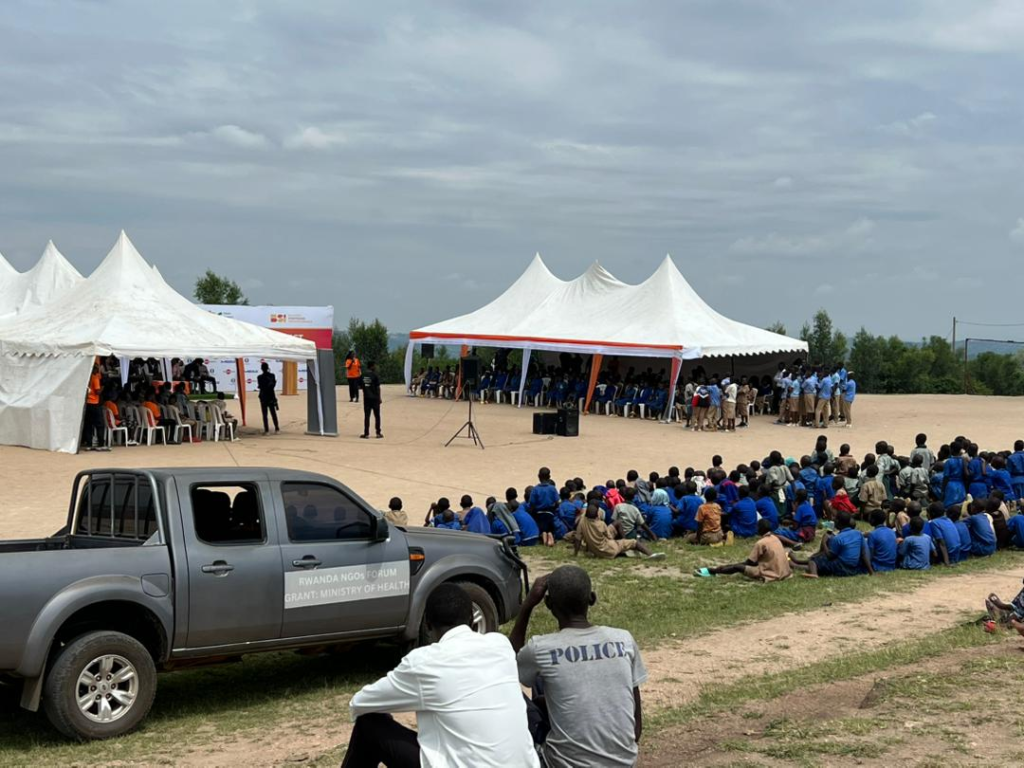
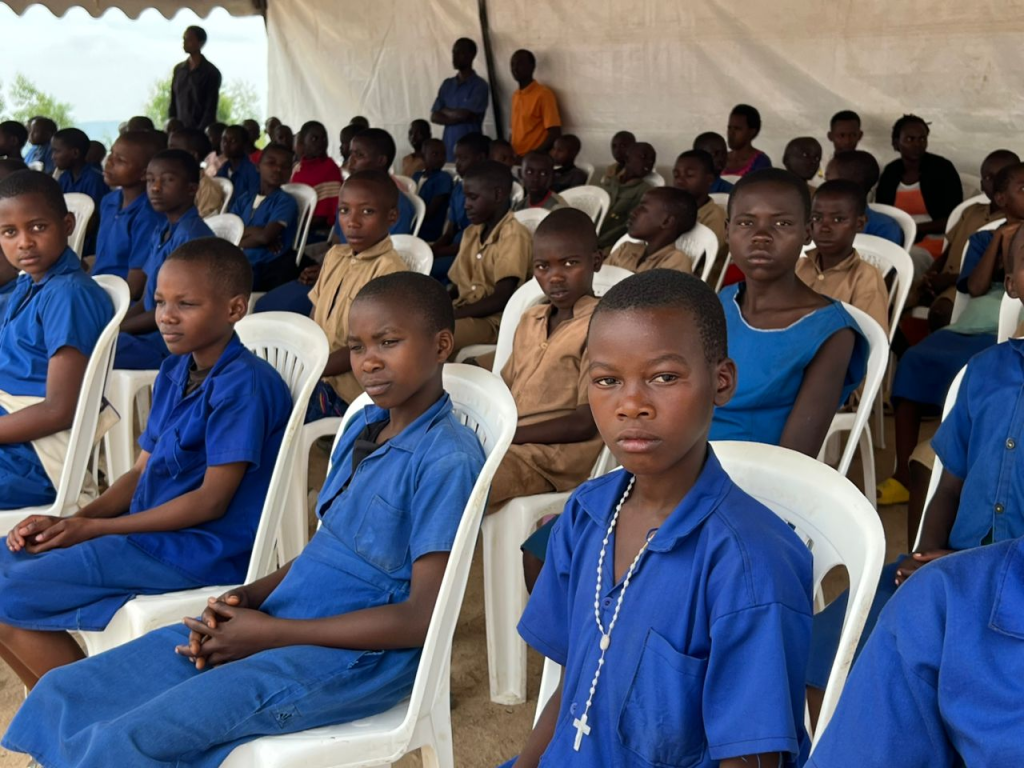
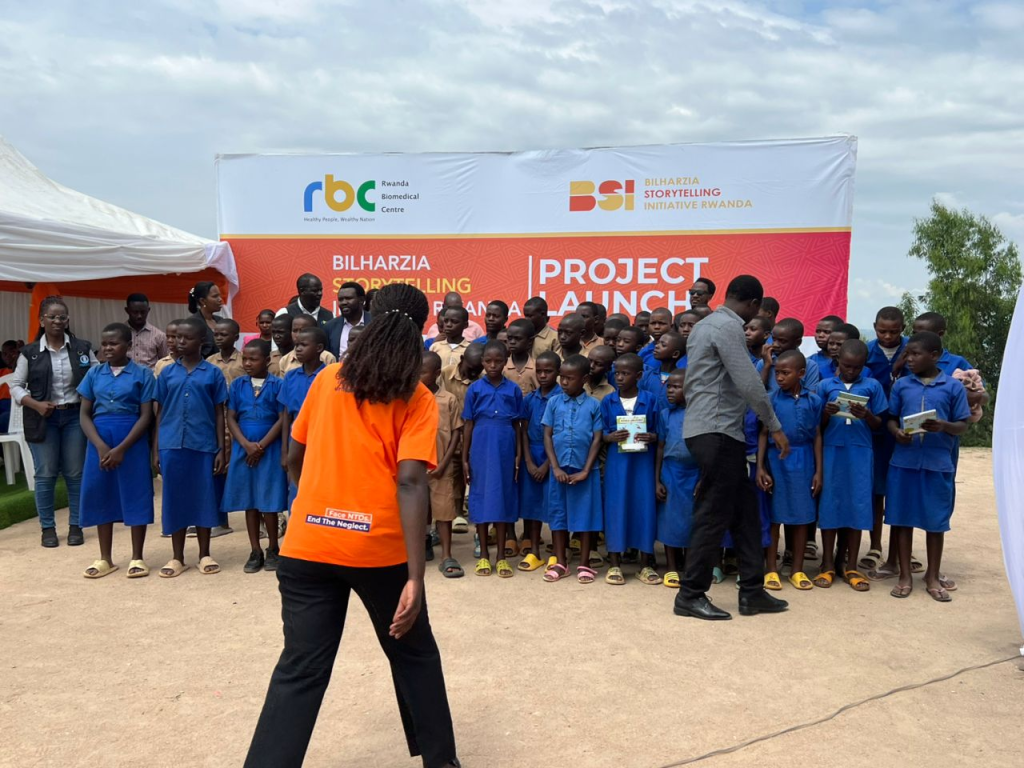
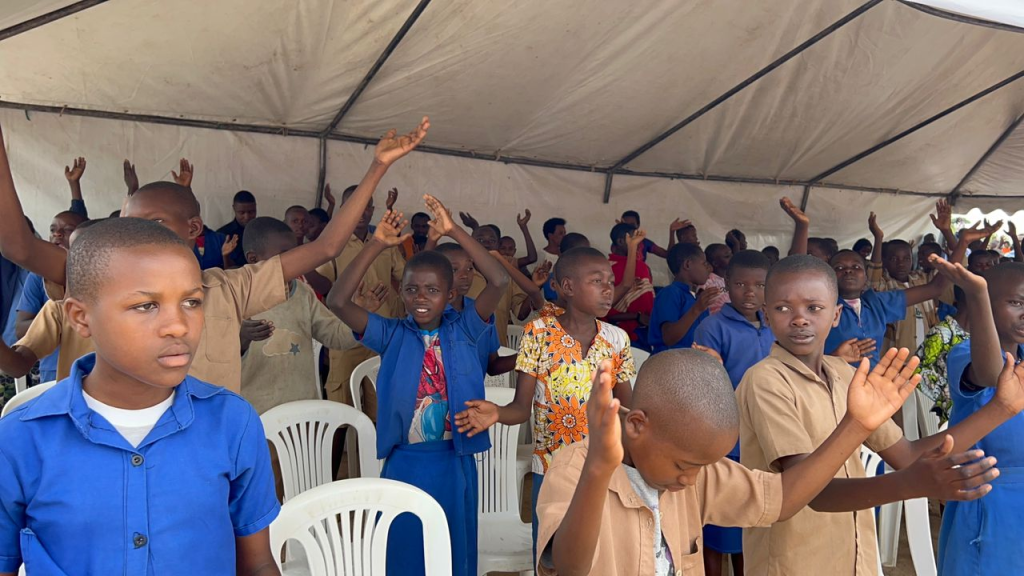
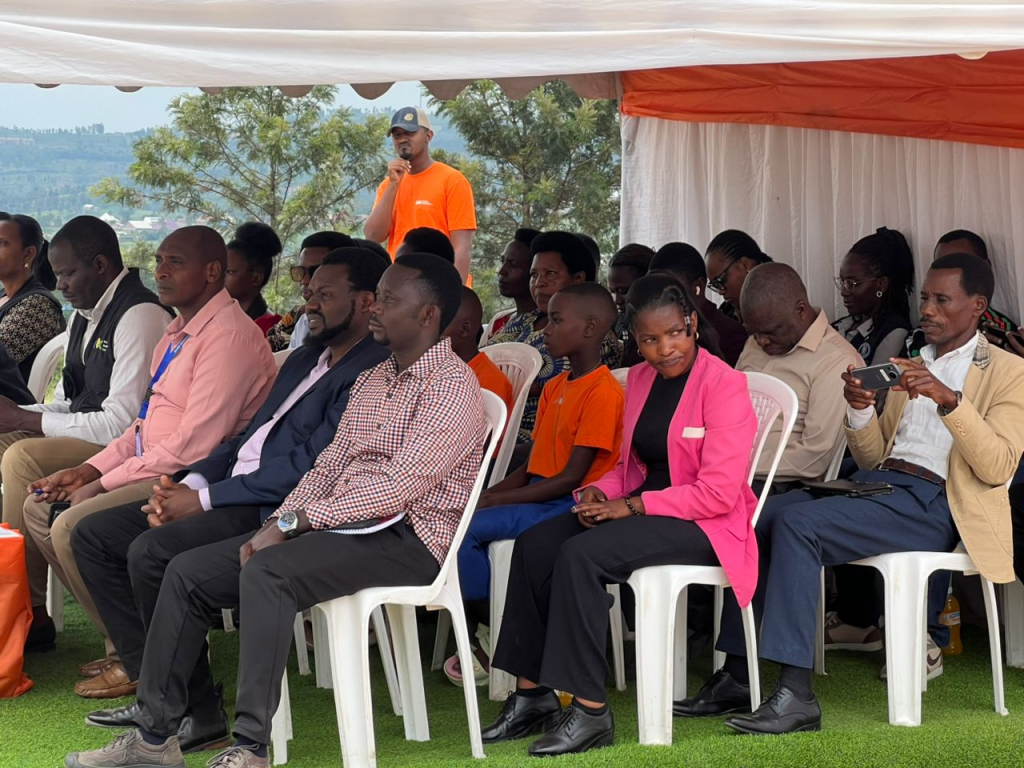
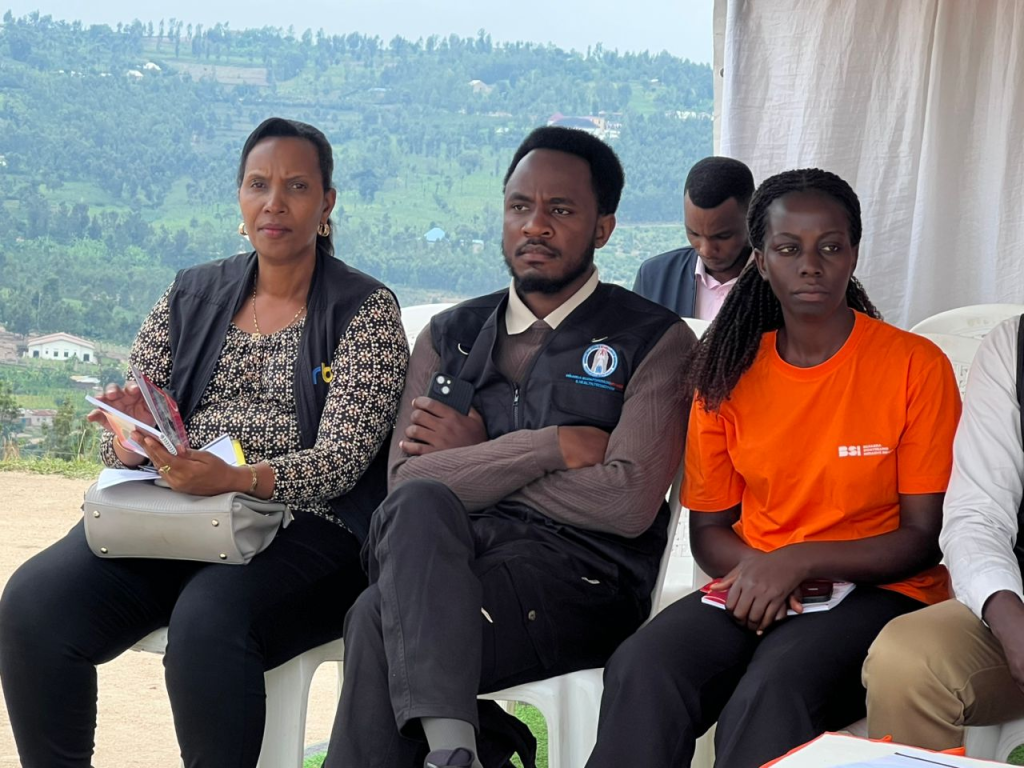
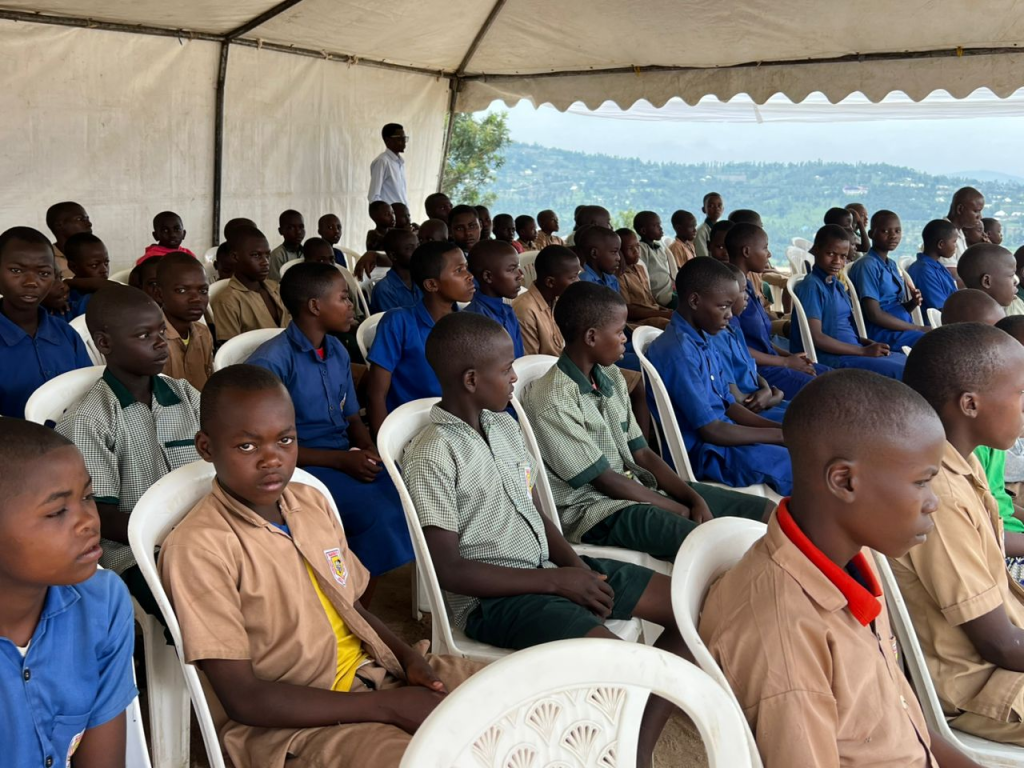
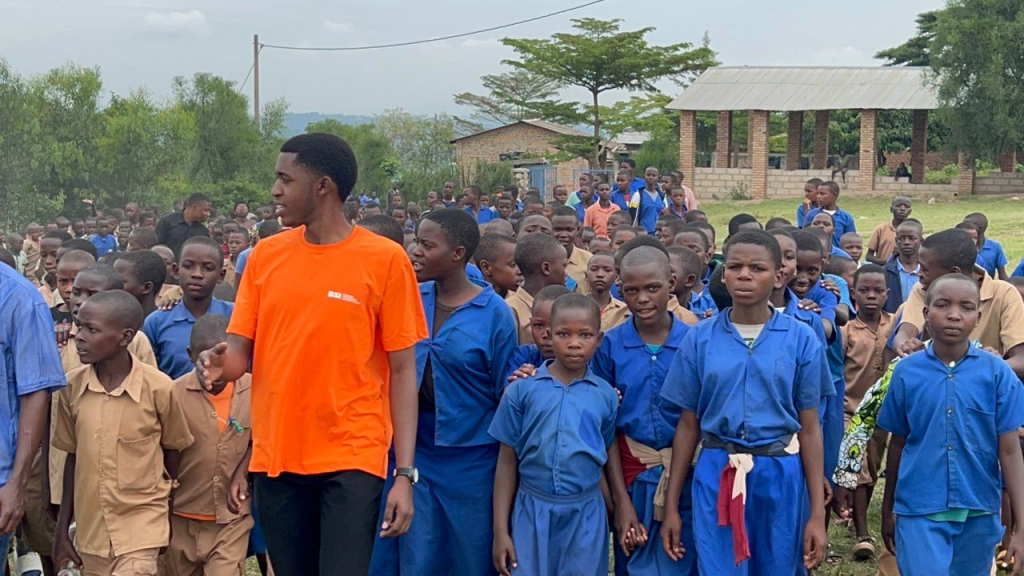
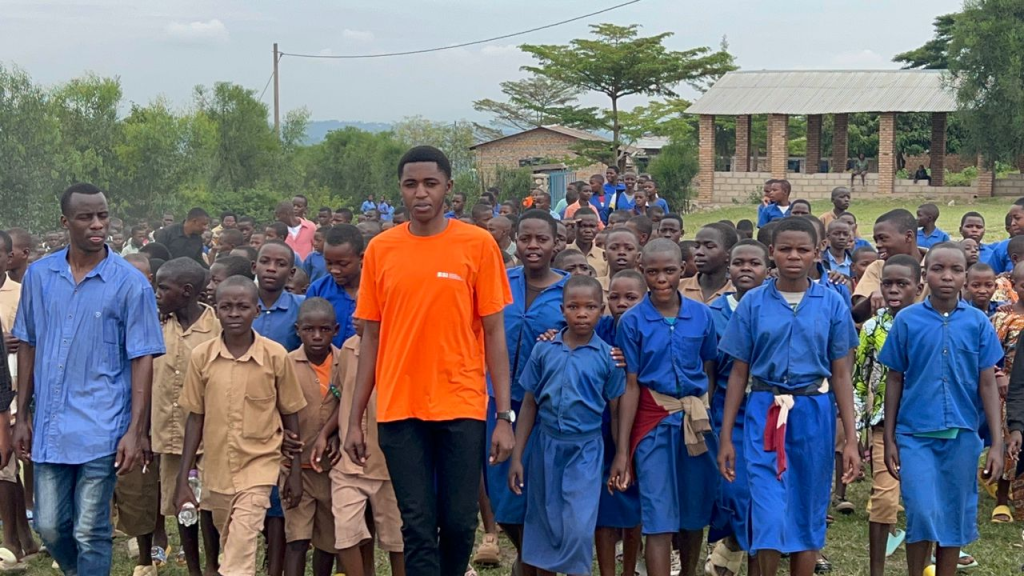
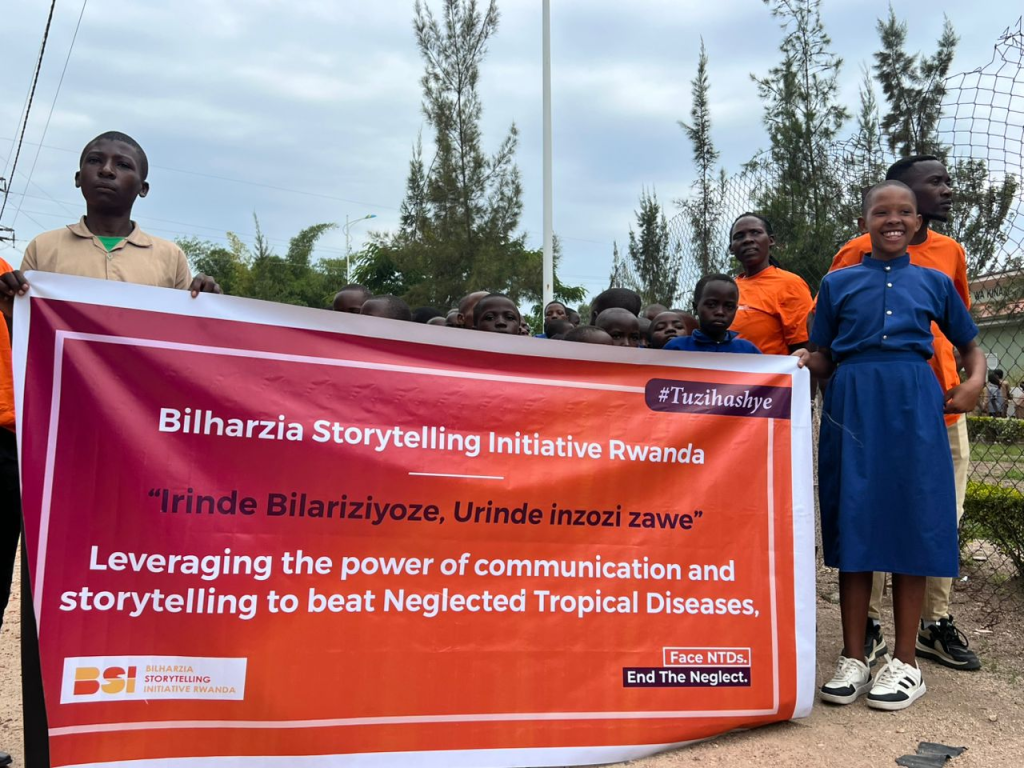
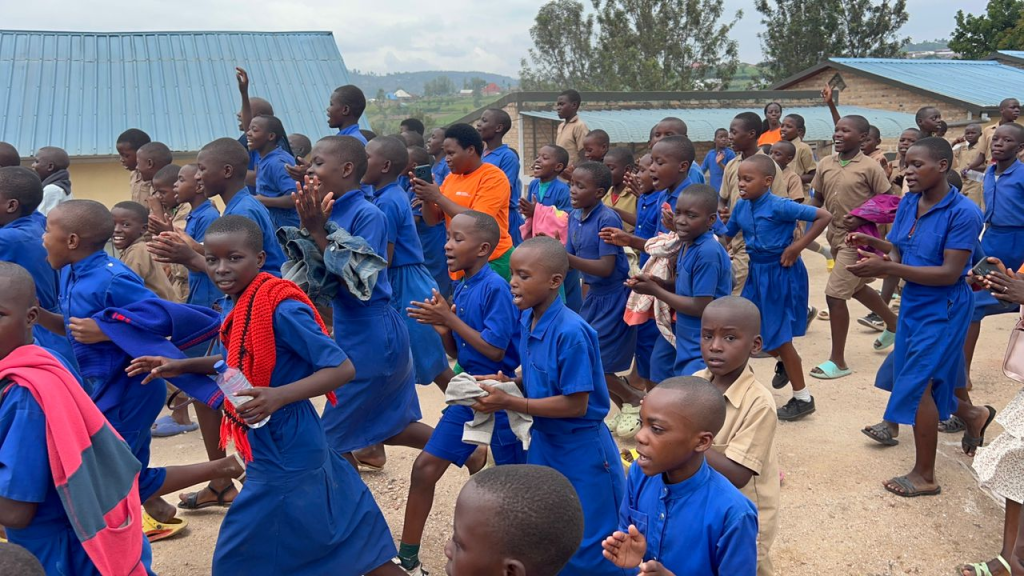
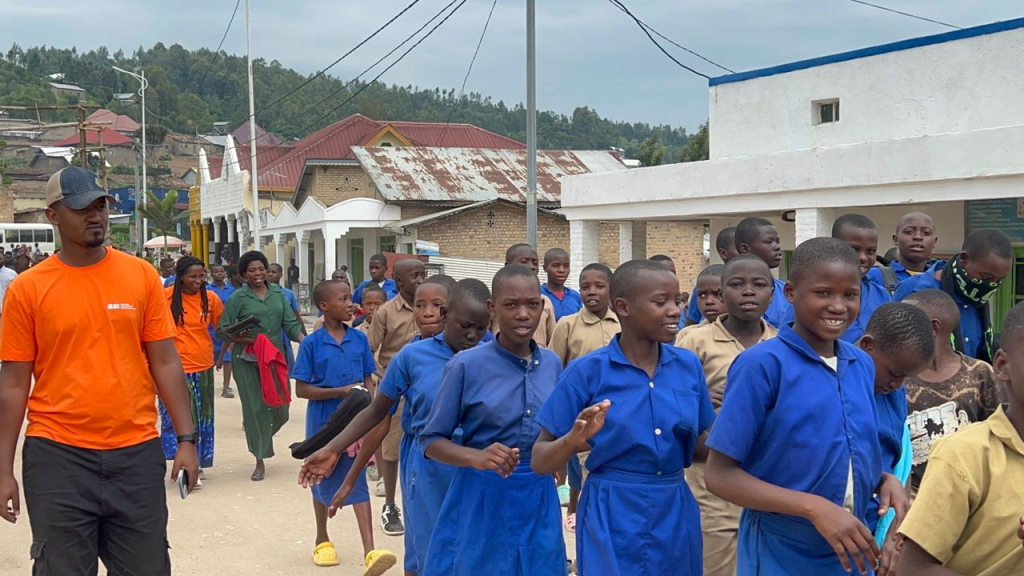
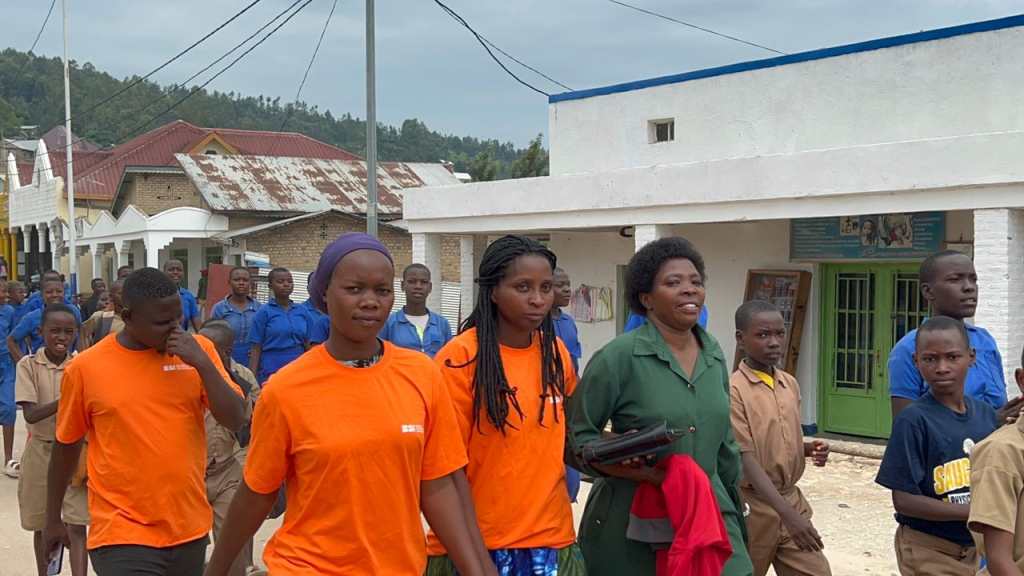
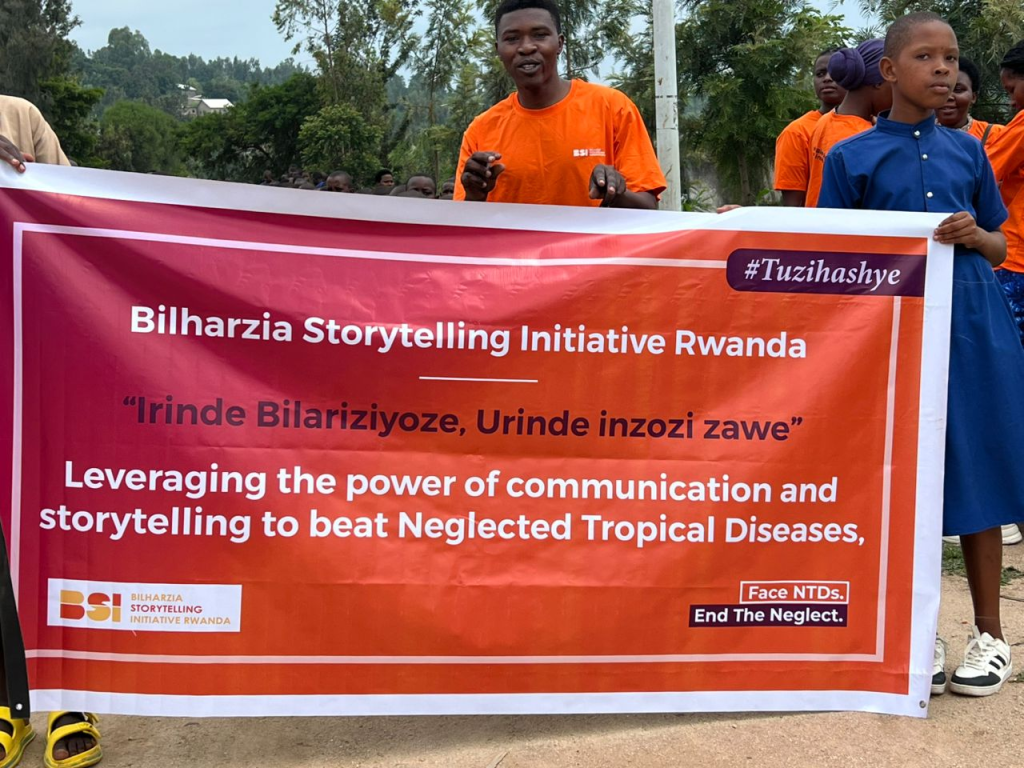
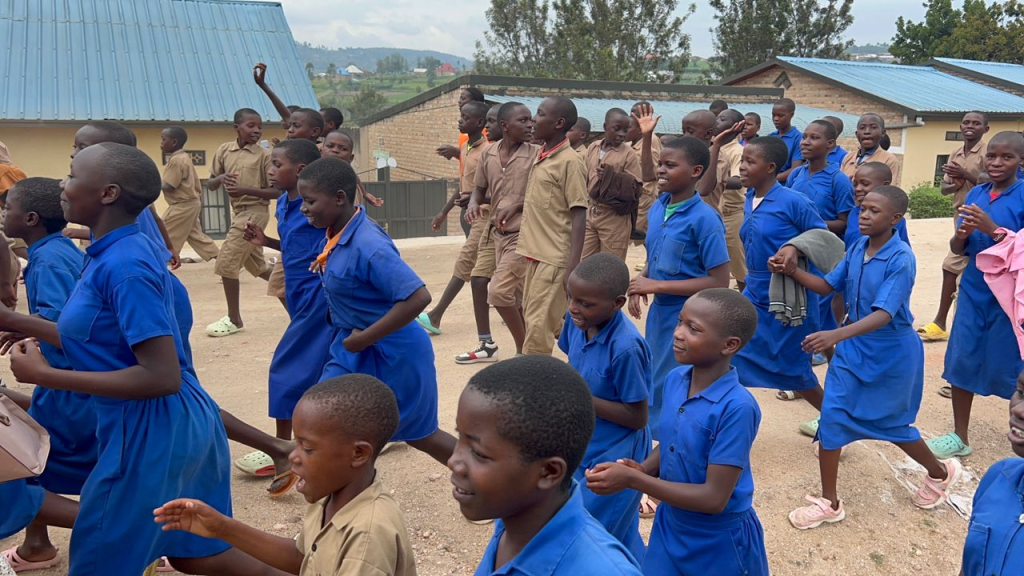
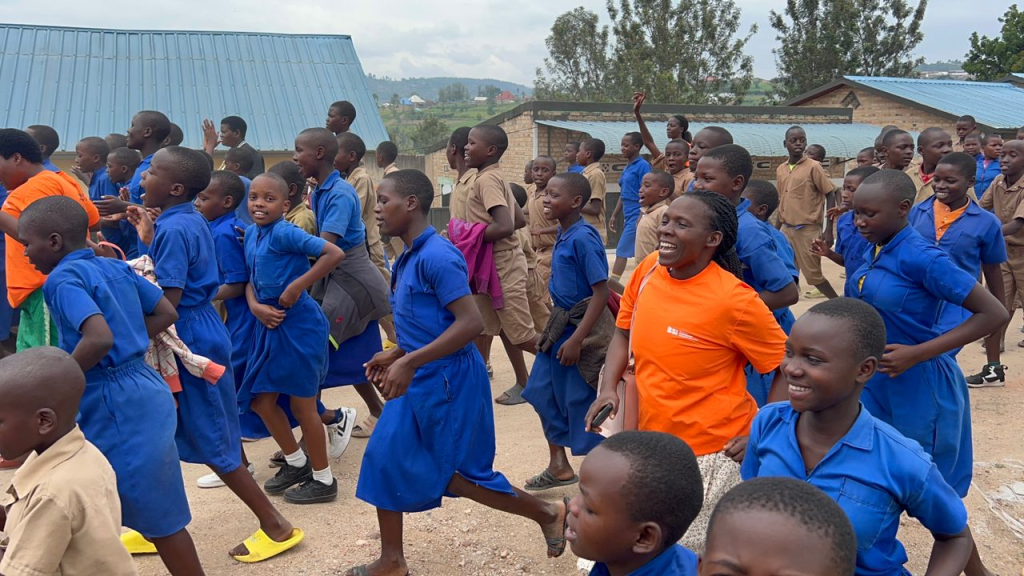
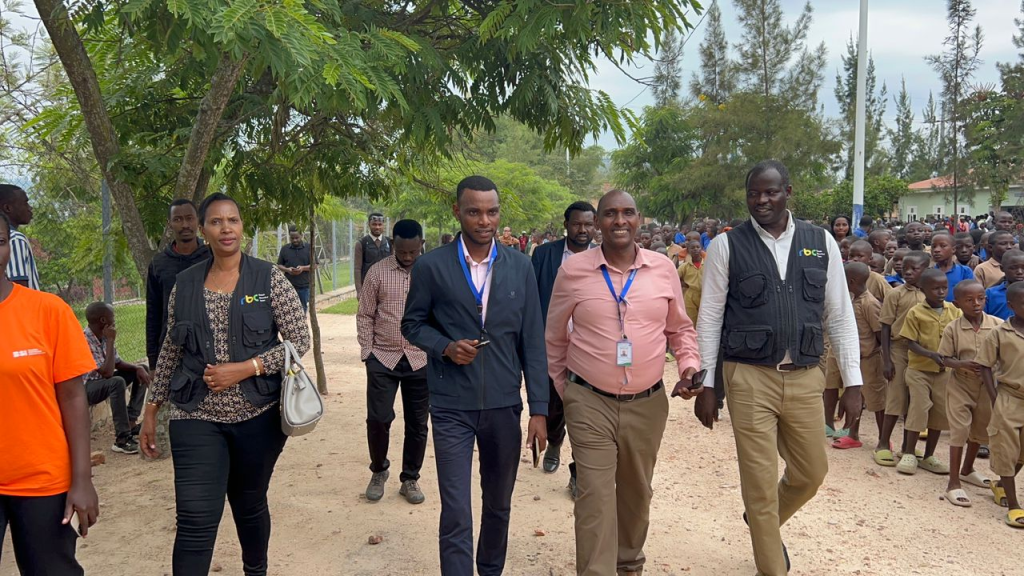
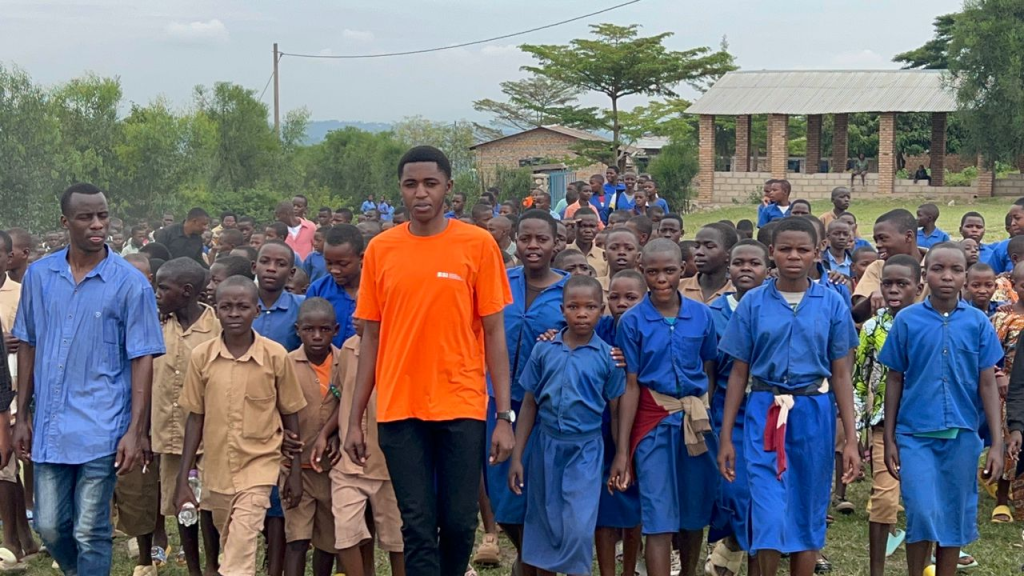
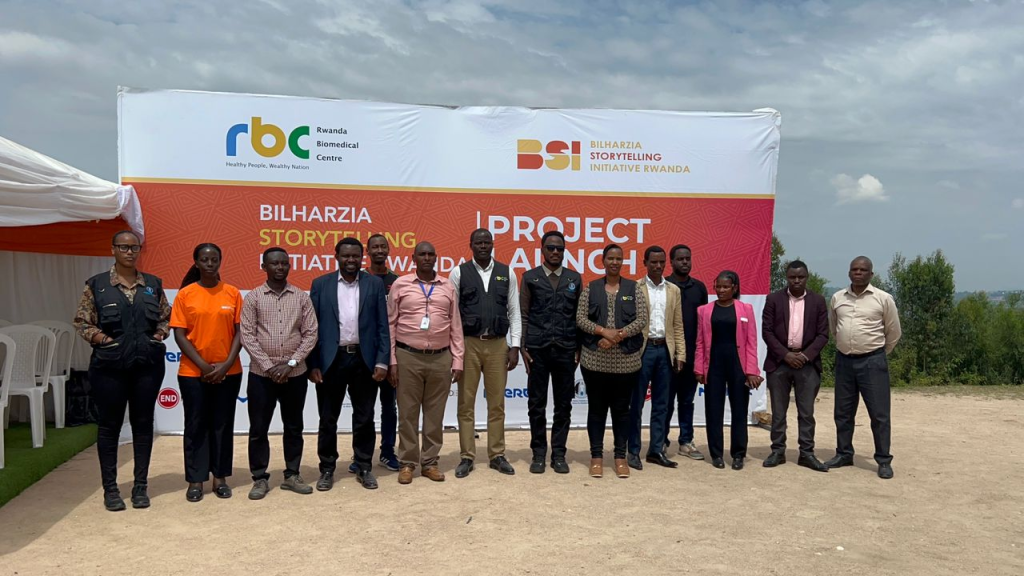
Photo:The Bilharzia Storytelling Initiative launched in Ruhango on 18 December 2025, uniting children, teachers, authorities, and health officials to raise awareness and prevent the disease.


