
 0
0
 0
0
By Francois Nshimiyimana
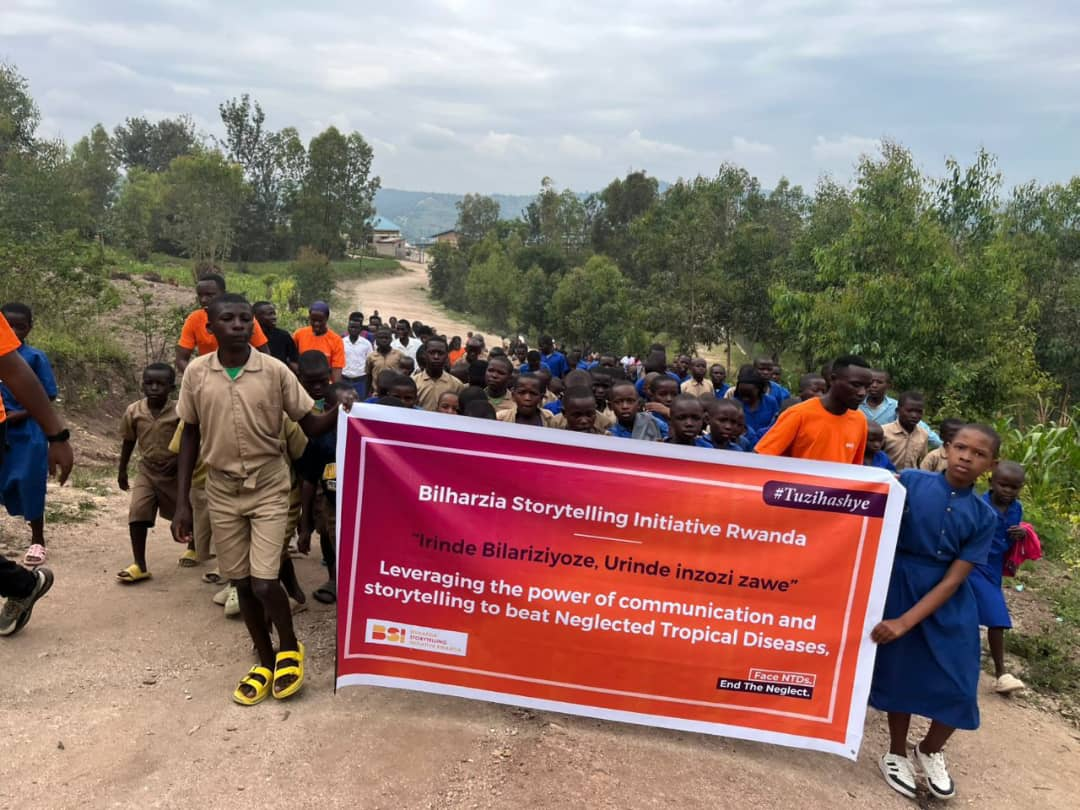
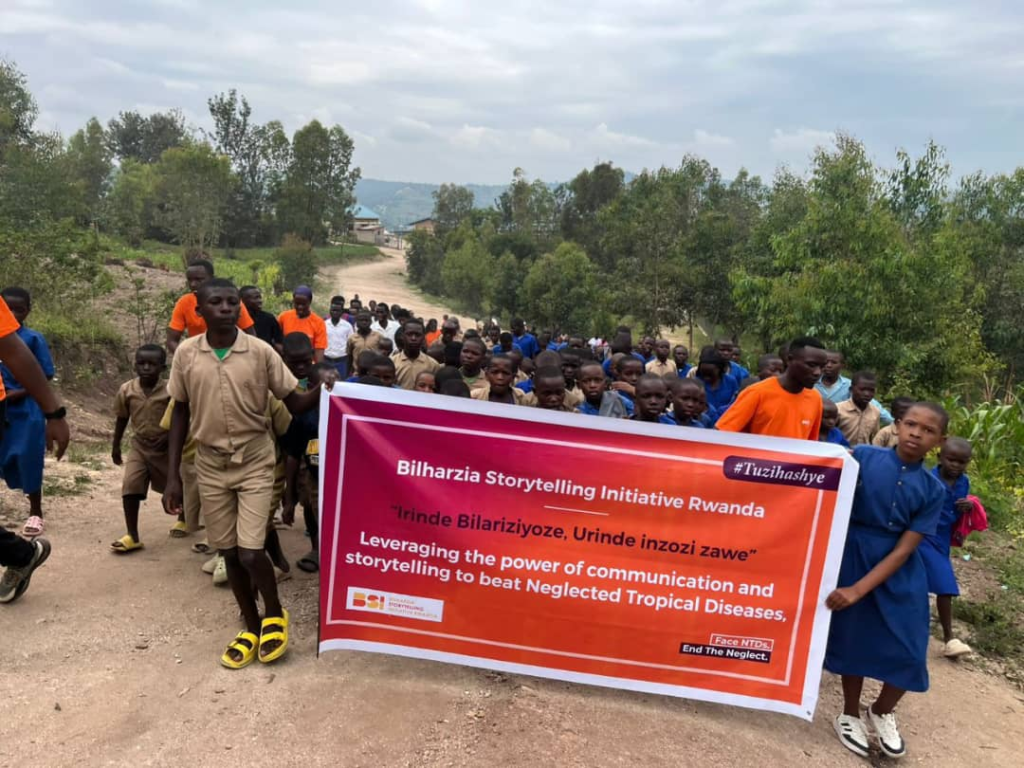
In Ruhango District, on Thursday, the Rwanda NGOs Forum, in collaboration with the Rwanda Biomedical Centre (RBC), the END Fund, and other partners, launched a project called the Bilharzia Storytelling Initiative (BSI) aimed at combating and ultimately eliminating bilharzia in Rwanda.
The project will focus on using stories, drama, poems, games, and other recreational activities to promote behavior change, particularly among schoolchildren. It seeks to teach how bilharzia is transmitted, how to prevent it, the importance of hygiene and sanitation, and the need for prompt treatment when symptoms appear.
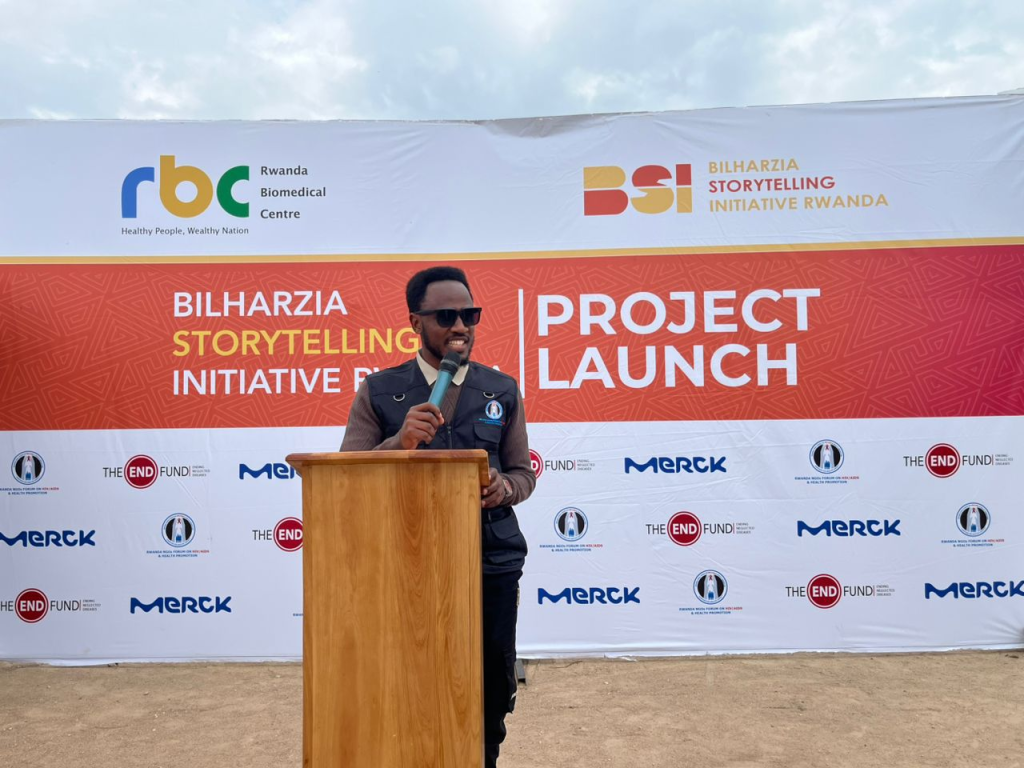
Project organizers said that prioritizing children in this awareness campaign will help them become health ambassadors within their families and communities, sharing knowledge directly with residents and fostering sustainable behavior change.
A resident and teacher in Kinazi Sector, Karubuga Village, Bamurange Pascaline, said the campaign provided extensive training, including guidance on how to educate children about avoiding harmful parasites.
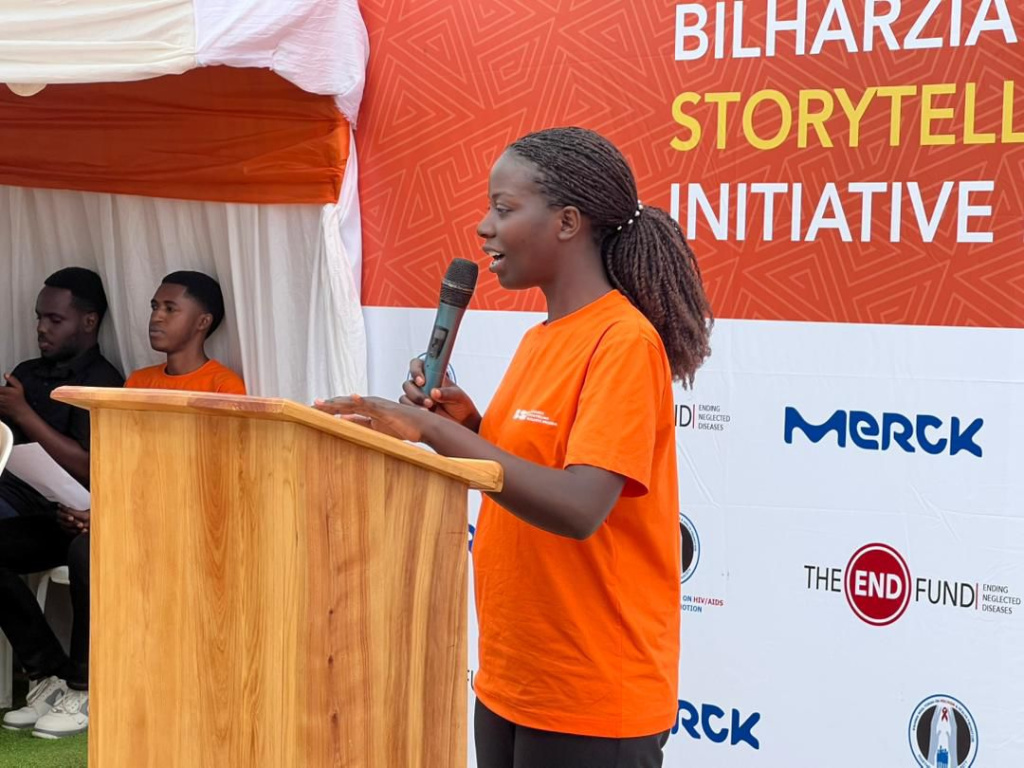
She said, “As a resident and teacher in this district, we will teach our children that urinating or defecating in open fields is harmful because it exposes them to parasites that can cause disease. I did not know that bilharzia, which we were taught about, could affect young children due to poor sanitation in fields. From now on, we will maintain hygiene and do everything possible to fight it.”
Another resident and teacher in the same sector, Mukadine Clementine, said the campaign taught her that bilharzia spreads very quickly and can affect anyone, both young and old.
She said, “What I learned in this campaign is significant, but the most important thing is that I now understand it is largely caused by human waste left in open areas. I will teach students to avoid defecating in open fields and encourage every resident to maintain proper sanitation facilities.”
Dr. Eric Niyongira, representing the Rwanda NGOs Forum, said the ultimate goal of the initiative is to eliminate schistosomiasis.
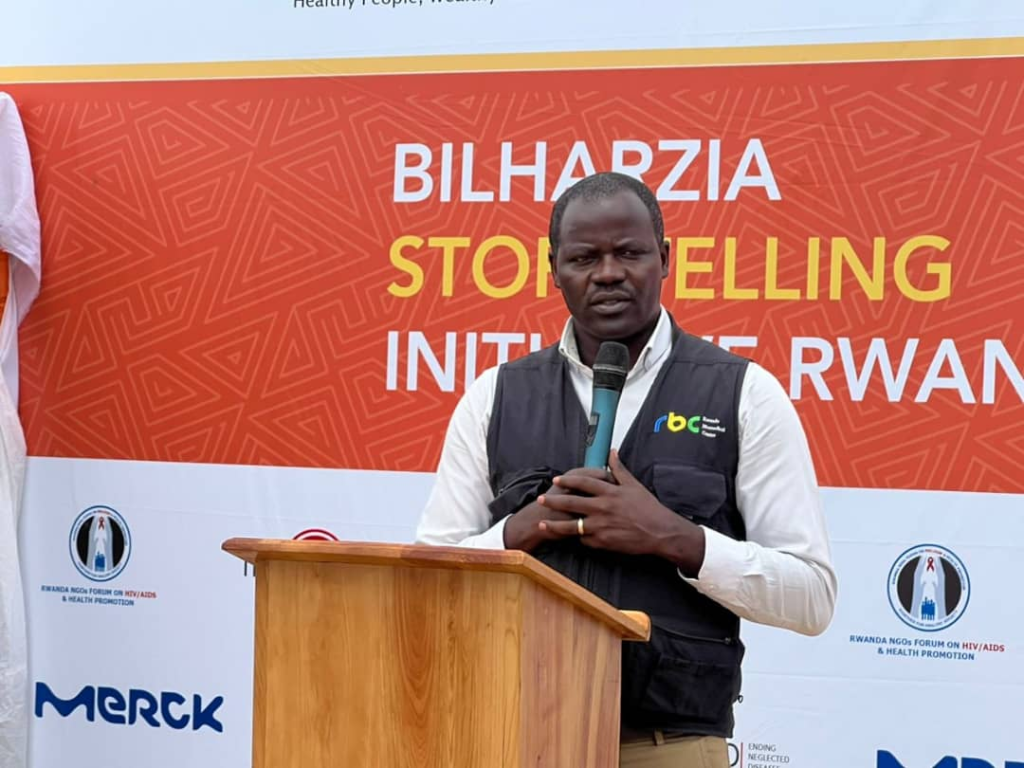
He said, “The objective we have now is to eradicate bilharzia nationwide. We started here in Ruhango District, but the goal is to reach all districts across the country.”
Yvonne Ninyembabazi, BSI Coordinator for Bugesera, Ruhango, and Gatsibo Districts, urged parents to prevent children from swimming in unsafe water bodies.
She said, “Bilharzia is a very dangerous disease. In our areas, children are heavily affected because they often swim in contaminated water. This waste is a major cause of the disease. Bilharzia not only spreads quickly but also severely affects children, causing them to miss school due to fever. Those infected at a young age may develop stunted growth because the worms feed on the nutrients they consume.”
The parent continued, noting that bilharzia also affects adults, leading to weight loss, anemia, and poverty because infected individuals are unable to work effectively.


