
 0
0
 0
0
By Christophe Uwizeyimana
Ruhango District, particularly the sectors located in the Amayaga region, was for many years severely affected by drought, to the extent that residents say the area was nearly becoming a desert, since hardly any trees could be found there. This also meant that whenever it rained, the runoff caused soil erosion, leading to continuous losses for farmers. However, after the Green Amayaga project was introduced; providing training, tree planting support, riverbank protection, and general environmental conservation—the hope of local communities has been restored.
What Residents of Amayaga Say
Bernadette Niyonagira, a resident of Buremera Village, Mbuye Cell, Mbuye Sector, says the Green Amayaga project revived farmers’ livelihoods, especially in Ruhango. She says:
“Before, this place looked like a desert. We would cultivate but harvest nothing because we never received rain on time, as there were no trees left to attract rainfall. But since Green Amayaga came, our lives have changed; we farm and harvest like others. You can now see trees and bamboo everywhere. We have gained so many benefits. There is now fresh wind because of the trees, different animals have returned, and some bird species that had disappeared have also come back. They brought us something truly good. This area is now green and flourishing.”
Jean Baptiste Niyibishaka, also from Buremera Village, says that before the introduction of the project, rivers constantly eroded their land. He explains: “Before trees were planted, whenever it rained the soil kept being washed away daily. But now, as you can see, the problem is gone. Trees have strengthened the land. Our biggest loss was watching our soil being carried away.”
Fulgence Rwagasana, a farmer working near the Ururumanze River, shares a similar experience. He says:
“Before bamboos were planted, the river water used to overflow all the way up the hillside, washing away soil. But since bamboo was planted, it now regulates the water flow. Soil erosion has greatly reduced. These trees planted by the Green Amayaga project are very helpful. Previously the water advanced toward people’s farms every day, even damaging the bridge, but now the issue has been solved.”
Fulgence adds:
“In recent years this area was being hit by severe sunlight, leaving us farmers hopeless about harvesting anything. But when Green Amayaga came, they helped us plant agroforestry trees. Now the area is green, the trees reduce erosion on farms and around homes, they provide firewood, and they attract rainfall to the extent that we no longer lack it like before.”
Venuste Ndahayo, from Vunga Village in Mwendo Cell, says the project came as a savior to people living in the Amayaga region.
He explains: “This Ururumanze wetland you see used to overflow, washing away soil and destroying crops, forcing us to abandon some farmlands. But since trees were planted along its banks and on surrounding hills, life has returned here. As residents, we will never destroy these trees because they benefit us. We will continue protecting them and keep promoting tree planting and conservation of this river.”
How the Project Achieved Its Goals
According to Remy Songa, the Green Amayaga Project Manager, community training on climate change and environmental protection was the foundation for these achievements.
Community Engagement and Training
Residents were first trained on climate change and environmental conservation and shown their role in tree planting and maintenance in the Amayaga region. A 10-meter riverbank buffer zone was established along rivers, and trees were planted there, a measure the community welcomed enthusiastically.
The Role of Trees in Protecting Soil and the Environment
Mr. Songa explains:
“Take bamboo as an example: there are different species, but the ones planted here have deep roots that stabilize the soil, while still allowing grasses and even small animals. once lost to grow and return underneath.”
Key Activities Implemented in Ruhango District
- Planting agroforestry trees
- Digging water diversion trenches
- Planting trees along roads
- Conserving riverbanks using bamboo
- Supporting some households with livestock such as goats and cows
- Providing gas to five schools
- Planting fruit trees
- Rehabilitating degraded forests
Impact on Ruhango District
Emmanuel Byiringiro, Head of Agriculture, Livestock, and Natural Resources in Ruhango District, says the project has been transformative.
He states:
“When the project started, biodiversity in the Amayaga region; covering Ruhango, Kinazi, Ntongwe, and Mbuye sectors was heavily degraded. This area was on its way to becoming a desert. There were no trees. But now you can see it is green. Various tree species, including Grevillea, have been planted.”
Under the Green Amayaga project in Ruhango;
- 4,244 hectares of agroforestry trees were planted on agricultural land
- 47.7 hectares of trees were planted along riverbanks
- 39 hectares of new forests were established
- Trees were planted along 308 km of roads, covering 308 hectares
- Over 60,000 fruit trees were planted
- Five schools were equipped with gas for clean cooking
- 3,100 households received improved stoves
These activities in Ruhango, implemented jointly by the project and local communities, cost a total of 1.36 billion Rwandan francs. The Green Amayaga Project started on October 23, 2020, as a six-year initiative to restore forests in Rwanda’s Amayaga region, meaning it was scheduled to end in late 2025, though plans are already underway to scale up and expand the project beyond its initial timeframe into 2030 and beyond, focusing on resilience and further ecosystem restoration.
How REMA Implemented the Green Amayaga Project
The Rwanda Environment Management Authority (REMA) implemented the Green Amayaga Project through a wide range of activities designed to restore degraded landscapes, protect biodiversity, and build climate resilience in the districts of Kamonyi, Ruhango, Nyanza and Gisagara.
First, REMA launched the project in October 2020 and began restoring forests across the Amayaga region. This included rehabilitating more than 550 hectares of degraded natural forests such as the Kibirizi-Muyira forest and the Busoga reserves and improving the productivity of plantation forests. These forests are home to important biodiversity and provide essential ecosystem services to surrounding communities.
Second, REMA strengthened sustainable land management in agricultural zones. The project aims to restore and rehabilitate 263,000 hectares of farmland through soil conservation, erosion control and protection of marshlands and buffer zones. These interventions help increase agricultural productivity and stabilize the environment.
Third, to reduce pressure on forests, REMA promoted clean and efficient household energy solutions. Communities received improved cookstoves and support for sustainable charcoal production so that forest resources are used more responsibly. The project also focused on water resource management. Both small and large watersheds were rehabilitated to improve water availability for households, livestock and farming, ensuring communities are more resilient to climate shocks.
Overall, REMA implemented the Green Amayaga Project by combining forest restoration, climate-smart agriculture, clean energy technologies, and community-based ecosystem management, leading to a greener, healthier and more climate-resilient Amayaga region.
Photos:
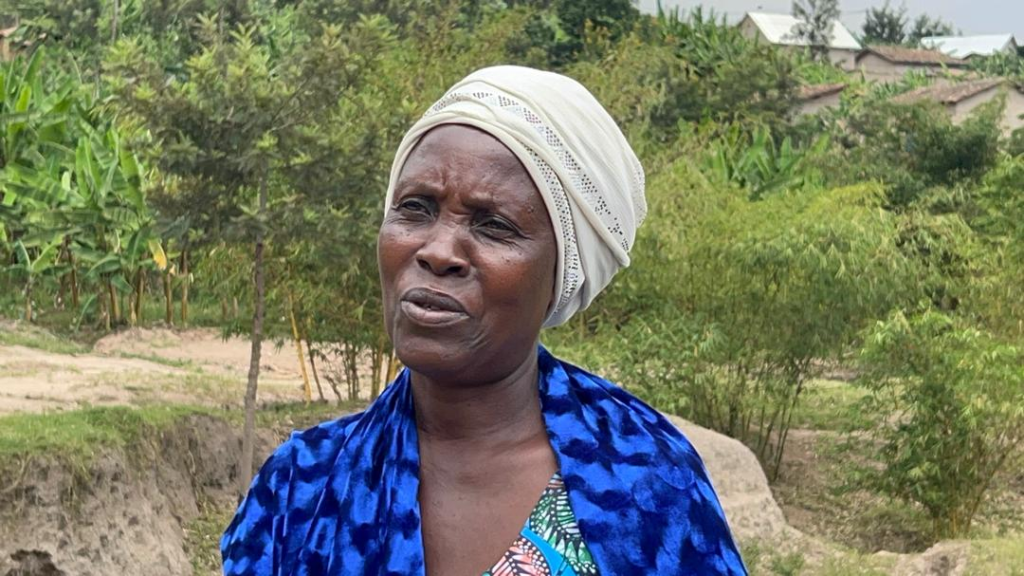
Photo: Bernadette Niyonagira says the Green Amayaga Project turned her once dry, unproductive village into a greener and more fruitful community.
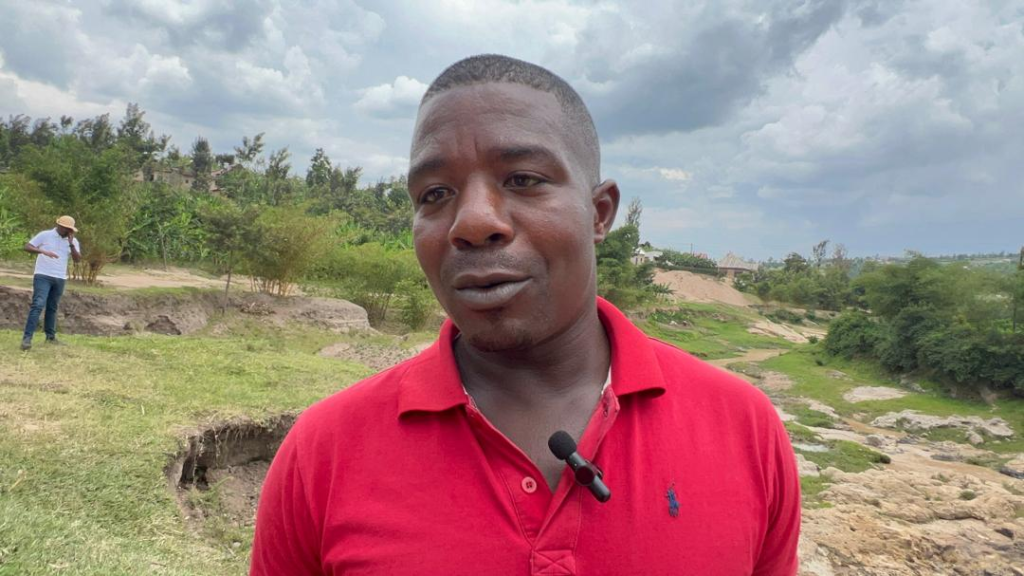
Photo:Jean Baptiste Niyibishaka says trees planted through the Green Amayaga Project stopped the soil erosion that once washed away their land during every rainfall.
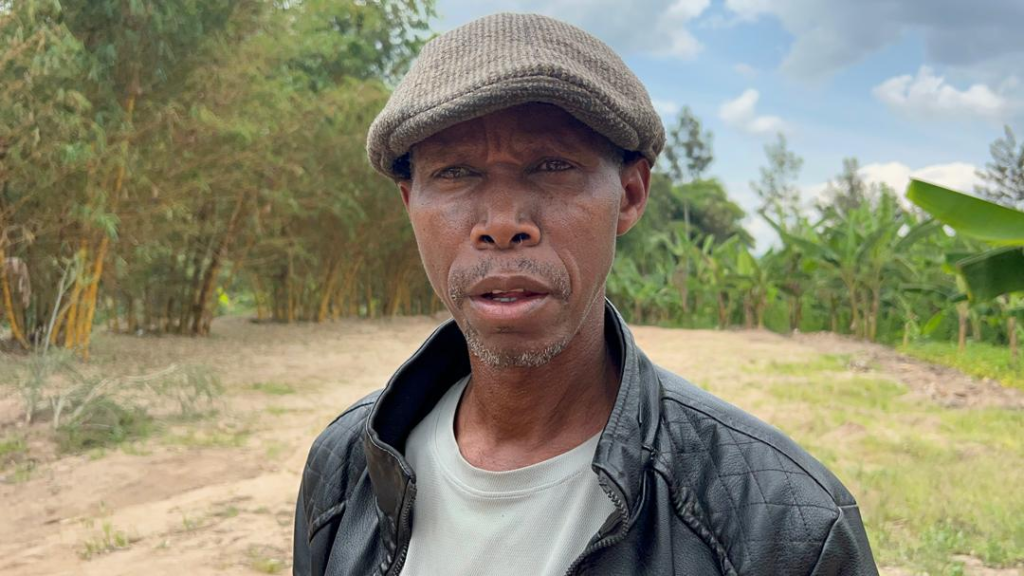
Photo:Fulgence Rwagasana says the bamboos and agroforestry trees planted by the Green Amayaga Project stopped river overflow, reduced soil erosion, and helped turn the once harsh area green again.
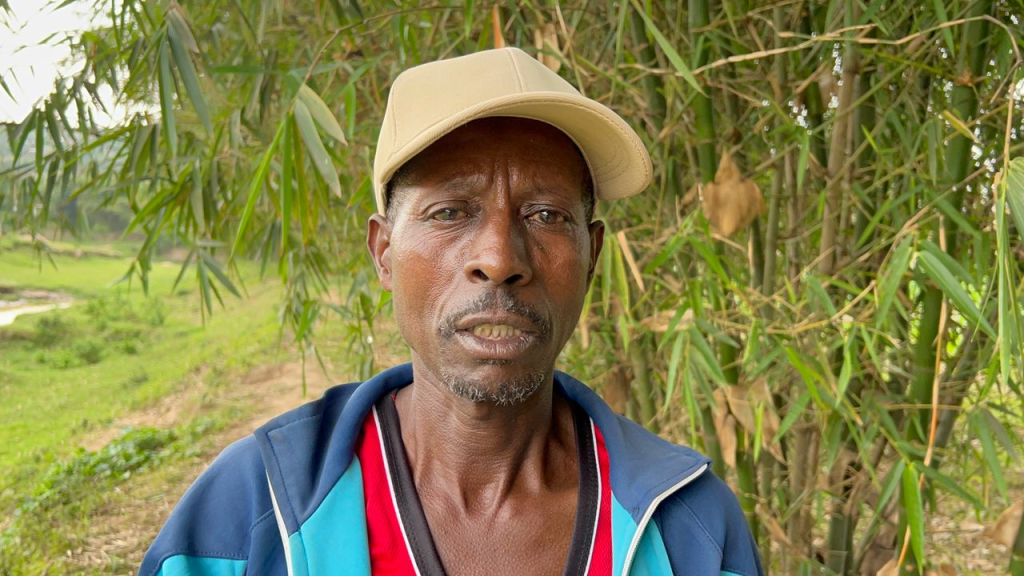
Photo:Venuste Ndahayo says the Green Amayaga Project restored life to the Ururumanze wetland, protecting soil, crops, and farmlands while encouraging the community to care for the trees and river.
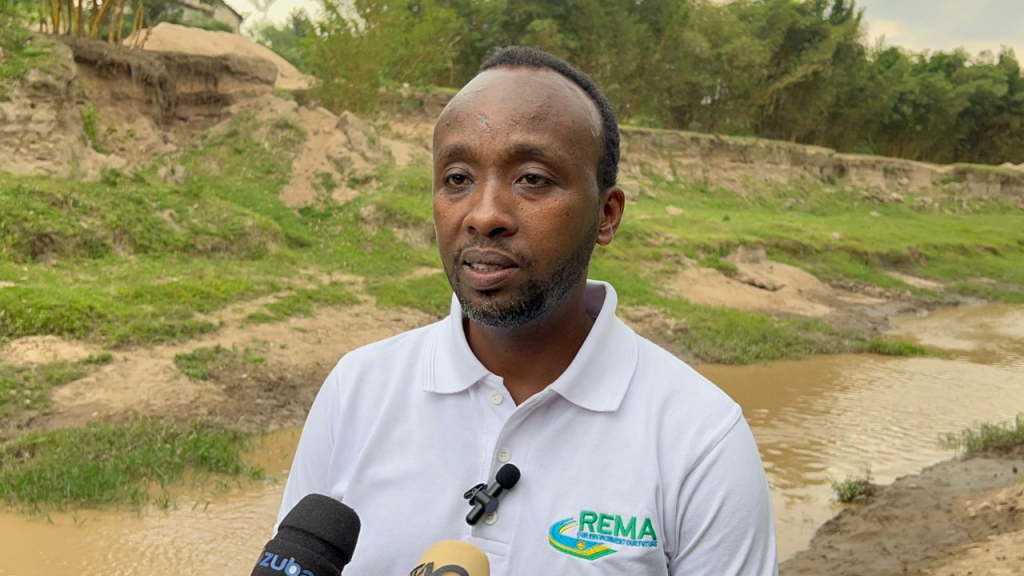
Photo:Remy Songa, Green Amayaga Project Manager, says the project’s success started with training communities on climate change and environmental protection, where residents learned their role in planting and maintaining trees.
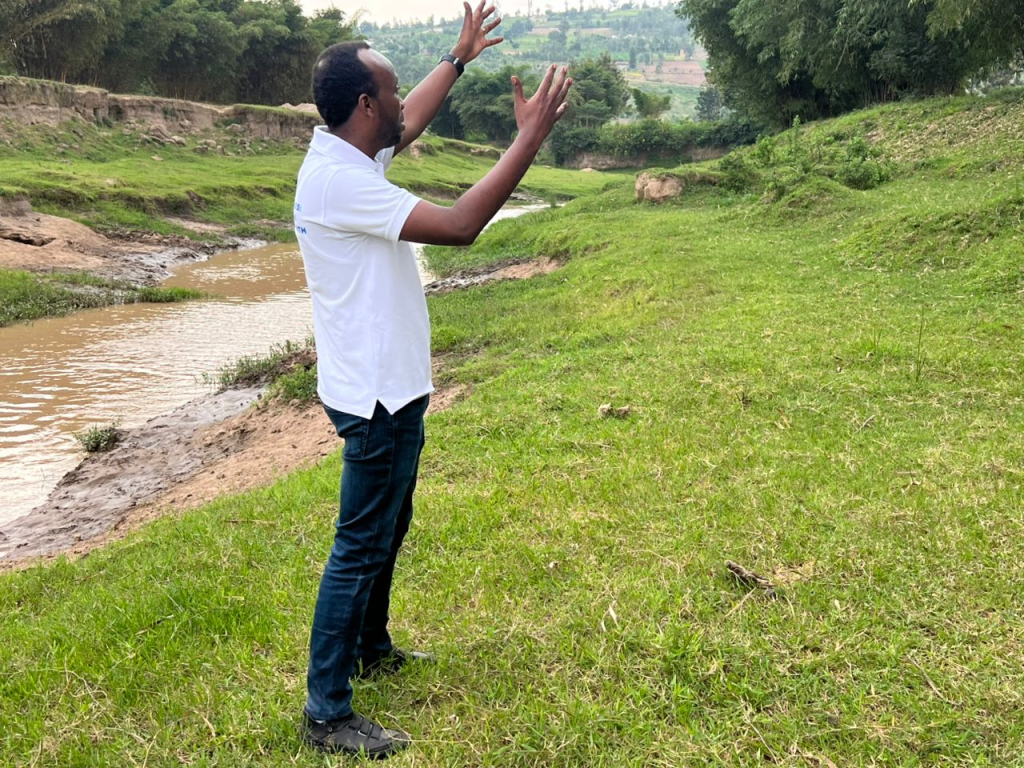
Photo: A 10-meter riverbank buffer zone was established, and the community embraced it enthusiastically.

Photo:Before the Green Amayaga Project, rivers in the Amayaga region frequently washed away soil and plants, causing severe erosion and loss of crops.
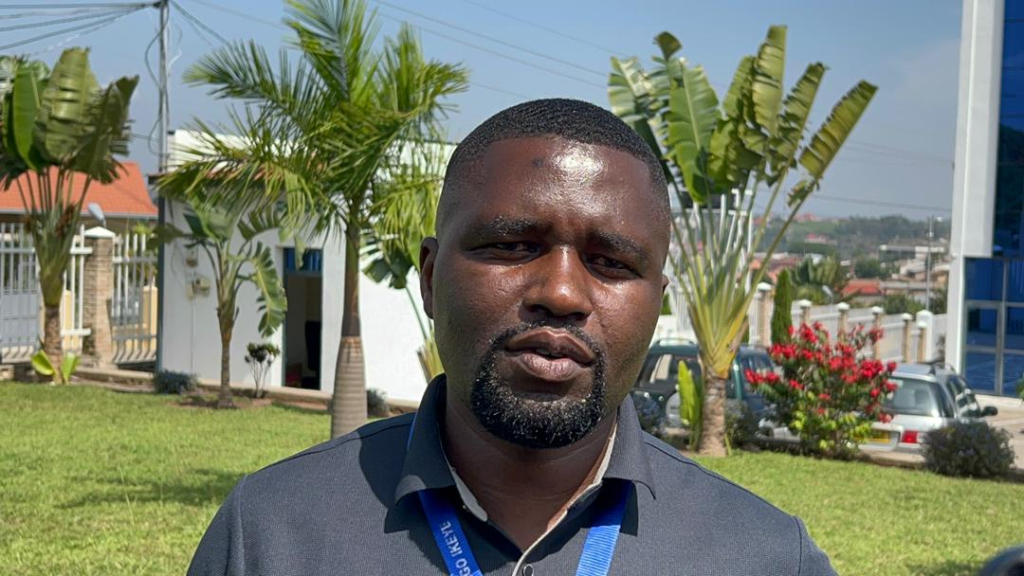
Photo:Emmanuel Byiringiro, Head of Agriculture, Livestock, and Natural Resources in Ruhango District, says that before the Green Amayaga Project, rivers in the Amayaga region frequently washed away soil and plants, causing severe erosion and loss of crops.
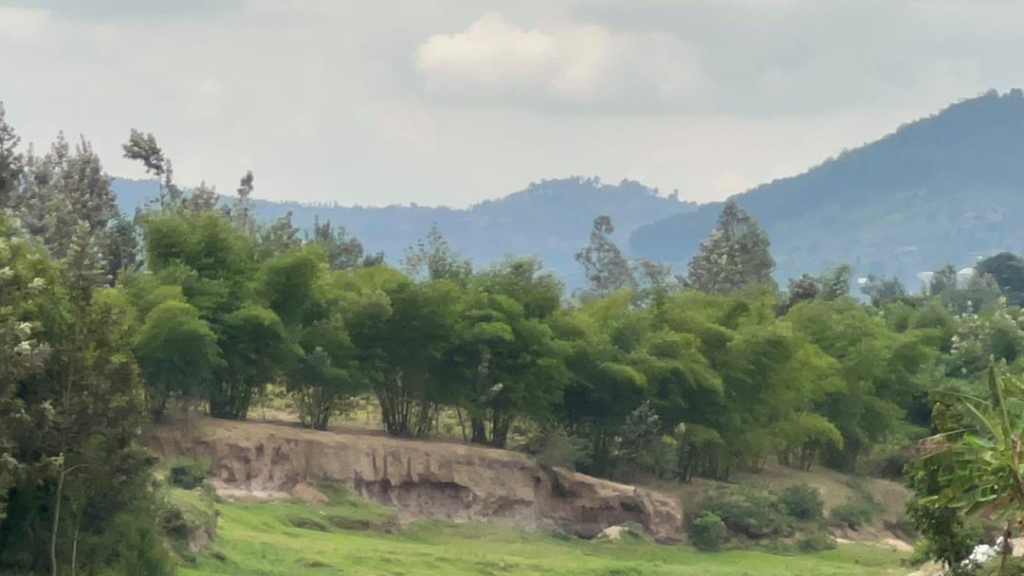
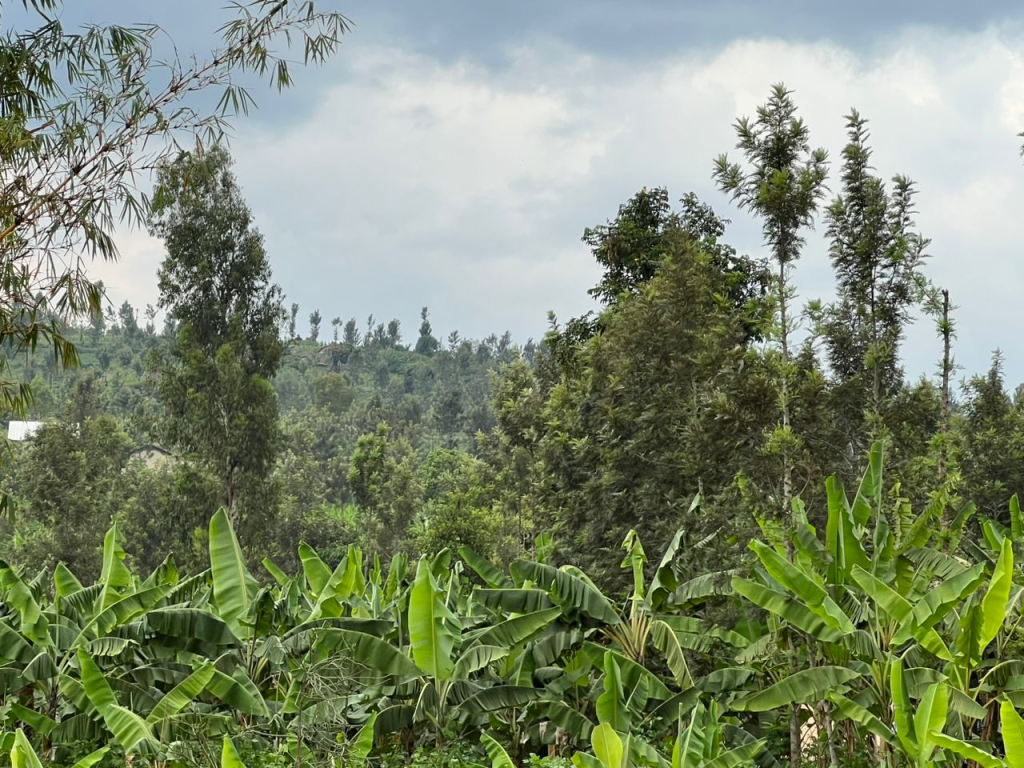
Photo: Green Amayaga-More agroforestry trees have been planted

Photo:Bamboos and other trees have been planted along the Ururumanze River buffer zone to protect the soil and support the environment.
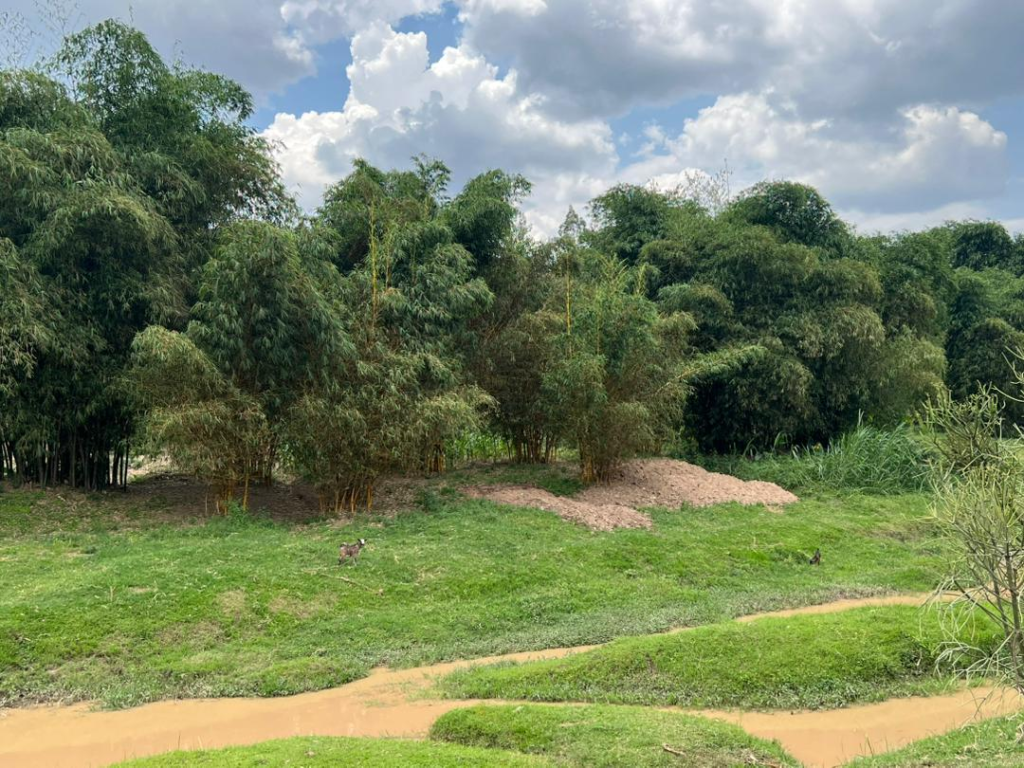
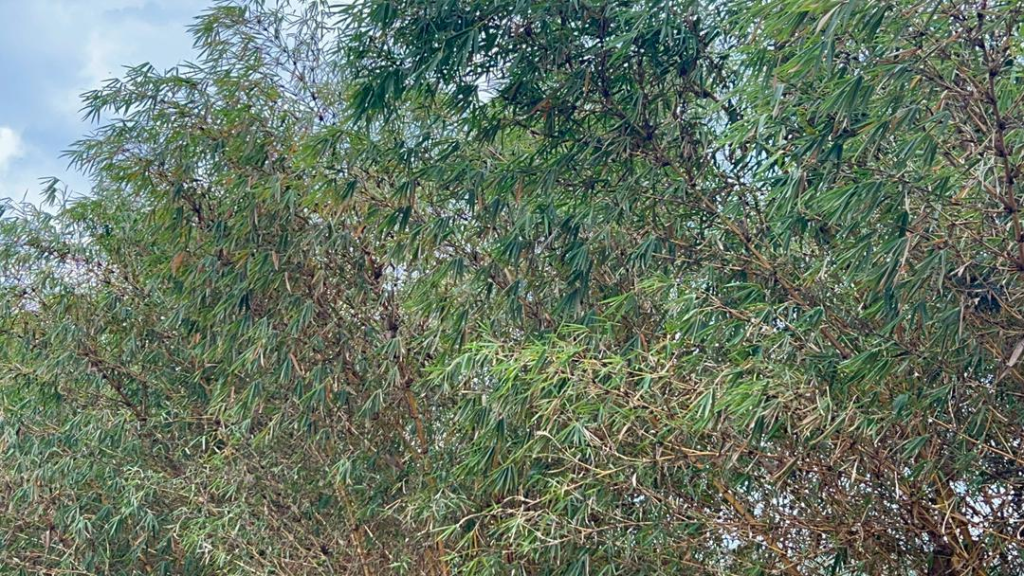
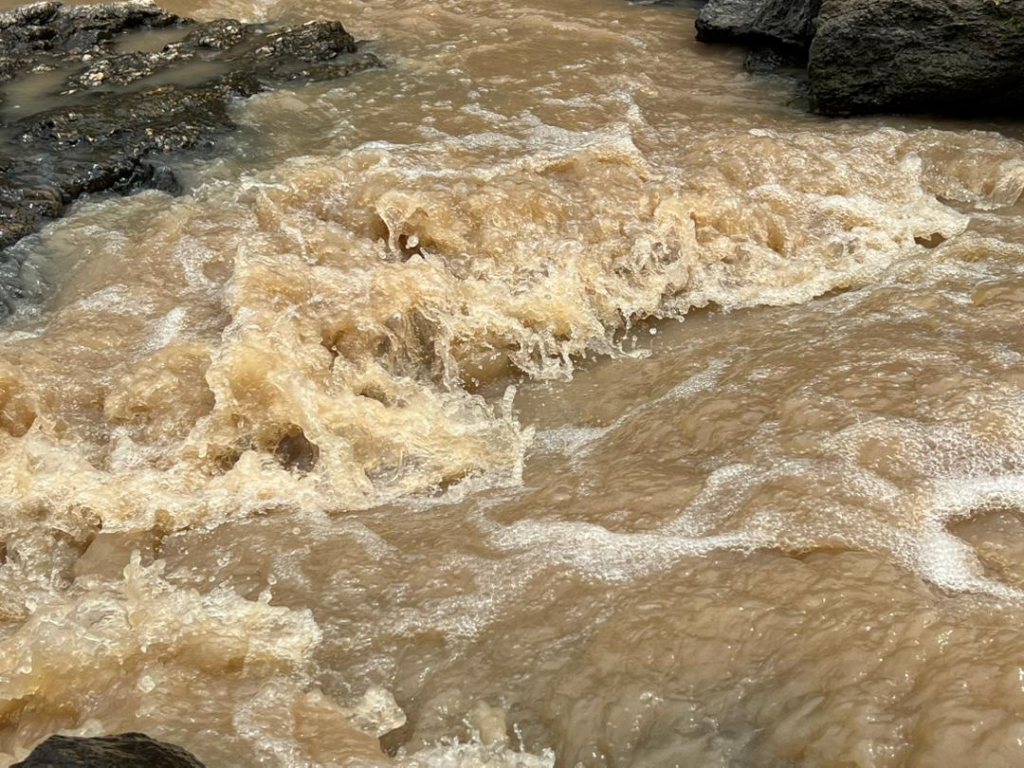
Photo:Before the Green Amayaga Project, rivers in the Amayaga region frequently overflowed, washing away soil, crops, and plants, and causing severe erosion.
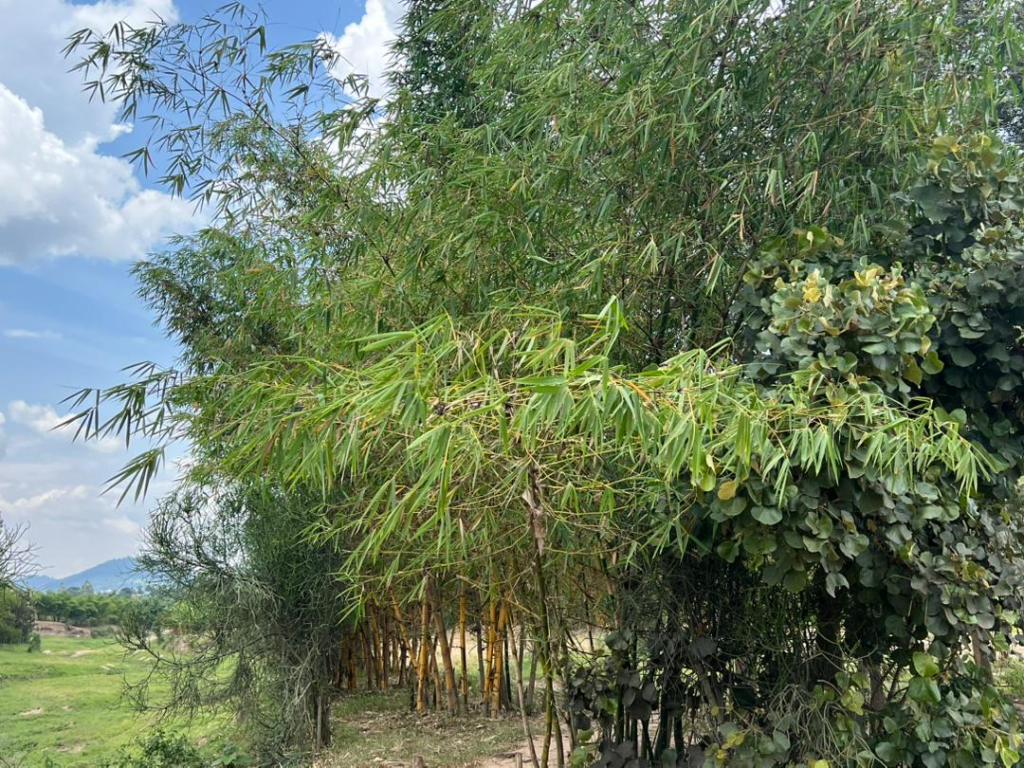
Photo:Trees planted by the Green Amayaga Project have reduced soil erosion and safeguarded farmland.


