
 0
0
 0
0
By Christophe Uwizeyimana
As Rwanda intensifies efforts to strengthen food security and modernize its agriculture sector, the Rwanda Agriculture and Animal Resources Development Board (RAB) has launched field trials of biotech maize aimed at addressing persistent pest and climate challenges facing farmers.
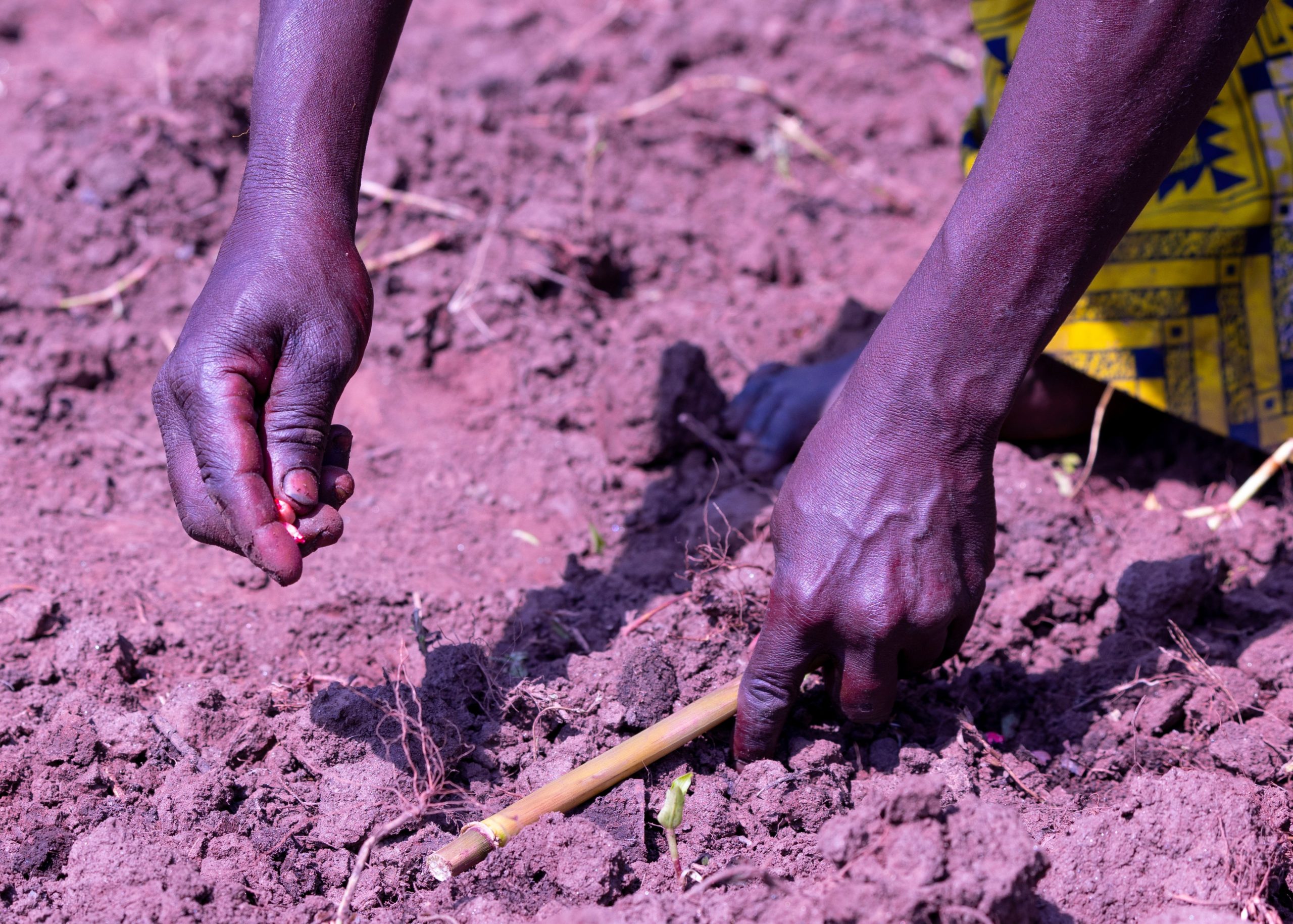
On 21 January 2026, the Rwanda Agriculture and Animal Resources Development Board (RAB) launched field trials of twelve biotech maize varieties at the Bugarama research site in Rusizi District, Western Province. The trials mark a major milestone in Rwanda’s efforts to safeguard maize production against destructive insect pests, rising production costs, and climate-related stresses.
Maize remains one of Rwanda’s most important staple crops, supporting household food security and contributing significantly to national grain supplies. However, production has increasingly come under threat from fall armyworm and stem borers; two invasive pests that cause severe yield losses forcing many farmers to rely on repeated pesticide applications that are often expensive, difficult to access, and sometimes ineffective.
National Trials Across Five Agro-Ecological Zones
The Bugarama trial is the first of five sites planned for the 2026 Season B under the Rwanda Agri-Biotech Programme. Additional trials will be conducted at Rubona, Karama, Cyabayaga, and Musanze, covering Rwanda’s diverse agro-ecological zones.
At each site, researchers are testing biotech maize under two conditions: controlled fall armyworm infestation and uncontrolled infestation. This results in ten distinct trial environments nationwide, allowing scientists to rigorously evaluate how the maize varieties perform under real pest pressure compared to normal field conditions.
According to RAB, this design is critical for generating robust scientific evidence on yield performance, pest resistance, and adaptability before any decision is made on variety release to farmers.
What Is Biotech (Bt) Maize?
Biotech maize also known as Bt maize is an improved maize variety that can protect itself against fall armyworm and stem borers. The protection comes from a protein derived from Bacillus thuringiensis (Bt), a naturally occurring soil bacterium that has been safely used in agriculture, including organic farming, for more than 50 years.
Using modern breeding techniques, scientists introduced a modified Bt gene into maize plants, enabling the crop to produce the protective protein internally. When target pests feed on the plant, they are controlled without the need for repeated insecticide spraying.
Beyond insect resistance, the biotech maize varieties under trial also perform better under moderate drought conditions, helping farmers cope with climate variability.
Three-in-One Protection for Farmers
The biotech maize hybrids being tested offer three major advantages:
- Resistance to fall armyworm
- Resistance to stem borers
- Tolerance to moderate drought
This combination is expected to deliver more reliable harvests, reduce crop losses, and significantly lower farmers’ dependence on chemical pesticides. Studies under the Rwanda Agri-Biotech Programme estimate that maize yield losses could be reduced by up to 75 percent, while potato and cassava improvements under the same programme target even higher loss reductions.
For smallholder farmers who form the backbone of Rwanda’s agriculture, this could translate into improved food security, lower production costs, and increased household income.
Reducing Pesticide Use and Environmental Impact
Currently, many maize farmers spray pesticides multiple times in a single season in an attempt to control fall armyworm. These chemicals are costly, may not always be effective, and can pose risks to human health and the environment if misused.
By providing built-in pest protection, biotech maize has the potential to reduce pesticide use, saving farmers money while also protecting beneficial insects, livestock, wildlife, and surrounding ecosystems. Extensive international studies have shown that Bt proteins are safe for humans and non-target organisms.
Managing Resistance and Ensuring Sustainability
Scientists acknowledge that insect pests can develop resistance to Bt technology if it is not properly managed. To address this risk, Rwanda has integrated resistance management measures into its biotech maize deployment strategy.
Biotech maize seed in Rwanda is designed as a pre-mixed package containing 20 percent conventional maize. Farmers plant the seed exactly as provided, creating a refuge that helps slow resistance development. This approach is supported by insect resistance monitoring, farmer training, and stewardship programmes coordinated by RAB and its partners.
Strong Biosafety and Regulatory Oversight
All field trials are conducted under Rwanda’s robust biosafety and regulatory framework. The Rwanda Environment Management Authority (REMA) is responsible for environmental and food safety assessments, evaluating potential risks and comparing biotech maize with conventional varieties.
Meanwhile, the Rwanda Inspectorate, Competition and Consumer Protection Authority (RICA) oversees variety evaluation, registration, and release. Only maize varieties that pass these scientific and regulatory assessments will be approved and added to the national variety catalogue.
RAB emphasizes that the current trials are strictly for research purposes, and farmers will only access biotech maize seed after all regulatory processes are completed.
Regional and Global Context
Biotech maize is not new globally. It has been cultivated safely for nearly 30 years worldwide, with about 176.85 million hectares planted with biotech crops by 2021. Several African countries including South Africa, Nigeria, Kenya, Ethiopia, Mozambique, and Ghana have already approved or are testing biotech crops.
Nigeria began commercial planting of Bt maize in 2024, while South Africa has grown Bt maize, cotton, and soybean since the late 1990s, providing valuable regional experience for Rwanda.
Looking Ahead
The launch of biotech maize field trials comes at a critical moment as Rwanda seeks to strengthen food security, improve farmer livelihoods, and build climate-resilient agriculture. While the trials are still ongoing, they represent a science-based approach to tackling persistent challenges faced by maize farmers.
If successful and approved through regulatory processes, biotech maize could become a key component of Rwanda’s agricultural transformation offering farmers improved yields, reduced losses, and a more sustainable path forward in the face of evolving pest and climate pressures.
Other related story you may read:https://theforefrontmagazine.com/rwanda-agri-biotech-programme-key-questions-and-answers-on-biotech-maize/
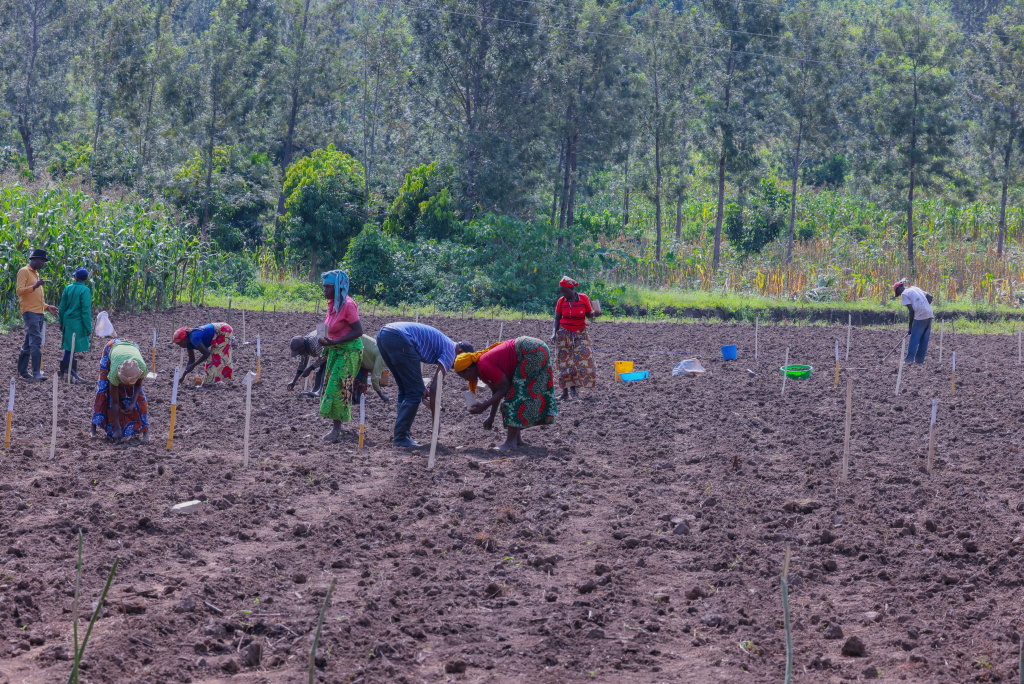
Field trials of 12 biotech maize varieties underway at Bugarama site in Rusizi District. (Photo:RAB)
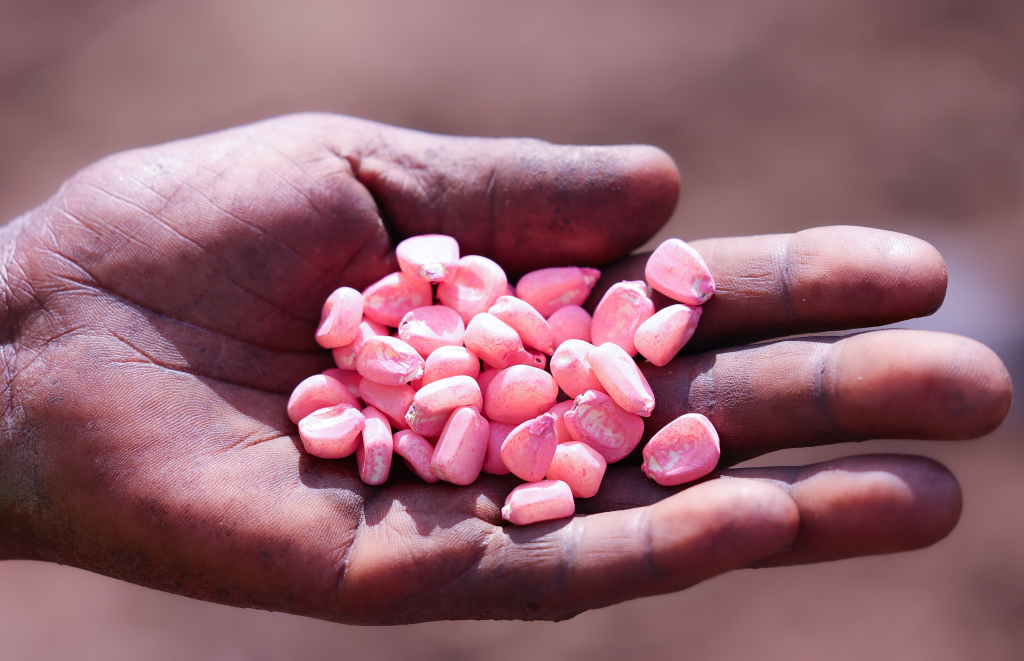
The biotech maize varieties are expected to demonstrate improved resistance to fall armyworm and stronger yield performance under field conditions.(Photo:RAB)


