 0
0
 0
0
By Annonciata Byukusenge
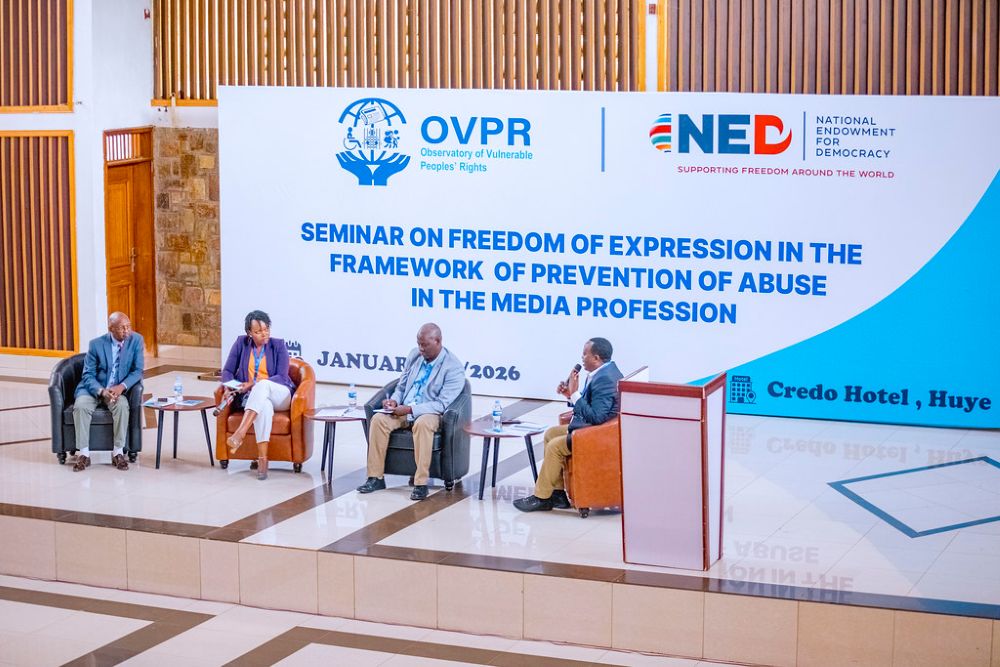
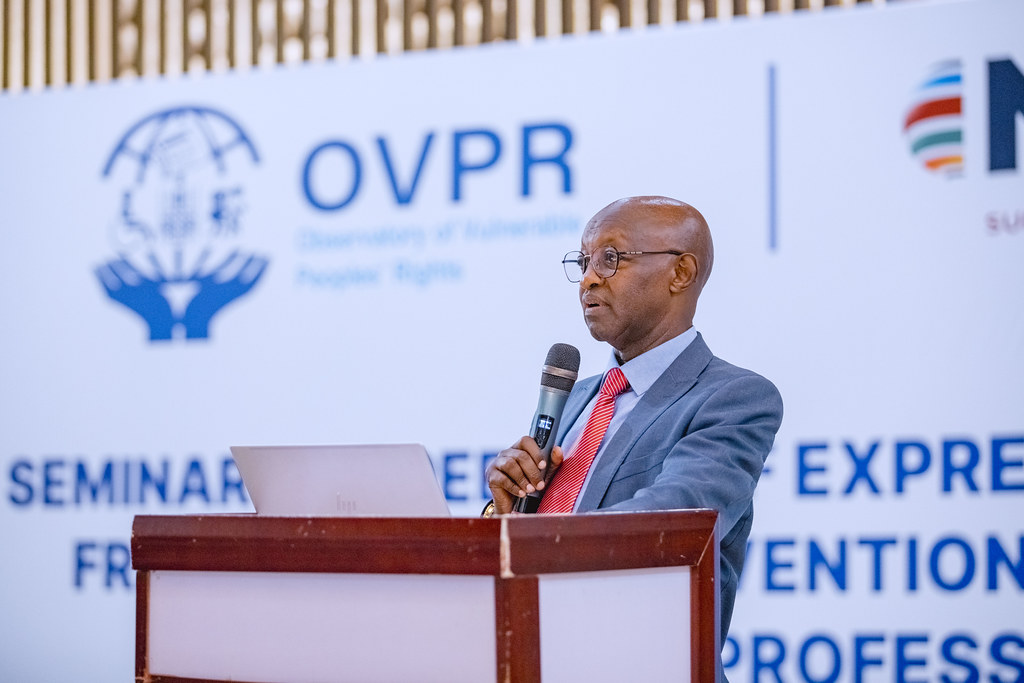
This was one of the key messages shared with journalists and students from the School of Journalism and Communication at the University of Rwanda, Huye Campus. They were reminded that practicing professional journalism remains achievable, even though it has become more challenging due to rapid technological advancements and the widespread use of social media, which accelerates the spread of information, including rumors.
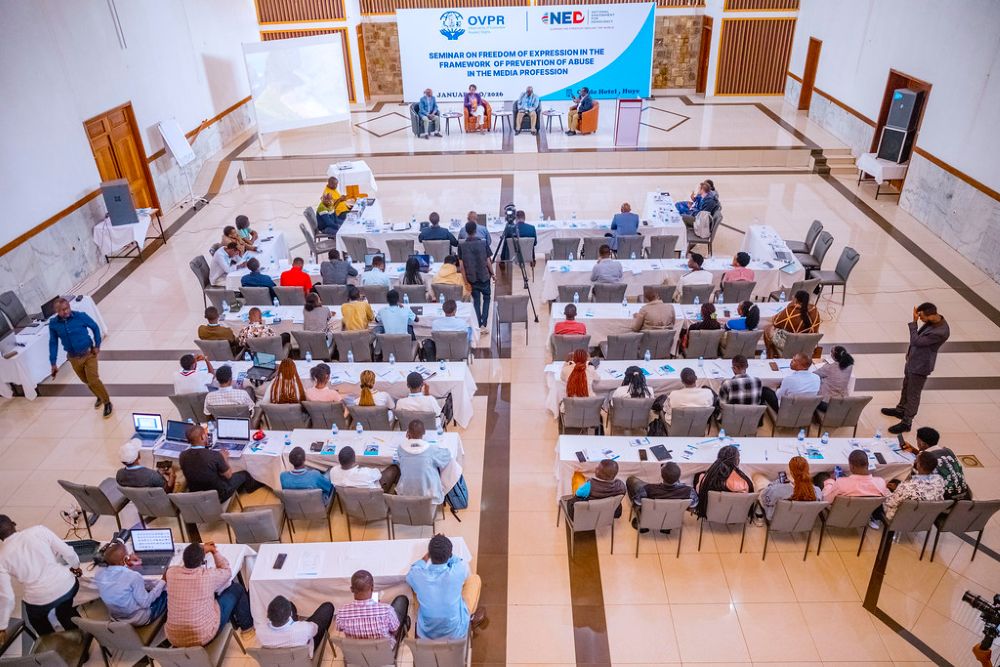
Some journalists pointed out that one of the main obstacles they face in doing their work professionally is being forced to publish incomplete stories. This often happens because access to information remains difficult, despite the existence of laws governing the provision of public information.
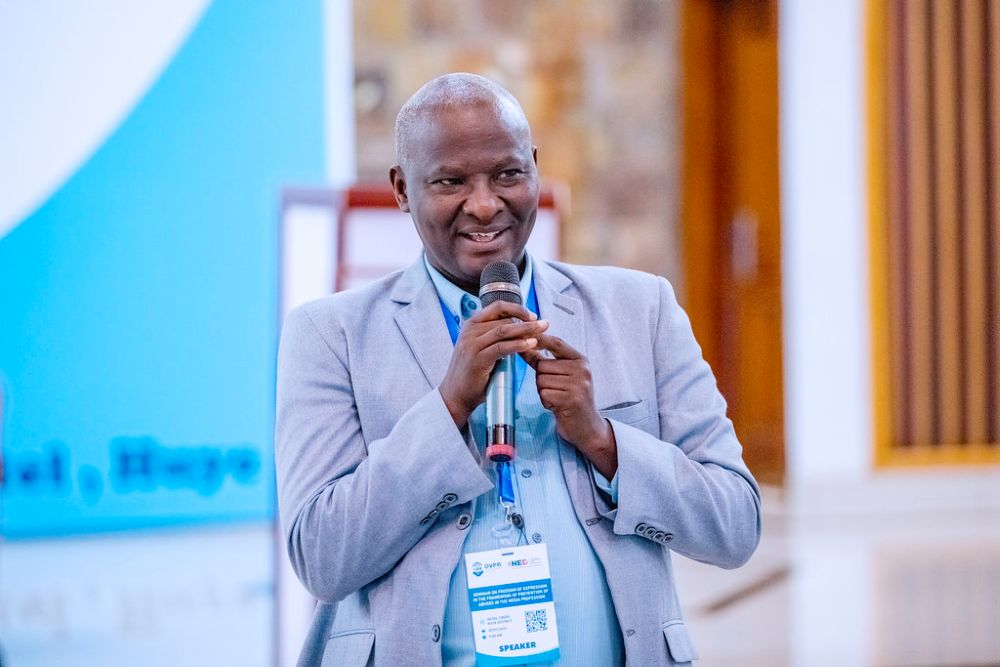
Responding to this concern, the Southern Province Police Spokesperson, CIP Hassan Kamanzi, said that while some institutions may delay sharing information, there are also journalists who are unfamiliar with the law on access to information.
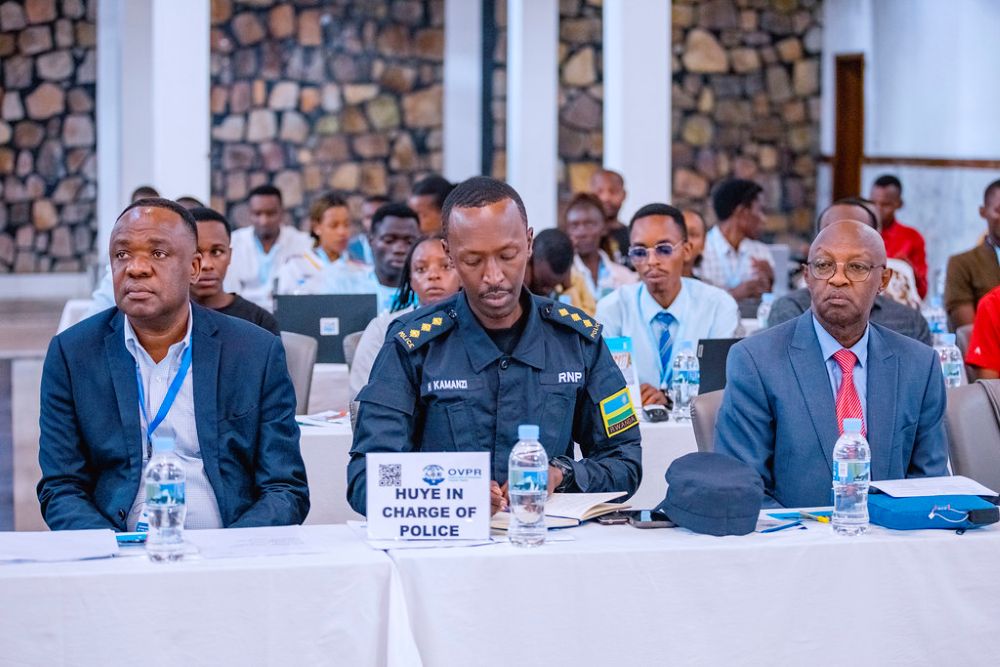
“The law clearly states that a journalist is entitled to receive information within 72 hours, which is three days. However, some journalists request information and expect it within ten minutes. If someone plans a story for a specific time without considering that the source also needs time to gather the required information, problems are bound to arise.”
He added that the spread of rumors, which damages the credibility of journalism, is often caused by journalists failing to verify information gathered from different sources before publishing it. In some cases, they do not confirm whether what they were told by officials is accurate.
“There are also journalists who are manipulated by people with bad intentions. Falling into such traps, doing what others want instead of sticking to professional principles, can easily land you in constant trouble with investigative authorities like the Rwanda Investigation Bureau (RIB).”
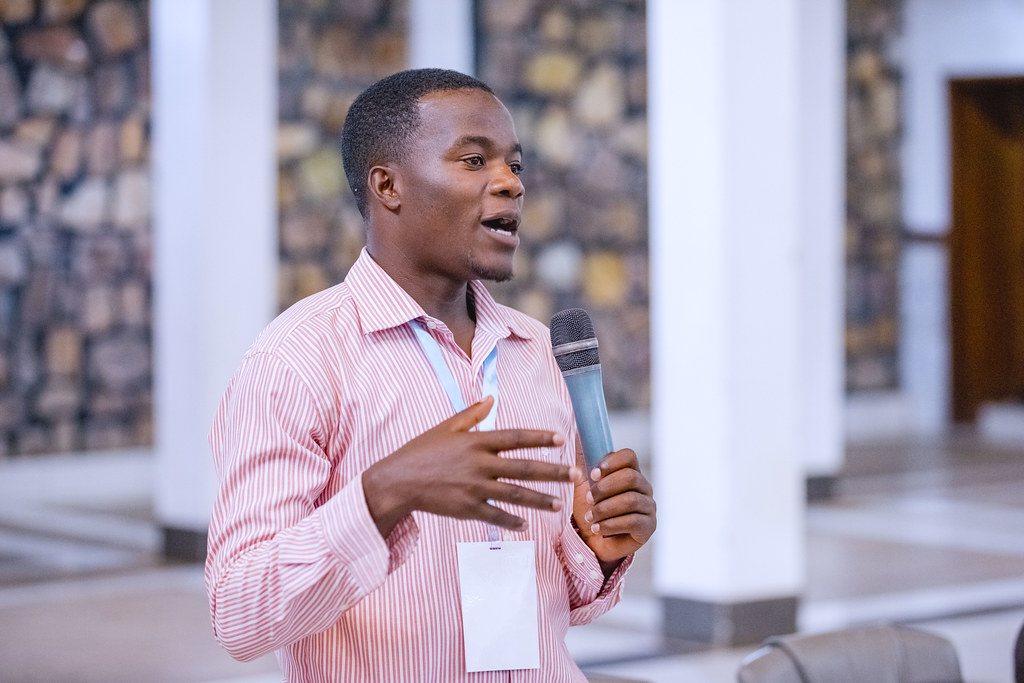
Denise Uwase, a student in the School of Journalism and Communication at the University of Rwanda, Huye Campus, said that although they have not yet entered the profession, they already observe a lack of professionalism in some media practices, especially the spread of false information.
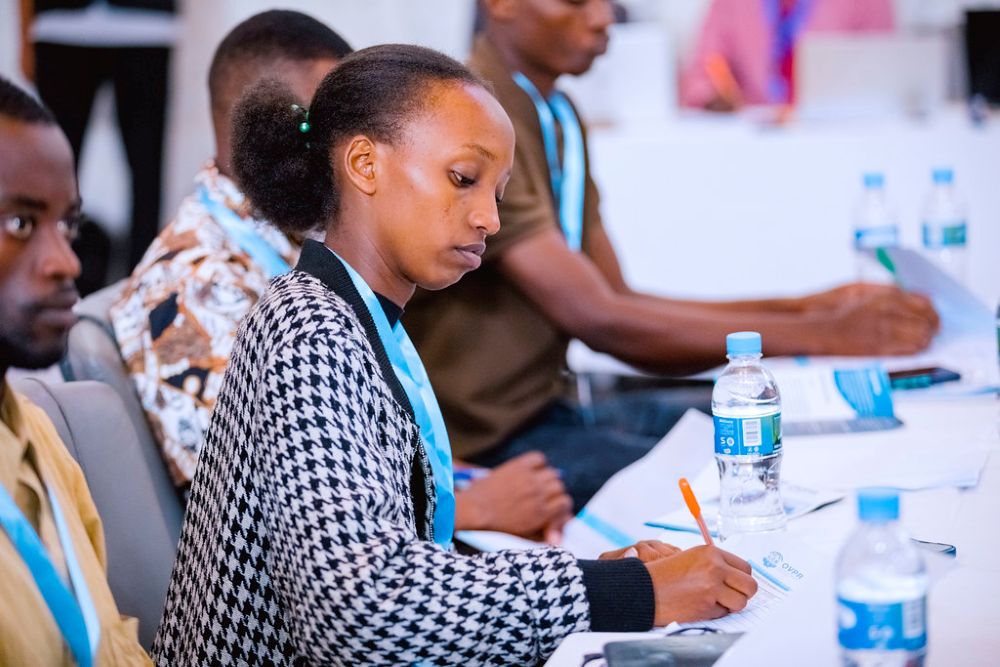
“We know some very experienced journalists, yet you find them sharing rumors on social media. Others twist the truth just to gain more followers. This makes us feel that entering the journalism profession will not be easy.”
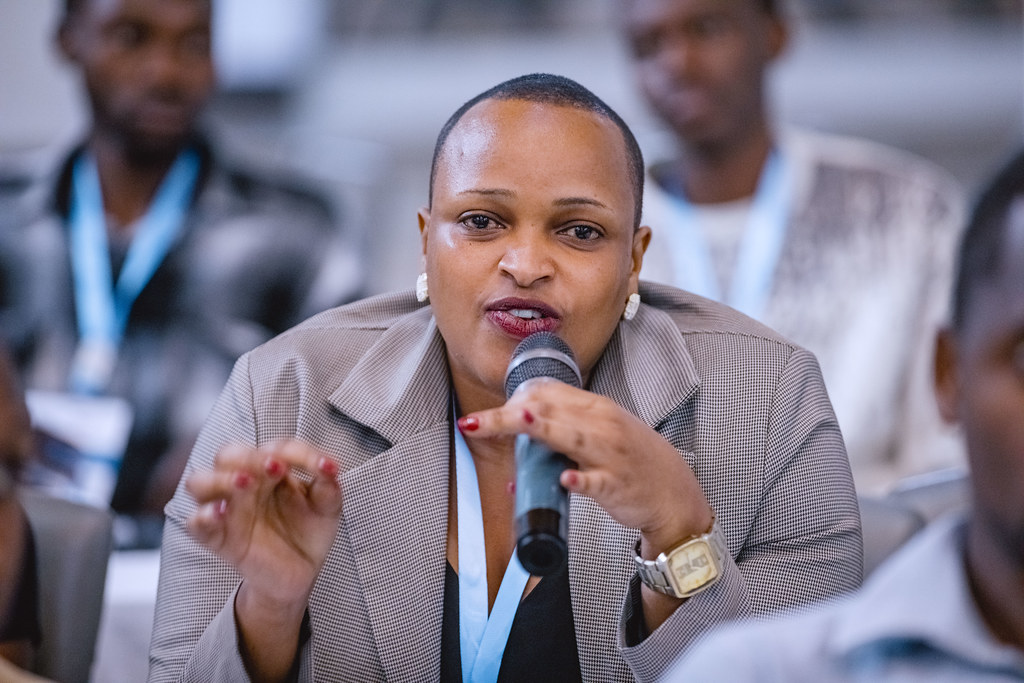
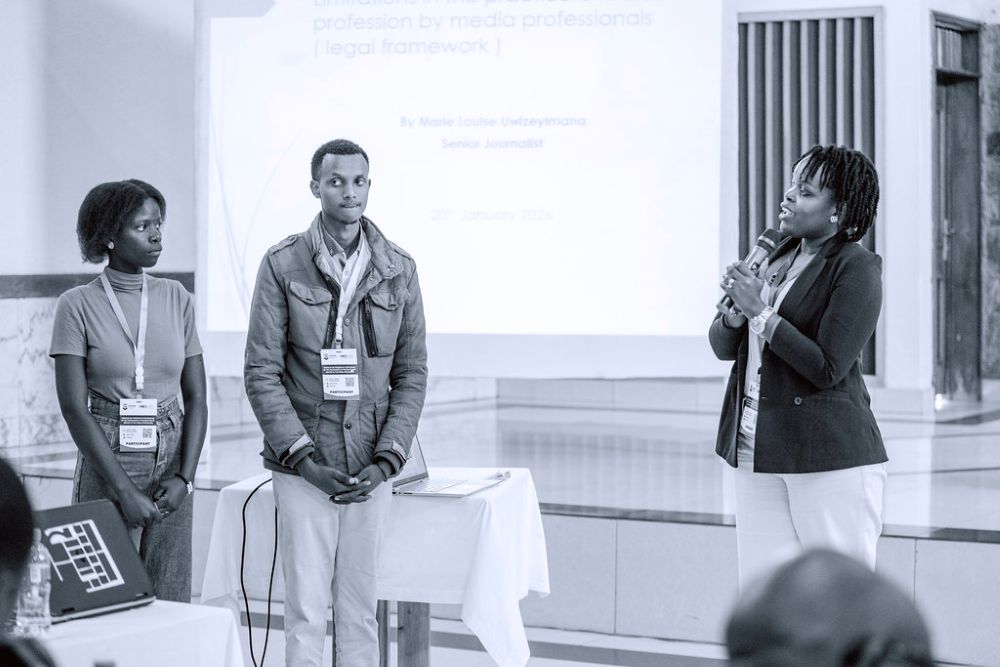
Senior journalist Madam Marie Louise Uwizeyimana advised both students and practicing journalists that journalism requires critical thinking and responsibility, especially in an era of fast-paced technological growth.
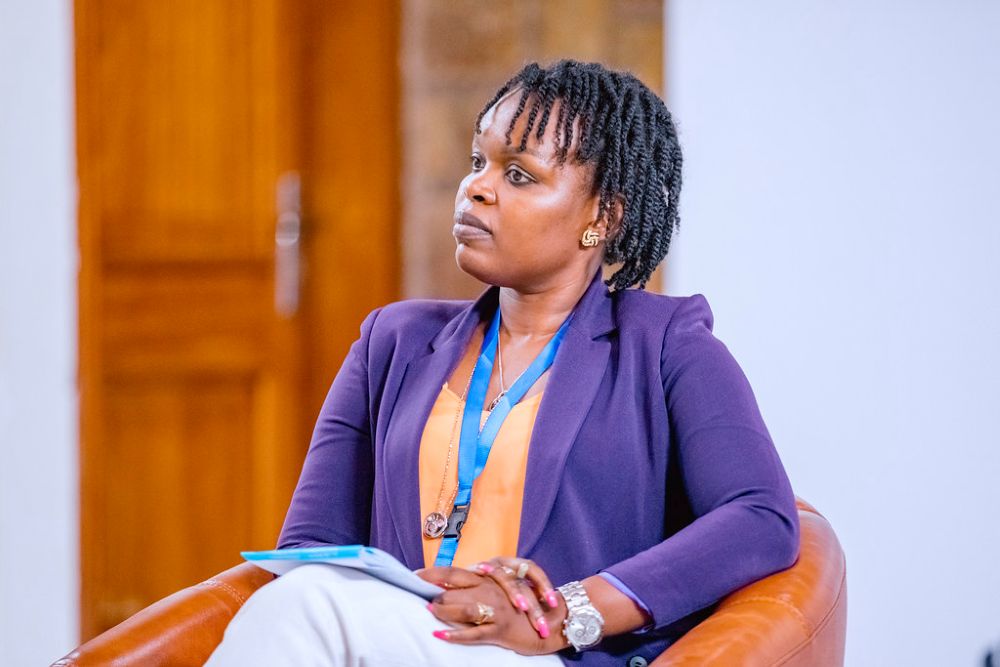
“The strong influence of social media and its misuse by some people does not mean that professional journalism no longer exists. “There are still journalists who work ethically while embracing technology. Currently, the law governing journalism and access to information dates back to 2013. Some problematic provisions are being revised, and we hope that once the updated law is approved, these challenges will be addressed.”
Bruce Bikotwa, the Executive Director of the Observatory of Vulnerable Peoples’ Rights (OPVR), a non-governmental organization that organized this seminar about disseminating the legal principles relating to freedom of expression, said their mission focuses on advocating for the rights of vulnerable groups.
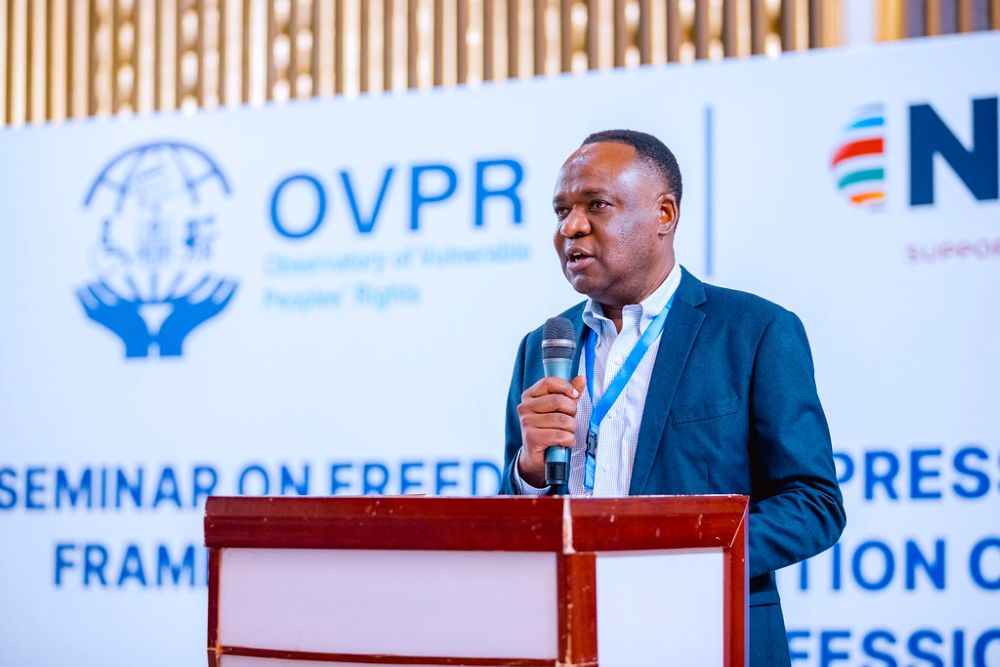
“Our mission is to promote and protect the rights of vulnerable people as guaranteed by the Constitution of the Republic of Rwanda, the laws in force in Rwanda, the Universal Declaration of Human Rights, the African Charter on Human and Peoples’ Rights, and other international human rights instruments.”
Meanwhile, Huye District Mayor Ange Sebutege noted that providing information is a service, just as requesting it is also a service.
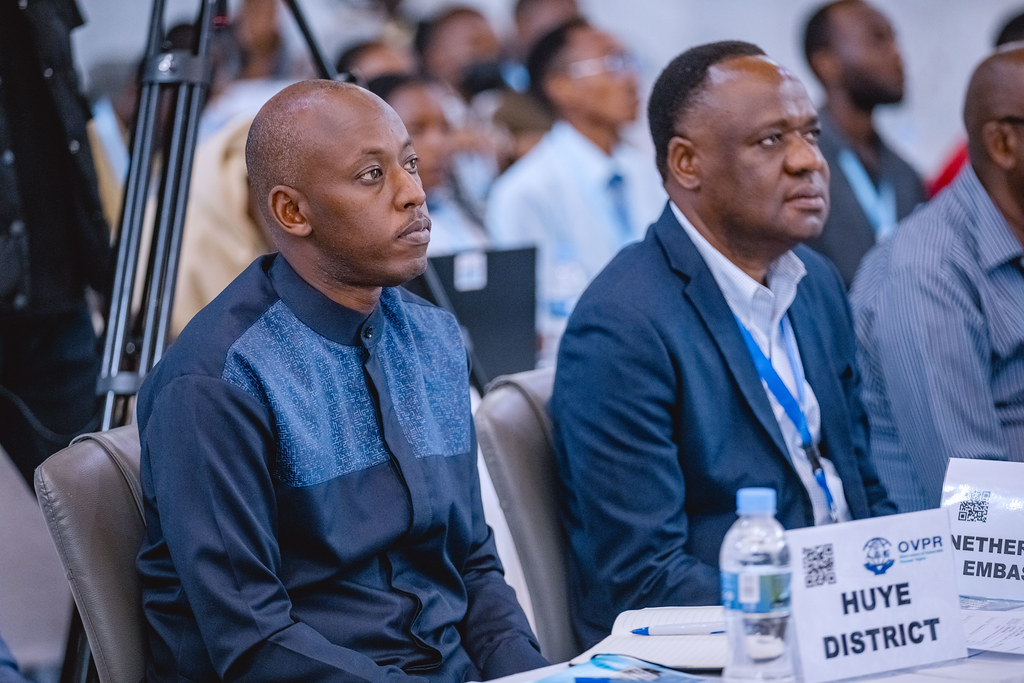
“I appreciate the cooperation and good working relationship we have with the media. “We strive to provide quality information services, and we encourage journalists to continue working professionally and reporting the truth, because you are key stakeholders.”
About OPVR
Observatory of Vulnerable Peoples’ Rights (OVPR) is a national non-governmental organization established in Rwanda in 2019 by a team of activists and human rights defenders, registered by the Rwanda Governance Board (RGB) under n° 83/RGB/NGO/LP/05/2022.
OVPR aims to promote and protect the rights of human rights defenders, journalists, detainees, children, refugees, and persons with disabilities through:
- monitoring and evaluation;
- Providing for free of charge Judicial and/or extrajudicial assistance or representation services,
- Information on fundamental human rights principles through the media and providing training through Research Centers;
- Granting consultancies.