 0
0
 0
0
By Annonciata Byukusenge
Residents who once belonged to the most economically vulnerable group say their lives have changed significantly thanks to the PRISM project, which supported them by providing breeding pigs. Before receiving this assistance, many of them survived by working on other people’s farms because they had no reliable means of supporting themselves.
One of the beneficiaries, Tuyisenge Delphine, says she had never raised livestock before receiving pigs from the PRISM project, but the opportunity completely transformed her life. She lives in Rusenge Sector, Bunge Cell, in Nyaruguru District.
“I used to live a very difficult life. I often struggled to find enough food. I couldn’t afford fertilizer, so I cultivated my small piece of land poorly, resulting in consistently low harvests.
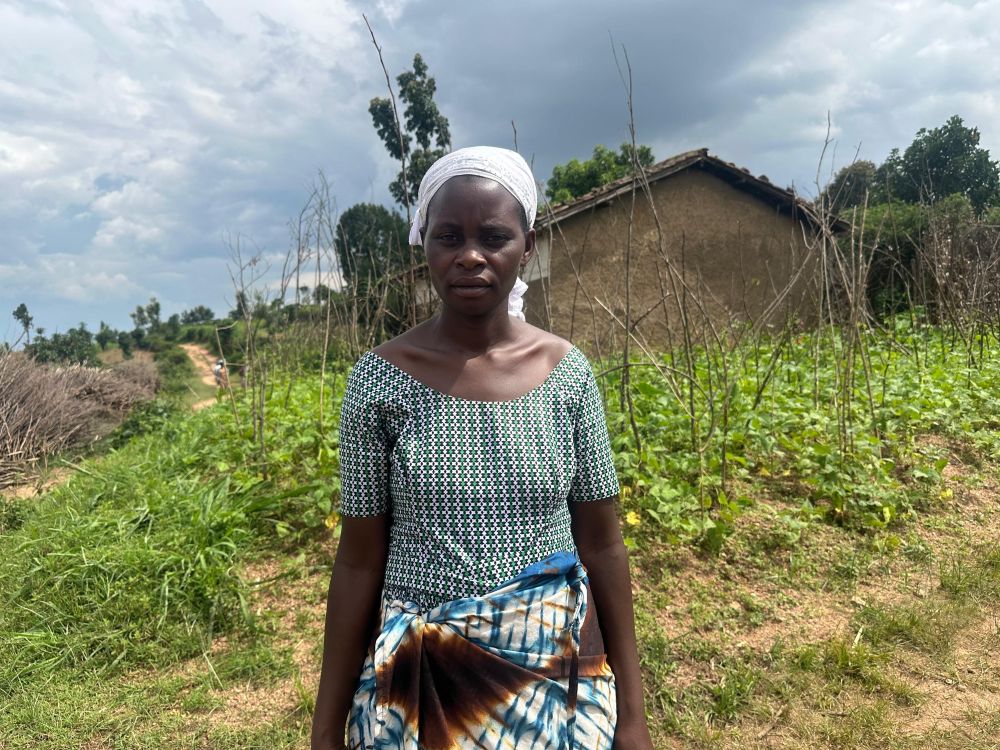
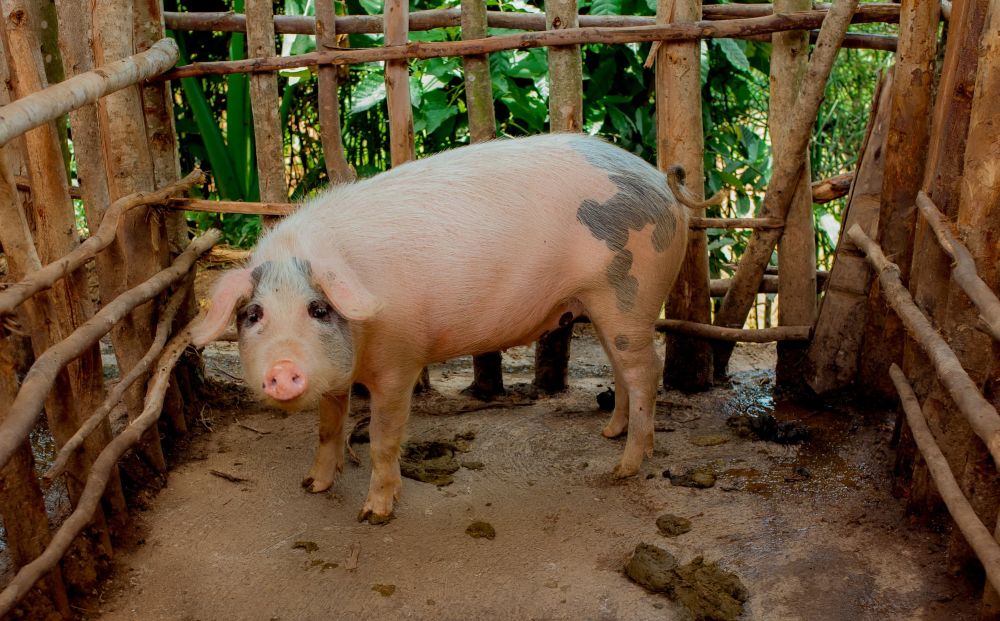
In 2023, PRISM provided her with two pigs. That marked a pivotal moment in her life. With the manure from the pigs, she finally had access to fertilizer for her crops.
“Before, I cultivated only about 5 ares of land and harvested around 50 kg of beans. But once I started using manure, my production increased. Now I farm 5 ares and harvest about 200 kg of beans. My life has changed. I no longer have to work on other people’s farms to get food.”
Her story is the same as Ayingeneye Libérée, a mother of eight. As a widow responsible for caring for her family alone, life had been extremely challenging before she received support from PRISM.
“PRISM gave me two pigs, which became the starting point for my livestock farming. As a widow raising my family alone, it wasn’t simple to combine all my responsibilities with livestock keeping. I wanted to become a professional farmer, but I lacked the knowledge. The training provided by the project helped me gain the skills and confidence to do it.”
She adds that one of her greatest challenges was a lack of land to cultivate. However, once her pigs began reproducing, she started selling piglets and earning income.
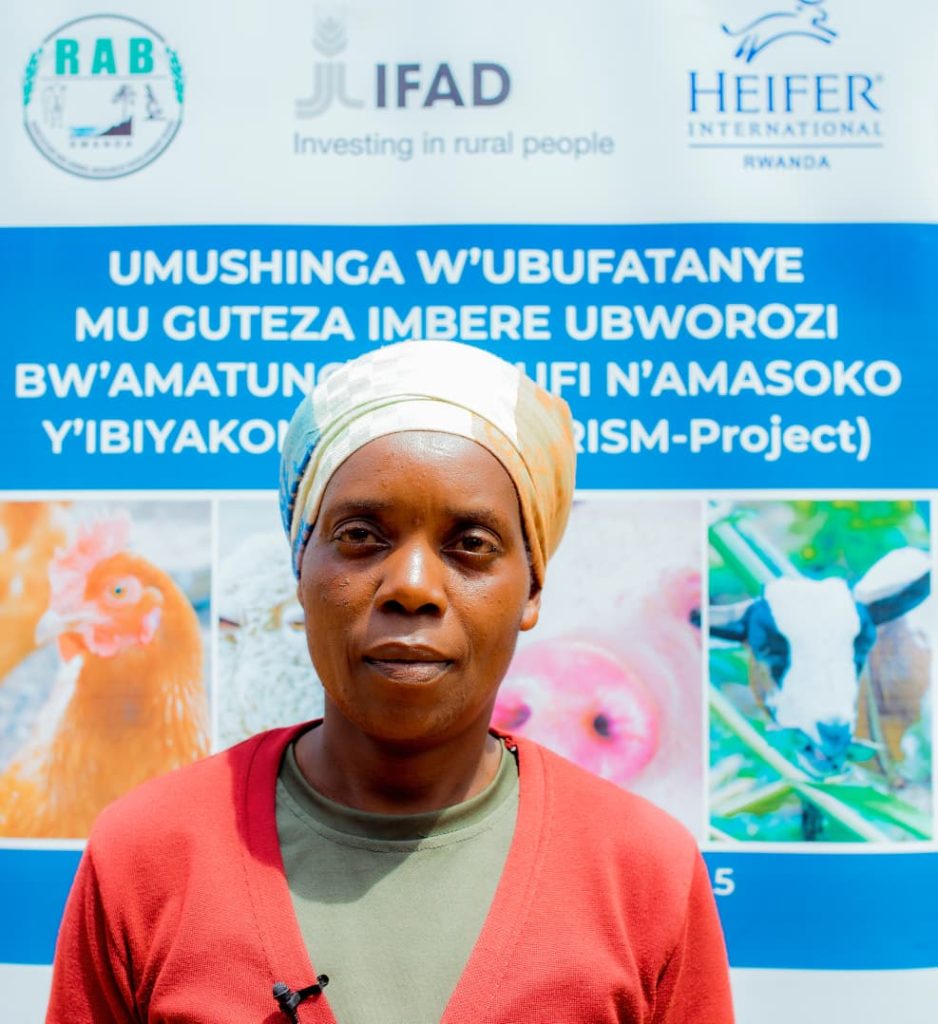
“The pigs multiplied, and I began selling the piglets. With the money, I could solve basic household problems and save the rest through a group savings scheme, which we were also trained to do. Eventually, I managed to buy one hectare of land for two million five hundred thousand francs.”
Beyond purchasing land, Ayingeneye has also expanded her farming activities. She now raises cows so her children can drink milk. I started chicken and goat farming. Her new income allows her to pay school fees for her children, including those attending secondary school.
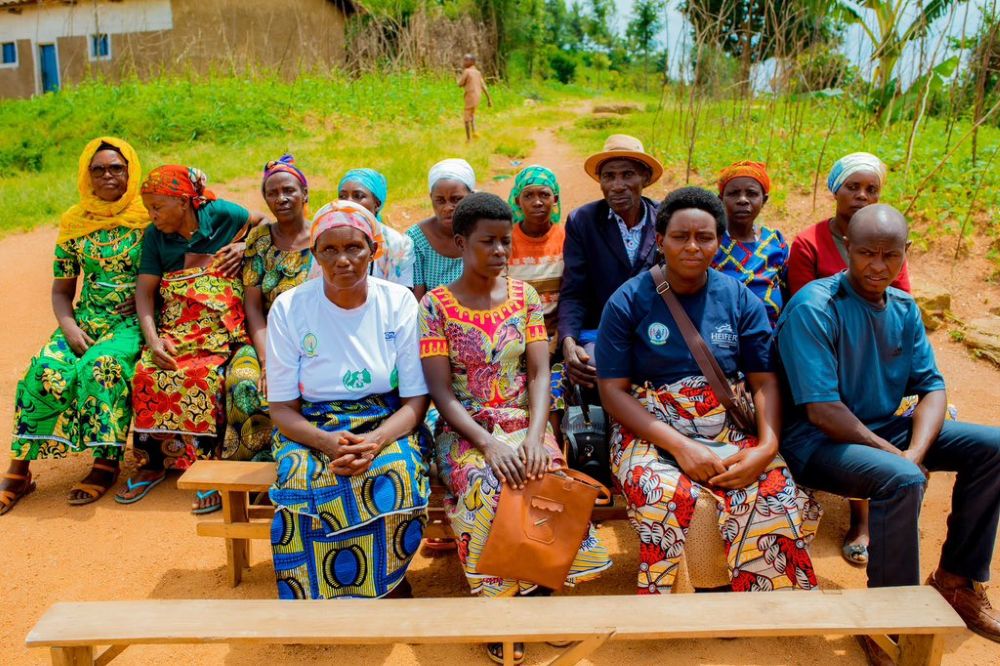
According to Martin Hategekimana, PRISM project facilitator in the Rusenge sector, beneficiaries were encouraged to form groups. They now belong to a cooperative called “Jya Mbere Mworozi Rusenge.”
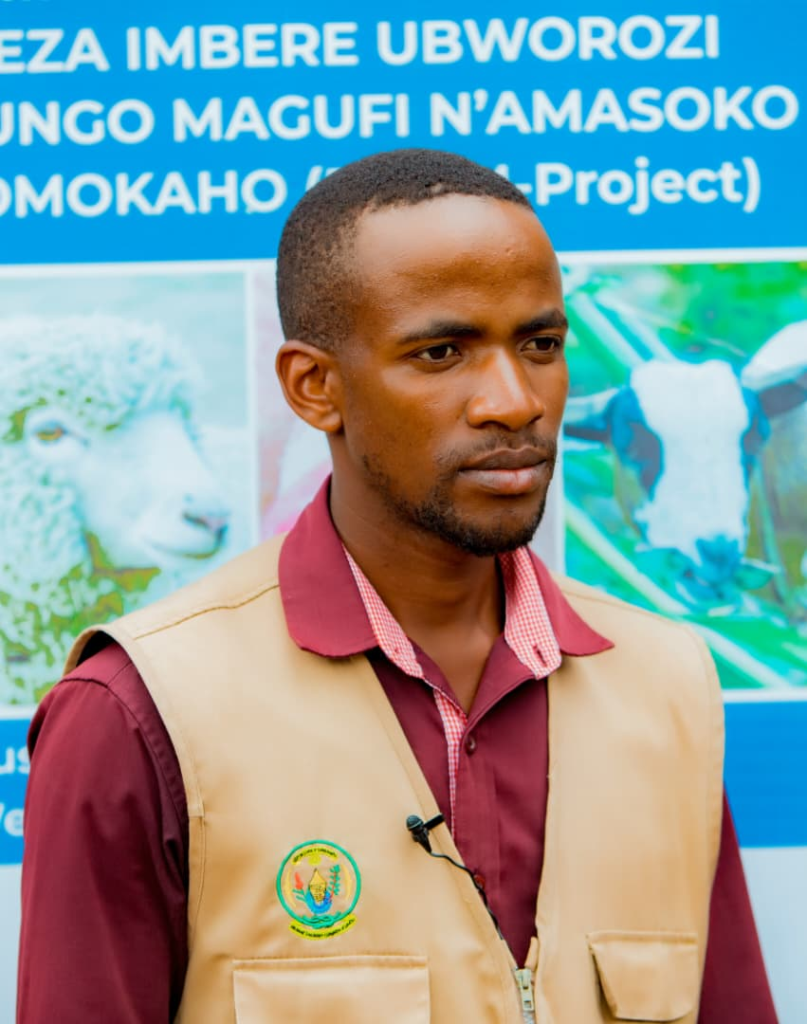
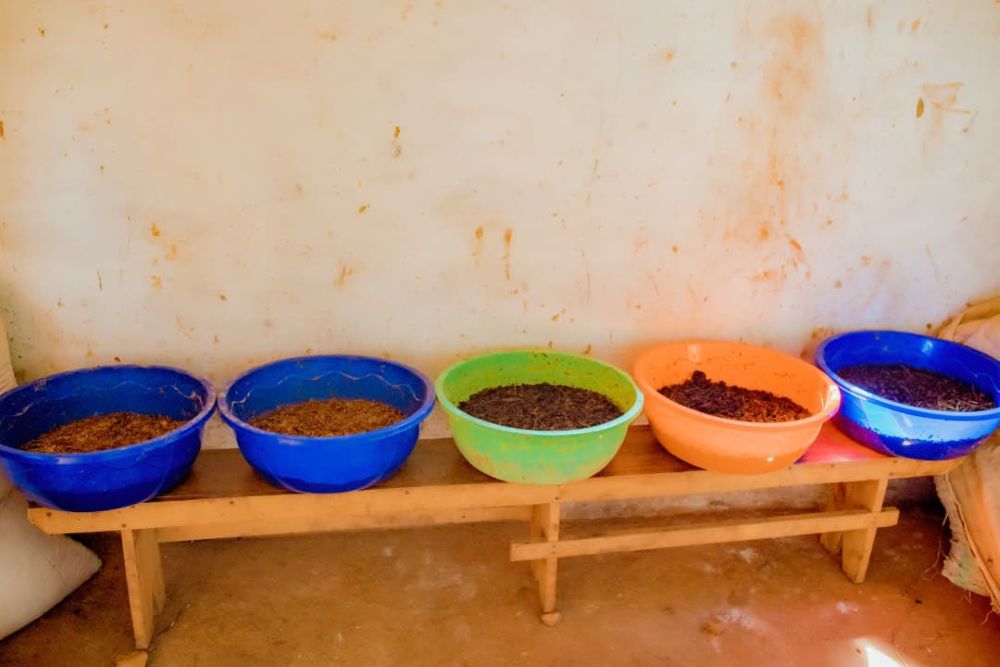
“To help them find sustainable solutions, we trained them to produce some of their own animal feed to supplement what they buy, since commercial feed is expensive and usually comes from Huye District. The coordinator explains. They grow Azolla and produce hydroponic feed and other nutrient-rich supplements that help their animals grow well.”
PRISM is a project jointly implemented by the Government of Rwanda in partnership with the International Fund for Agricultural Development (IFAD), through the Ministry of Agriculture and Animal Resources (MINAGRI), and implemented under the Rwanda Agriculture and Animal Resources Development Board (RAB).


