
 1
1
 0
0
By Annonciata Byukusenge
Family conflict remains one of the greatest threats to social and economic well-being. Although family disputes stood at 18.6% in 2022, according to a 2024 survey released by the Rwanda Governance Board (RGB), recent findings show a notable decline.
The same study indicates that family conflicts dropped by 4.9% in 2024 compared to 2023. While the rate stood at 22% in 2023, it fell to 17% in 2024, signaling meaningful progress.
Despite this improvement, the RGB survey highlights that Rwandan families continue to face serious challenges. These include domestic conflicts, abandonment, and infidelity among couples; psychological abuse; property-related violence; teenage pregnancies; marital separation; and physical assault and injury.
The reduction in domestic conflict and violence did not happen by chance. Several initiatives have played a key role, including efforts by non-governmental organizations such as UN Women. Through its program, Joint Programme on Rural Women’s Economic Empowerment (JP RWEE), UN Women has made a significant contribution to rebuilding families that were once torn apart by conflict, including couples who had separated informally without legal procedures.
Tuyishimire Valerie and Bizimana Damascene are a couple with four children living in Munini Sector, Nyaruguru District, in Rwanda’s Southern Province. Reflecting on their lives before 2025, they describe years marked by pain and instability.
“In the 18 years we have lived together as husband and wife, only one year, 2024 to 2025, is when I truly felt at peace and able to breathe freely. All the years before that were filled with endless conflict.”
She says that her husband struggled with alcoholism and would often come home late at night, beating her before leaving to spend the night at neighbors’ homes.
“When he came home, he would strip me naked because we were already asleep. Everyone knew when he was coming; he would shout all the way, bang on the door until it came off its hinges, then beat the children after forcing us all to undress.”
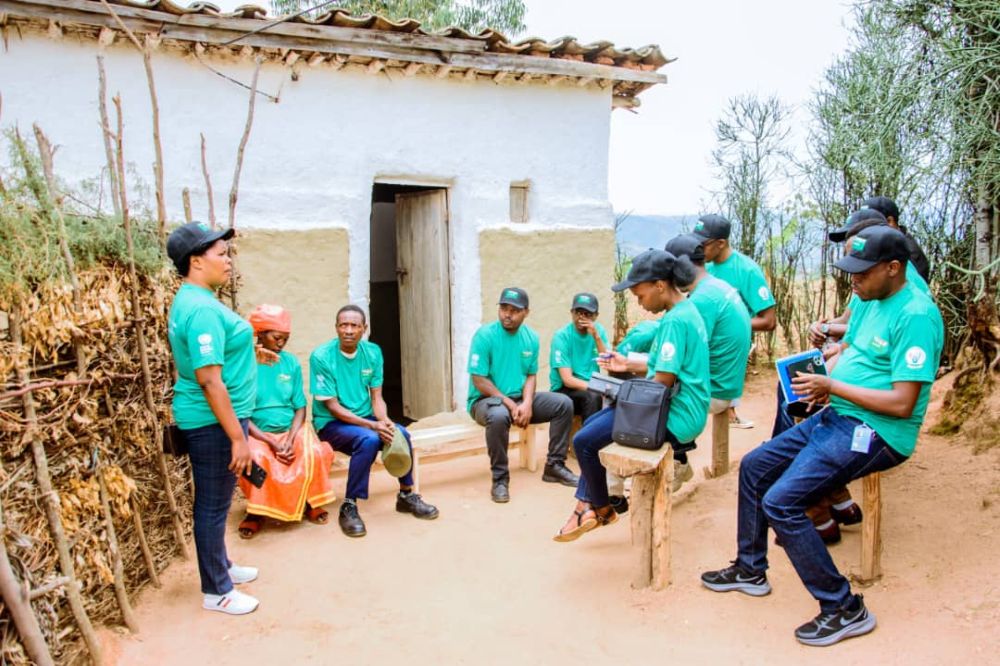
Speaking about the domestic violence she endured for years is still deeply painful for her. Even though the abuse has stopped, the emotional scars remain.
“At the end of 2024, I learned that UN Women, through the JP RWEE program, offers training to help families overcome conflict. They also supported us economically by giving us small livestock, helping us join cooperatives, teaching us how to save money, and connecting us to financial institutions and banks.”
Testimonies from a family reconciled through JP RWEE
However, the violence did not stop immediately.
“Whenever I returned from group meetings, my husband would beat me, saying I had gone to waste time.”
She adds that even when they had good harvests, her husband would sell everything and spend the money on alcohol, leaving the family hungry, even during harvest season.
“We had a cow, and he wanted us to sell it. I refused because every time he sold something, he took the money to the bar. We had agreed the cow would help feed our children with milk.”
Her refusal led to threats.
“He told me that if I continued to refuse, he would kill me and sell the cow after I was gone. Since the cow was the only property we had left, because he had already sold our land, I felt it was our last hope. He beat me severely and injured me. Fearing for my life, I finally agreed. He sold the cow and spent all the money on alcohol.”
What led to the change?
In February 2025, Tuyishimire had been attending GALS (Gender Action Learning System) training sessions, which targeted families experiencing conflict. Women were encouraged to invite their husbands so both partners could learn together to eliminate domestic conflict and gender-based violence.
“The first time I told him about the GALS training and asked him to come with me, he refused and said he wouldn’t join me in ‘folly.’ But over time, he began thinking about it. One day, he told me to remind him of the training day so we could go together.”
She says this gave her hope, especially after seeing other men who had changed through the same program.
“After our first session, when we got home, he asked me why it seemed like the whole training was about him. I told him no one had spoken about him personally, but that they teach about domestic violence, how it happens, how it affects victims, and how it destroys family development.”
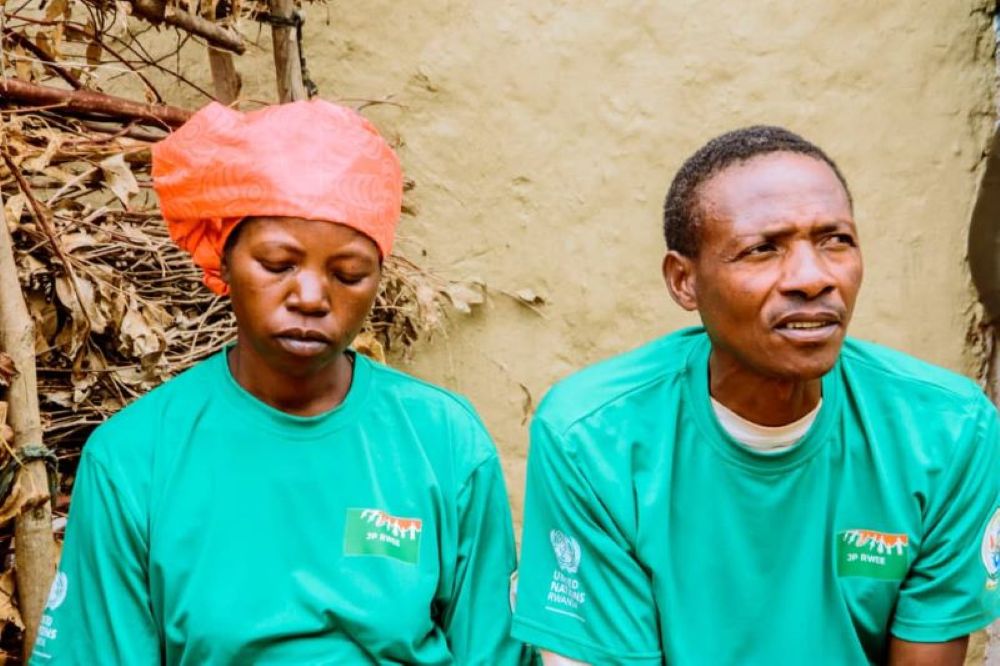
Bizimana reflects on his past: Family conflict is a major barrier to development and well-being
Bizimana Damascene openly admits the harm he caused his family.
“I regret the 18 years I wasted abusing my wife. It affected our children and pushed us into poverty. If I had realized earlier that drinking and beating my wife were the reasons we became poor, I would never have wasted our resources in bars.”
He adds that whenever he got drunk, he would buy alcohol for strangers using money earned from selling land, beans, maize, potatoes, or anything else from the household.
“Conflict destroyed my family. We became poor, lacked the food we once had, our children dropped out of school, and our home became known on the hill for violence and disorder.”
One of their children, who should have been in the sixth year of secondary school, is now only in senior two.
“This happened because he dropped out due to family conflict. I couldn’t pay school fees or buy supplies. Today, I have changed, and the difference is visible.”
Neighbors confirm the transformation.
Their neighbors have also witnessed the change. Nikuze, a 42-year-old neighbor, says the family lived in conflict for many years, but now peace has returned.
“Tuyishimire and I were in the same group. We attended GALS training together, which transformed her husband. He used to beat her, starve the family, and even lock her and the children outside after beating them. Today, he has changed. We no longer hear screams or violence in that household.”
Tangible progress in just one year
After changing his behavior, Bizimana began working closely with his wife. Together, they started saving money, joined community savings groups, and made joint decisions about their finances.
“In just one year, we bought a plot of land worth 200,000 Rwandan francs. I used to refuse legal marriage, saying it would ‘dirty government books,’ but today we are legally married. Our children are back in school, we have livestock again, and our family is stable.”
Tuyishimire adds that peace also brought cleanliness and dignity to their home.
“Our home used to look like a bush. Even if I cleaned, he would come back and mess everything up. Today, the house is clean, we no longer spread soil on the floor, and we have built a proper compound. Before, we lived like we were on open land.”
The couple plans to celebrate a church wedding in the near future. Having become advocates for peaceful family life, they now share their testimony openly. Thanks to their example, they have already helped transform seven other families that were once trapped in conflict.
John Bosco Murangira is the JP RWEE coordinator. He says that the project aims to empower rural women, especially those living in vulnerable conditions. Their approach focuses on strengthening women’s economic and social capacity through training on relationships, economic empowerment, and sustainable development.
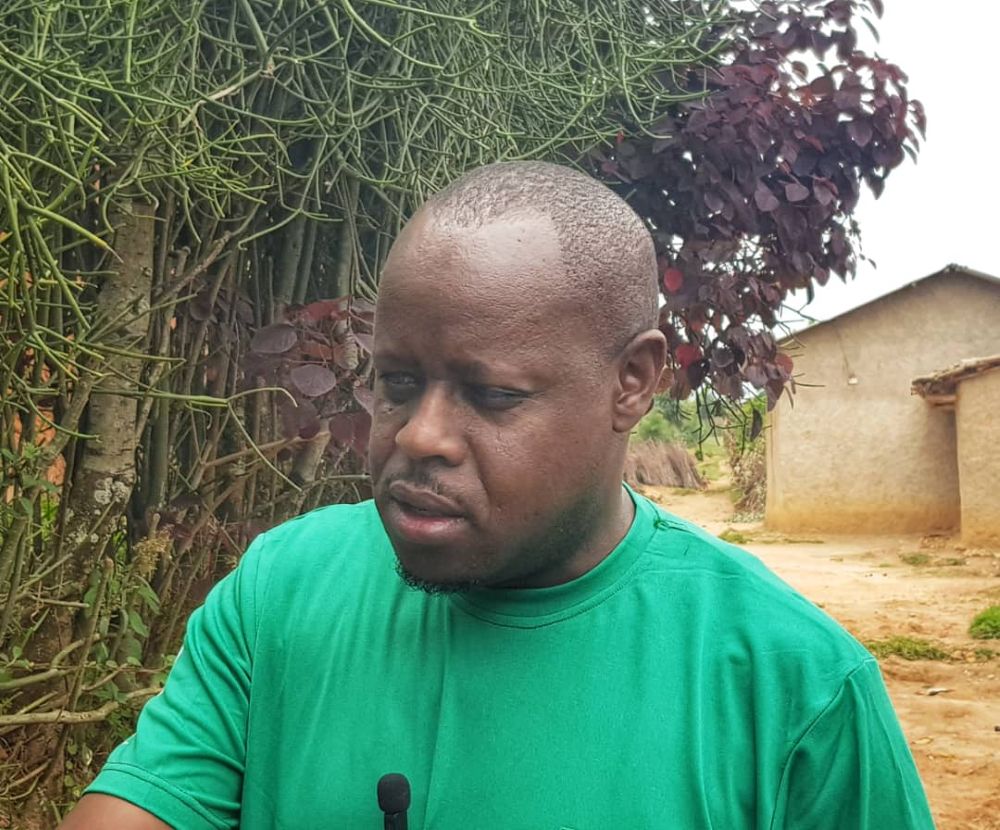
“When a man supports gender equality, development happens faster. That’s why we place strong emphasis on families and the groups they work in.”
The project reports significant achievements, including increased agricultural productivity among families, getting children back in school, growing membership in the national savings scheme Ejo Heza, and encouraging citizens to enroll in health insurance.
Achievements for JP RWEE Phase II
7,261 farmers trained on Climate-Smart Agriculture practices through Farmer Field Schools (FFLS). 26 hectares of land under solar-powered irrigation.
325 saving groups created (bringing together 7,798 farmers, 1,500 men, and 6,297 women), Rwf 200 million saved, and Rwf 130 million issued to members in loans.
2,753 individual farmers & 44 groups have opened bank accounts, increasing access to financial services. One poultry model farm and two selling points were established.
This project is implemented by FAO, IFAD, UN Women, and WFP, in partnership with the Government of Rwanda, through four implementing partners: CVI, INADES Formation Rwanda, RWARRI, and SAFE.


