
 0
0
 0
0
By Elisa
For many rural women in Rwanda, access to land is essential for securing livelihoods, supporting families, and building a stable future. Yet despite Rwanda’s progressive legal framework guaranteeing equal inheritance rights for women and men, cultural beliefs and limited awareness of the law can still prevent women from exercising those rights.
For Anastasie Uwitije, a 57-year-old farmer, married and mother of five, living in Gashanda Sector in Ngoma District, knowledge of the law became the key to securing her rightful place on her family’s land.
When Rights Are Known, Change Begins
After the death of her parents, Anastasie faced a difficult situation. Like many women in rural communities, she encountered strong cultural expectations that family land should belong primarily to male children.
Her brothers initially refused to grant her a share of the land.
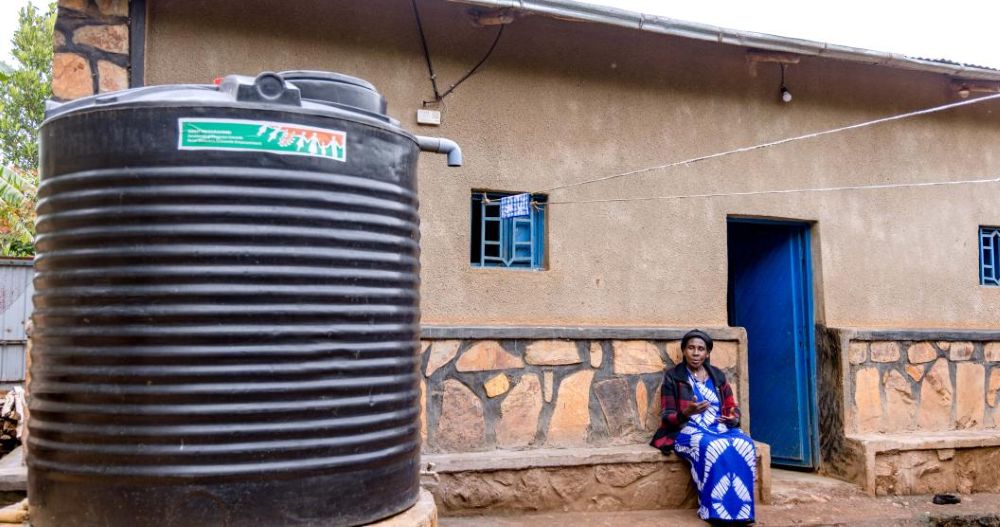
At the time, Anastasie did not know that Rwandan law guarantees equal inheritance rights for both sons and daughters. She found it challenging to confront the situation without this knowledge.
Her experience reflects a broader reality in many rural areas. Although Rwanda has one of the most advanced gender-equality legal frameworks in Africa, gaps in legal awareness still prevent some women from claiming their rights. Women constitute a large share of the agricultural workforce, yet many continue to face barriers to accessing and controlling productive assets such as land.
Learning About Land and Inheritance Rights
Anastasie’s situation began to change after she participated in a Training of Trainers (ToT) organized through the Joint Programme on Rural Women’s Economic Empowerment (JP RWEE).
The training focused on inheritance law, women’s land rights, and legal awareness at the community level. It aimed to strengthen participants’ understanding of Rwanda’s legal framework and equip them with the confidence to advocate for their rights.
During the sessions, Anastasie learned about Law No. 27/2016 of 08/07/2016 governing matrimonial regimes, donations, and successions, which guarantees equal inheritance rights for sons and daughters. The training also introduced participants to Rwanda’s broader land governance framework, including national policies that recognize women as equal land-rights holders.
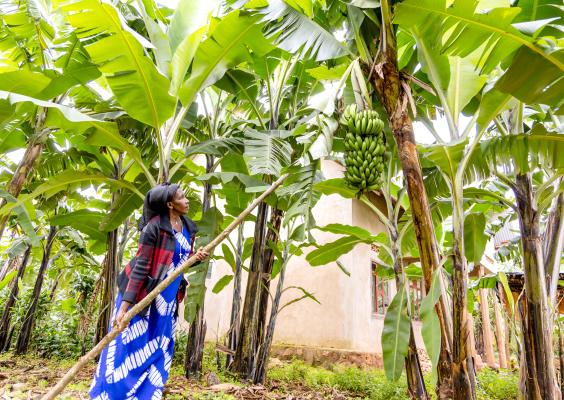
“Before the training, I did not know that the law protects women’s inheritance rights,” Anastasie explains. “The knowledge I gained gave me the confidence to speak to my brothers.”
Turning Knowledge into Action
Armed with new knowledge, Anastasie approached her brothers with confidence and respect. Rather than confronting them with anger, she chose dialogue.
She explained what she had learned during the training, emphasizing that Rwandan law recognizes sons and daughters as equal heirs to family property.
Her explanation changed the conversation.
“In May 2025, my brothers finally agreed to give me land, just as they did for my siblings, after I explained what I learned during the training on the inheritance law,” Anastasie recalls.
The family reached a peaceful agreement, and Anastasie received her rightful share of the land.
Securing a Future Through Land Ownership
Access to land has transformed Anastasie’s life.
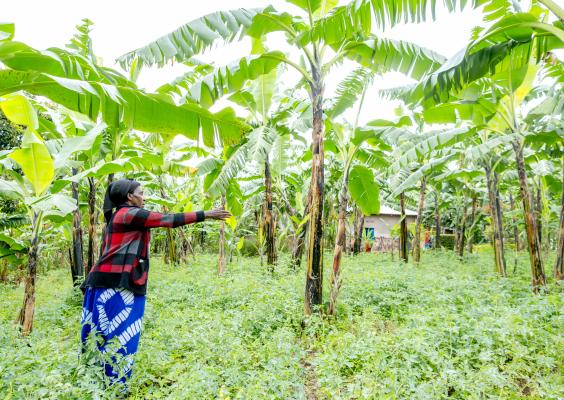
Today, she cultivates crops on her land, including bananas that contribute to her household’s food security and generate income to support her family. Beyond the economic benefits, owning land has strengthened her sense of dignity and belonging.
“I never had the chance to know my father because he passed away when I was still very young,” Anastasie says. “Today, having access to my father’s land makes me feel recognized and respected as his child.”
Strengthening Women’s Rights for Rural Development
Anastasie’s experience illustrates the transformative impact of JP RWEE’s community-based capacity-building approach.
By strengthening legal awareness and practical understanding of inheritance and land rights, the program helps bridge the gap between progressive national legislation and everyday realities in rural communities. Knowledge gives women the power to claim productive assets, lowers family-level conflicts, and makes it easier for men and women to get land.
Through initiatives like these, JP RWEE contributes to securing the future of rural women farmers by ensuring that their rights to land, recognition, and economic participation are respected and protected.
Anastasie’s story is a powerful reminder that when women understand their rights and are supported to exercise them, they become stronger contributors to their families, their communities, and the broader development of Rwanda’s rural economy.


