
 0
0
 0
0
By Annonciata Byukusenge
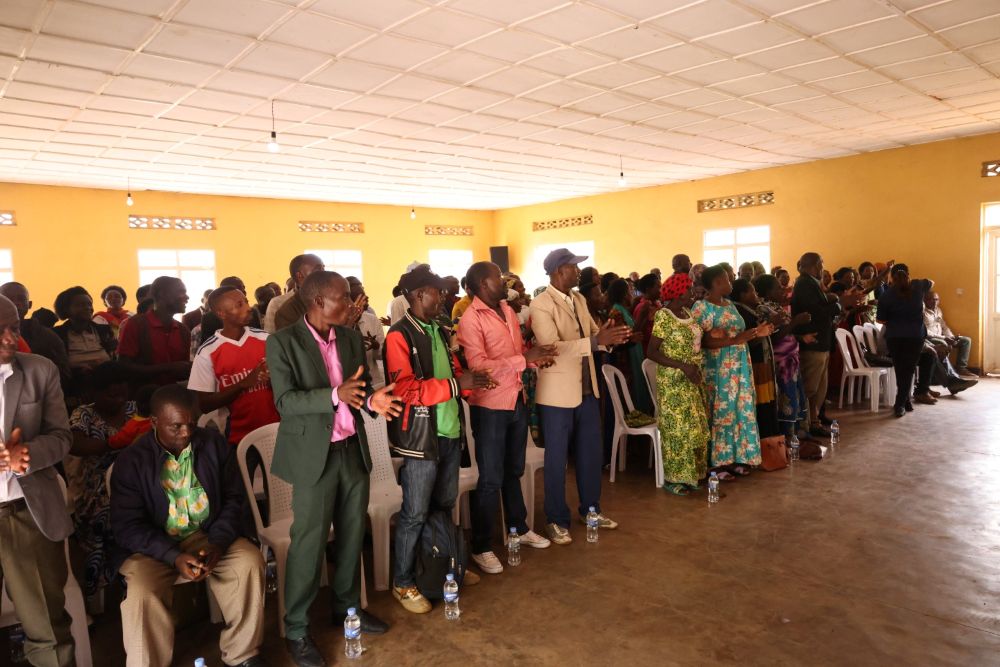
Kirehe District is a rural area with a population of more than 460,000 people, and about 95% are farmers. The district is among those supported by the SAIP II project, which has invested in several agricultural initiatives, including small-scale and consolidated irrigation schemes. For many farmers here, those changes have marked the turning point in their lives. They highlighted this during the SAIP II Knowledge Sharing Session.
Beatrice Nzabamwita is one of the maize farmers working in the 42-hectare Nyamugari marshland in Nyamugari Sector. She belongs to a cooperative called KOWASERANYA, which brings together 116 members. When she talks about farming, she does so with quiet pride, because for her, it has meant much more than just growing crops.
“I’m a mother of five. When we started this cooperative, we focused on maize and vegetables, and that’s still what we grow today. But things truly began to change when SAIP II stepped in to support us. Our harvests increased. We’re now able to feed our families properly and still have extra to sell at the market. Before, we harvested only 2 tons per ha. Today, we reach 5.8 tons.”
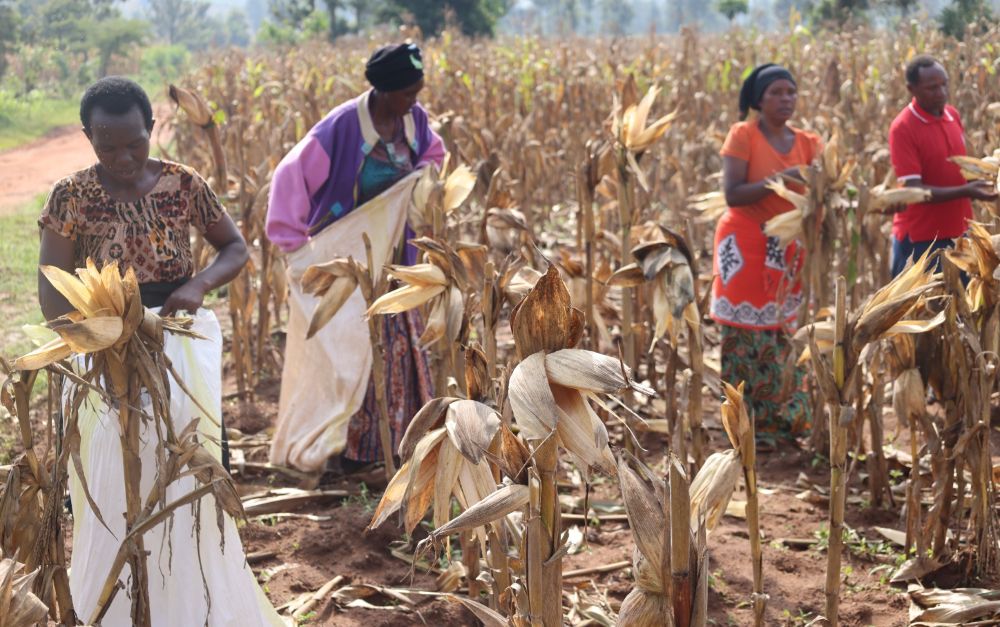
Beyond the cooperative’s shared fields, Nzabamwita also farms her own 30-a plot. She remembers how difficult it was before irrigation became available.
“SAIPII helped us build a dam that can hold up to 543,000 cubic meters of water. On just 1 a of land, I used to harvest around 100 kg of maize. Now I harvest 300 kilograms from the same size of land. I can afford to pay secondary school fees for my children. I’ve built a better house. Even though our diet has improved, we have enough food, and we eat better than before.”
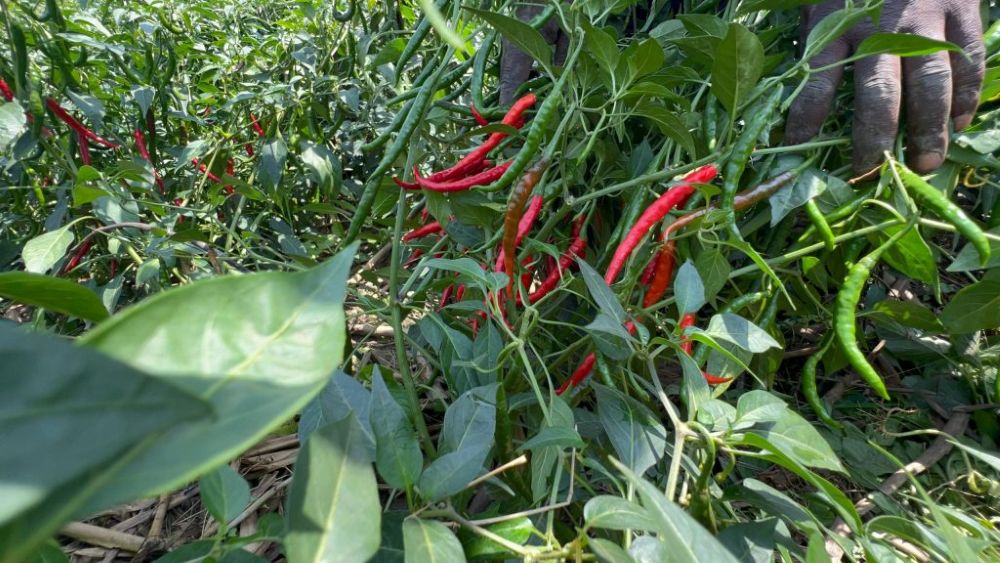
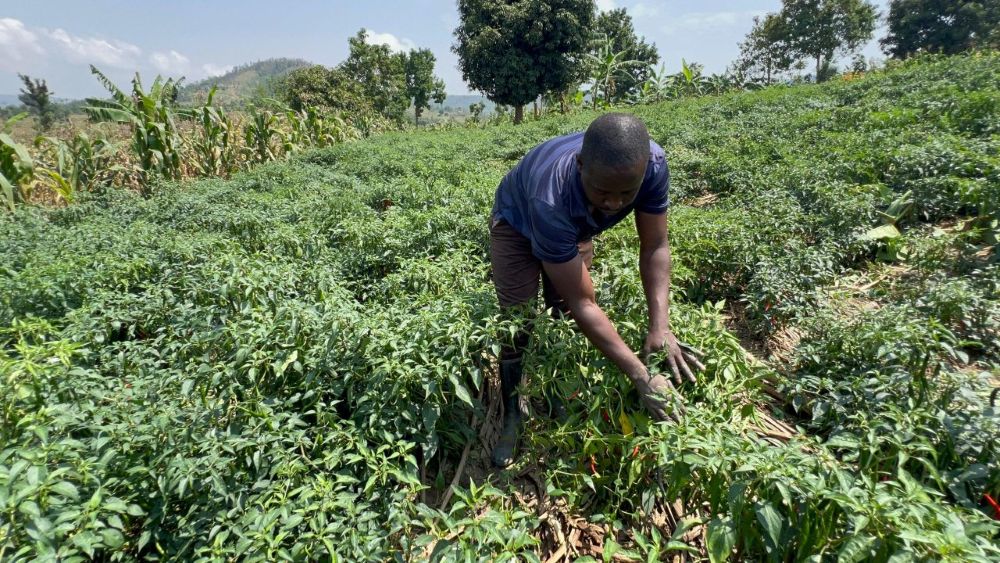
Her experience is the same as that of Iringirimana Samuel, a young farmer from Kigarama Sector who grows chili peppers. Like Nzabamwita, he says modern farming practices have completely reshaped his future.
“Before receiving support from SAIP II, I grew a local variety of chili known as piripiri. The yields were low because irrigation was expensive. I depended on three generators, and fuel costs were high, so I couldn’t irrigate as often as needed.”
Through the project, he received training in modern agricultural techniques and was introduced to an improved chili seed variety called TEJA.
“After gaining new skills, I switched to the TEJA variety because it produces much more. With the small-scale irrigation system, I’ve already harvested twice in just two weeks. So far, I’ve collected 500 kg of fresh chili, which I sell at 500 Rwandan francs per kilogram. Judging by how the crop is progressing, I expect to harvest around four tons in total.”
The mayor of Kirehe District, Bruno Rangira, says the district is grateful for the project’s contribution. Thanks to irrigation, farmers are no longer limited by unpredictable rainfall and can now cultivate up to three growing seasons per year.
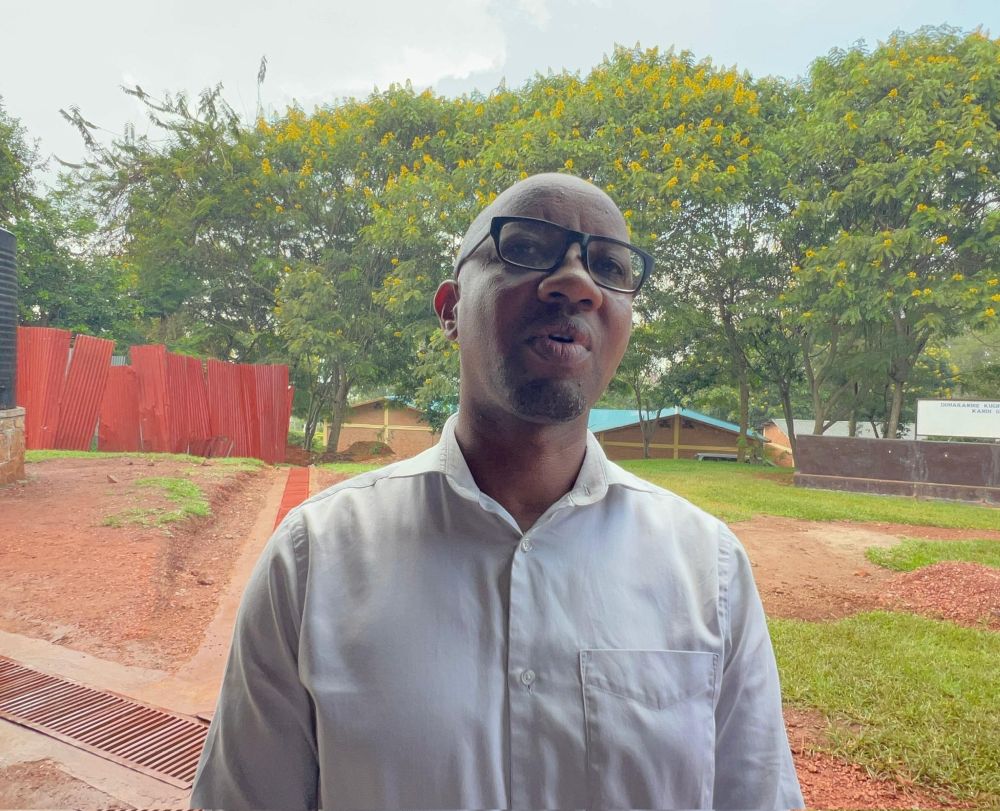
“Small-scale and consolidated irrigation have significantly boosted production. Maize yields have increased from 2.5 tons per hectare to 4 tons per hectare. Some other crops are reaching up to 7 tons per hectare. Our next goal is to reach between 10 and 12 tons per hectare.”
In Kirehe, farming is no longer simply about surviving from one season to the next. For many families, it has become a reliable source of income, stability, and hope for a better future.
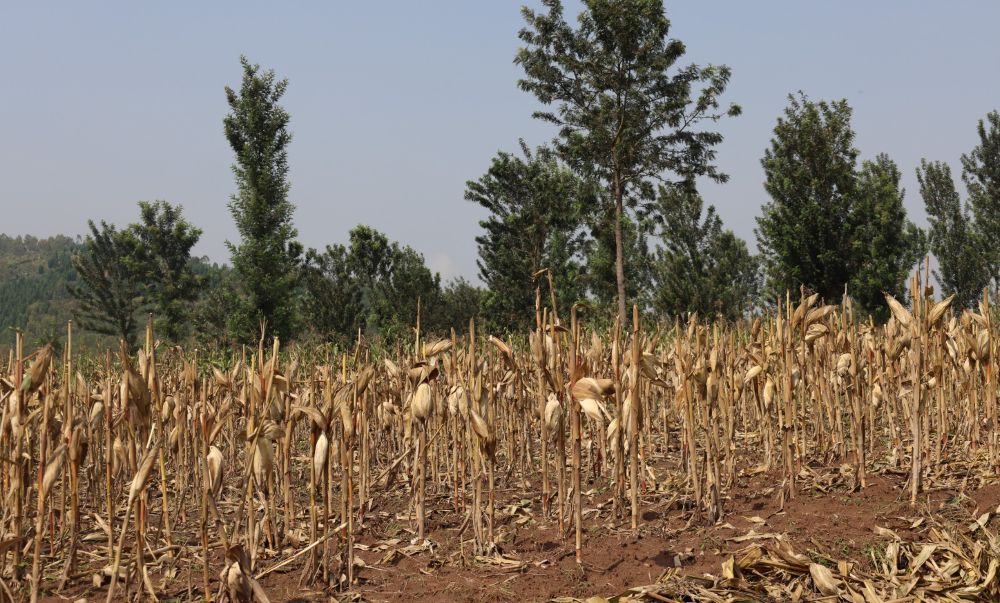
What the SAIP II Project provides
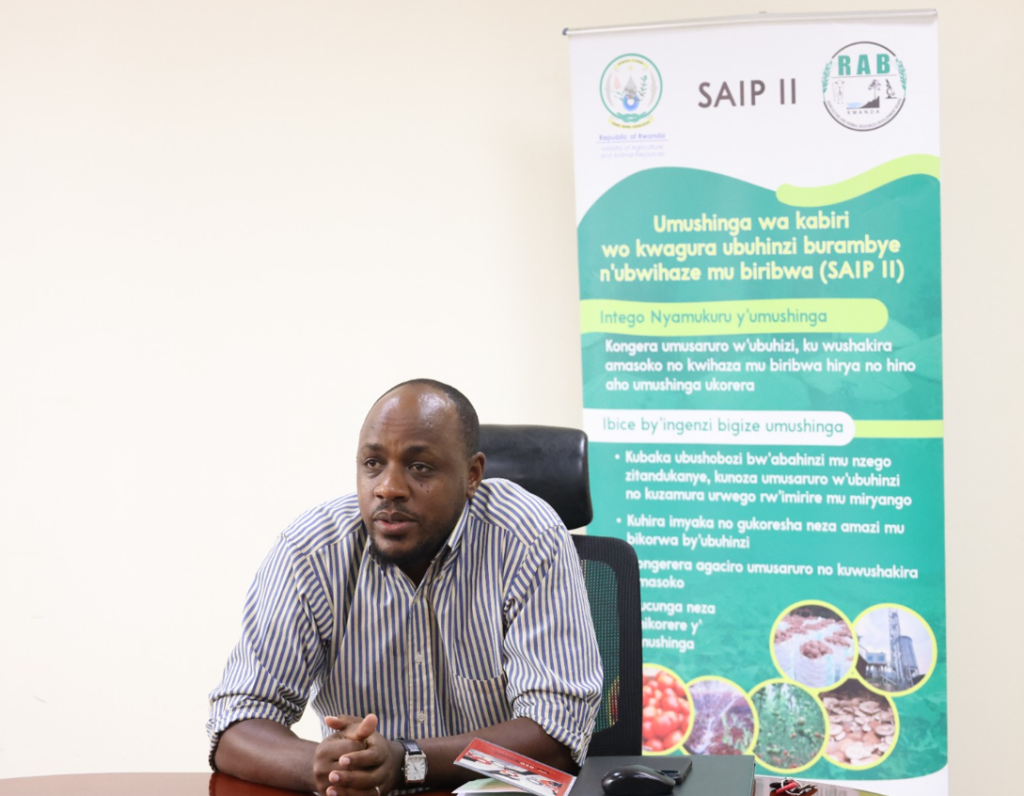
Mutabaruka Ezra, the SAIP project manager at RAB-SPIU, explains that the support goes far beyond training.
“The goal of SAIP II is to expand sustainable agriculture and strengthen food security. To achieve this, we have helped farmers access irrigation systems and small-scale irrigation. Some have also received support in post-harvest handling and adding value to agricultural by-products.”
He adds that SAIP II builds upon the achievements of the earlier SAIP I project. Through SAIP II, irrigation systems have been developed to cover 1,780 hectares of farmland.
“It’s not just about irrigation. We train farmers in proper post-harvest handling, from harvesting to storage and marketing. For fruit and vegetable farmers, we have provided cold storage facilities to ensure their produce reaches the market in good condition.”
Overall, the SAIP project required an investment of approximately 20 million US dollars, while irrigation activities alone accounted for about 5.7 million US dollars.


