 0
0
 0
0
By Christophe Uwizeyimana
In several areas of Kayonza District, where agriculture has long been affected by drought, many farmers have struggled with poor yields due to poorly managed fields and lack of proper land management. However, residents of Ndego Sector, Kiyovu Cell, including villages such as Mwulire, report a significant improvement in their livelihoods after benefiting from the Kayonza Irrigation and Integrated Watershed Management Project – Phase 2 (KIIWP2), which assisted them in constructing terraces on their farmland.
Vincent Ndahimana, president of a local farmers Group in Ndego Sector, Kiyovu Cell, explained that before KIIWP2 arrived, agricultural productivity was consistently low due to drought and unorganized farms. “Since KIIWP2 started working with our community, farmers’ living standards have begun to improve,” he said.
Sandrine Munganyinka, one of 20 women in the group, highlighted the transformative impact of the project on women farmers. “KIIWP2 has been a catalyst for change in our lives. Through group-based farming training, our productivity has increased. Our fields in Kiyovu Cell were converted into terraces. We also learned savings practices and group-based problem-solving, all facilitated by KIIWP2.
Aphrodis Tuyishimire, a farmer and livestock keeper in Ndego Sector, added:
“Before KIIWP, our yields were very low. Now, we are seeing a significant increase in production, which is improving our livelihoods. KIIWP provides seeds, fertilizers, and ongoing agronomic advice. What we still need is permanent access to water to fully mitigate the effects of climate variability.”
Tuyishimire also detailed the impact of the terraces: “Around 100 hectares in Mwulire Village have been terraced. We planted beans and maize using seeds supplied by KIIWP. Areas that were previously prone to erosion now retain water, and yields have increased dramatically. Where we used to harvest only 50 kilograms of maize or beans, successful seasons now yield up to 2 tons. Our Group currently has 37 active farmers.”
Dan Mandela, Value Chain Development Specialist at KIIWP2, emphasized that the project aims to help rural farmers in Kayonza optimize agriculture, reduce poverty, and build climate resilience. This is achieved through capacity building, field organization, access to quality seeds and fertilizers, and the construction of terraces to conserve soil and water.
KIIWP2 supports eight main crops: maize, rice, soybeans, beans, sweet potatoes, cassava, vegetables, and fruits. Farmers are trained through Farmer Field Schools (FFS) on good agricultural practices, soil conservation, climate-smart agriculture, and farming as a business to ensure profitability.
Currently, the project is implementing activities in various parts of Kayonza, including Gishanda, with a plan to irrigate 300 hectares, and Kanyeganyege, alongside the construction of irrigation dams. In Ndego, residents are benefiting from modern terraces, as well as feasibility studies and procurement plans initiated to introduce irrigation systems to support more farmers.
KIIWP2 aims to improve food security and incomes for at least 40,000 rural households (about 180,000 members). Women account for 50% of beneficiaries, while youth and young adults make up 30%.
- Phase I (KIIWP1) was approved on May 2, 2019, and became effective on December 10, 2019, marking the official start of the project.
- Phase II (KIIWP2) became effective on April 5, 2022, building on the achievements of Phase I.
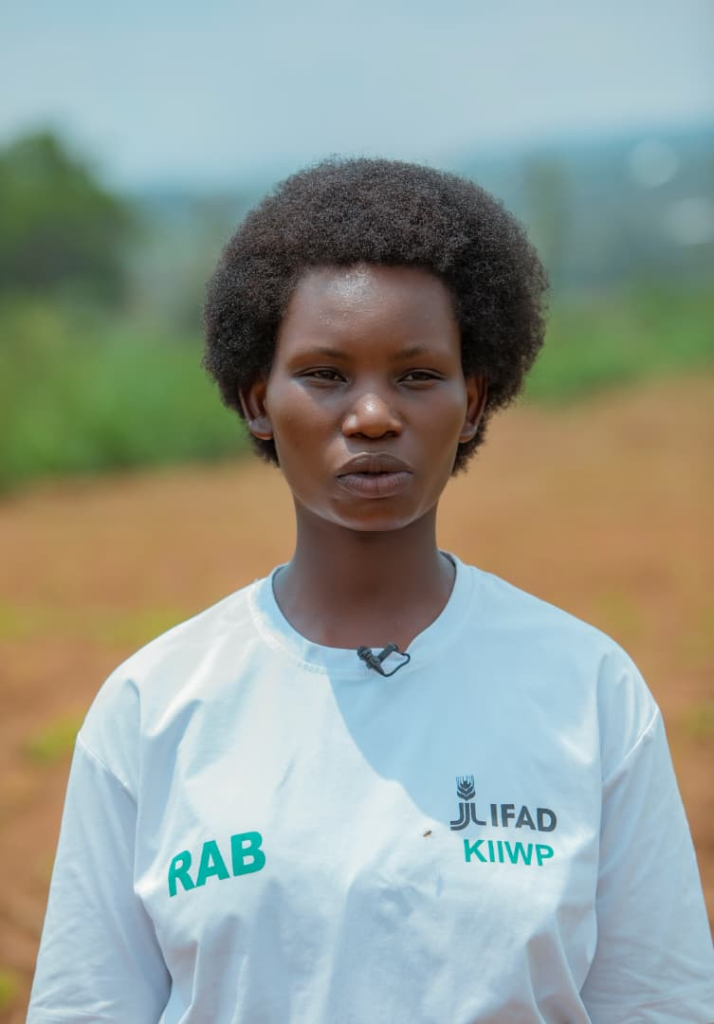
Photo:Sandrine Munganyinka, one of 20 women in the farmers’ group, showcases how KIIWP2’s training and terracing support have transformed productivity and empowered women in Kiyovu Cell.

Photo: Aphrodis Tuyishimire, a farmer in Ndego Sector, highlights how KIIWP2’s support, including terracing, seeds, and fertilizers, has boosted yields
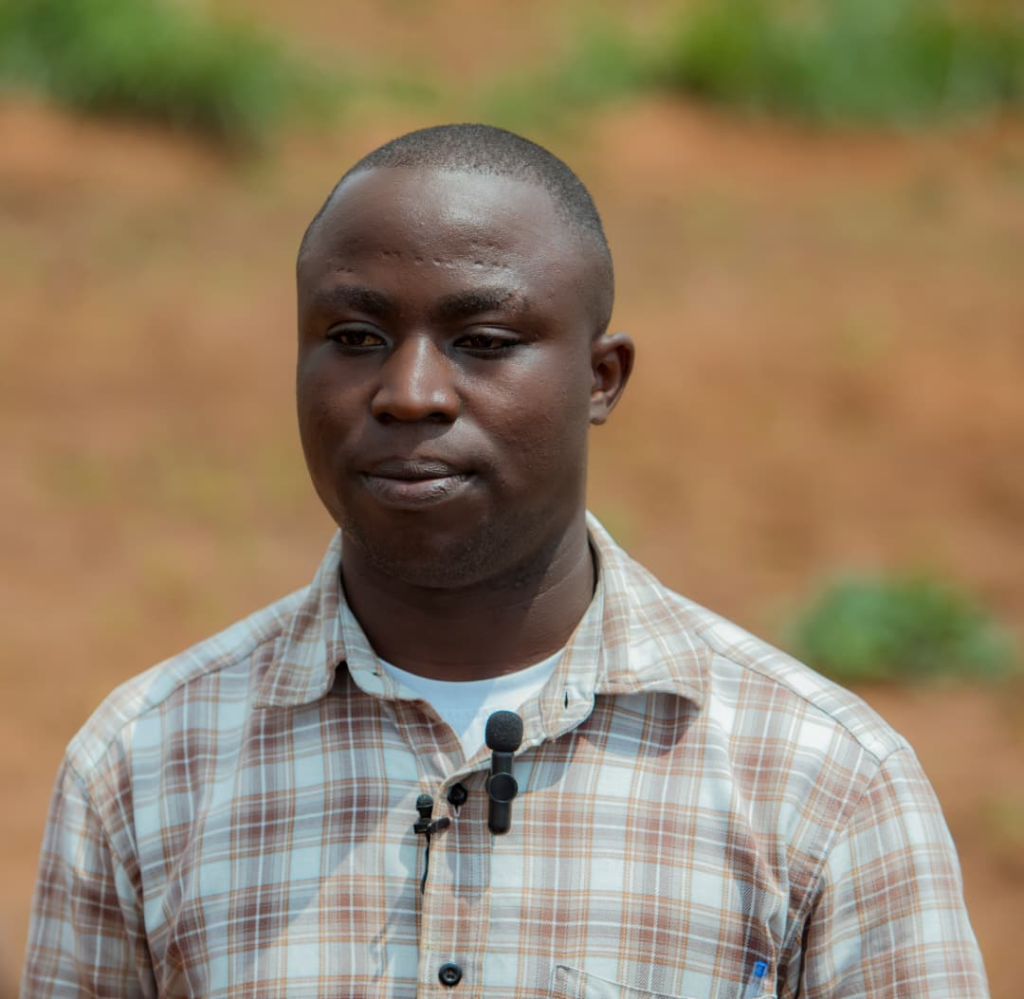
Photo: Vincent Ndahimana, president of a local farmers’ group, highlights how KIIWP2’s support has improved productivity and living standards in the community.

Photo: Dan Mandela, Value Chain Development Specialist at KIIWP2, explains how the project is helping rural households in Kayonza improve productivity, adopt climate-smart agriculture, and access irrigation, terraces, and quality inputs
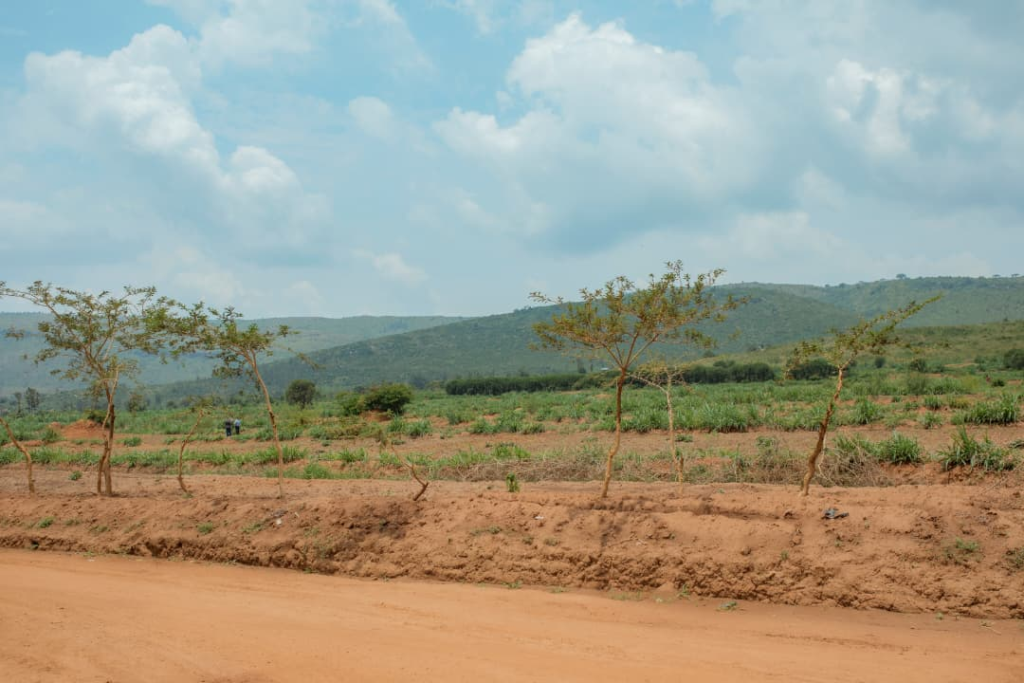
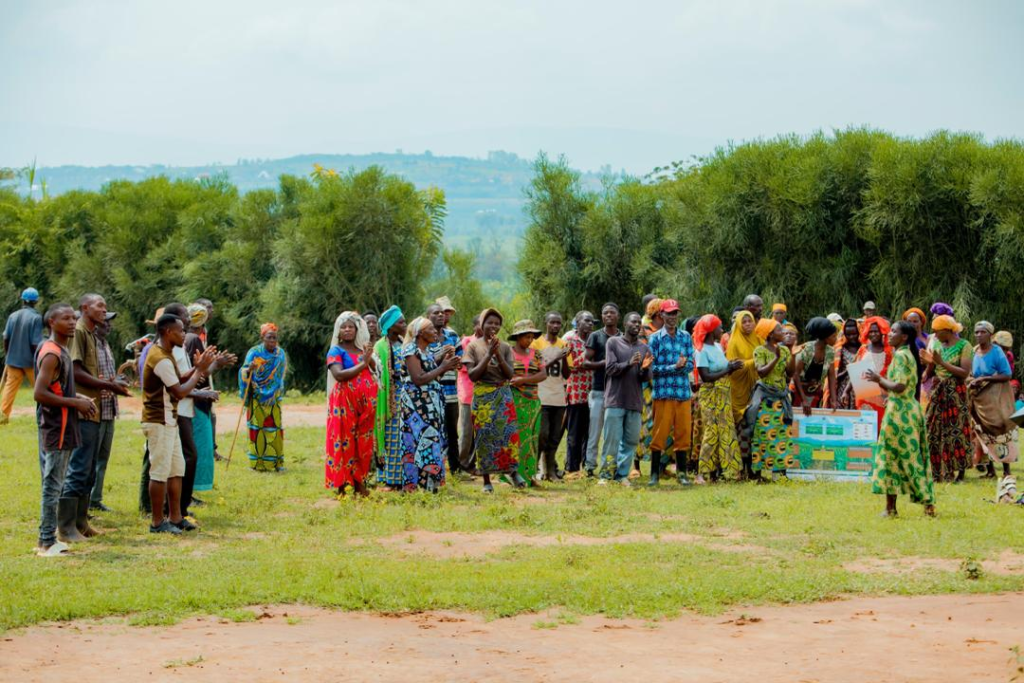
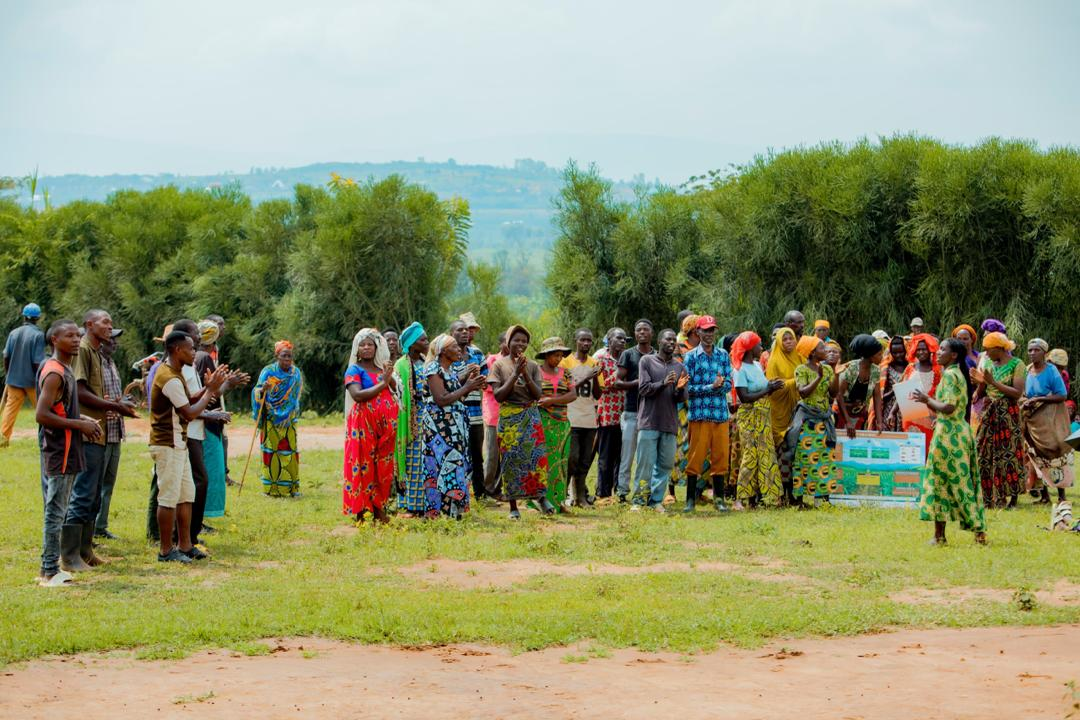
Photo:Farmers in Ndego Sector showcase the modern terraces constructed in support of KIIWP2, which help conserve soil, retain water, and significantly boost agricultural productivity.