
 0
0
 0
0
By Annonciata Byukusenge
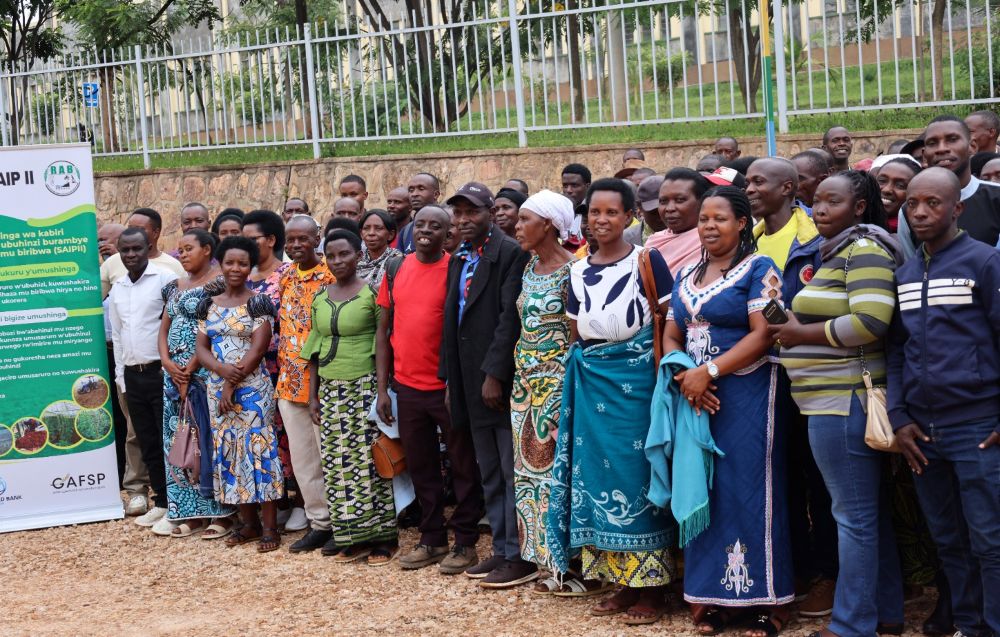
Farmers in Huye say their journey toward real progress began when they joined the SAIP II project. Before becoming beneficiaries, many of them lacked the knowledge and skills needed to practice modern farming and livestock keeping effectively.
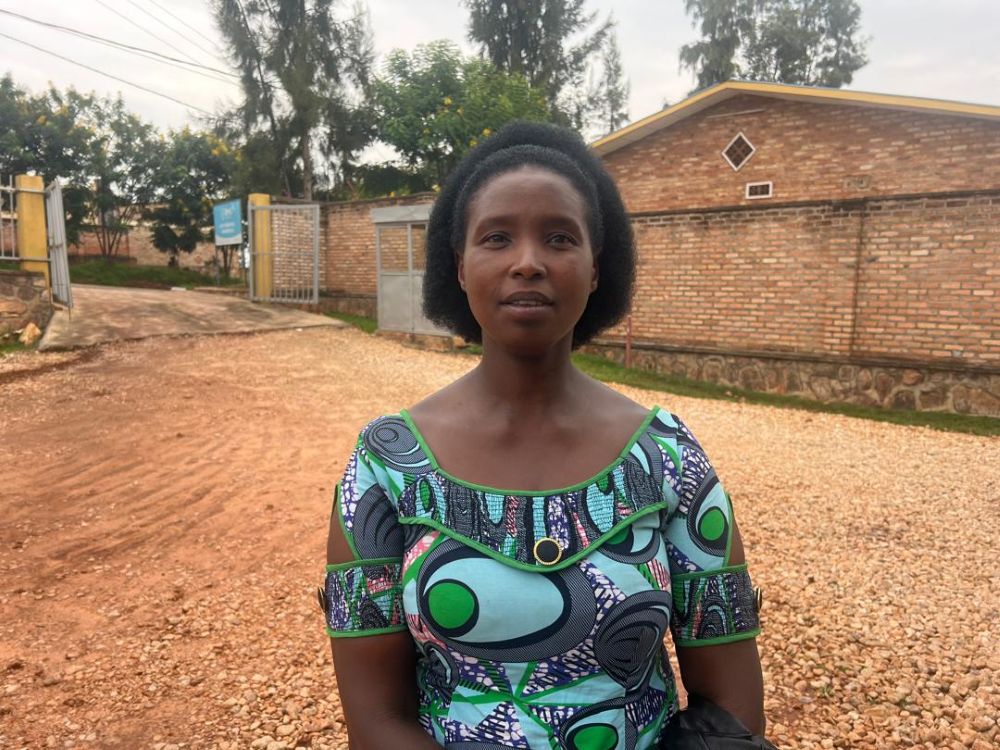
Uwantege Bernadette, a farmer from the Ruhashya sector, Karama cell in Huye district, shares her story openly. She explains that despite working hard on her farm, she remained trapped in poverty because her harvests were too small to improve her family’s living conditions.
“Before joining SAIP II, my family and I were struggling. Even though we farmed every season, we could not produce enough food to feed ourselves.”
According to her, the biggest thing she was missing was knowledge.
“When I heard that RAB was going to support farmers, I informed my fellow members of the Ruvungirana cooperative. We prepared a proposal, and fortunately, our project was selected for support. They didn’t start by giving us financial aid. Instead, they first trained us. That’s when we realized that what we truly lacked wasn’t just money; it was knowledge.”
A remarkable transformation
Before receiving training, Uwantege cultivated just five acres of land and harvested about 50 kilograms of beans. She used to mix several crops in the same small plot, like beans, sweet potatoes, maize, cassava, Irish potatoes, and peas, believing it would maximize her yield.
“I used to grow more than three crops on a single plot because I didn’t know any better. After receiving training in professional farming methods, I began planting improved seeds and focusing on one crop per field.”
The results were dramatic.
“Previously, I harvested only 50 kilograms of maize from 1a. Now I harvest 600 kilograms from the same area. I always advise fellow farmers to abandon mixed, unplanned farming. You work hard but gain little in return.”
Her family’s situation has changed significantly. They now have enough food, her children attend school without interruption because she pays fees on time, and she pays regularly for the community health insurance.
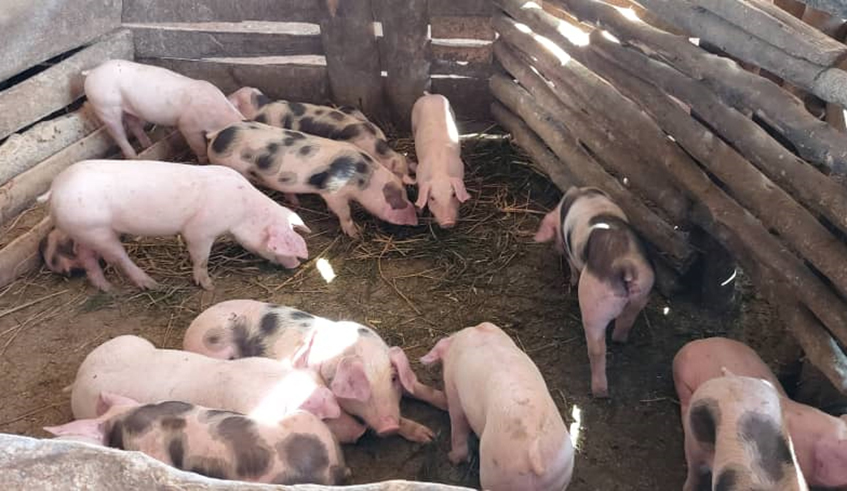
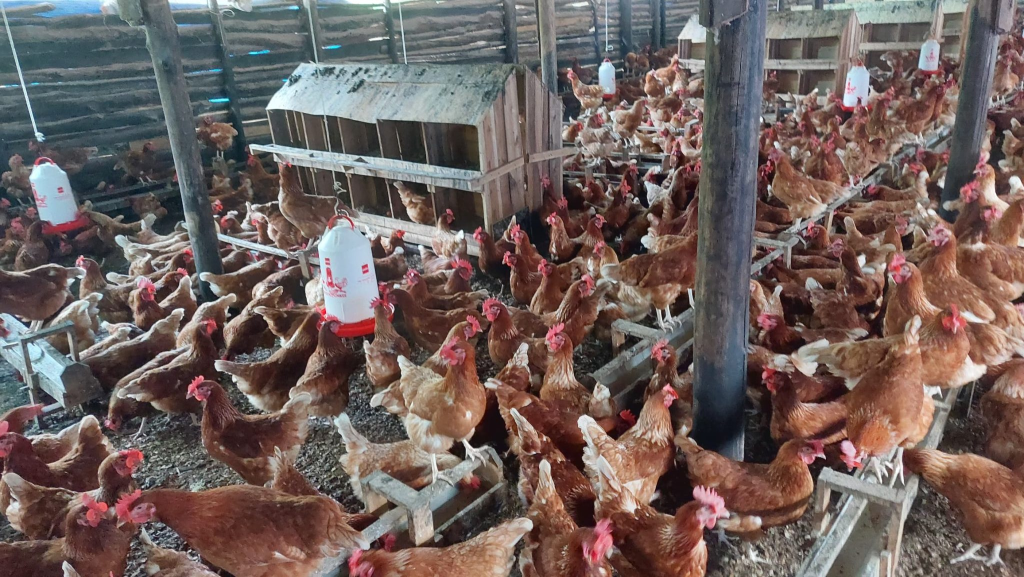
Beyond increasing her crop production, Uwantege was able to purchase an additional 10 ares of land. She has also expanded into livestock farming, raising goats, pigs, and chickens.
The Vice Mayor of Huye District in charge of economic development, Andrée Kamana, urged farmers and livestock keepers who have received support from SAIPII to make the most of the opportunities they have been given and to share the knowledge they have gained with others.
He made these remarks this Monday, February 23, 2023, during a discussion focused on expanding sustainable agriculture and increasing agricultural productivity.
The SAIPII project has supported the community in many different ways and expressed appreciation for its contribution. “Farmers, you have to remain committed to fighting soil erosion, describing it as one of the greatest threats to agriculture. Plant trees alongside crops to help protect and stabilize the soil and to grow grass on erosion-control structures, which not only prevent soil degradation but also provide fodder for livestock.”
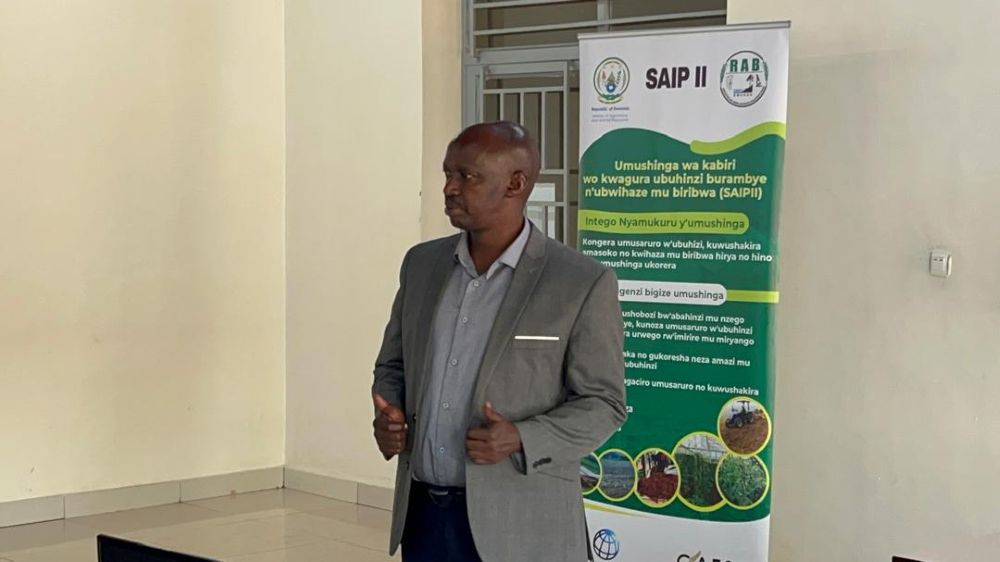
He further emphasized the importance of consolidating land use, encouraging farmers to participate in land consolidation programs to strengthen and manage farming areas more effectively.
What the SAIP II Project provides
Mutabaruka Ezra, the SAIP Project Coordinator at RAB-SPIU, explains that the support goes far beyond training.
“The goal of SAIP II is to expand sustainable agriculture and strengthen food security. To achieve this, we have helped farmers access irrigation systems and small-scale irrigation. Some have also received support in post-harvest handling and adding value to agricultural by-products.”
He adds that SAIP II builds upon the achievements of the earlier SAIP I project. Through SAIP II, irrigation systems have been developed to cover 1,780 hectares of farmland.
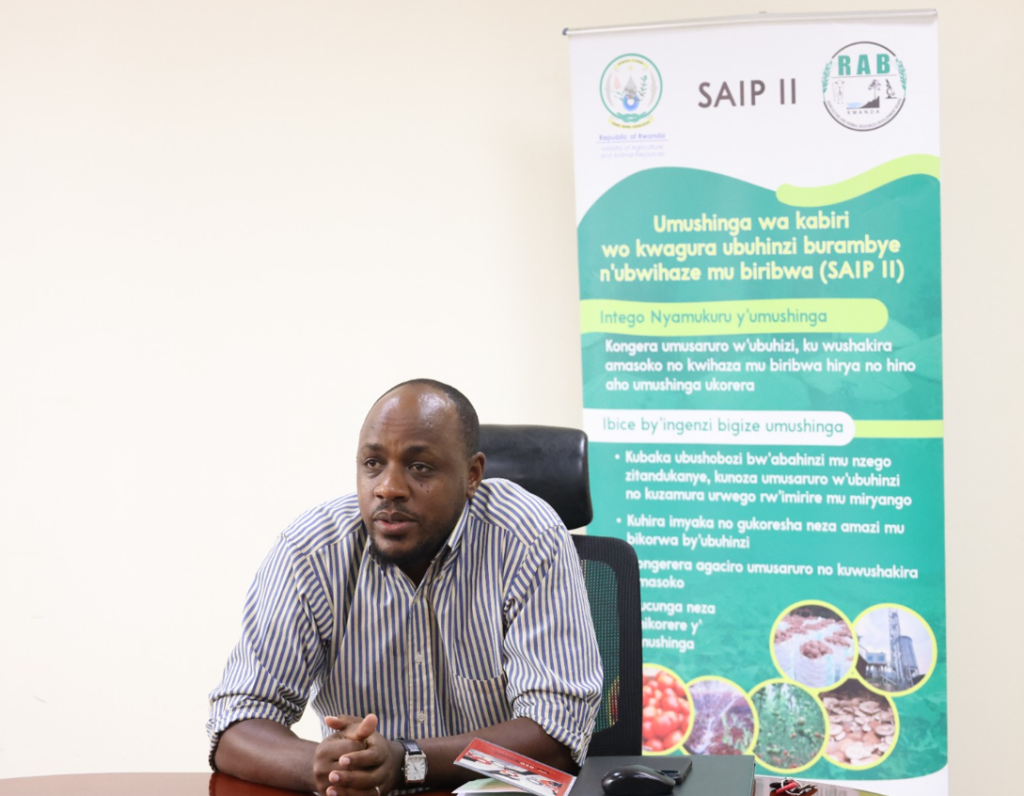
“It’s not just about irrigation. We train farmers in proper post-harvest handling, from harvesting to storage and marketing. For fruit and vegetable farmers, we have provided cold storage facilities to ensure their produce reaches the market in good condition.”
Overall, the SAIP project required an investment of approximately 20 million US dollars, while irrigation activities alone accounted for about 5.7 million US dollars.


