 0
0
 0
0
By Annonciata Byukusenge
The PRISM project’s support has transformed the lives of Mukantwari Therese and Ndikuryayo Etienne. Before receiving assistance, their family was among the most vulnerable in their community. They owned no land to cultivate, had no livestock, and were living in very difficult conditions.
They live in the Huye district, Karama sector, in the Gahororo cell. Their situation began to change in 2023 when they were selected as beneficiaries of a program supporting the most disadvantaged households. Through the initiative, they received a pig to start small-scale livestock farming as a way to lift themselves out of poverty.
Mukantwari recalls how challenging life was before the support:
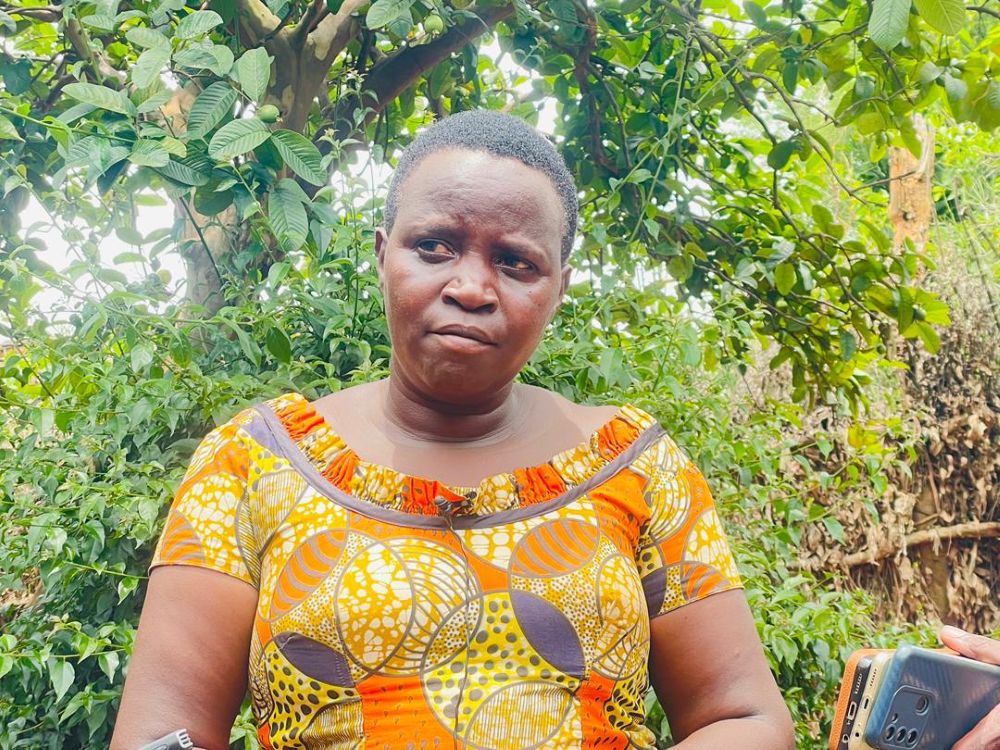
“We used to live a very hard life. We didn’t have land to farm because we couldn’t afford to buy any. When we received pigs through the project, we took excellent care of them. They multiplied, and we started selling the piglets to earn money.”
She adds that the first pig they received initially gave birth to three piglets. The second time, it produced 10, and the third time, 13. Two of its offspring also began reproducing, each birthing 13 piglets and giving birth twice a year.
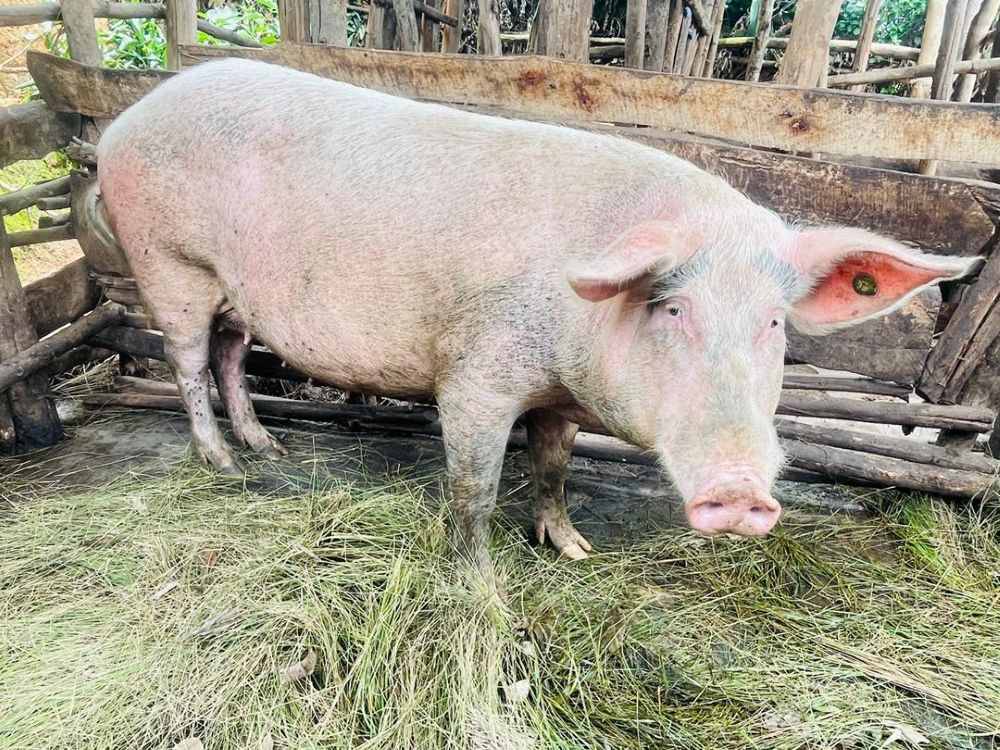
“Because pigs generate income quickly, we kept selling some of the piglets and eventually managed to buy a large piece of farmland, about a hectare. Now we cultivate our land and get excellent harvests, especially since we also have manure for fertilizer.”
Her husband, Ndikuryayo, says that the support from PRISM has also helped them invest in their children’s education. The project assists with school fees, easing a major burden for the family.
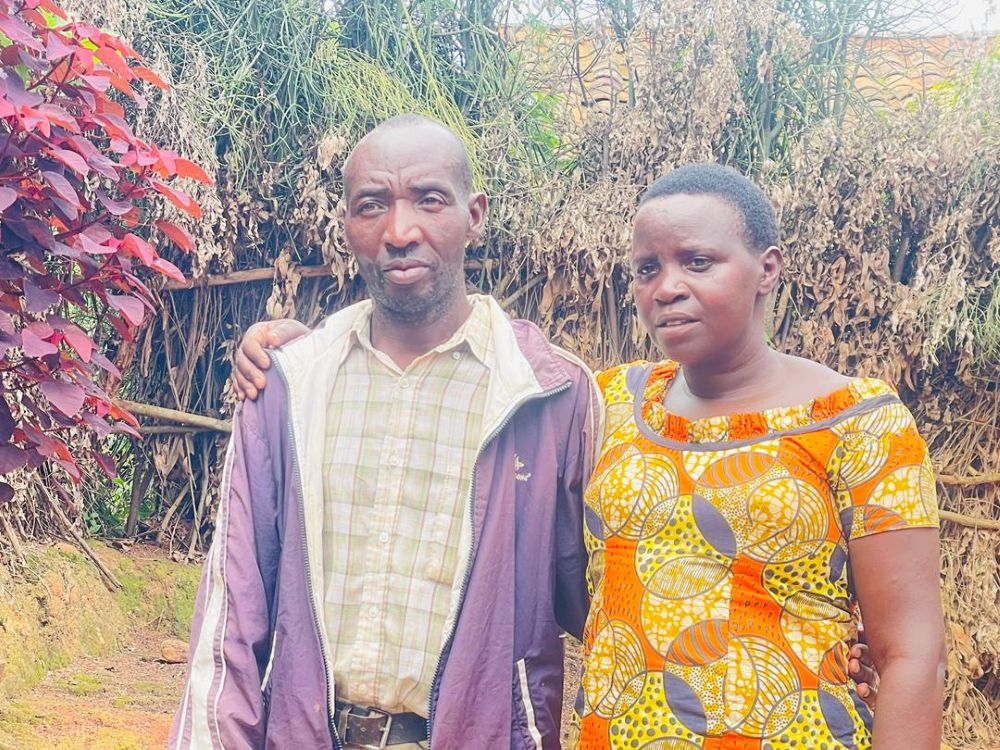
“One of our children finished secondary school but didn’t get the grades required to enter a public university. Since our pigs were bringing in enough income, we decided to enroll the child in a private university. Today, that child is in the second year of university.”
He adds that pig farming has become the backbone of their children’s education. The income they earn allows them to pay school fees for those still in secondary school.
Andrée Kamana, the vice mayor of Huye District in charge of Economic Development, says that the district appreciates the role PRISM has played in improving people’s livelihoods.
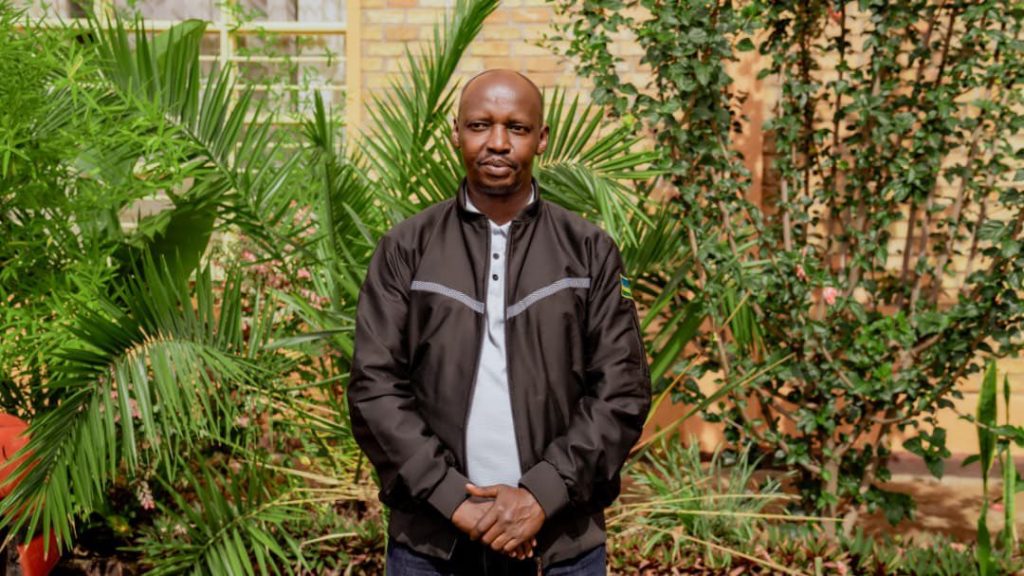
“Households that received small livestock, especially pigs, have made remarkable progress. Some have bought land, others have built or renovated their homes, and many are now able to pay school fees for their children. They are also achieving food security and increasing agricultural production. Beneficiaries have even passed on animals to others, and some livestock have now reached a third cycle of redistribution.”
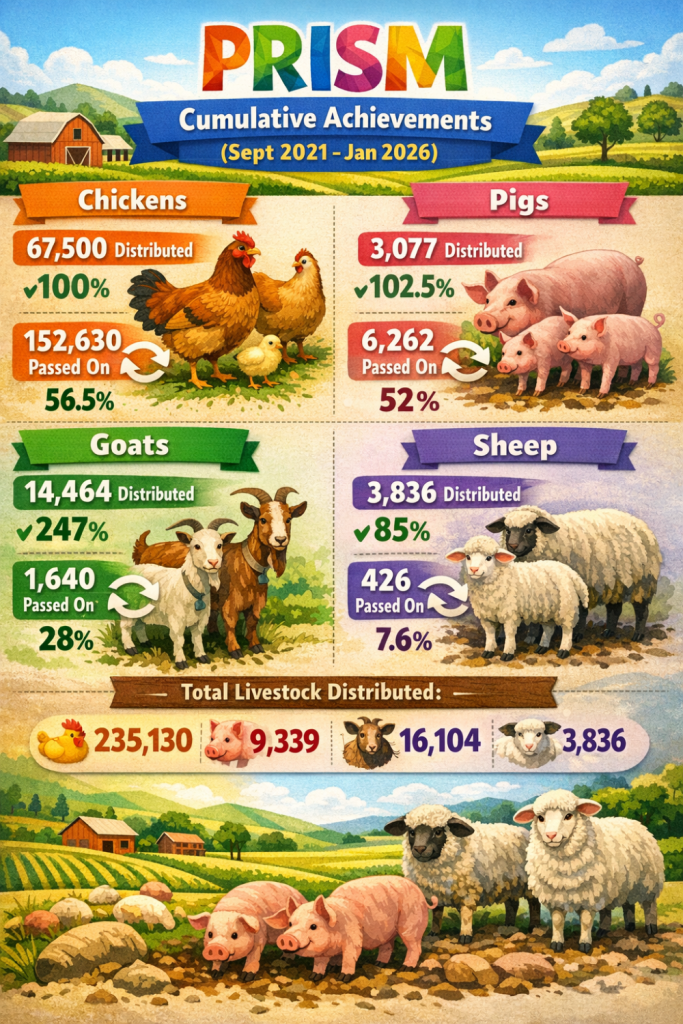
In Huye District alone, PRISM has distributed about 700 pigs, 7,000 chickens, and 1,200 goats. These numbers also include animals that beneficiaries later passed on to other community members as part of the program’s livestock-sharing system.
PRISM is a project jointly implemented by the Government of Rwanda in partnership with the International Fund for Agricultural Development (IFAD), through the Ministry of Agriculture and Animal Resources (MINAGRI), and implemented under the Rwanda Agriculture and Animal Resources Development Board (RAB).


