
 0
0
 0
0
By Christophe Uwizeyimana
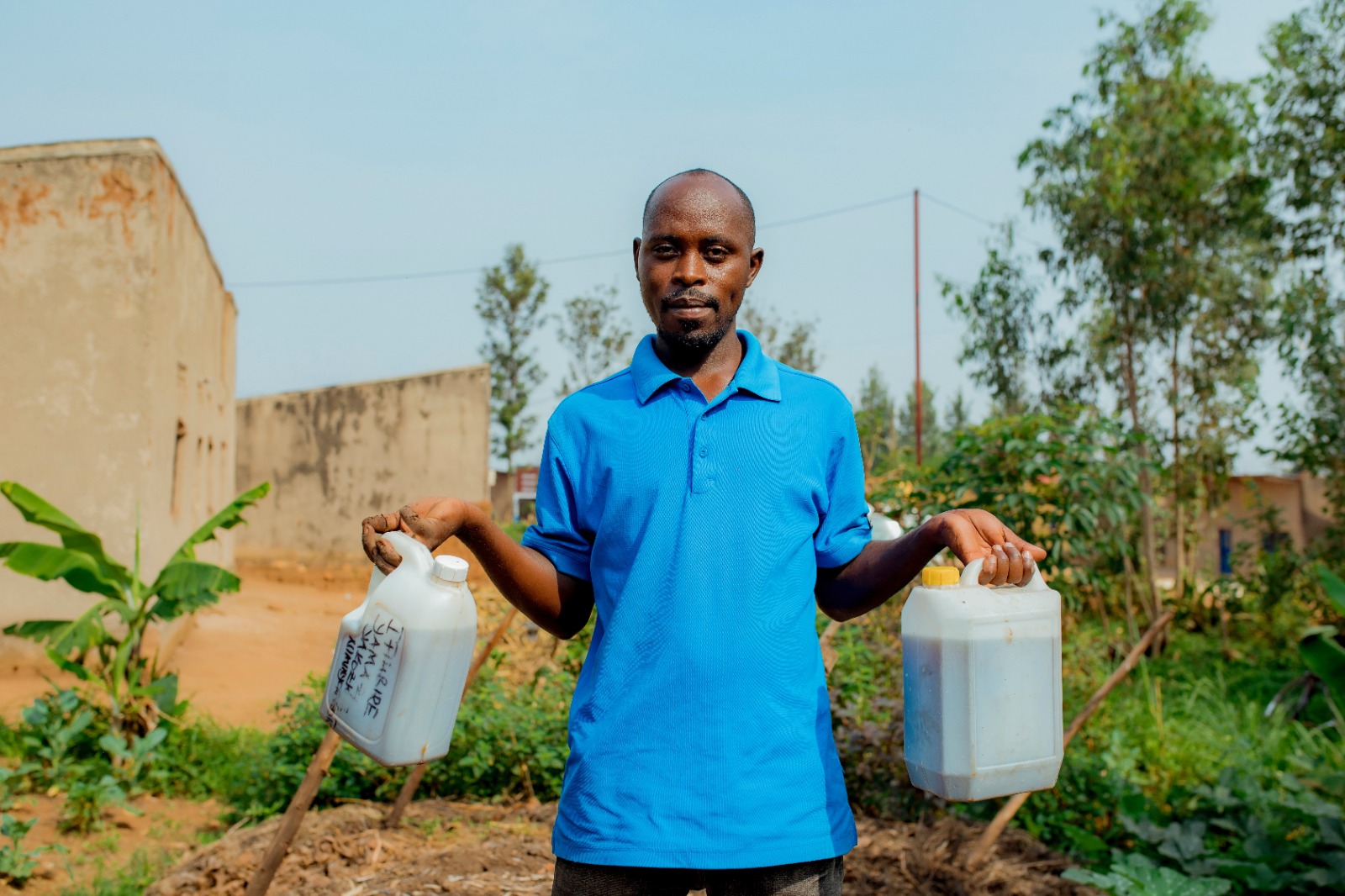
In Murundi Sector of Kayonza District, Eastern Rwanda, a quiet agricultural transformation is taking root. For years, farmers in this area battled a destructive soil pest locally known as Mukondowinyana, a root-eating worm that devastated crops, slashed yields, and shattered livelihoods. Today, hope has returned, thanks to Vermicompost liquid fertilizer, a low-cost, eco-friendly innovation that is revolutionizing farming practices and restoring productivity.
From Despair to Renewal
For a long time, farmers in Murundi watched helplessly as their crops especially beans, potatoes, and vegetables withered and died. The Mukondowinyana pest attacked plant roots underground, leading to poor growth, crop failure, and heavy financial losses.
However, this grim reality began to change after capacity-building trainings conducted under the Kayonza Irrigation and Integrated Watershed Management Project Phase II (KIIWP2). Through these trainings, farmers acquired practical skills to produce vermicompost liquid fertilizer, a natural soil amendment that both nourishes crops and repels destructive pests.
Today, 26 farmers organized in a local group in Murundi Sector are successfully producing and using this organic fertilizer, transforming their farming systems and incomes.
“Our Harvests Have Tripled”
Nyirampakaniye Dative, a farmer from Rukoyoyo Village in Karambi Cell, says Vermicompost has completely changed their farming fortunes.
“We used to lose our crops because of pests caused by using poorly decomposed organic matter. After receiving training on how to prepare vermicompost liquid fertilizer, our farms have recovered. Before, I harvested only about 300 kilograms of potatoes per hectare. Today, I harvest over 1,000 kilograms per hectare. This fertilizer does not attract destructive insects, and our crops grow healthier and stronger.”
Her story mirrors that of many farmers in the area, who say vermicompost has restored productivity, reduced pest damage, and improved soil health.
Fighting Soil Pests with Innovation
Kaberuka Gilbert, President of farmer facilitators in Murundi Sector, explains that root-damaging pests are a long-standing challenge in Kayonza District.
“Mukondowinyana has always been a serious problem here. But after receiving training from KIIWP2, we learned how to produce both solid compost and liquid vermicompost. We use organic household waste and special earthworms known as Taiga worms, which accelerate decomposition. The liquid fertilizer is fast-acting, repels pests, and significantly boosts crop yields.”
Using simple but effective techniques, the group produces 21 litres of vermicompost liquid fertilizer every week. One litre can be diluted into two or three litres, depending on crop type, making it both cost-effective and environmentally sustainable.
Farming as a Business
Beyond improving crop yields, vermicompost production has become a new income stream for farmers. The group sells the fertilizer at Rwf 1,500 per litre, earning around Rwf 30,000 per month. Since starting, they have generated over Rwf 700,000, mostly from vegetable farmers seeking affordable organic solutions.
This income not only strengthens household resilience but also encourages farmers to view agriculture as a profitable enterprise rather than mere subsistence farming.
Climate-Smart and Sustainable Agriculture
Dan Mandela, Value Chain Development Specialist at KIIWP2, says the project focuses on building farmers’ skills, improving access to quality inputs, and promoting sustainable agricultural systems.
“We provide farmers with improved seeds, fertilizers, and continuous training through the Farmer Field Schools approach. This helps them adopt good agricultural practices, soil conservation, and climate-smart agriculture. Our aim is to transform farming into a profitable and sustainable business, particularly through farmer cooperatives.”
KIIWP2 targets at least 40,000 rural households—benefiting around 180,000 people in Kayonza District with a strong focus on food security, climate resilience, and income generation.
A Model for Rwanda’s Agricultural Future
The success of vermicompost in Murundi is more than a local victory, it represents a scalable model for sustainable agriculture across Rwanda. By turning organic waste into valuable fertilizer, farmers are reducing environmental degradation, restoring soil fertility, combating pests naturally, and building economic resilience.
As climate change, soil exhaustion, and rising input costs threaten smallholder farmers nationwide, Murundi’s experience offers a powerful lesson: innovation, knowledge, and local solutions can unlock lasting agricultural transformation.
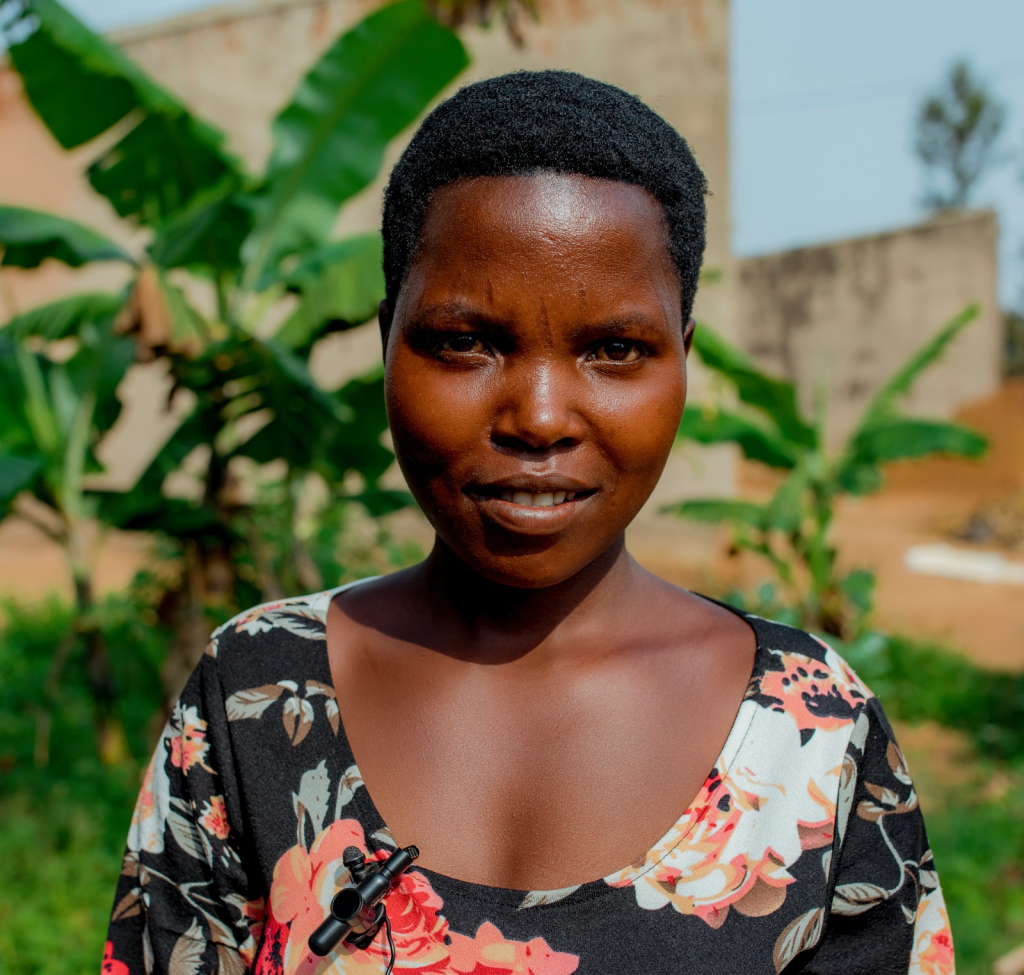
Photo:Nyirampakaniye Dative, a farmer from Rukoyoyo Village, Karambi Cell, says vermicompost liquid fertilizer has tripled her potato yields while reducing pest damage and improving soil health.
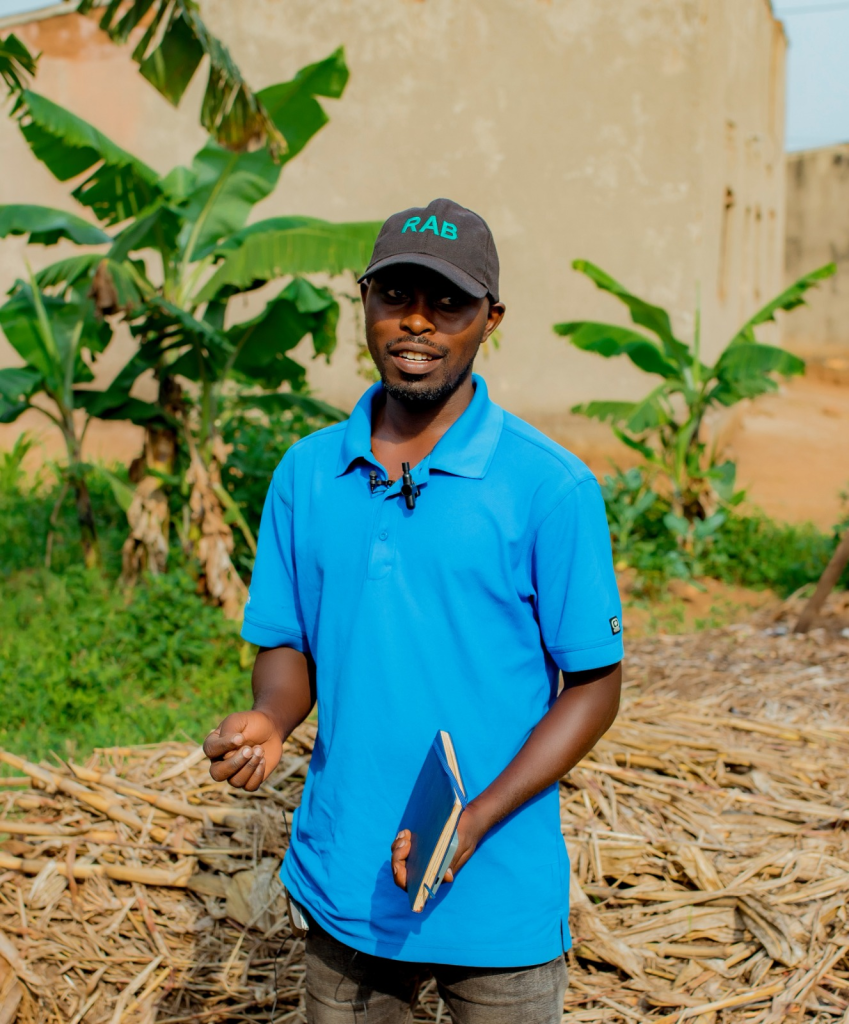
Photo: Kaberuka Gilbert, President of farmer facilitators in Murundi Sector, says training from KIIWP2 enabled farmers to produce vermicompost liquid fertilizer that repels pests, boosts yields, and improves soil health, with the group now producing 21 litres weekly.
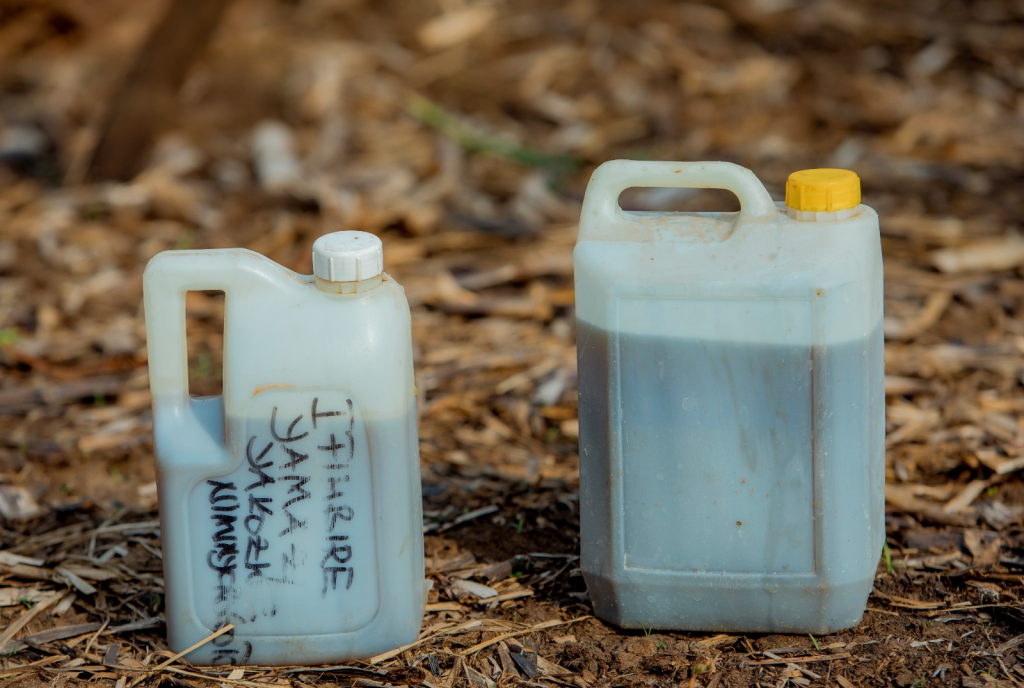
Photo:Vermicompost liquid fertilizer produced by farmers in Murundi Sector, Kayonza District, using organic waste and earthworms, offering a natural, low-cost solution to boost crop yields, improve soil health, and control pests.
STORY VIDEO CLIP/KINYARWANDA VERSION:https://vt.tiktok.com/ZSmTxpnu9/


