
 0
0
 0
0
By Annonciata Byukusenge
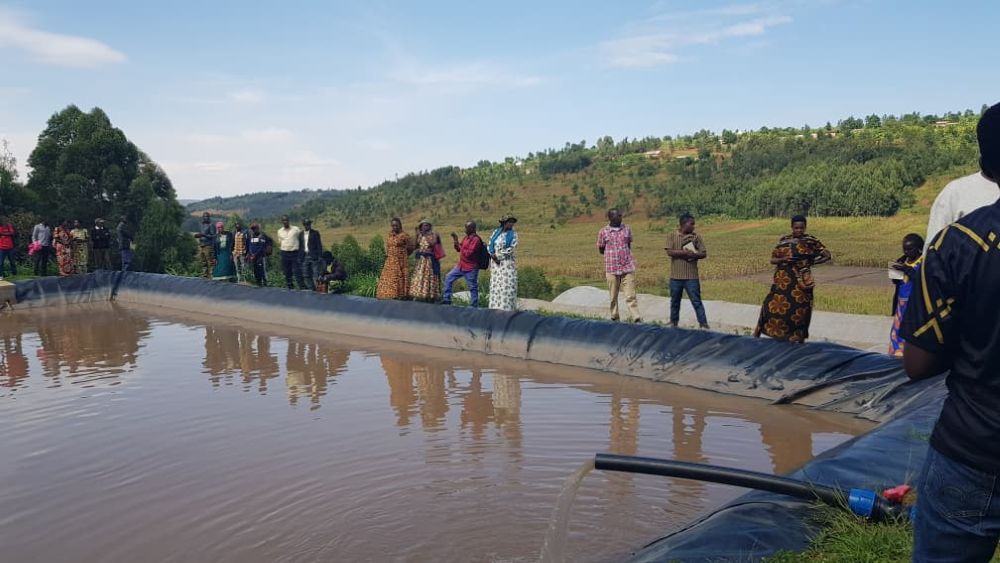
Farmers growing rice and maize in the Ngiryi and Gatare marshlands say that small-scale irrigation has transformed their livelihoods. For years, they struggled with poor harvests due to unpredictable weather and the effects of climate change. But today, they proudly share how irrigation has helped them secure better yields. They shared about their progress while hosting fellow farmers who had come for a study tour.
The Ngiryi marshland, located in Musha Sector, covers 180 hectares and is farmed by 655 farmers organized into 29 groups across five zones.
Marc Usabyimana, one of the farmers working in Ngiryi, told visiting farmers that success began with a shift in mindset. According to him, working together was the key to achieving better results.
“When we first introduced small-scale irrigation, not everyone understood its importance. Some farmers were reluctant to contribute 200 francs per 1 a for maintaining irrigation infrastructure. That hesitation held us back. But once we saw the results, we agreed to increase our contribution from 200 to 400 francs per 1a to make sure the system stays in good condition.”
He added that before adopting irrigation, they harvested about 2.5 tons per 1 ha. Now, they produce 5.5 tons per ha, more than double their previous output.
In the Gatare marshland, also located in Musha Sector, farmer Alphonse Mazimpaka shared a similar testimony. He said farmers who have not yet embraced small-scale irrigation should be encouraged to do so because of the clear benefits it brings.
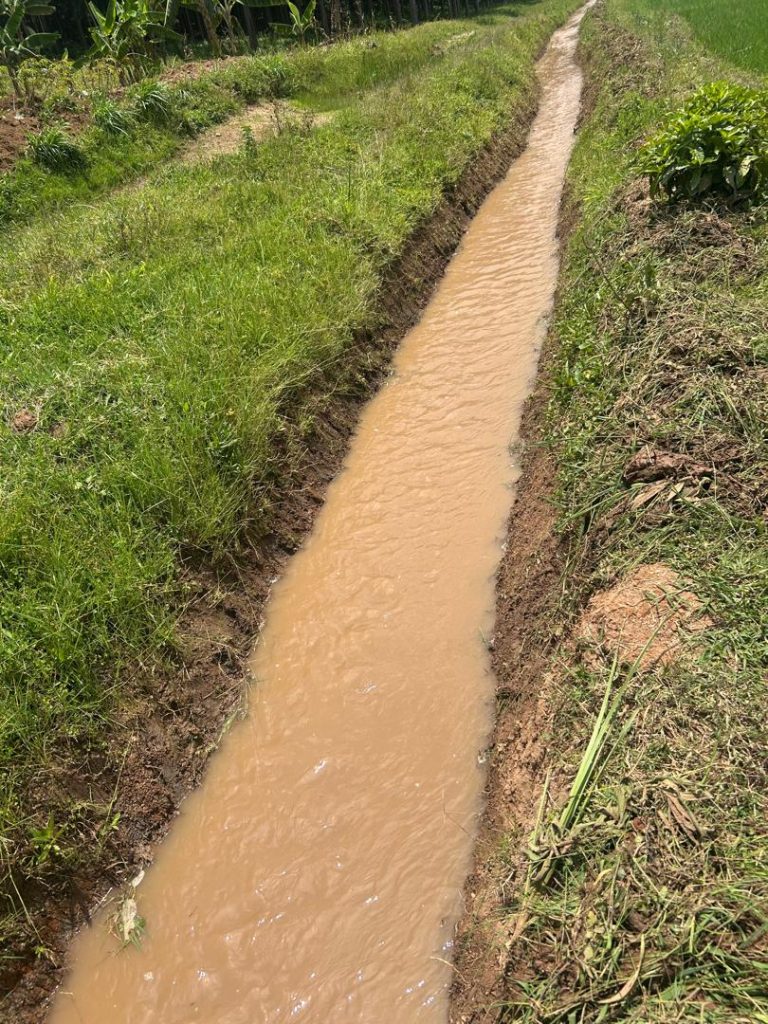
“Before irrigation, we barely harvested anything. Each farmer would dig small pits wherever they thought they might find water. There was no coordinated system for sharing water. Those who could afford it hired workers to dig for water, sometimes spending nights in the marsh searching for it.”
He explained that successful farming was once limited to those with financial means. Elderly farmers and those with fewer resources often could not access water, as they lacked the money to pay for it.
“Irrigation has relieved us of that burden in a lasting way. Our yields have increased significantly.”
The Gatare marshland covers 130 hectares. Before irrigation, farmers produced only between 500 and 600 kgs of rice. Today, they harvest up to 760 tons.
Mazimpaka expressed pride in what they have achieved and encouraged visiting farmers to put into practice the lessons they learned from agricultural training.
Rénèrse Banganirora, the District Agriculture and Livestock Officer in Gisagara, said the program has delivered tangible results within just one year.
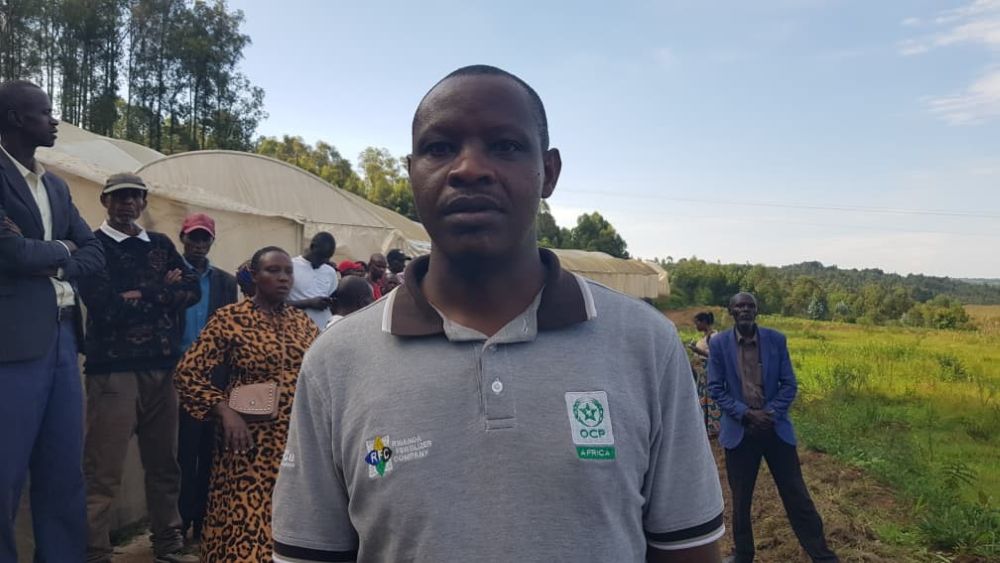
“Initially, individual farmers were slow to adopt the system; we had only eight participants. We are continuing awareness campaigns to encourage farmers with resources to invest in agriculture. So far, smallholder farmers organized in cooperatives are the majority of those using small-scale irrigation, and our mobilization efforts are ongoing.”
Innocent Rwandekwe, one of the farmers who participated in the study visit, said the lessons they learned would be shared with others in their home districts.
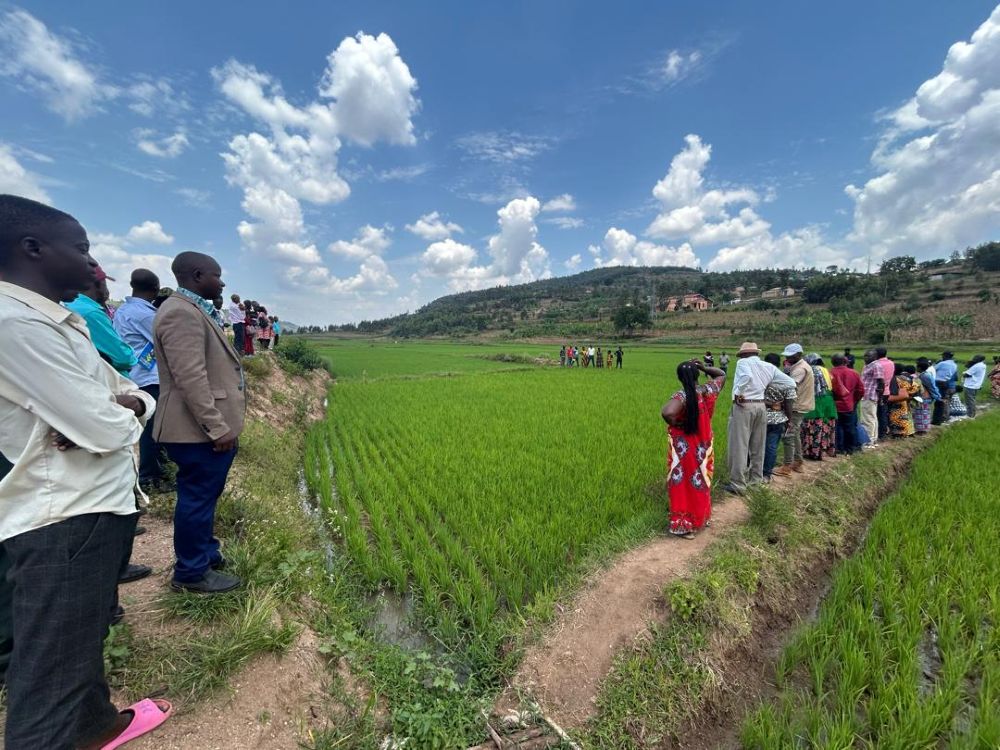
“We learned valuable lessons about teamwork, maintaining irrigation infrastructure, and transparent leadership. We didn’t know it was possible to grow crops in three seasons per year, but now we see that it can be done. We will take this knowledge back to our fellow farmers.”
Jule Mporana is a water-use specialist at RAB-SPIU, working on the small-scale irrigation program. Noted that the small-scale irrigation program also involves rehabilitating and preparing marshlands for farming.
“We started with marshlands that had previously been developed. “The Gatare marshland was first developed in 1984 and rehabilitated in 2019. Marshland development requires significant resources, and in some cases, compensation must be provided for existing community activities. Currently, only about 100 marshlands have been developed, but we aim to increase that number to 300.”
He added that one of the major challenges has been damaged irrigation infrastructure. About 60% of it had deteriorated, and no one was clearly responsible for maintenance.
“That is why we established Water User Associations. They oversee water distribution in irrigated areas, and each irrigation zone has designated individuals responsible for managing the system.”
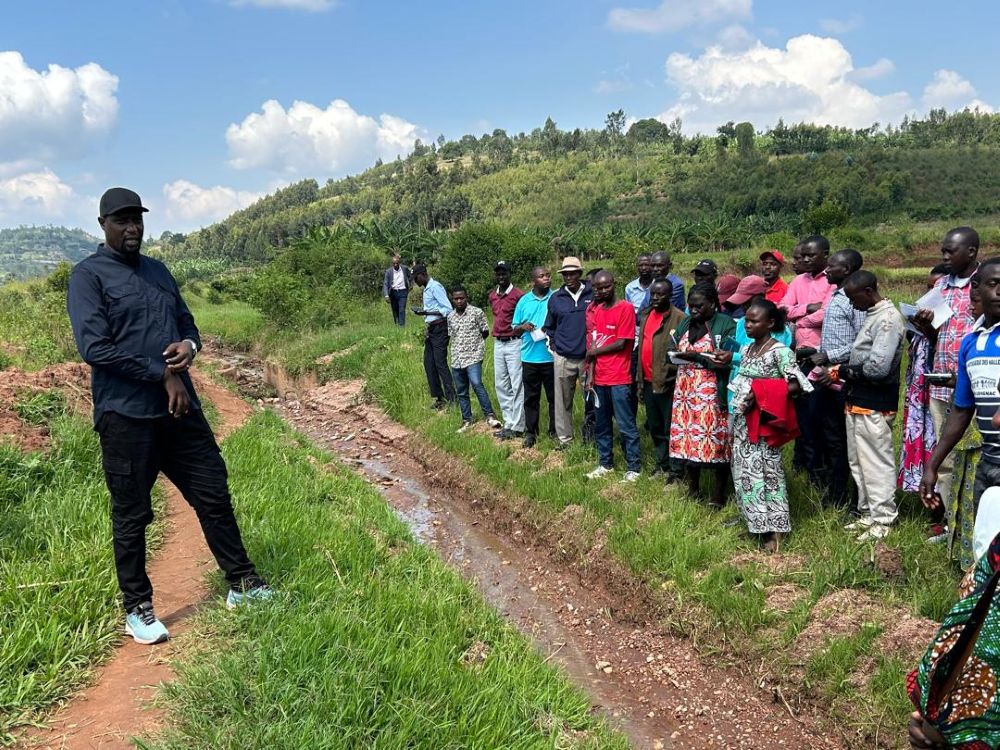
Thanks to cooperation, better management, and a willingness to adapt, farmers in Gisagara are no longer at the mercy of changing weather patterns. Instead, they are steadily building a more secure and productive future.
Through initiatives like this, farmers are gaining practical solutions to adapt to climate change, improve food production, and build more resilient livelihoods.
This transformative study tour was organized by the Rwanda Agriculture and Animal Resources Development Board (RAB) through its Single Project Implementation Unit (SPIU), under the Sustainable Agricultural Intensification and Food Security Project (SAIP).


