
 0
0
 0
0
By Annonciata Byukusenge
Some farmers and livestock keepers in Gisagara District say information about crop and livestock insurance reached them late. However, once they understood how it works, they quickly decided to take up insurance to protect their investments.
Nshimiyimana Ignace, a farmer from Gisagara District, says he grows pineapples, maize, cassava, and bananas. For a long time, he was not aware that crops could be insured.
“I had heard about livestock insurance, but I didn’t know that crops could also be insured. I had never met anyone who had insured their crops and could explain it to me. Now that I understand it, I’m going to insure my crops,” he said.
You often realize the value of insurance after suffering losses
Kabega Epiphanie, a rice farmer in the Nyamugari marshland, commonly known as Duwani, explains that some farmers only decide to insure their crops after experiencing losses caused by climate-related disasters.
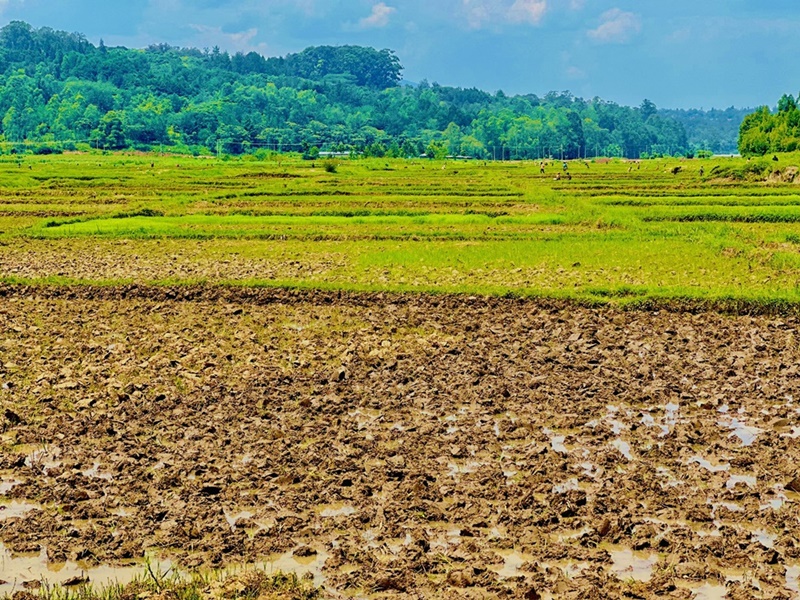
“Insuring crops early is very important and beneficial for farmers because the government covers 40% of the insurance cost,” she said. “Together with fellow members of the KOABINYA-DUWANI cooperative, we grow rice on 68 hectares. During the 2025 Season A, we suffered heavy losses. There was log dry season at a time when the rice was supposed to be forming grains, and the crops dried up. The advantage of having insurance is that Tekana compensated us with 4 million 100 thousand Rwandan francs.”
Nshimiyimana Ignace also shared his experience, saying that during the 2025 Season A, he lost about 40% of his maize harvest.
“Last year I planted crops, but because of climate change, I suffered losses. This year I planted maize again, but the heat was so intense that I don’t expect any harvest at all. This is a strong reason why I must insure my crops,” he explained.
The Mayor of Gisagara District, Jérôme Rutaburingoga, says the district is pleased with the progress made by the Tekana program and the way it has helped farmers shift toward commercial agriculture and livestock farming, while also easing their access to financial institutions and banks.

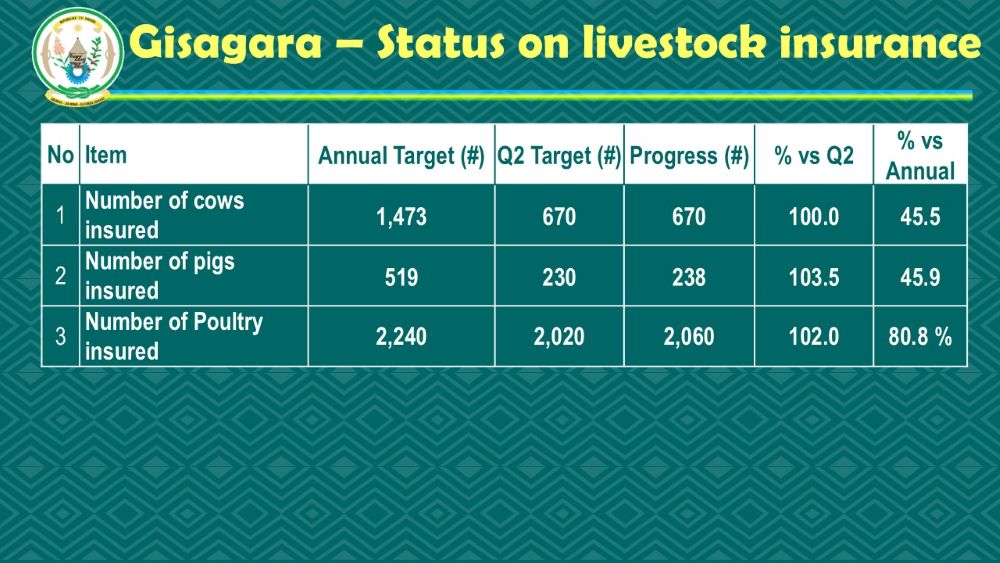
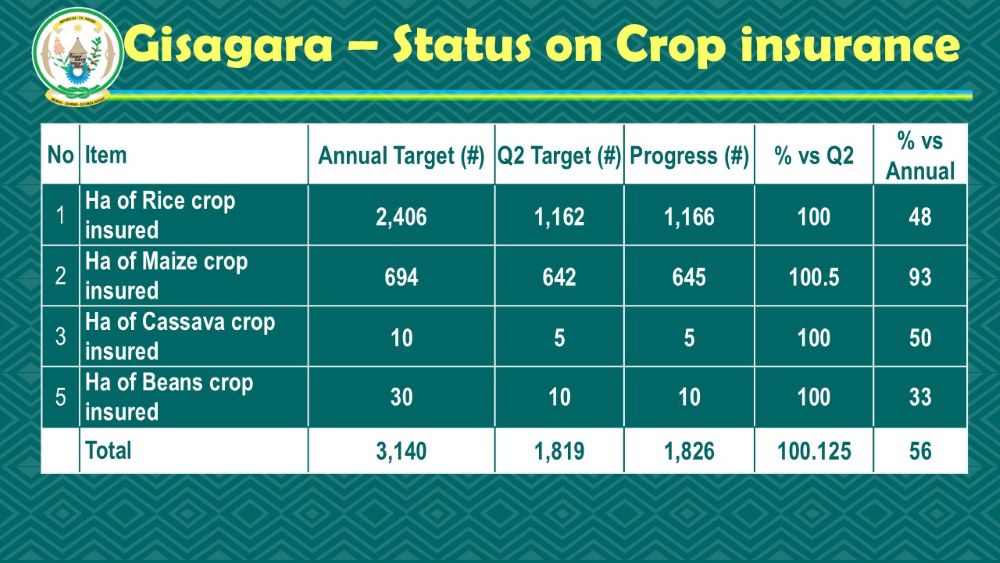
“We are encouraged by how farmers and livestock keepers have embraced Tekana,” he said. “Rice is now insured at 100%, 1,000 cows have been insured, and 2,000 chickens are covered. Other insured crops include soybeans, beans, and maize. Overall, Tekana’s participation rate in the district stands at around 50%.”
The Governor of the Southern Province, Ms. Alice Kayitesi, noted that although farmers and livestock keepers may not recover everything they lose, Tekana helps them regain the capital they invested, which is a significant step forward.
Currently, 75% of all land used for insurable crops is covered by insurance. More than 73,000 cows are insured, and 75% of poultry is insured as well. We are continuing awareness campaigns so that areas with lower participation can improve to reach 100% coverage eventually,” she said.
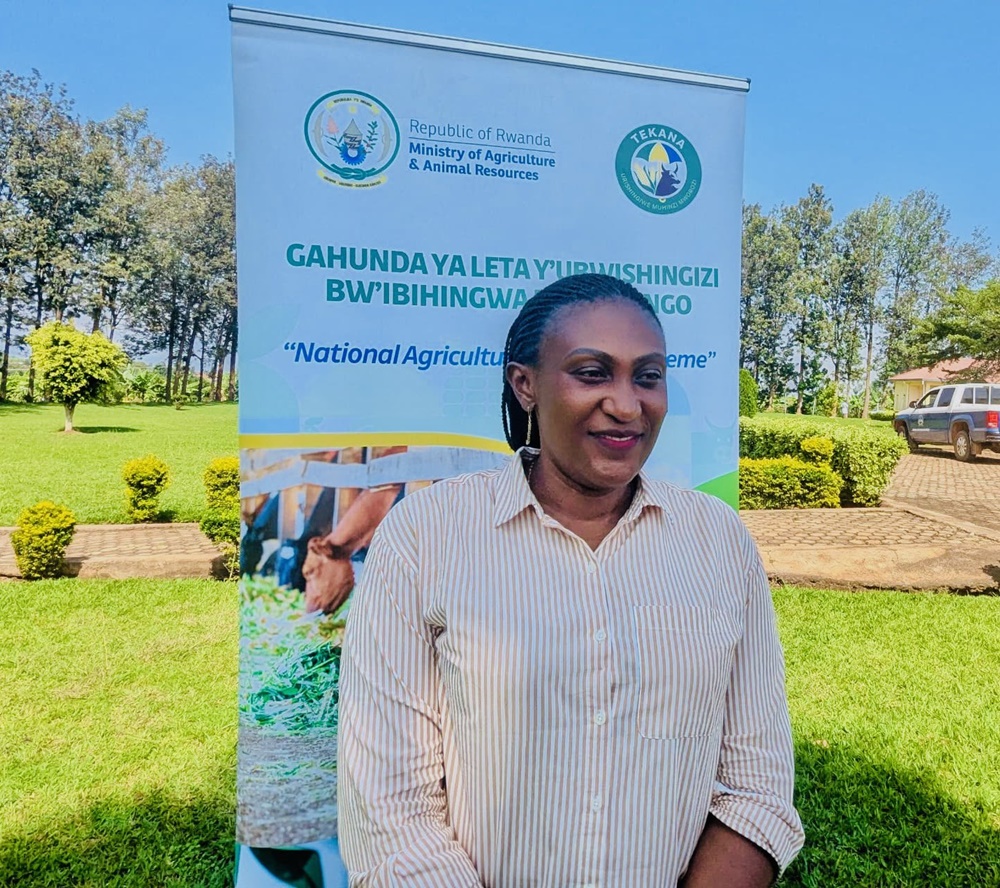
She added that awareness efforts must be inclusive, as attention has so far focused mainly on farmers working on consolidated land.
“Tekana is not meant only for cooperatives or consolidated land,” she emphasized. “There are individual farmers who cultivate larger areas than some cooperatives. This approach will ensure that individual farmers, not just groups, also embrace Tekana.”
The TEKANA Project Manager at RAB-SPIU, Joseph Museruka, said that misinformation is still a major issue among some farmers and livestock keepers.
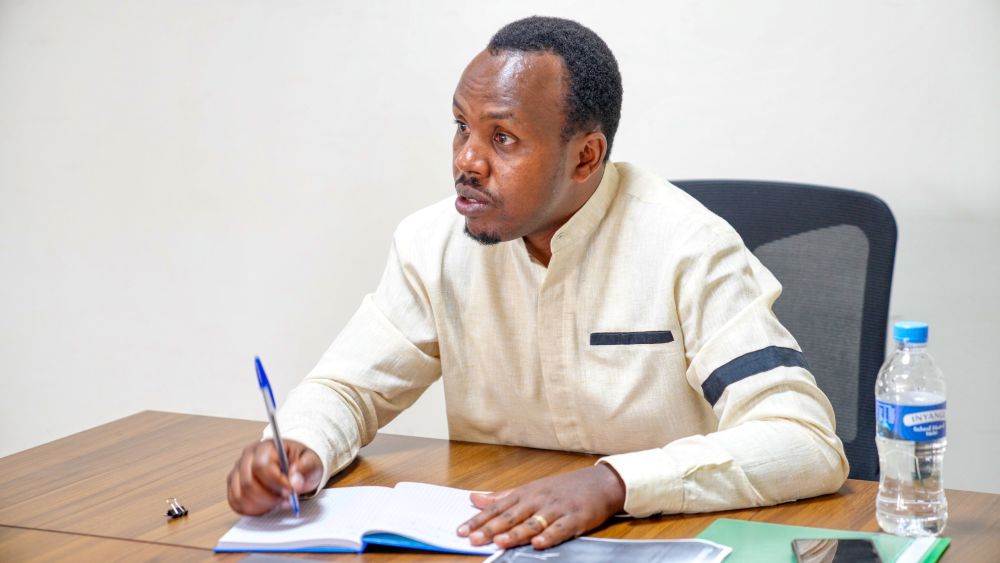
“Some people claim that TEKANA does not compensate for losses, but in many cases, the damage results from negligence by the livestock owner, which is not covered. Since 2019, TEKANA has paid out more than 8 billion Rwandan francs in compensation to farmers and livestock keepers.”
TEKANA is a government program under the Ministry of Agriculture and Animal Resources and is implemented by the Rwanda Agriculture and Animal Resources Development Board (RAB).


