
 0
0
 0
0
By Nadine Ingabire
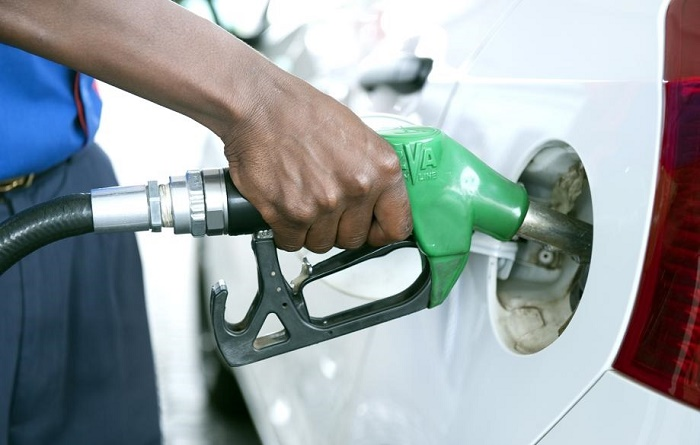
The Rwanda Utilities Regulatory Authority (RURA) has announced new fuel prices, signaling a notable increase in the cost of petroleum products as global market pressures continue to impact the country.
According to the latest communiqué, effective April 4, 2026, the maximum retail price of gasoline has risen to 2,303 Rwandan francs per litre, while diesel is capped at 2,205 francs per litre.
This adjustment marks a significant increase compared to previous prices, where petrol had been maintained at around 1,989 francs per liter and diesel at approximately 1,948 francs.
The new pricing reflects ongoing fluctuations in international oil markets, driven largely by geopolitical tensions and supply disruptions affecting global fuel supply chains.
RURA indicated that the revised prices are not only influenced by international trends but also by government measures aimed at cushioning consumers from abrupt economic shocks.
Despite these interventions, the rising cost of crude oil globally has made it difficult to maintain previous price levels.
In addition to fuel price adjustments, public transport tariffs have also been revised to reflect the increased operational expenses.
Within the City of Kigali, the base fare has been set at 59.28 francs per passenger per kilometer, while intercity transport fares now stand at 41.58 francs per passenger per kilometer. These changes are expected to take effect from April 6, 2026.
Authorities have urged the public to adapt to the new economic realities by planning travel more efficiently and avoiding unnecessary trips.
Emphasis has also been placed on the use of public transportation as a cost-saving measure and a way to reduce fuel consumption.
The regulator reassured the public that it will continue to monitor market developments closely to ensure fair pricing and reliable service delivery.
However, the outlook remains uncertain as global oil prices continue to fluctuate, largely influenced by geopolitical developments, particularly tensions in the Middle East.
The increase in fuel prices is likely to have a ripple effect across various sectors of the economy, including transportation, trade, and the cost of essential goods.
Analysts warn that if global oil prices remain high, further adjustments may be inevitable in the coming months.
As Rwanda navigates these external economic pressures, the government continues to emphasize resilience through strategic planning and efficient resource management.


