
 0
0
 0
0
By Annonciata Byukusenge
Akagera National Park has announced that five female lions have been placed on a birth control program as part of ongoing efforts to maintain balance within the park’s ecosystem.
The park’s management shared the update through its official social media platforms, explaining that the measure is part of a broader strategy to monitor and manage the lion population.
“Five female lions have been included in a contraception program as part of our continued efforts to monitor and manage the lion population,” the park said.
The park also reported that in February 2026, it fitted GPS tracking collars on three lions and one elephant. In addition, 17 white rhinos and eight black rhinos were equipped with VHF (very high frequency) transmitters inserted into their horns to help conservation teams monitor their movements.
According to Akagera National Park, these efforts play an important role in wildlife conservation. Tracking devices allow conservationists to closely follow the animals and improve protection for key species living in the park.
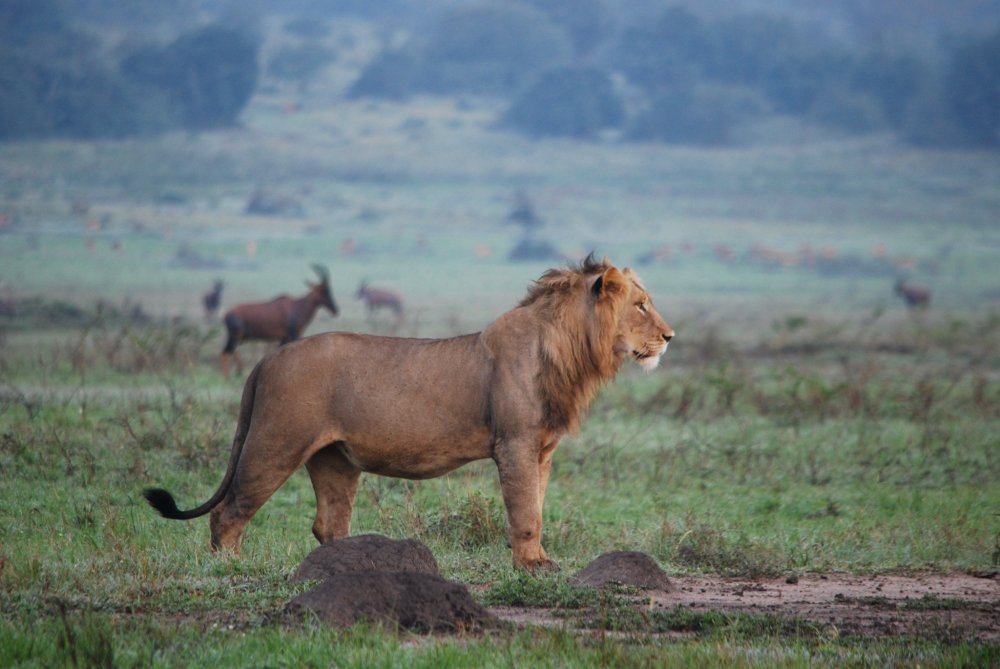
Why are lions placed on birth control?
The management of Akagera National Park said that lions live within clearly defined park boundaries. Because of this, they have very limited opportunities to migrate long distances or spread beyond the fenced borders of the park.
They also noted that the wetland separating Rwanda and Tanzania, together with the river that forms the natural border between the two countries, further restricts wildlife movement across the area.
“In such enclosed environments, when predators reproduce successfully in a limited space, careful management is necessary to maintain ecological balance,” the park said.
In relatively small and enclosed parks like Akagera, lions can have a major impact on the populations of animals they prey on. If the number of lions increases too quickly, prey species may decline significantly. That is why conservation teams sometimes take steps to slow down reproduction.
Park officials say this imbalance can also affect vegetation. Changes in the number of grazing animals can alter plant growth in certain areas. In extreme cases, some species might disappear from the ecosystem altogether. Lions themselves could eventually face food shortages if prey numbers fall too low. Conflicts between humans and wildlife near the park’s boundaries could also increase, leading to potential harm for both species and further endangering the lion population, particularly as human encroachment reduces the available habitat and resources for lions.
Unlike in open ecosystems, lions in enclosed parks cannot easily move elsewhere when their numbers become too high. Every new cub can influence the delicate balance of the ecosystem by increasing competition for resources among existing wildlife and potentially leading to overpopulation issues.
However, the goal is not to stop reproduction entirely.
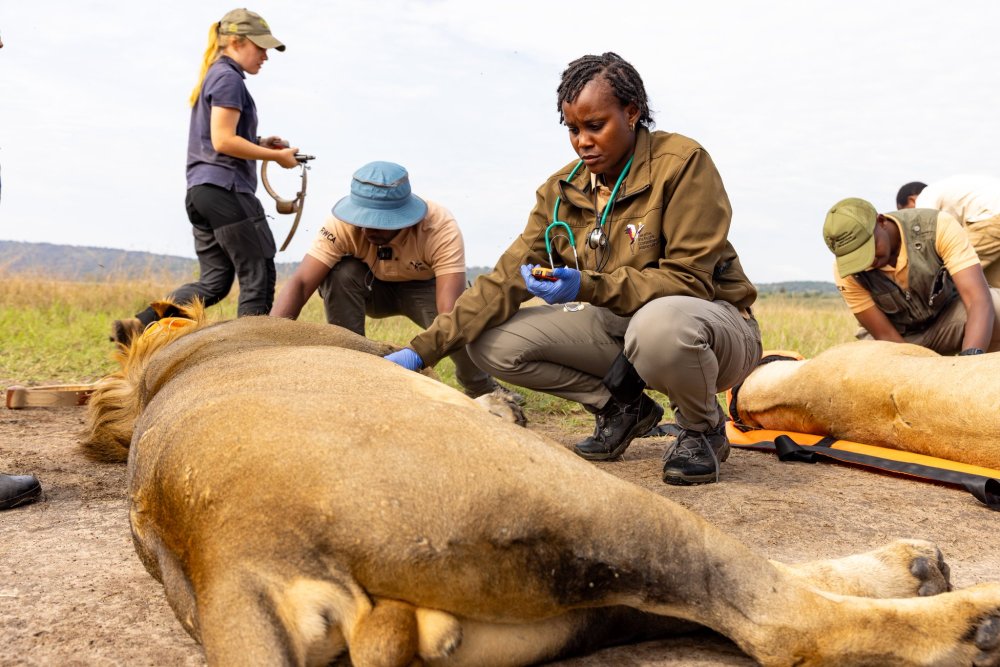
“Rather than preventing breeding altogether, the aim is to mimic natural processes that slow the growth of lion populations in the wild. When administered by experienced wildlife veterinarians, contraceptive methods can delay a female lion’s first birth and increase the interval between litters, gradually slowing population growth.”
Currently, Akagera National Park is home to about 70 lions. In 2015, the Government of Rwanda reintroduced seven lions, five of them females, as part of a program to restore the species to the park.
Established in 1934, Akagera National Park covers approximately 1,120 square kilometers and is home to some of the world’s most iconic wildlife, including lions, leopards, elephants, rhinos, and buffalo.
Statistics from African Parks, the organization that manages the park, show that visitor numbers increased in 2025. A total of 59,538 people visited the park, generating about $5.06 million in revenue.
Out of the total visitors, 51,769 paid entry fees, an 8% increase compared to 2024. Among the visitors, 47% were Rwandans, another 47% were international tourists, and 6% were foreign residents living in Rwanda.


