 0
0
 0
0
By Annonciata Byukusenge
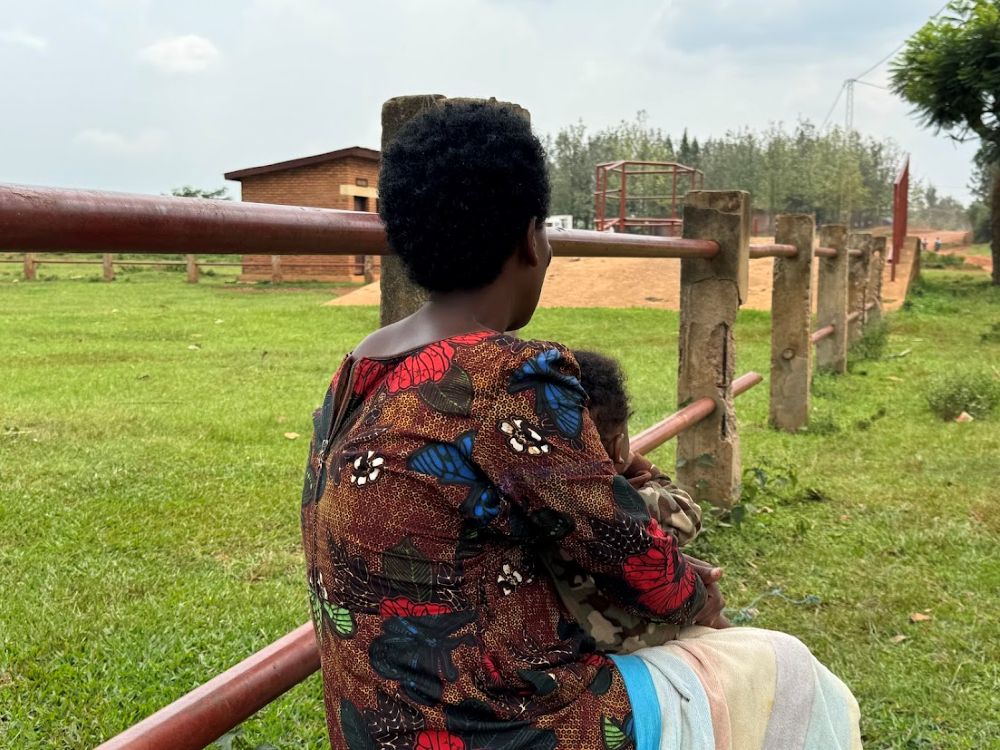
Every morning at 5 a.m, 26-year-old Umwiza leaves her small home in Karama, a remote rural village in Huye District, to work on her neighbors’ farms. The young mother of five does this not to earn high wages, but simply to find food for her children. Although Rwanda has a national program providing nutritious food to poor mothers and children at risk of stunting, families like hers say corruption and favoritism keep them excluded.
Umwiza rises early to tend to crops on a neighbor’s property so she can put food on the table for her three children. Yet, what little she can provide often lacks the nutrients they need to grow and stay healthy.
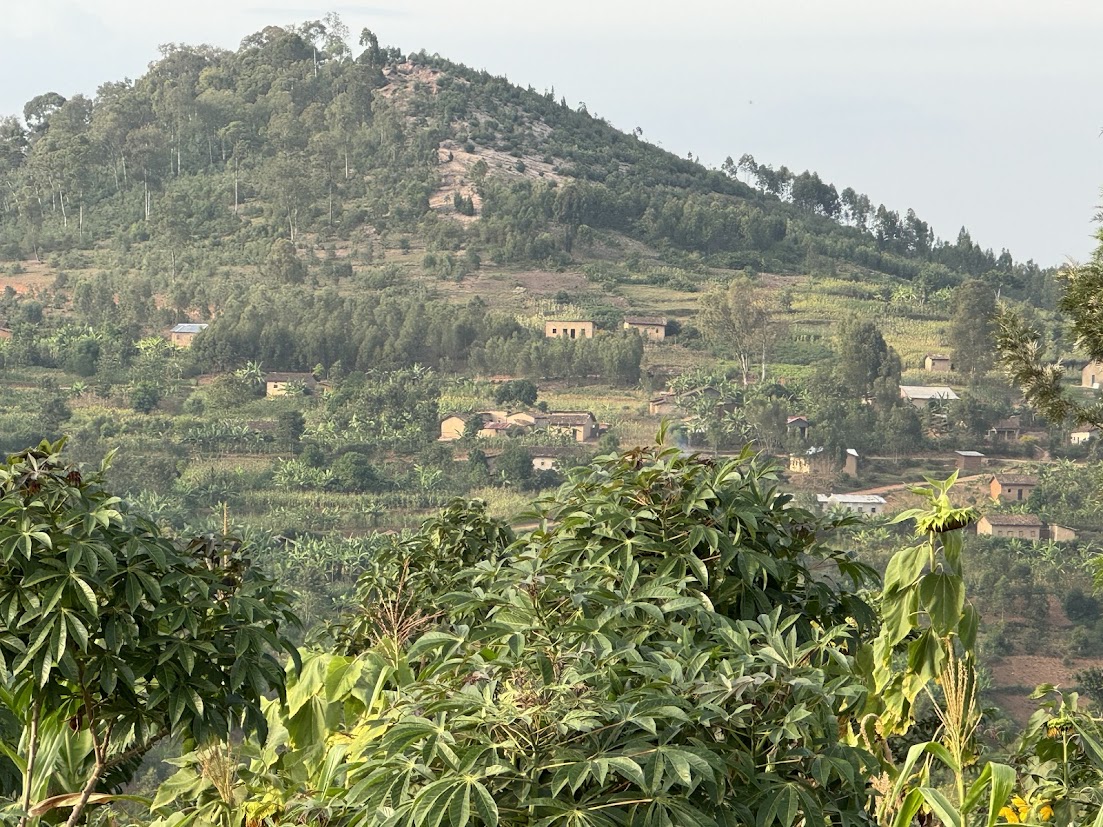
The 26-year-old mother is among hundreds of women in Huye district in southern Rwanda to benefit from a government program that provides nutritious food for pregnant women and children, to prevent childhood stunting caused by malnutrition. Usually, the most vulnerable children and mothers in a community are selected for the program, which was introduced after the 1994 Rwandan genocide.
The Shisha Kibondo program serves a significant but unspecified number of women and children, because each year the number changes by graduation of women and children graduate to good health. But in two years (2021-2022), the program provided 71 tonnes of flour to 5,687 mothers and 9,412 children, while in 2023, 150 tonnes of flour were distributed. In Bugesera District alone, over 3,800 pregnant mothers and more than 8,000 mothers with children under two years old received the flour in 2022. SHISHA KIBONDO HAS CONTRIBUTED TO REDUCING STUNTING IN BUGESERA DISTRICT
However, Umwiza said some local leaders are undermining the program by demanding money in exchange for the food, which is free of charge to those who qualify.
“The government has done everything possible to fight malnutrition for children, stunting among children, and pregnant women from vulnerable families,” she said. “It is not being achieved due to the corruption of some local leaders who demand money so that our children can be allowed nutritious food. Unfortunately, we don’t have money because we are poor,” said Umwiza.
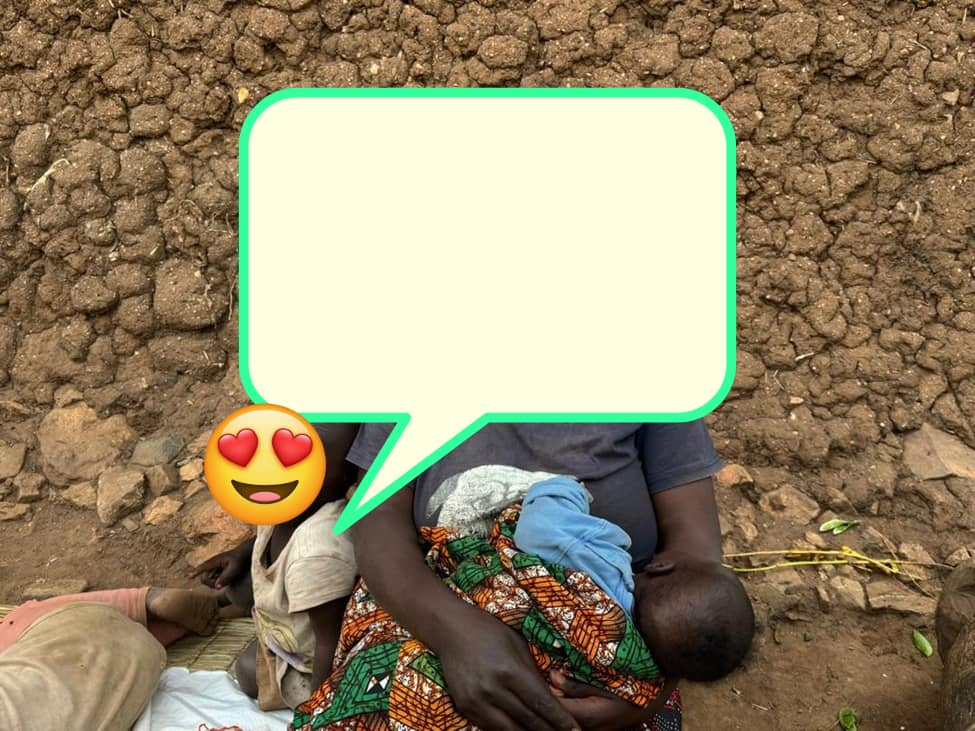
Her story resonates with other women interviewed by Forefront Magazine.
Nearby, Karabo is taking a break from working the land to breastfeed her three-month-old baby. She received nutritious porridge under the program during her pregnancy, until a Community Health Worker demanded money.
“A community worker in our village told me that the porridge packages ended,” she said. “For the next month, she repeated the same message, and the third month too, but other pregnant women were still receiving theirs. I decided to stay at home even though the other pregnant women from rich families were receiving porridge,” said Karabo.

When she tried to find out whether requirements for the program had changed, Karabo said she got no feedback.
“She told me that you are poor, you are not eligible for the rest of the packages,” said Karabo. “I am afraid that my child could suffer from malnutrition and stunting because I do not have enough nutritious food while breastfeeding,” she added.
Annonciata Kankesha, vice mayor for social affairs in Huye district, said she had not received complaints about corruption related to the nutrition program.
“I have not yet received claims from beneficiaries,” she told Forefront Magazine in an interview, “I would ask them to report information early so that we can follow up on it on time.”
When asked about complaints from recipients who say they were removed from lists to benefit others, Kankesha said, “This is not true.” The instructions are clear. When a pregnant woman faces the challenge of abortion, she is removed immediately because her status has changed. When a child has recovered, immediately not eligible for Shisha Kibondo.”
She added that if the beneficiaries are removed by para-socials, it is their own indiscipline, not a common case for para-socials.
The feeding program originated from the Rwanda Community Health program, which had roughly 12,000 volunteers mobilizing communities through health education and public awareness. In 2018, the number of Community Health Workers had expanded to 58,567. Community Health Workers’ Policy undergoes reform for better service delivery.
The Rwanda Governance Board (RGB) has the mandate to promote good governance principles and monitor service delivery across public and private sector institutions, as well as Civil Society Organizations. RGB is also responsible for researching governance; to preserve and protect Home-Grown Solutions; to register and monitor civil society organizations, faith-based organizations, and political organizations; to promote the media sector and advise the government on its functioning, as well as coordinating the activities of the Joint Action Development Forum.
In 2018 that some local leaders were selecting beneficiaries from other anti-poverty programs. The RGB found evidence of fraudulent practices used by the GIRINKA Program is a Rwandan government initiative established in 2006 to alleviate poverty by providing a cow to vulnerable, poor households, aiming to improve nutrition and increase income through milk and manure. GIRINKA_REPORT_2018.pdf
In 2024, the data from the RWANDA BRIBERY INDEX 2024 show significant corruption within local government institutions, which can lead to poor governance, misuse of public funds, and loss of public trust. For communities, this translates into poor service delivery, limited access to essential services, and increased inequality. According to the data.
In the Save sector of Gisagara District, Mugisha was a beneficiary of the nutritious food program until August 2024, when she said a Community Health Worker told her that if she wanted the monthly food package, she would need to pay.
“The reality here is that when you are not able to provide money to some authorities, you cannot access any service,” said the young mother. The following month, when Mugisha went to collect her food package, her name had been removed from the list of people eligible for porridge and money, she said.
Mugisha explained that eligible families receive 10,000 Rwandan francs a month under the program or 30,000 Rwf to cover three months.
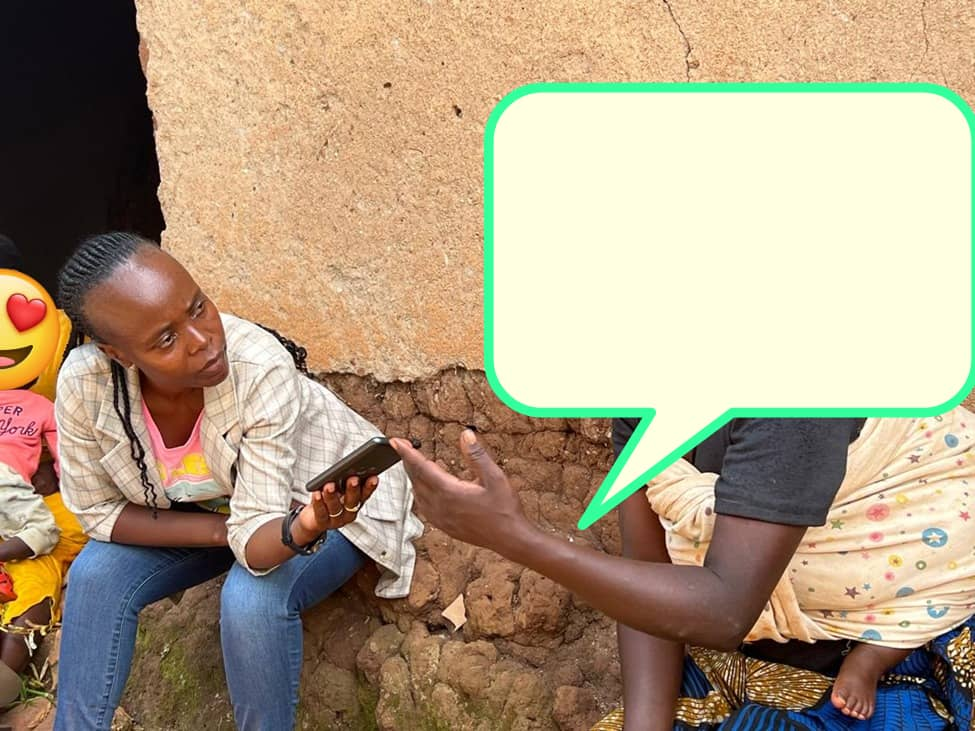
Her neighbor, Kaliza, who lives in Byamaguri village in the Save sector, Gisagara district, said she was told in February 2023 that she was eligible for financial aid under the program, but six months later, she received a message from the chief of the village that she no longer qualified for the funding.
“The system of registering people is not working,” she complained. “From August 2023 until now, I am eligible only for nutritious porridge,” and not money.
Kaliza said she had not yet received feedback from local authorities on why she had been cut from the program.
What happened in Kayonza district?
Beneficiaries living in the Mwiri sector in the Kayonza district also said there was no transparency in the Shisha Kibondo program, in Rwanda is a government initiative that provides free, locally produced, fortified blended food (FBF) supplements to vulnerable children and pregnant women to reduce stunting and malnutrition. Primarily targets children under two years of age and pregnant/lactating women belonging to Rwanda’s most vulnerable economic categories, formerly (Ubudehe category 1 and 2). Now replaced by the Imibereho system. Imibereho Dynamic Social Registry launched.

Mwizerwa said she was selected to receive nutritious food packages in 2023 because she was not gaining weight while pregnant. “I had a problem with malnutrition,” she said. “The doctor told me that it was caused by diabetes, and my baby was born with it.”
After being a beneficiary, Mwizerwa provided Shisha Kibondo in three months only. Means, from the day of selection to three months.
Mwizerwa was selected under the Girinka program to receive a cow.“Like other poor residents, about 20 in the sector, we were asked for 500 Rwf each, known as ‘ikiziriko’,” she said.
She said that she was removed from the list because she couldn’t afford to pay.
Transparency International Rwanda explains.
Dr. Bruce Gashema, a researcher at Transparency International Rwanda, acknowledged that some local leaders ask villagers to pay for free government services.
“It is corrupt for certain leaders to demand payment for services that are provided for free, and they should not behave as though they are unaware of this,” said Gashema.
He said Transparency International was working with the government to raise awareness among local leaders about Rwanda’s anti-corruption laws, regulations, and guidelines through training and workshops.
“When corruption issues are found, advocacy is done, and solutions are often sought,” he added.
CORRUPTION INDEX
According to the Rwanda Bribery Index designed_report-rbi_2024.pdf conducted by International Transparency Rwanda, in 2024, most Rwandans, about 41.8% said they paid a bribe to speed up government services. Another 25.9% agreed to pay a bribe because they thought it was the only way to receive service, the index showed. Smaller groups paid bribes to avoid problems with authorities, which accounted for 13.3%, or to avoid paying the full cost of services, which was 3.9%. Some, 12.2%, paid bribes to get services they were not entitled to.
The report also highlights bribery in the judiciary and healthcare sectors. In local government offices, 39.1% of respondents reported bribery related to issuing construction permits. Police corruption related to driving licenses stands at 36.6%, while judges have been found accepting bribes ranging from 500,000 to 600,000 Rwf.
In 2024, Rwandans paid a total of 17,041,203 Rwf in bribes, less than the 22,814,500 Rwf they paid in 2023. The majority of bribes came from local government offices (56%), followed by the police (18%) and the judiciary (11%).
HAS CORRUPTION EASED?
Most respondents, 65.8%, believe that incidents of corruption have declined over the past year.
Specifically, 56.7% said it had decreased somewhat, and 9.1% believe it has decreased a lot. This indicates that the government’s anti-corruption measures are having a positive impact. However, 12.2% of respondents feel that corruption has increased, with 3.5% saying it has increased a lot and 8.7% saying it has increased somewhat. Additionally, 16.3% believe the level of corruption has remained the same, and 5.8% are unsure. This mixed perception suggests that while there is significant progress, there are still areas that need attention.
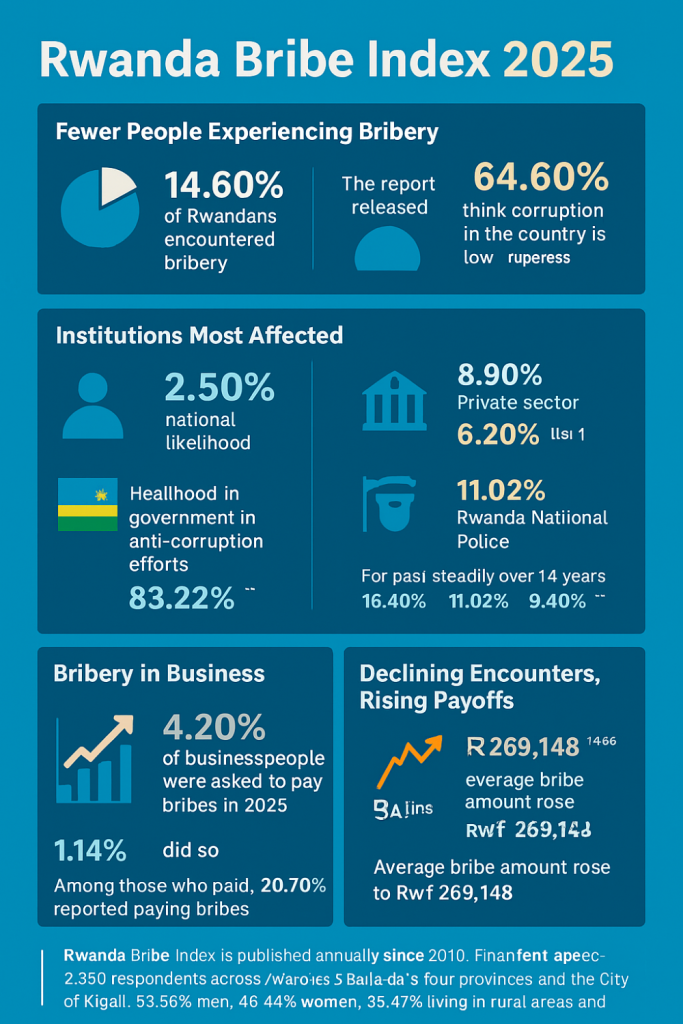
Rwanda Bribe Index 2025
The national likelihood of bribery stands at 2.50% in 2025, down from 3.20% in 2024. The private sector (8.90%) and the Rwanda National Police (6.20%) recorded the highest likelihood of bribery. Notably, the RNP’s likelihood of bribery has dropped steadily over four years from 16.40% in 2022 to 11.02% in 2023, 9.40% in 2024, and now 6.20%. Rwanda Bribe Index 2025 – RBI 2025 PPT
According to the Rwanda Governance Board, the Anti-Corruption, Transparency & Accountability scored 86.65% in the 11th edition of the Rwanda Governance Scorecard (RGS) 2024, decreased in 2025, because the Rwanda Governance Scorecard (RGS) 2025, Anti-Corruption, Transparency and Accountability is 84.67%.


