
 1
1
 0
0
By Eric Twahirwa
In the flagship protected areas of East Africa’s Albertine Rift, such as Volcanoes National Park in Rwanda and Bwindi Impenetrable Forest in Uganda, conservation has long been defined by fences, ranger posts, and formal protection zones. But beyond the borders of these iconic parks, a quieter, community-driven revolution is making a vital contribution to biodiversity protection.
In both countries, farmers, former poachers, and indigenous groups are managing their lands in ways that preserve forests, water sources, and wildlife. These unsung community efforts are restoring degraded lands, maintaining water quality, and reducing conflict between people and wildlife. Yet, they often operate without the legal recognition, funding, or attention given to national parks.
But that is now changing, as policymakers begin to recognize an alternative to protected areas called “other effective area-based conservation measures (OECMs),” places that deliver tangible biodiversity outcomes despite this not being their intended purpose. Rwanda and Uganda, like all countries that are parties to the UN Convention on Biological Diversity, can count OECMs towards their goal of protecting 30 percent of land and sea by 2030, provided these sites are shown to boost biodiversity.
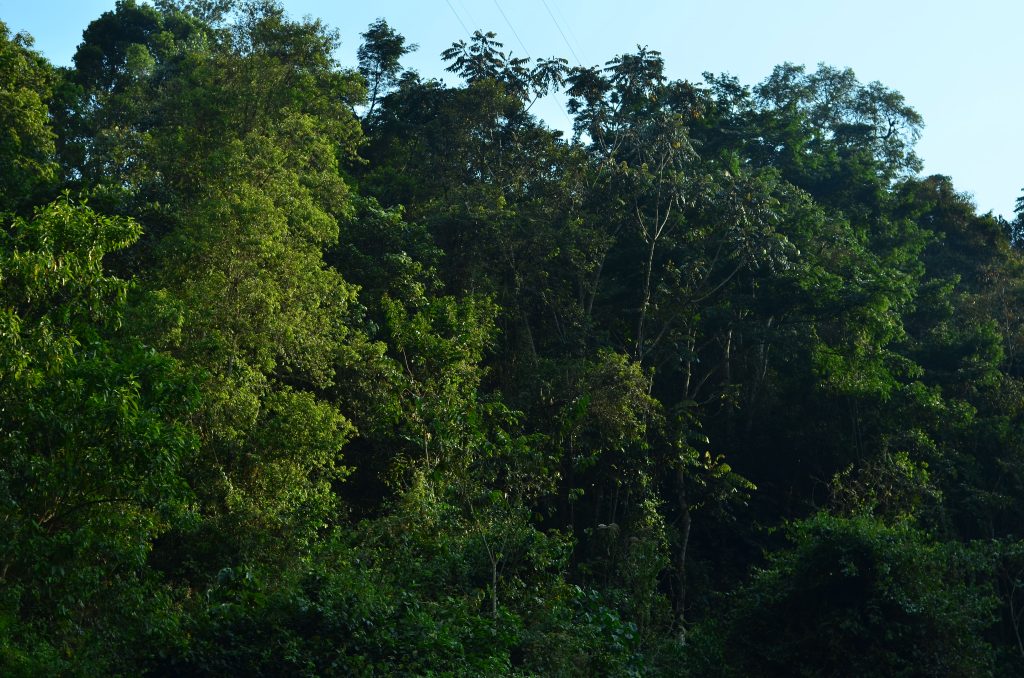
Rwanda: From Poaching to Stewardship
In its guidance on OECMs, published in 2024, the International Union for the Conservation of Nature (IUCN) emphasized that some of the strongest biodiversity results come from areas managed by indigenous peoples and local communities, where traditional knowledge and local stewardship intersect. In regions like the Albertine Rift, such approaches have proven vital in connecting isolated parks and preventing habitat loss in between.
On the green slopes of Musanze district in northern Rwanda, not far from the gorilla trekking routes that attract thousands of tourists each year, Mwambutsa Jean D’Amascene bends over a nursery bed of young tree seedlings. Once a poacher living near Volcanoes National Park, he has become a champion of agroforestry and biodiversity conservation.
“Our role is to protect the environment through our farming and community work,” he says. “We grow crops that don’t harm nature and take part in protecting nearby forests. We don’t receive daily pay, but through the government’s revenue-sharing program, we benefit indirectly.”
Mwambutsa’s transformation is one of many small victories of community-led conservation in Rwanda. While the country’s national parks remain its best-known environmental assets, community-managed forests and farmlands around park boundaries are increasingly seen as extensions of the conservation landscape, places where people and nature coexist.
In the west of the country, at the edge of the Gishwati-Mukura Forest, Uwamahoro Devota keeps a careful watch over her beehives in Gahtora Village, Rutsiro District. Her bees are more than a source of livelihood; they are indicators of ecological health.
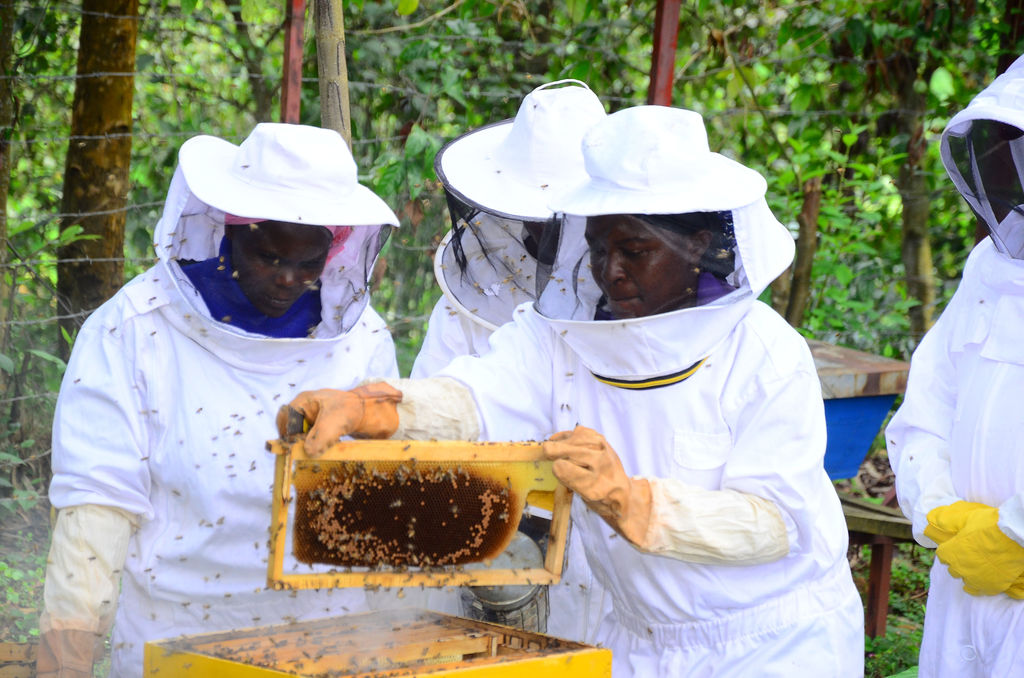
“I check my hives every day to make sure the bees survive,” she explains. “This is how we live. But climate change is affecting us; there are fewer flowering trees, and the bees struggle to find food. We need the government’s help to replant and protect trees.”
Devota’s story echoes a wider truth: While OECMs depend on local initiative, to thrive they need to be backed by supportive policy and capacity-building.
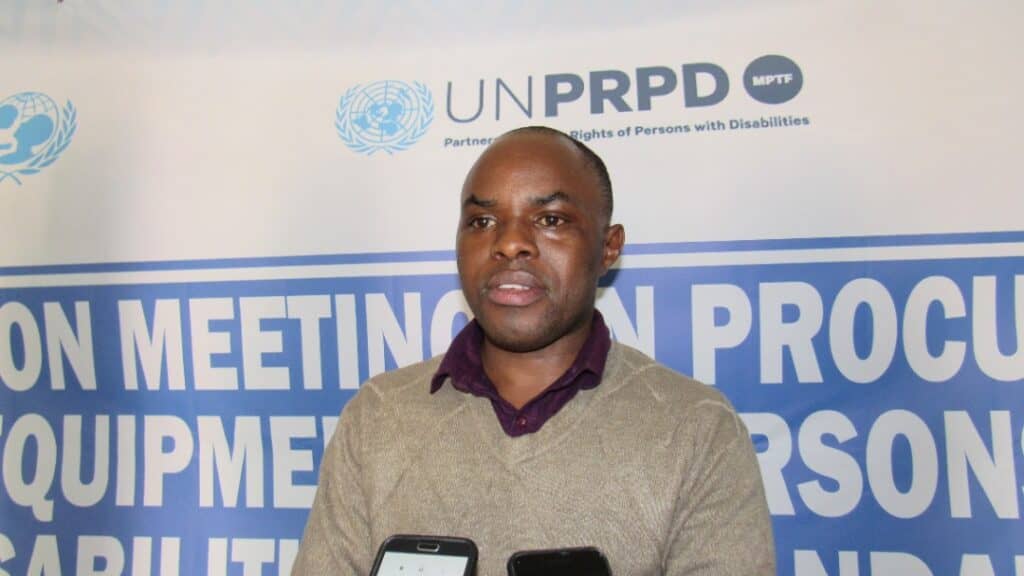
According to Dominic Mvunabandi, Director of Science, Technology, and Innovation at the Rwanda National Commission for UNESCO, empowering these community-led initiatives is essential for lasting conservation. “When communities gain knowledge, they not only improve their livelihoods but also protect biodiversity,” he says. “Their success inspires others to join. What we need now are stronger support systems and training.”
The Rwanda Development Board (RDB), which oversees tourism and conservation, recognizes this evolving relationship between communities and biodiversity. Africa Guy, RDB’s Chief Executive Officer, notes, “For the last 20 years, we’ve allocated 10 percent of tourism revenue to community projects like beekeeping, farming, and fishing. We recognize their crucial role in conservation, and we want tourism revenues to continue benefiting them.”
Still, experts warn that legal recognition remains limited. Dr. Jean D’Amascene Gashumba, Executive Director of the Rural Environment and Development Organization (REDO), emphasizes that communities need more technical support and inclusion in decision-making. “People need more knowledge to strengthen their work,” he noted. “Civil society should advocate for them, and management of these areas should involve capable local leaders. We need public–private partnerships to make sure OECMs are productive and well protected.”
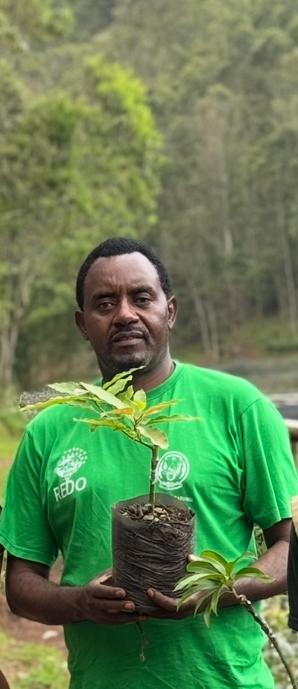
The IUCN guidance supports this approach by indicating that OECMs led by local and indigenous communities tend to generate the most resilient conservation outcomes, thanks to traditional stewardship and long-term land ties.
In Rwanda, these principles are starting to take root. Community agroforestry plots, tea cooperatives, and women-led beekeeping groups around protected areas like Gishwati-Mukura Forest and Volcanoes National Park are quietly demonstrating that conservation does not have to be confined within park borders.
Uganda: Grassroots Guardians of the Forest
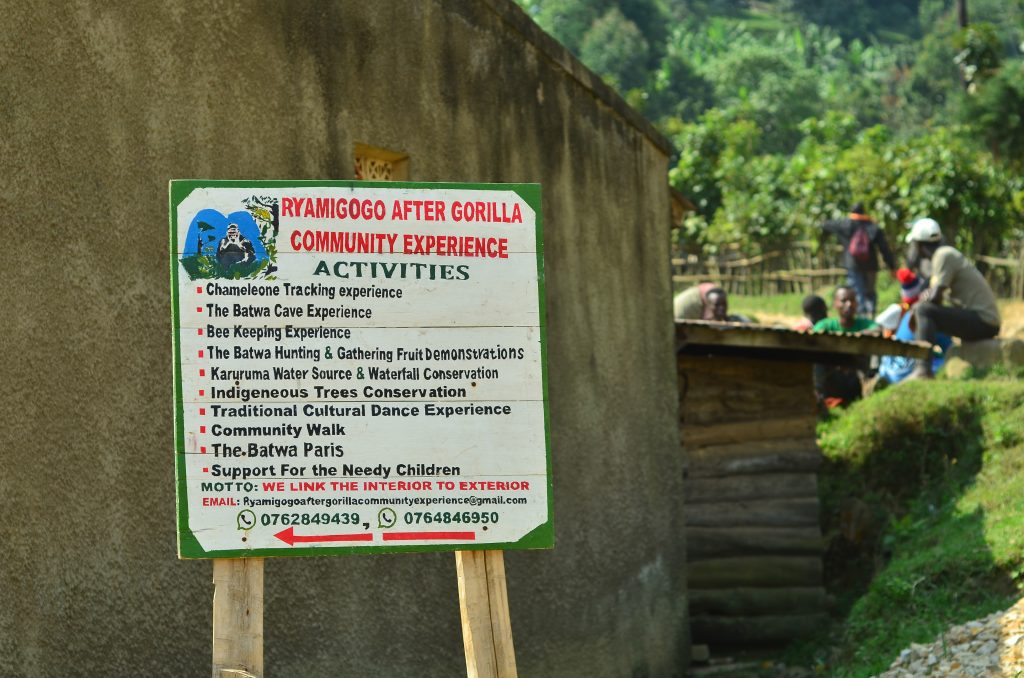
Across the border in Uganda’s Kisoro district, the story of community-led OECMs takes on a different face, that of Nolla Tumusime, a 76-year-old mother from the Batwa community. The Batwa were once forest dwellers, living as hunters and gatherers inside Bwindi before it became a protected national park. Displaced from their ancestral home, they started struggling to adapt until some, like Nolla, found a new purpose in environmental stewardship.
“I used to survive by hunting,” she recalls. “When they moved us out of the forest, I didn’t understand why. But over time, I learned that protecting the environment is better for us all. I now plant trees on the land I was given and practice agroforestry. Even though we don’t receive payment, we work with the government and NGOs to conserve Bwindi.”
Nearby, Busiinge Peter, a beekeeper in Kisoro, manages a project that promotes biodiversity-friendly honey production. He also serves as a member of the Human-Gorilla Conflict Response Team (HuGo), trained to handle situations when gorillas wander into community farms.
“Our work involves protecting biodiversity, improving soil, and preventing conflicts between people and wildlife,” he says. “When gorillas cross into community lands, we make sure they go back safely. We do this because we love our environment, not for money.”
Such volunteerism underpins Uganda’s community-led conservation framework. These OECMs, often managed by local groups with NGO support, reduce pressure on the country’s formal protected areas.
Mujuna Ananias, chairperson of Rubuguri village, says his community has learned how to coexist with wildlife. “We farm using methods that don’t harm the environment and avoid chemicals that kill pollinators,” he explains. “We planted a small forest called a ‘pocket forest.’ It gives us what we used to collect from natural forests, like firewood and herbs. Now we no longer destroy Bwindi.”
The district’s environmental officer, Vianey Nuwamanya, says these efforts are vital: “Wildlife doesn’t know boundaries. Through community-managed areas, people conserve land while maintaining biodiversity. These initiatives support our work immensely.”
Academics agree. Venant Nzibaza, a conservation specialist, highlights the value of education and resources. “Using [OECMs] benefits both people and nature,” he says. “Nature can live without us, but we can’t live without it. The government should provide funding and capacity-building to strengthen these efforts.”
Recognizing the Unrecognized
The experiences in Rwanda and Uganda reveal a shared lesson: effective conservation can thrive beyond protected areas if communities are recognized, supported, and trusted.
Globally, the IUCN estimates that OECMs could expand total conservation coverage by 5 to 10 percent, helping close the gap toward the target of protecting 30 percent of land and sea by 2030, but without legal frameworks and data reporting systems, many community-led successes remain invisible in national statistics.
To date, only three African countries have registered OECMs with the Protected Planet database managed by the UN Environment Programme’s World Conservation Monitoring Centre: Algeria, Eswatini, and Morocco.
But in positive moves for community-led conservation, Rwanda and Uganda are both now moving toward integrating OECMs into policy. Rwanda’s new biodiversity law, currently in draft, may formally recognize community conservation zones for the first time. Uganda, through the National Environment Management Authority and the Uganda Wildlife Authority, has begun consultations to identify and map potential OECM sites.
For practitioners like Dr. Gashumba, the path forward requires stronger partnerships: “We must create networks linking communities, government, and the private sector,” he notes. “That’s how these conservation efforts will endure.”
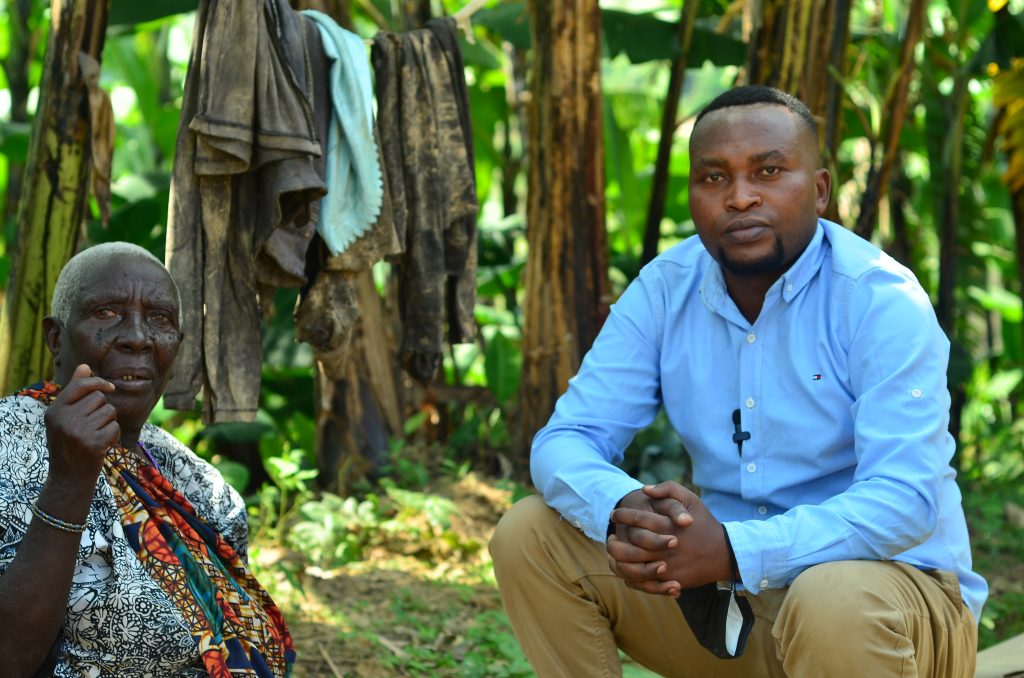
The IUCN guidance reinforces this vision by emphasizing that OECMs strengthen ecological connectivity, social equity, and representativeness in conservation planning. They are essential for protecting ecosystems and species underrepresented in formal protected-area systems.
As local beekeepers, tree planters, and reformed poachers continue to safeguard nature on the Rwanda-Uganda border, their work quietly fulfills global commitments. Their landscapes may not bear the label of a national park, but their contribution to biodiversity is no less vital.
This story is supported by the Earth Journalism Network.


