
 0
0
 0
0
By Clarisse Niwemugeni
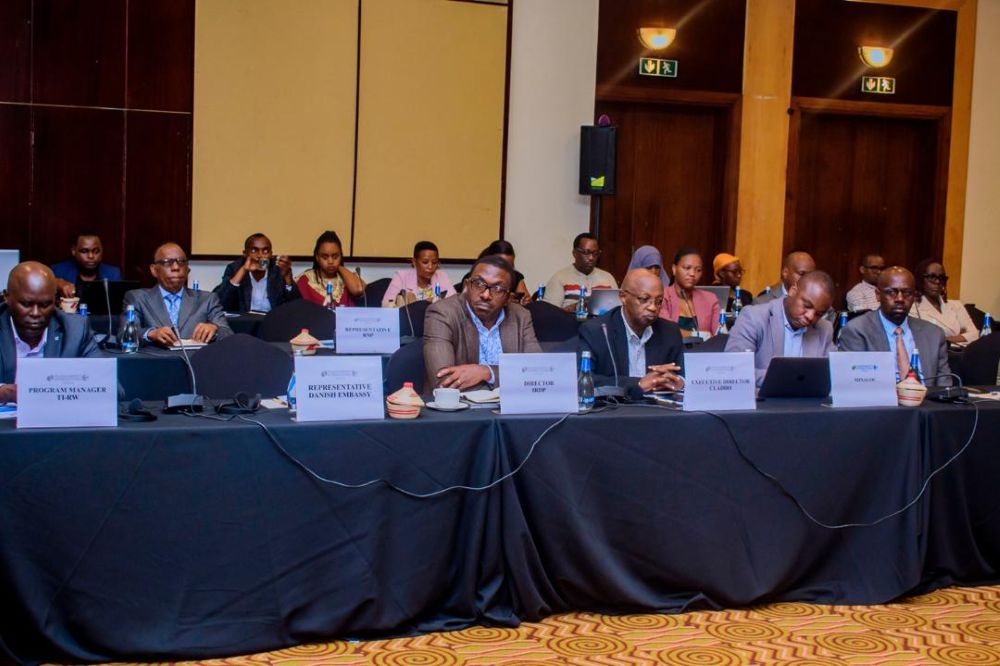
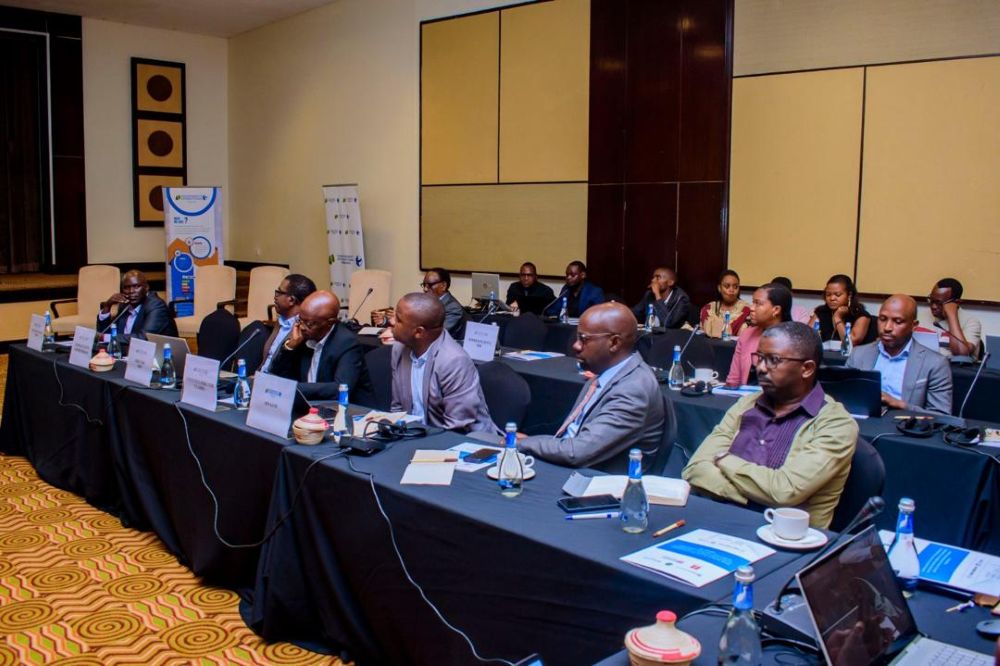
Rwanda’s efforts to deepen decentralization and strengthen citizen participation took centre stage on Wednesday as senior government officials, civil society leaders, and development partners convened in Kigali for a National Policy Dialogue on the Role of Civil Society in Decentralization.
The high-level forum marked a defining moment for reflection as the Public Policy Monitoring Information and Advocacy (PPIMA) Programme, a 15-year initiative supporting citizen participation and accountability, approaches its conclusion at the end of 2025.
Opening the dialogue, Apollinaire Mupiganyi, Executive Director of Transparency International Rwanda, said the meeting was designed to look beyond achievements and focus on sustainability.
“This dialogue is about taking stock of what has worked, what needs strengthening, and how the gains made under PPIMA can be sustained beyond the programme’s lifetime,” Mupiganyi told participants.
A Legacy of Citizen Engagement
Since its launch, the PPIMA Programme has supported civil society organizations to empower citizens to participate meaningfully in public decision-making, particularly at the local government level. Through policy monitoring, advocacy, and community engagement, the program has contributed to reforms in service delivery and accountability.
A major highlight of the programme is the Community Score Card (CSC), a participatory tool that enables citizens to assess the quality of public services and engage duty bearers in structured dialogue.
Presenting findings from the PPIMA CSC Impact Study, the lead consultant noted that the tool has significantly improved responsiveness in public institutions.
“The Community Score Card has demonstrated that when citizens are empowered with structured feedback mechanisms, service providers respond more effectively,” the consultant said, adding that the model has gained recognition as one of Rwanda’s most effective citizen participation tools.
However, stakeholders agreed that the sustainability of the CSC will require deliberate coordination, adaptation, and potential institutionalization.
Evidence Shaping Policy Reforms The dialogue also highlighted how evidence generated by civil society under PPIMA has informed policy uptakes in areas such as citizen-centered budgeting, environmental justice, and governance accountability.

According to Apollinaire Mupiganyi, evidence-based advocacy has been central to these outcomes.
“When civil society engages using credible evidence drawn from citizens’ lived experiences, it becomes easier for policymakers to act,” he said.
Echoing this view, Augustin Nkusi, President of CLADHO, emphasized that citizen participation is a constitutional and democratic imperative.
“Participation is not symbolic. It is about ensuring that citizens influence decisions that affect their rights and daily lives,” Nkusi said during his presentation on civil society contributions to policy reform.
Measuring Decentralization through the DAF
Another key focus of the dialogue was the Decentralization Assessment Framework (DAF), a civil society-led tool developed under the INKI – Indi Ntambwe mu Kwiyubakira Igihugu project to assess the quality and progress of decentralization.
Presenting the DAF rollout results in the agriculture, health, and environment sectors, Dr. Théogène Rudasingwa, Executive Director of the Institute of Research and Dialogue for Peace (IRDP), said the framework fills a critical gap in measuring decentralization outcomes.
“Decentralization should ultimately be measured by improved service delivery and citizen satisfaction,” Dr. Rudasingwa said.
“The DAF provides evidence that helps policymakers understand where progress is being made and where reforms are still needed.
Government Reflections and Future Priorities. From the government side, reflections focused on achievements made so far and the need to strengthen collaboration with civil society.
Speaking on behalf of the Rwanda Governance Board (RGB), the Deputy Chief Executive Officer acknowledged the role of civil society in complementing government efforts to enhance citizen participation.
“Structured citizen engagement mechanisms such as the Community Score Card align with Rwanda’s governance priorities and help improve accountability and trust,” the RGB official said.
A panel discussion bringing together representatives from MINALOC, MINECOFIN, MINAGRI, the Ministry of Health, and the Ministry of Environment, alongside civil society representatives, examined challenges affecting sectoral decentralization, including coordination gaps, resource constraints, and feedback mechanisms.
Sustaining Gains Beyond PPIMA
As the PPIMA Programme prepares to close, participants repeatedly underscored the importance of safeguarding its achievements. In closing remarks, the Country Director of Norwegian People’s Aid (NPA) called for continued partnership and institutional commitment.
“The end of PPIMA should not mean the end of citizen participation innovations,” the NPA Country Director said. “What works must be embedded into systems so that citizens continue to benefit.”
The dialogue concluded with a call for stronger collaboration between government institutions, civil society, and development partners to ensure that decentralization reforms continue to translate into tangible improvements in citizens’ lives.
The event was co-organized by Norwegian People’s Aid, Transparency International Rwanda, IRDP, CLADHO, Health Development Initiative, and Tubibe Amahoro, with support from the Embassy of Denmark in Rwanda and contributions from SIDA, Norad, SDC, and the UK FCDO, reaffirming the central role of civil society in Rwanda’s decentralization journey.


