
 0
0
 0
0
By Annonciata Byukusenge
Amayaga, a six-year environmental initiative in the southern Rwanda Amayaga region, has improved livelihoods for more than 400,000 people while promoting climate-friendly farming and cleaner household energy, according to government data released at the close of the project.
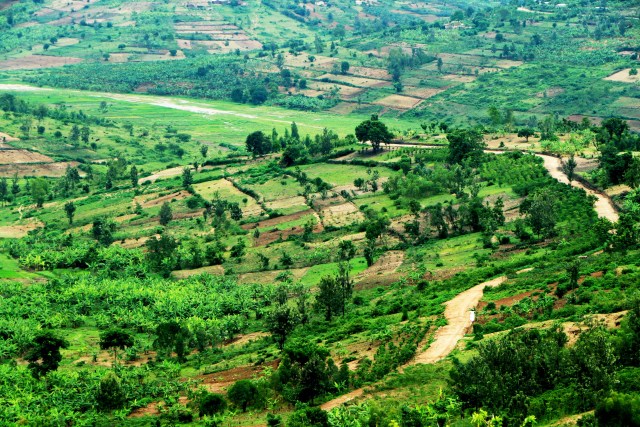
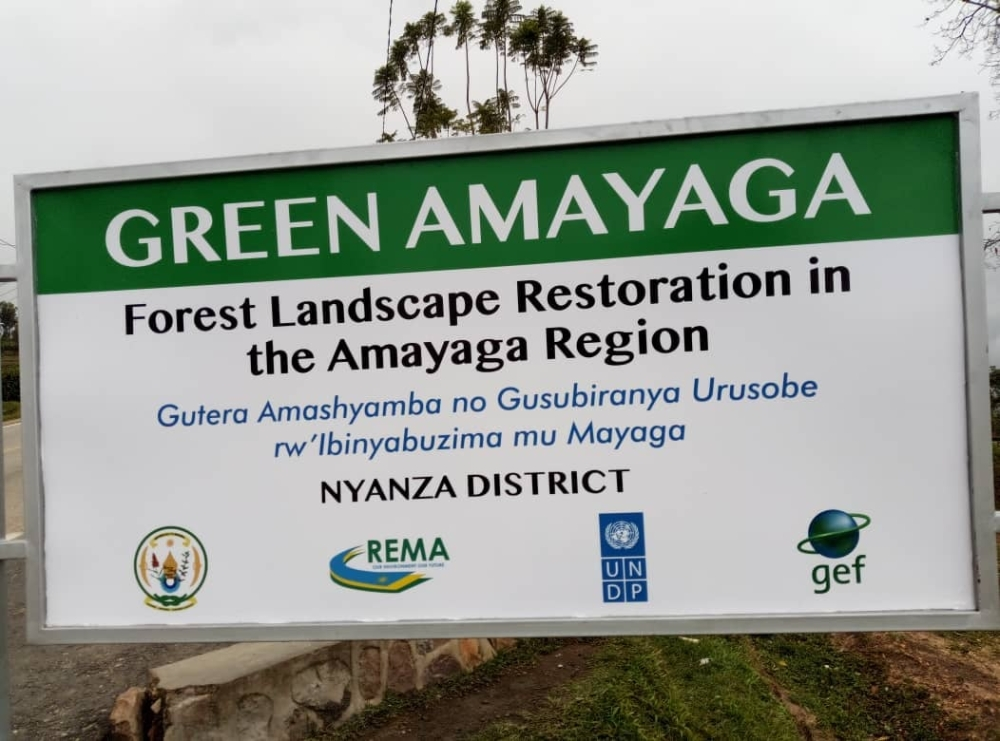
The Green Amayaga project, implemented between 2019 and 2025 in four districts of Rwanda’s Southern Province, Kamonyi, Ruhango, Nyanza, and Gisagara, focused on restoring degraded land, strengthening sustainable agriculture, and reducing pressure on forests.
The districts lie in the semi-arid Amayaga region, an area historically vulnerable to soil degradation and erratic rainfall, making environmental conservation closely tied to food security.
Figures from the Rwanda Environment Management Authority (REMA) show the project directly benefited about 415,780 people, with women accounting for nearly 61% of participants. Over the six years of implementation, the program also created more than 100,000 temporary and community-based jobs.
For many residents, the project has reshaped both farming practices and daily life.
Farmers received training and support to adopt climate-smart agriculture, helping restore soil fertility while boosting yields. More than 35,500 hectares of land were rehabilitated through soil conservation and improved farming techniques, leading to an estimated 25% increase in agricultural production compared with previous seasons.
One of the beneficiaries, Danny Ntihinyuzwa, a resident of Karehe Village, Sheri Cell, Rugarika Sector, planted the fruit trees he received on over six hectares of land. For him, integrating fruit trees with food crops is the key to protecting the soil, conserving the environment, and improving overall well-being.
“Green Amayaga provided us with more than 1,100 fruit trees, including oranges, lemons, tangerines, macadamias, avocados, mangoes, and others. These trees have greatly benefited us. We have already harvested the first fruits, and they have improved our income. Fruit trees also provide fresh air and create habitats for biodiversity, including birds,” he said.
“Fruit trees help reduce harmful gases in the atmosphere, making them essential in the fight against climate change.”
In his orchards, Ntihinyuzwa has also planted apples, jackfruits, and other species to enhance soil conservation and environmental protection. The presence of birds, bees, and other pollinators in these orchards shows how fruit trees contribute to ecological restoration.
Bernadette Niyonagira, another beneficiary who lives in the Buremera Village, Mbuye Cell, Mbuye Sector, says the Green Amayaga project revived farmers’ livelihoods, especially in Ruhango.
“Before, this place looked like a desert. We would cultivate but harvest nothing because we never received rain then, as the trees that once attracted rainfall were gone. But since Green Amayaga came, our lives have changed; we farm and harvest like others.
She adds that there are trees and bamboo everywhere, and they have gained many benefits. There is now fresh wind from the trees; different wild animals have returned, and some bird species that had disappeared have also come back. They brought us something truly good. This area is now green and flourishing.
Environmental protection was another central focus.
About 467 hectares of natural forest were conserved under the project, while more than 233,000 households received energy-efficient cooking stoves designed to reduce firewood consumption and indoor air pollution.
The switch to cleaner household energy sources has also helped cut greenhouse-gas emissions by nearly 626,000 tons, according to REMA.
Tree planting formed one of the project’s largest investments. Fruit trees and agroforestry species, many expected to remain productive for decades, were planted across more than 37,000 hectares of farmland. Officials say the trees will not only provide long-term income through fruit production but also improve soil stability and protect crops from extreme weather.
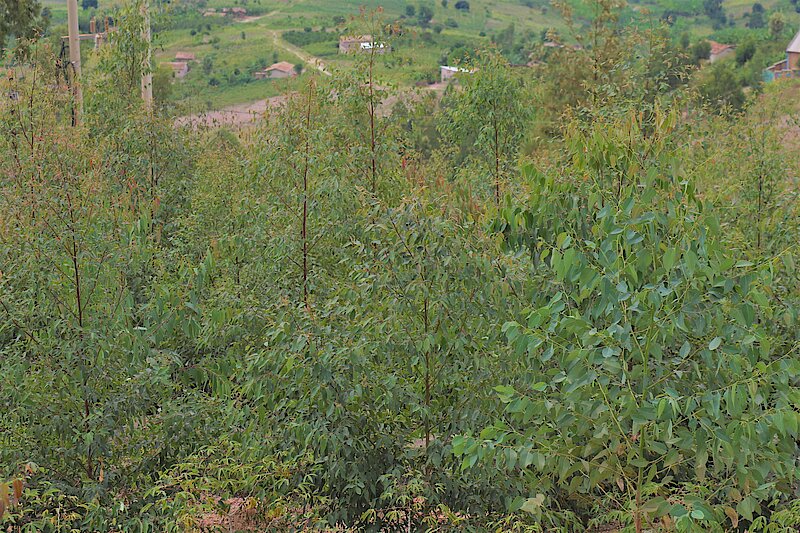
Environmental planners say the Green Amayaga project demonstrates how conservation efforts can go hand in hand with economic development in rural communities.
For families across the Amayaga region, the benefits are already visible: healthier soils, improved harvests, and kitchens that use less firewood, small changes that together are reshaping both the landscape and the lives of the people who depend on it.


