 0
0
 0
0
By Annonciata Byukusenge
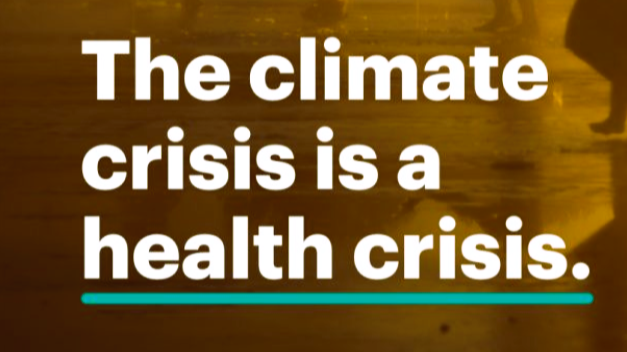
Across Africa, the effects of climate change are no longer distant warnings; they are daily realities. From relentless heatwaves to devastating floods and droughts, communities are facing a growing public-health emergency that threatens lives, food security, and fragile health systems.
In response, African researchers, policymakers, and international partners are coming together in an ambitious effort to confront the crisis head-on. With major financial backing, new regional science and policy consortia are being established to generate evidence and drive practical solutions that protect health and livelihoods across the continent.
The initiative is supported by the global health foundation Welcome. We will invest £40 million to launch two major consortia in Southern and Western Africa. An additional £20 million has been set aside to develop a third consortium in Eastern Africa.
The goal is simple but urgent: strengthen African leadership in climate and health research while ensuring that scientific evidence is quickly translated into policies that help communities adapt and survive in a warming world.
Building African-led solutions
The first two consortia will be led by the University of the Witwatersrand in South Africa and the Kwame Nkrumah University of Science and Technology in Ghana. Scientists, policymakers, and community partners will collaborate closely to design solutions rooted in local realities.
Rather than producing research that sits on a shelf, the initiative aims to ensure that data directly informs decisions from national policies to community-level interventions.
“Africa is on the front line of climate change, with women and marginalized communities already suffering the worst health impacts,” said Professor Charlotte Watts, executive director for solutions at Wellcome. “By supporting African science and leadership, these consortia will generate the evidence and locally led solutions needed to improve health and save lives, now and in the future.”
Climate change is already a health crisis
Across the continent, rising temperatures and extreme weather are driving a cascade of health risks. Deadly heatwaves are becoming more frequent. Air pollution is worsening. Droughts and floods are disrupting food and water supplies. Meanwhile, health systems, already under strain, must cope with rising disease burdens.
The consequences are particularly severe for vulnerable groups such as pregnant women, children, older people, and those with chronic illnesses.
In Southern Africa, the new consortium will focus on the health and economic consequences of heatwaves and flooding. Researchers will examine how extreme heat affects communities in South Africa and Zimbabwe, while also studying flood-related risks in Malawi.
Professor Matthew Chersich, who will lead the Southern Africa consortium, said the region faces a growing threat from extreme weather events.
“Southern Africa is experiencing increasingly severe heat and rainfall extremes, affecting large numbers of highly vulnerable people. Our consortium aims to overcome the knowledge, policy, and financial barriers that limit progress in supporting affected communities.”
The research team plans to track the health and economic costs of climate-related impacts while testing innovative adaptation strategies. These may include early financial support for at-risk households, improved mental-health resilience programs, and new cooling approaches designed to protect communities during extreme heat.
At the same time, the consortium will explore ways the public health sector itself can contribute to reducing carbon emissions. This approach places human health at the center of climate mitigation efforts.
Addressing risks in West Africa
In West Africa, the focus will shift to different but equally pressing challenges: intense heatwaves, dust storms, and prolonged drought.
These environmental pressures are already affecting nutrition, food production, and livelihoods across the region. As climate risks intensify, fragile health systems are struggling to keep pace.
Professor Philip Antwi-Agyei, who will lead the Western Africa consortium from Ghana, described climate change as one of the most urgent threats facing the region.
“West Africa is among the most vulnerable areas in the world due to high exposure to climate hazards, limited adaptive capacity, and fragile health systems. Climate-related health risks are compounding existing inequalities, undermining food security and disrupting livelihoods.”
A major challenge, he added, is the lack of coordinated policies and data that decision-makers can rely on. The new consortium hopes to change that by bringing together experts from physical sciences, social sciences, and policy fields to ensure that research findings translate into real-world action.
Evidence for better decisions
Health leaders across Africa often have to make critical decisions with limited resources. Access to reliable, context-specific evidence can make the difference between policies that work and those that fall short.
Dr. Adelheid Onyango from the World Health Organization’s Regional Office for Africa believes the consortia could fill an important gap.
“Health leaders across Africa make vital decisions with limited resources, so having access to rigorous, context-relevant evidence is essential. These consortia have the potential to become an invaluable resource for policymakers across the region.”
Climate advocates also see the initiative as a powerful step toward strengthening the evidence base for climate justice.
Philip Kilonzo of the Pan-African Climate Justice Alliance said scientific research plays a crucial role in showing the human cost of climate change.
“Scientific evidence helps humanize the case for climate justice. These consortia are well-positioned to strengthen resilience in the health sector and support stronger advocacy.”
Looking ahead
Over the next five years, the consortiums will work to produce high-quality scientific evidence, support policy development, and strengthen networks of African researchers and institutions.
Beyond research, the initiative aims to nurture a new generation of scientists and policymakers working at the intersection of climate and health. Additionally, it will foster collaboration among various countries and disciplines, guaranteeing the widespread dissemination of knowledge throughout the continent.
Ultimately, the effort reflects a growing recognition that Africa’s climate challenges require African-led solutions, solutions grounded in local knowledge, strong partnerships, and evidence that can save lives.
As climate pressures intensify, the work of these consortia could play a critical role in shaping how the continent protects both the health of its people and the resilience of its communities.


