
 0
0
 0
0
By Annonciata Byukusenge
“My parents were killed, and there came a moment when I, too, wished to die. These are the words of Umutoni Mariane, a survivor of the 1994 Genocide against the Tutsi, words that lay bare the raw weight of a history she lived through. As the commemoration period continues across the country, survivors are being called to press forward with hope, while the younger generation is being urged to stand firmly against the ideology that made genocide possible.
The occasion was the 32nd commemoration of the 1994 Genocide against the Tutsi, in the Nduba Sector, Gasabo District. When Umutoni Mariane took the floor to share her testimony, she reached back to a long and painful history of violence that had shadowed her family long before 1994. “All of my father’s brothers were killed in 1959,” she recalled. “In 1962, my father was persecuted, beaten, and thrown into a pit, but he survived.”
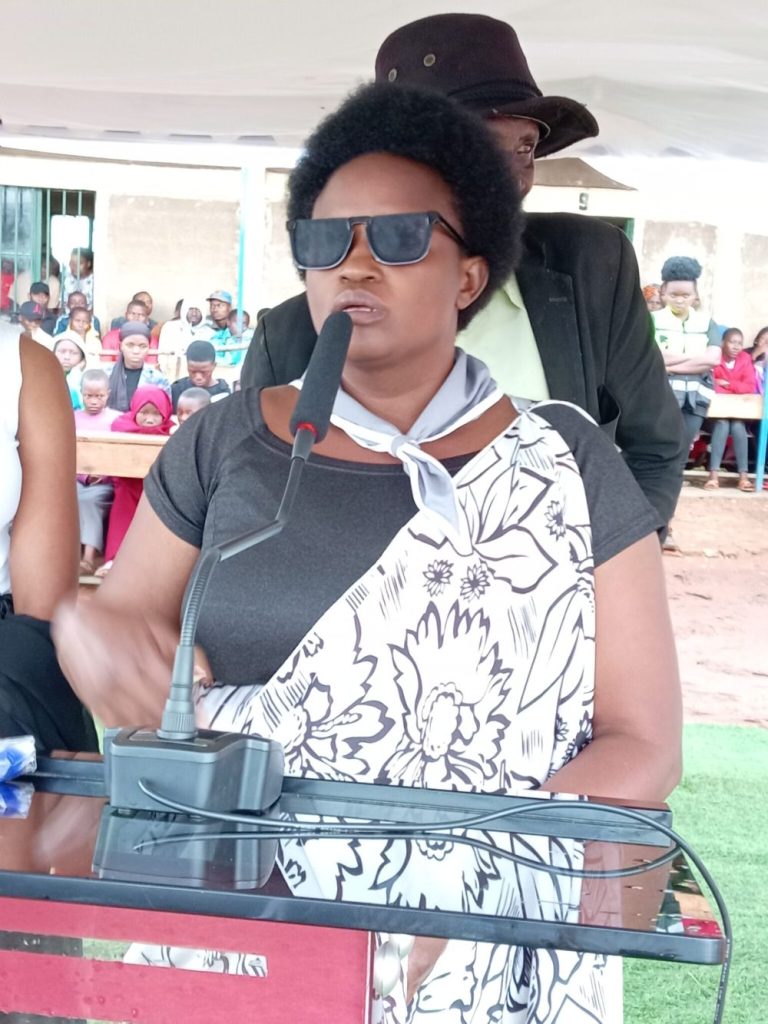
She went on to describe how discrimination had woven itself into the fabric of everyday life, particularly at school. “They would interrogate us about our identity, make us stand up in class, and single us out.”
The cumulative weight of those experiences eventually pushed her to a breaking point. “My parents were killed, and I reached a point where I wanted to die, or else see the Inkotanyi arrive.”
Yet despite everything she endured, she spoke of finding her way back to hope, expressing deep gratitude toward the government. “I have made a covenant with the State. I am thankful for a government that came to my rescue.”
In a message of solidarity with survivors, Kayirangwa Marie Grâce, representing the survivors’ organization IBUKA, offered these words of encouragement: “We want to remind you that you are not alone. We ask you to be strong and to keep living with hope for the future. Do not let the grief of what happened consume you.”
She also emphasized that the act of remembrance carries a deeper purpose beyond mourning. “This occasion invites reflection on our country’s dark chapter while renewing our commitment to preventing genocide.”
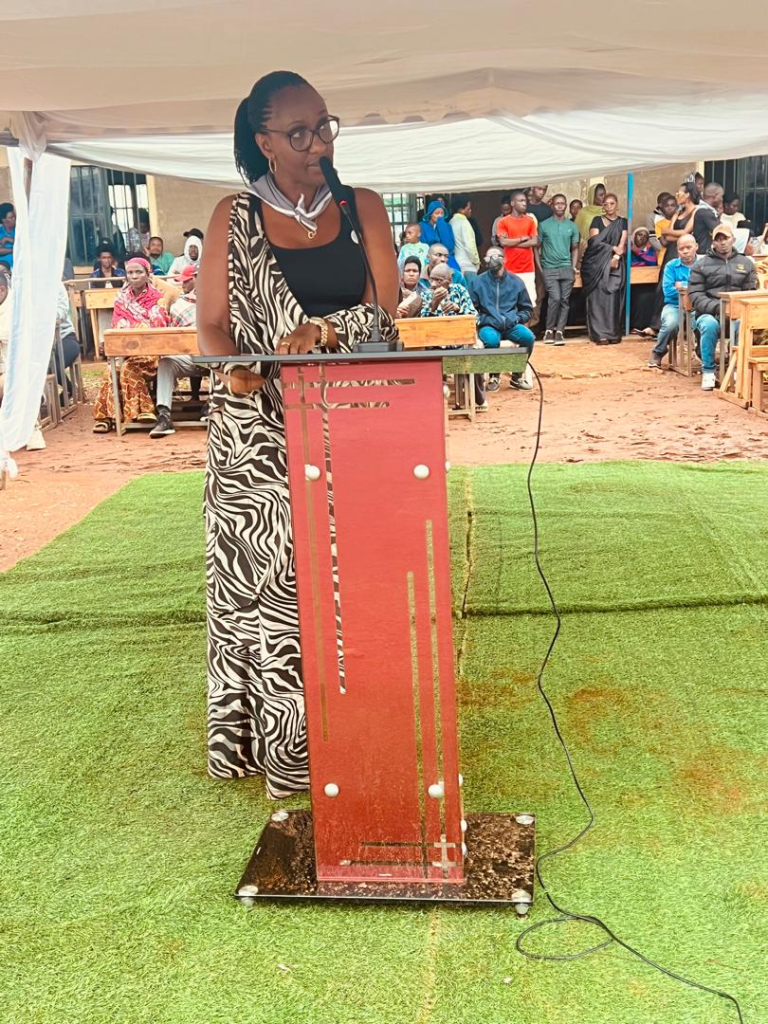
She is concerned that the responsibility belongs to everyone. “Remembrance gives us the strength to live and to continue the journey of rebuilding. We are all called to be guardians of our history.”
From the leadership side, speakers underscored that commemoration is far more than a routine observance; it is a moral and legal duty to restore dignity to those who were stripped of it. The guest of honor, member of parliament Rutebuka Barinda, put it plainly.
“Remembrance is an obligation written into our laws. It is a way to honor those who were taken from us for no reason other than who they were.
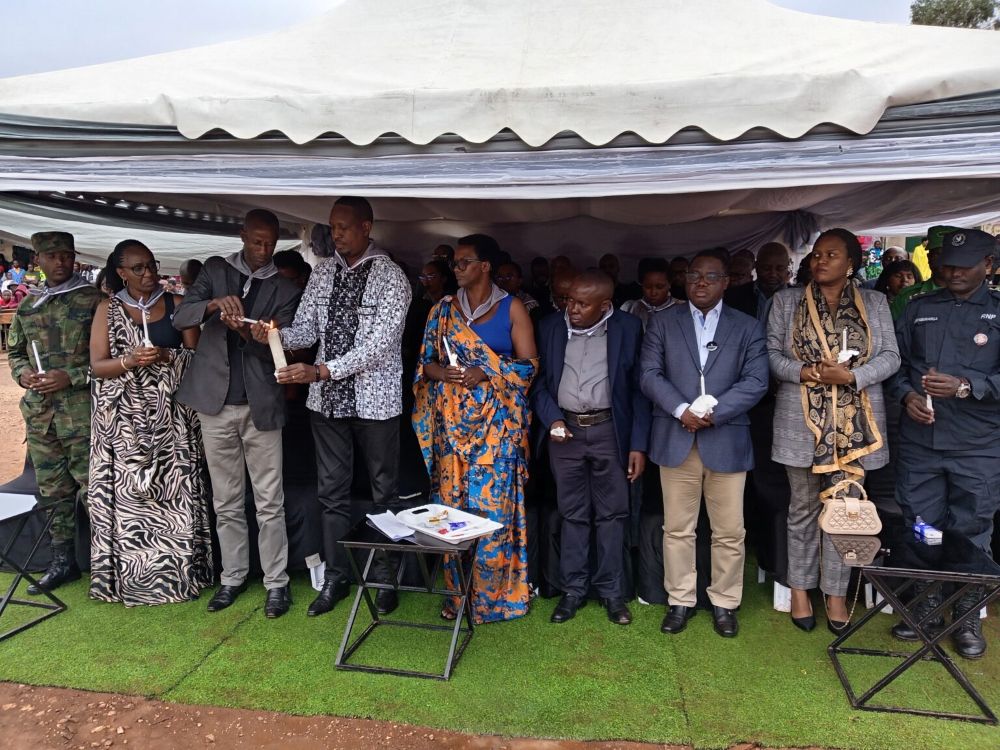
He placed particular emphasis on the role of young people in an age when technology is increasingly being exploited to spread hate speech and genocidal ideology.
“We must remain vigilant and reject hateful ideology and language, wherever it comes from,” he urged.
He called on youth to harness social media as a force for truth: “Let us use technology to showcase the realities of our history and the progress we have made in building our nation.”
He closed with a reminder of what holds everything together. “Our unity is our greatest strength.”
Though the wounds of history may never fully close, survivors of the 1994 Genocide against the Tutsi are being asked to keep living, with purpose and with hope. And every Rwandan, especially the youth, is being called to serve as a keeper of that history and to keep building a Rwanda where such horrors can never take root again.


