
 0
0
 0
0
By Annonciata Byukusenge
Some survivors of the 1994 Genocide against the Tutsi who had been living without proper shelter say that the past year has been truly life-changing after they were given homes. For many, it marked the end of years spent renting under difficult conditions.
Among those expressing gratitude are residents of Kinihira Village, located in Barija Cell, Nyagatare Sector, in the Nyagatare district. They say one of the greatest burdens they’ve been freed from is the constant pressure of paying rent, something that had weighed heavily on their lives for a long time.
Rugaju Theogene is one of the survivors who received a house.
“It’s difficult to put into words how good this past year has been, living in my own home. I sleep peacefully now. Life was already full of challenges, but not having a place to live made everything much harder. I spent 31 years renting, even though I didn’t have the means. It forced me to keep moving from place to place, looking for the cheapest, often poor-quality housing.”
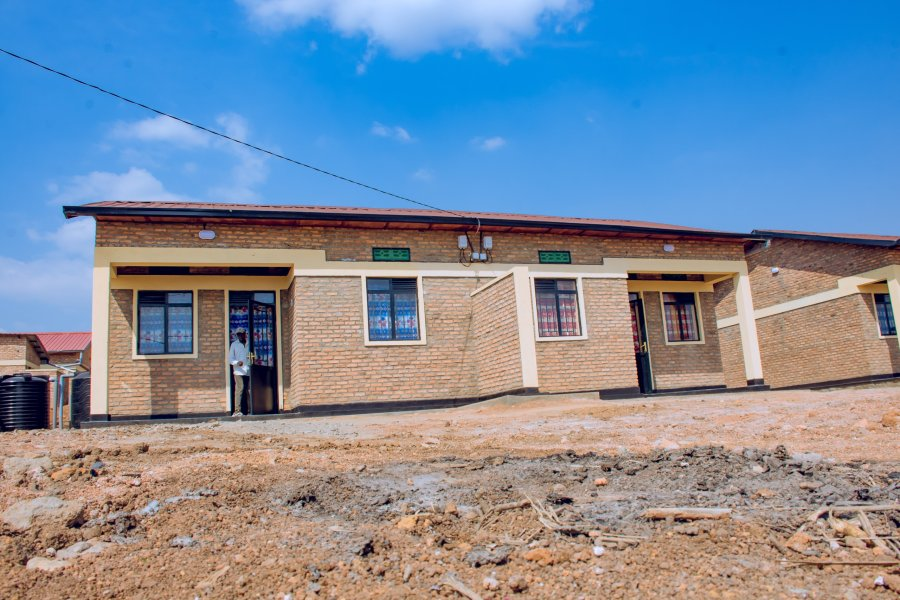
He adds, “Then last year, I was brought here and told, ‘This is your home, no more running around.’ I was happy then, but now I truly feel what it means to live without paying rent. I wake up and go out to look for work without fear. Whether I earn something or not, I know I have a place to return to. I can honestly say this year has transformed my life.”
Mukakarisa Goreth, another beneficiary who relocated from Rwimiyaga Sector to Kinihira Village, shares a similar story:
“There’s nothing like being given a home like this. It’s been a year, and no one has come asking for rent. Renting had become overwhelming for me to the point that even the local authorities were aware of my situation. Then they came and told me they had built a home for me. When I arrived and saw it, I couldn’t believe it was mine.”
She adds, “It’s a wonderful joy. Of all the struggles we faced, not having a place to live was one of the heaviest burdens, and now it’s gone.”
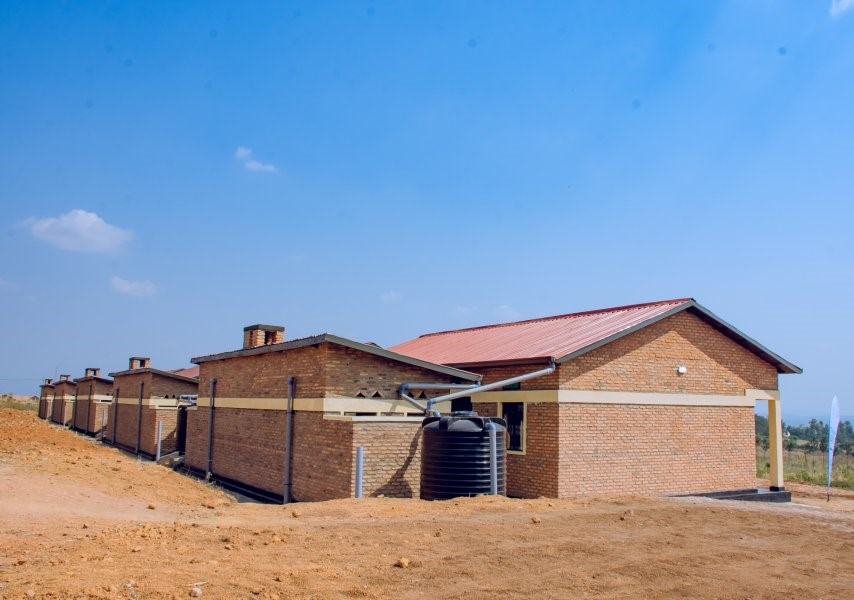
Despite this progress, residents of Kinihira Village say they still face challenges, particularly in accessing healthcare and finding land to cultivate for their livelihoods.
Last year, when these families received their homes, Ibuka leaders in Nyagatare District indicated that more than 400 survivors still needed housing or home repairs.
Juliet Murekatete, the Vice Mayor of Nyagatare District in charge of Social Affairs, says efforts are ongoing to support those who have not yet been assisted. She noted that additional houses are currently under construction and are expected to be handed over during the 32nd commemoration of the 1994 Genocide against the Tutsi.
“As resources become available, we continue to provide housing to the most vulnerable. This year, more homes are nearing completion. We are working closely with relevant institutions to ensure that those in greatest need are prioritized.”
As part of this year’s district performance targets, Nyagatare plans to build homes for six more survivor families, with a budget of 116 million Rwandan francs allocated for the project.


