 0
0
 0
0
By Christophe Uwizeyimana
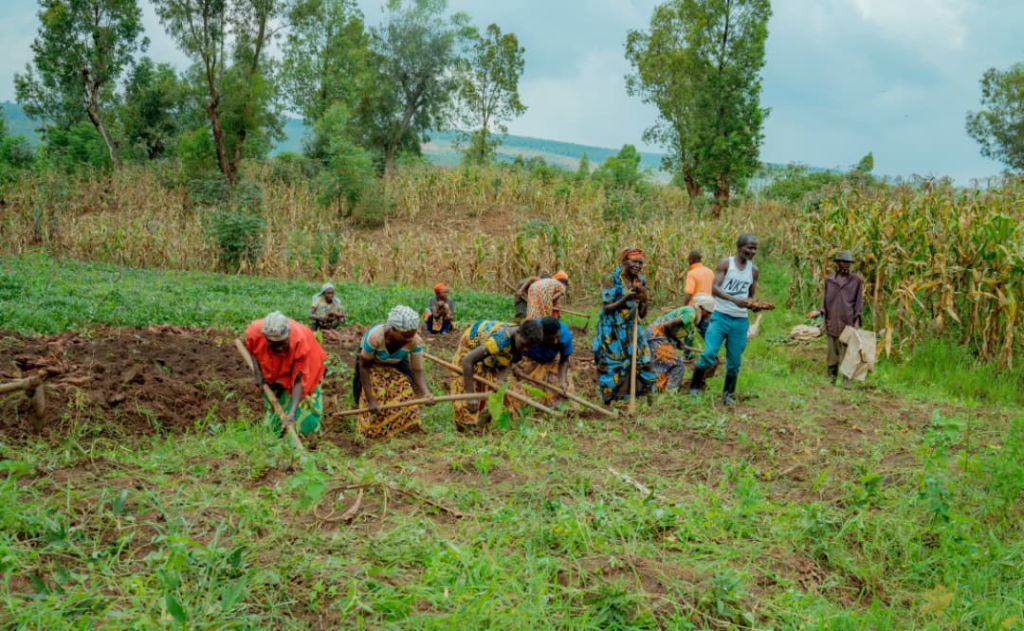
For years, agriculture in Kayonza District has been severely affected by prolonged drought, making farming unpredictable and discouraging many households. As a result, numerous farmers adopted low-input and poorly planned agricultural practices due to uncertain harvests. Women, who shoulder much of the responsibility for household food security in Rwanda, were particularly impacted by these challenges.
However, farmers in Mwiri Sector, Kayonza District, say their livelihoods have significantly improved since the Kayonza Irrigation and Integrated Watershed Management Project (KIIWP) began working with them. Before the project’s intervention, many farmers struggled to grow sweet potatoes and other crops, often harvesting little or nothing for household consumption or income generation.
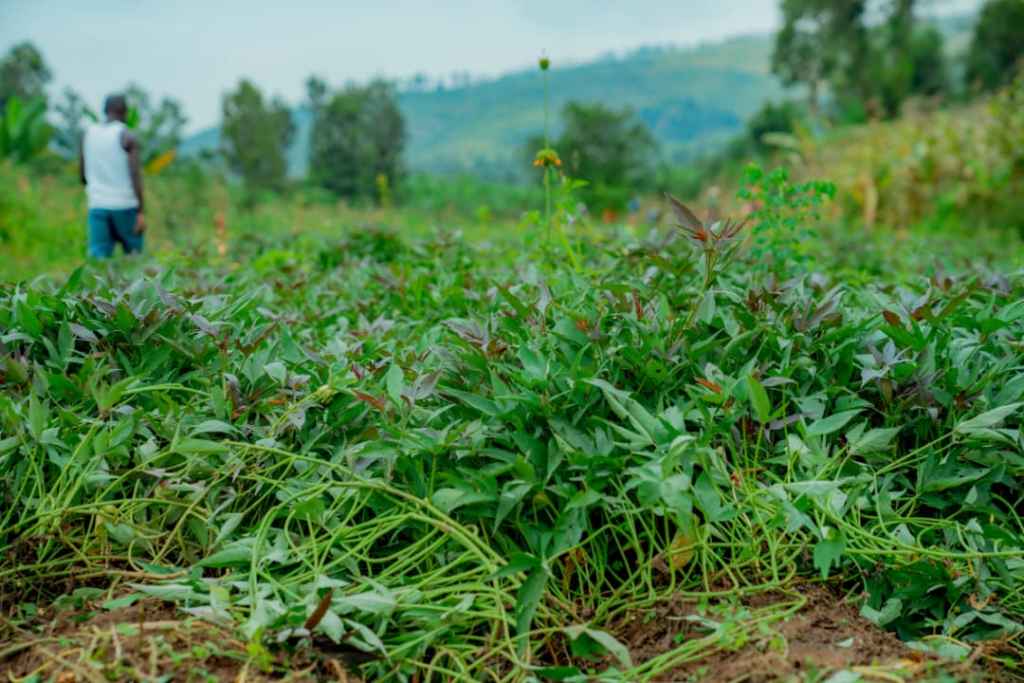
Since the introduction of KIIWP, farmers have benefited from modern agricultural training, access to quality seeds particularly the high-yielding “Rukundo” sweet potato variety and fertilizers, leading to remarkable improvements in productivity and living standards.
The project has had a notable impact on women farmers, especially members of the KOPUAIM Cooperative in Mwili Sector.
Farmers Share Their Experiences
Mukunde Florence, a farmer from Gasarabwayi Village in Nyamugari Cell, Mwiri Sector, says sweet potato farming has transformed her life.
“Before KIIWP arrived, we cultivated sweet potatoes, but the yields were extremely low. We barely harvested anything meaningful. At the market, a large heap of sweet potatoes could sell for as little as 200 Rwandan francs. Today, buyers purchase one kilogram at 300 francs, which gives us hope for a better future,” she explained.
Florence added that increased income from improved production is enabling her to improve her household conditions.
“My house is old, and I had no means to renovate it. Now, I believe the income from sweet potato farming will help me improve my living standards. I finally see a path out of poverty. The quality seeds and fertilizers provided by KIIWP have made a real difference,” she said.
She further noted that the cooperative sold sweet potato vine cuttings at 1,500 Rwandan francs per bundle, creating an additional source of income.
Another farmer, Yankurije Gratia, said the improved seed varieties distributed by KIIWP have significantly reduced hunger in the community.
“The seeds we received from KIIWP changed everything. Farmers in surrounding areas are now eager to buy planting material from us. Previously, we cultivated local varieties such as Gahungezi and Wadada, which produced very small tubers. Today, yields are much higher, thanks to improved seeds, fertilizers, and training. Even at my age, I am confident about improving my livelihood,” she said.
Rising Production and Cooperative Growth
The KOPUAIM Cooperative comprises 253 members cultivating 17 hectares of land, producing an average of at least four 100 Kilograms of sweet potatoes per acre. In addition to sweet potatoes, members also grow maize and beans as part of their strategy to diversify income and enhance food security.
Technical Support from KIIWP
Dan Mandela, Value Chain Development Specialist at KIIWP2, said the project focuses on strengthening farmers’ skills, improving access to quality inputs, and promoting sustainable farming systems.
“We support farmers with improved seeds, fertilizers, and continuous training through the Farmer Field Schools (FFS) approach. This helps them adopt good agricultural practices, soil conservation techniques, and climate-smart agriculture. We also promote farming as a business, particularly through cooperatives, so agriculture becomes a profitable enterprise rather than merely subsistence farming,” he said.
Project Impact and Scope
KIIWP2 aims to improve food security and household incomes for at least 40,000 rural households, representing approximately 180,000 beneficiaries. Women account for 50 percent of beneficiaries, while youth and young adults represent 30 percent.
• Phase I (KIIWP1): Approved on May 2, 2019, and became effective on December 10, 2019, marking the official launch of the project.
• Phase II (KIIWP2): Became effective on April 5, 2022, building upon the achievements and lessons of Phase I.
KIIWP2 is jointly funded by the Government of Rwanda and the International Fund for Agricultural Development (IFAD), implemented through the Ministry of Agriculture and Animal Resources (MINAGRI), and executed by the Rwanda Agriculture and Animal Resources Development Board (RAB).
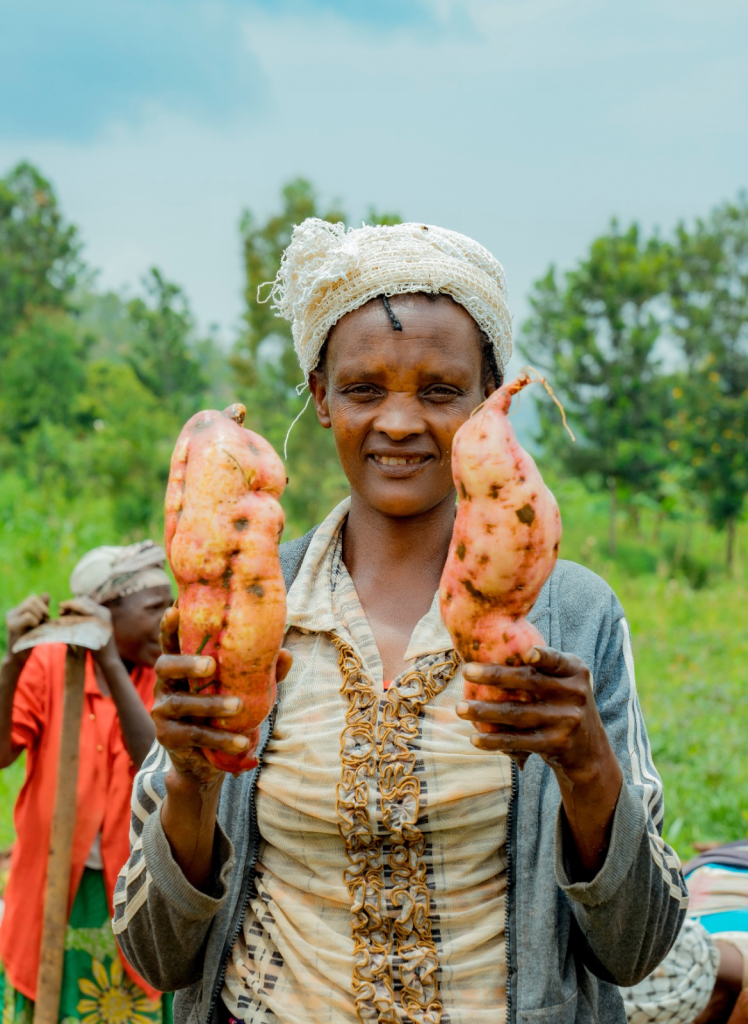
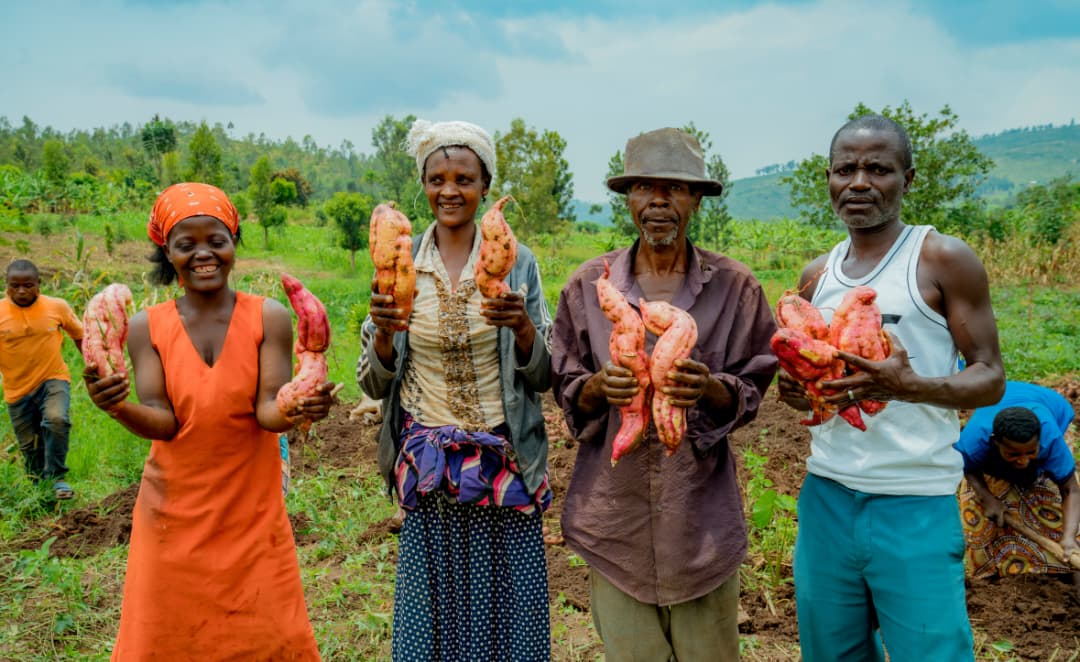
Photo: “What I am holding is the result of knowledge, support, and hard work and it has changed my life,”-a sweet potato farmer from Mwili Sector, Kayonza District
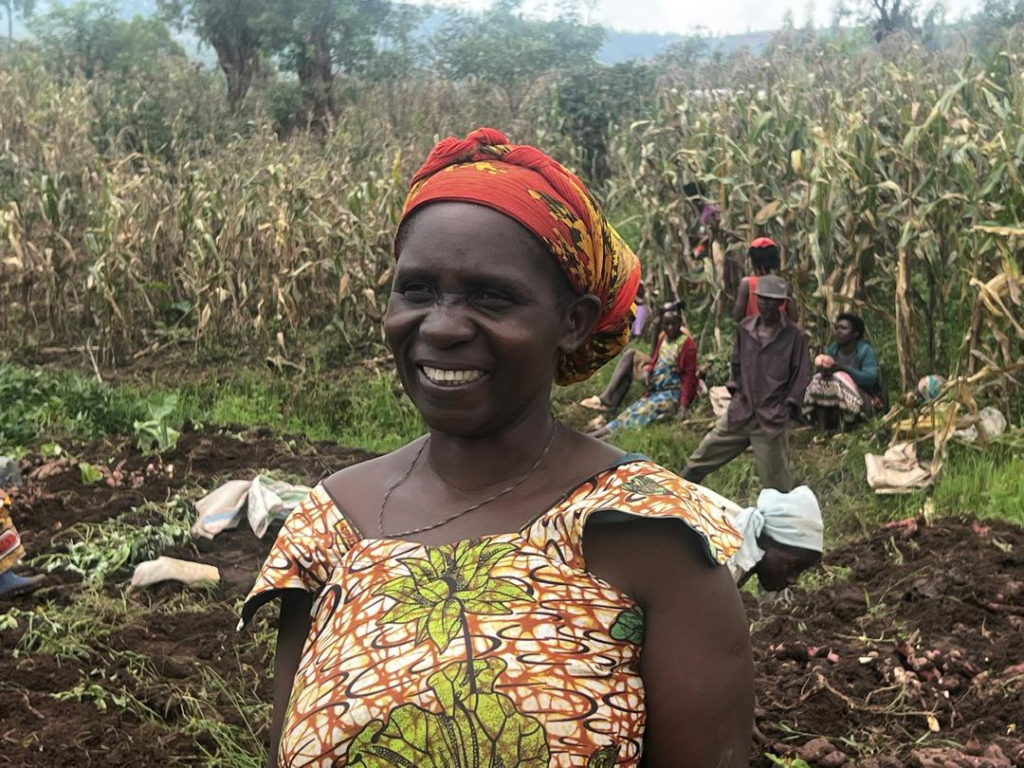
Photo: Mukunde Florence, a farmer from Gasarabwayi Village in Mwili Sector, holds sweet potatoes, illustrating how KIIWP support has improved yields and given her hope for a better future.
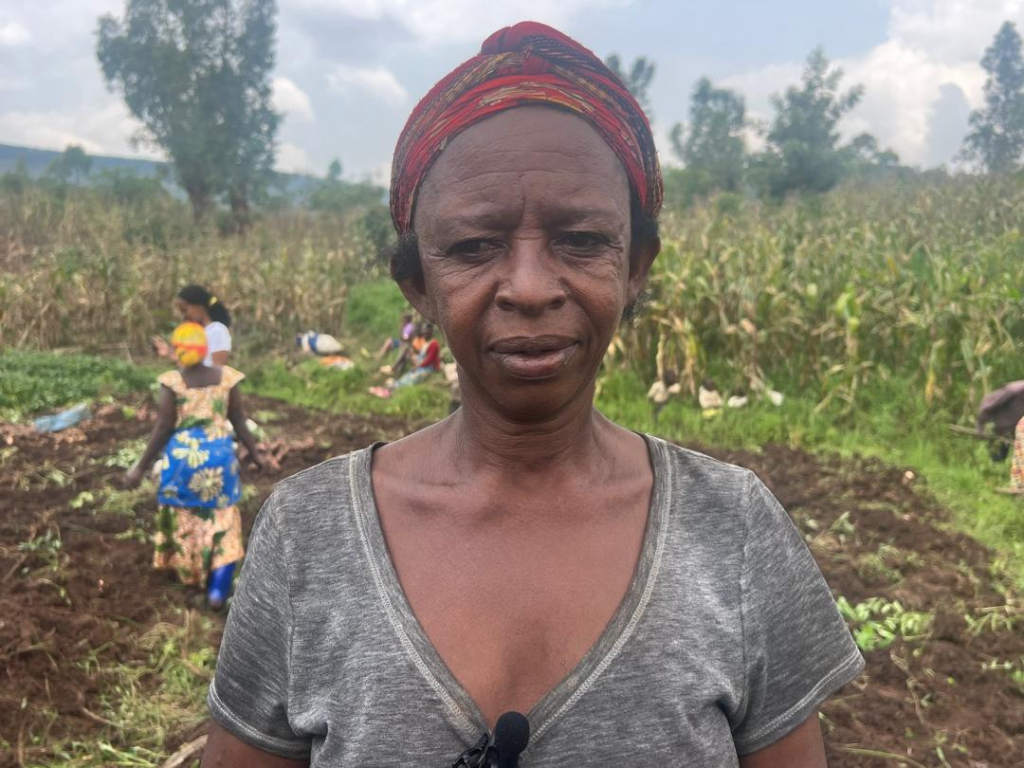
Photo: Yankurije Gratia, a farmer in Mwili Sector, showcases sweet potatoes grown from improved seeds provided by KIIWP, which have boosted yields and reduced hunger in the community.
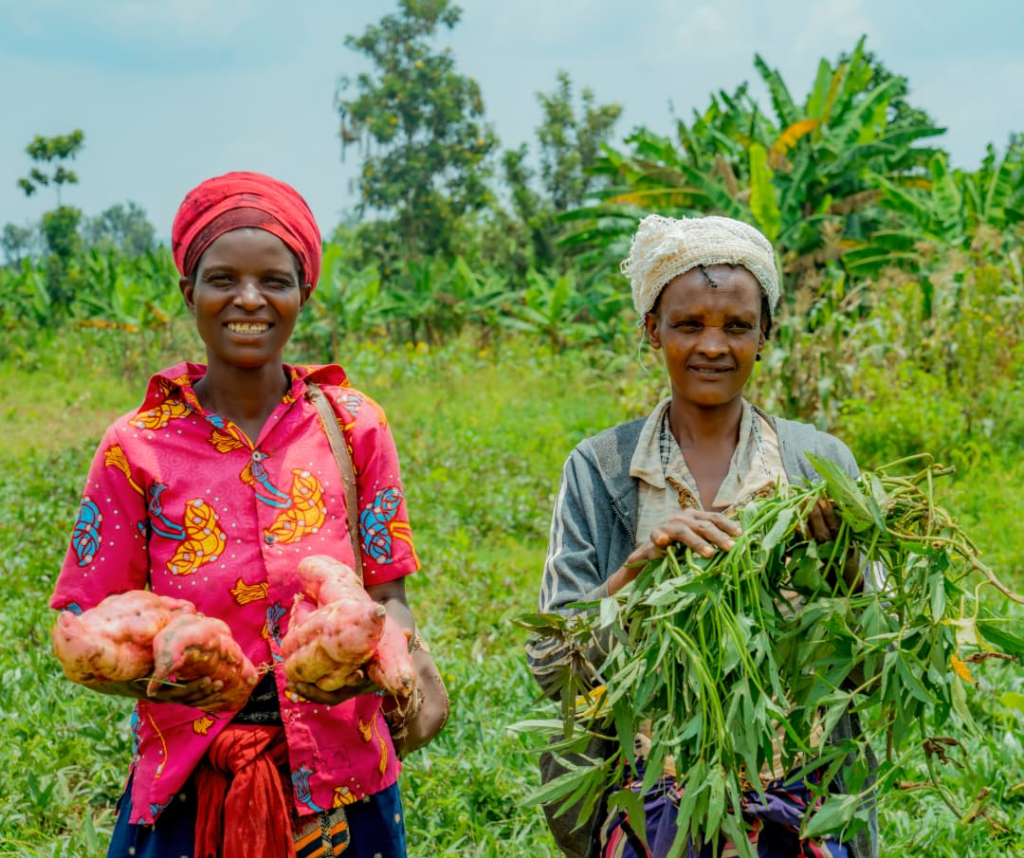
Photo: The improved harvests have restored hope and happiness among farmers in the area.
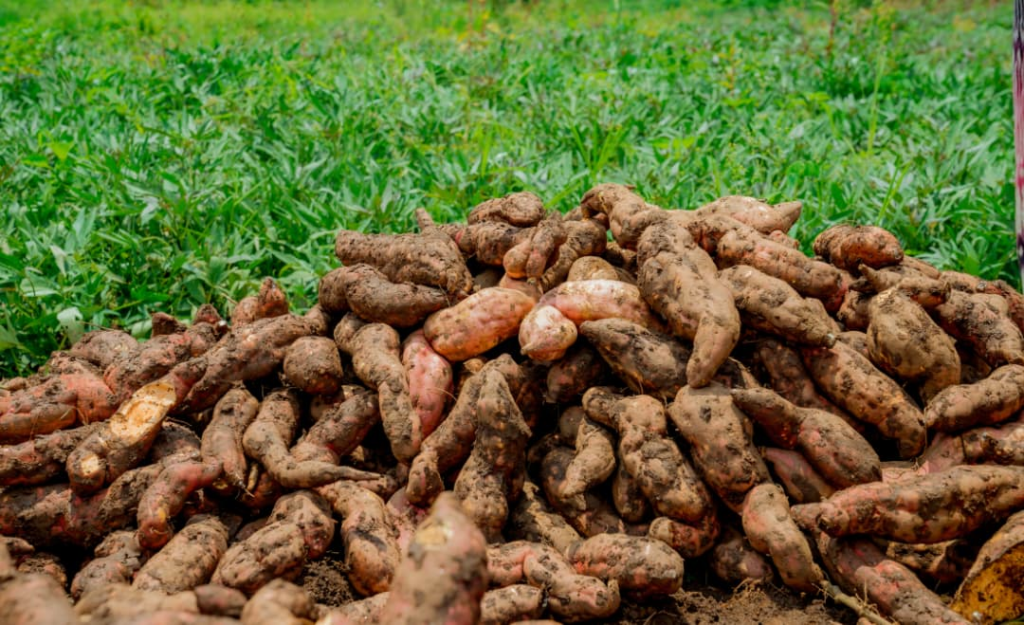
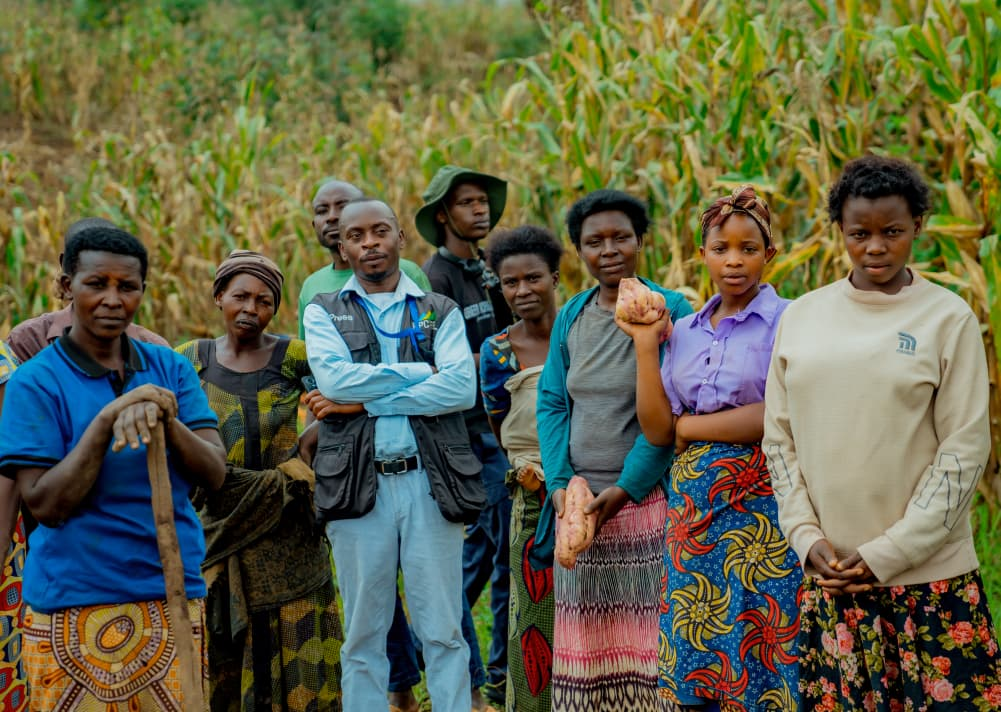
Photo: Farmers say the changes brought by the project have renewed their optimism and confidence in agriculture.
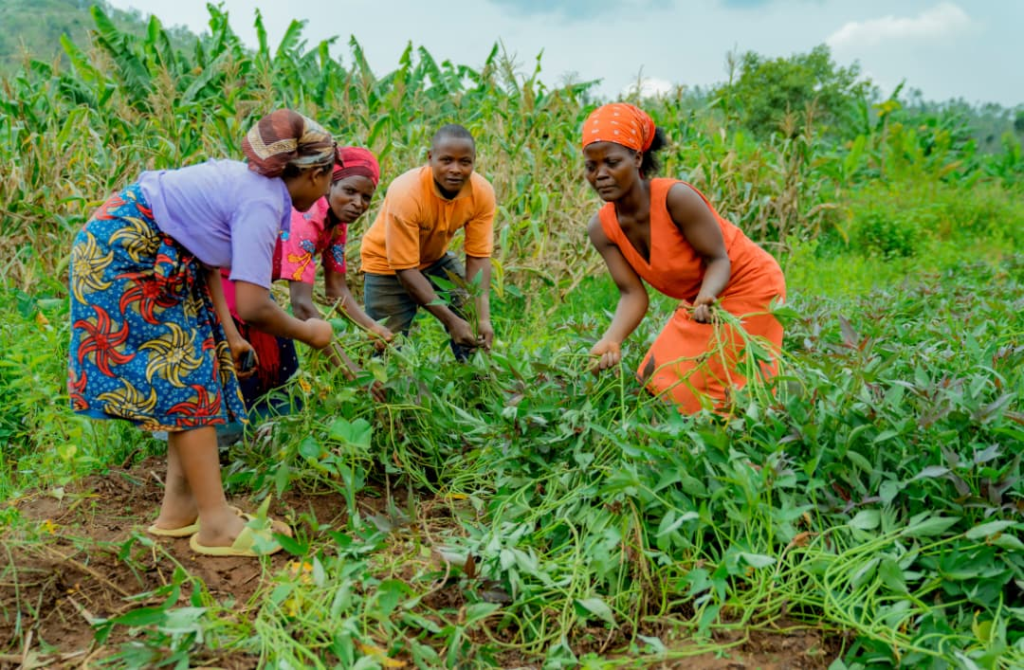
Photo:Across the community, there is a renewed sense of joy and motivation as yields continue to improve.