
 0
0
 0
0
By Annonciata Byukusenge
Farmers in Bugesera district say their harvests have improved significantly after receiving support from the SAIPII project, particularly through small-scale irrigation initiatives.
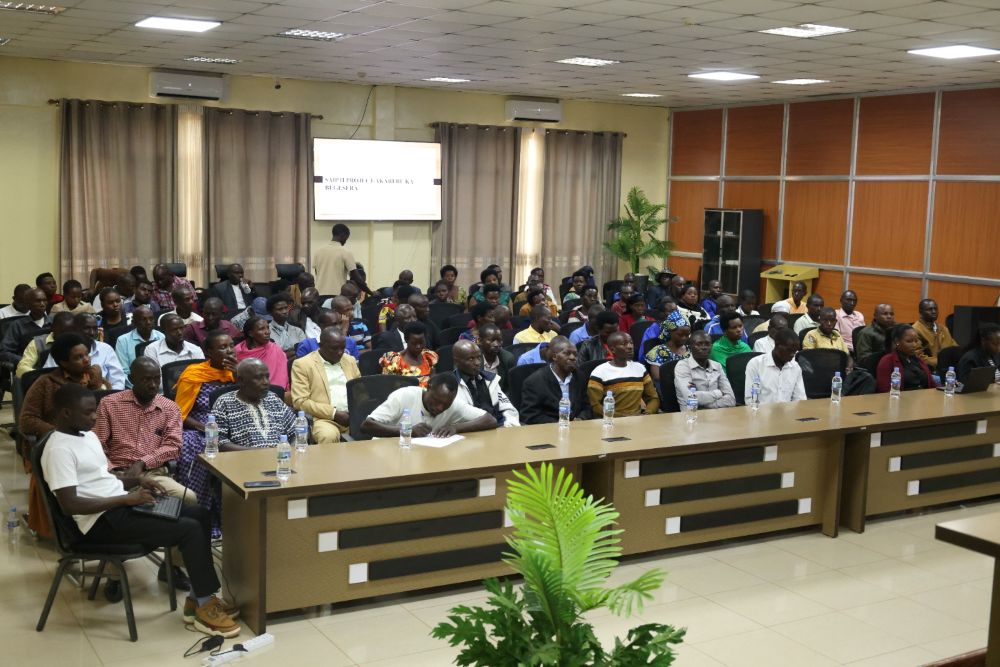
During a knowledge-sharing meeting on sustainable agriculture and food self-sufficiency held on Wednesday, February 25, 2026, farmers explained that such discussions help them exchange ideas and gain practical skills that strengthen their farming practices and boost productivity.
Apollinaire Ngezenubwo, a farmer from Gashora Sector, shared how his life has changed since gaining access to irrigation. Before that, he struggled financially, and his family’s living conditions were difficult.
“I cultivate 1 ha of land. “I grow onions, cabbage, and leafy vegetables locally known as imbwija. Before I had irrigation, I couldn’t even tell how much I was earning. I sold my produce to residents; someone buying in bulk would pay about 200 Rwandan francs. Small-scale traders who resold them in neighborhood evening markets would sometimes buy in bulk for around 1,000 francs.”
He explained that at the end of each growing season, he had no clear record of his earnings. Saving money to pay his children’s school fees was nearly impossible, even though he worked as hard as other farmers.
Things changed during the 2025 Season C planting cycle. “I planted onions on 5 a. By that time, SAIPII had already provided me with irrigation equipment. I didn’t face any water shortages, my crops thrived, and the harvest was impressive because I could irrigate consistently. After covering the costs of labor and other related expenses, I made a profit of one million Rwandan francs (1,000,000 Rwfrs).”
Through the project, he received a water pump and hoses that allow him to channel water directly to his fields.
Beyond small-scale irrigation, farmers in Bugesera also credit SAIPII for several other forms of support. These include co-financing the construction of greenhouses, providing irrigation equipment for plots ranging from 0.5 ha to 10 ha, building crop-storage warehouses, and distributing fruit-tree seedlings, such as passion fruit and macadamia.
The project has also supplied essential farming tools and trained farmers to produce organic fertilizer, which is later purchased through a Community-Based Procurement Approach (CBPA).
For many farmers in the district, these interventions have not only increased production but also restored confidence in agriculture as a reliable source of income and food security.
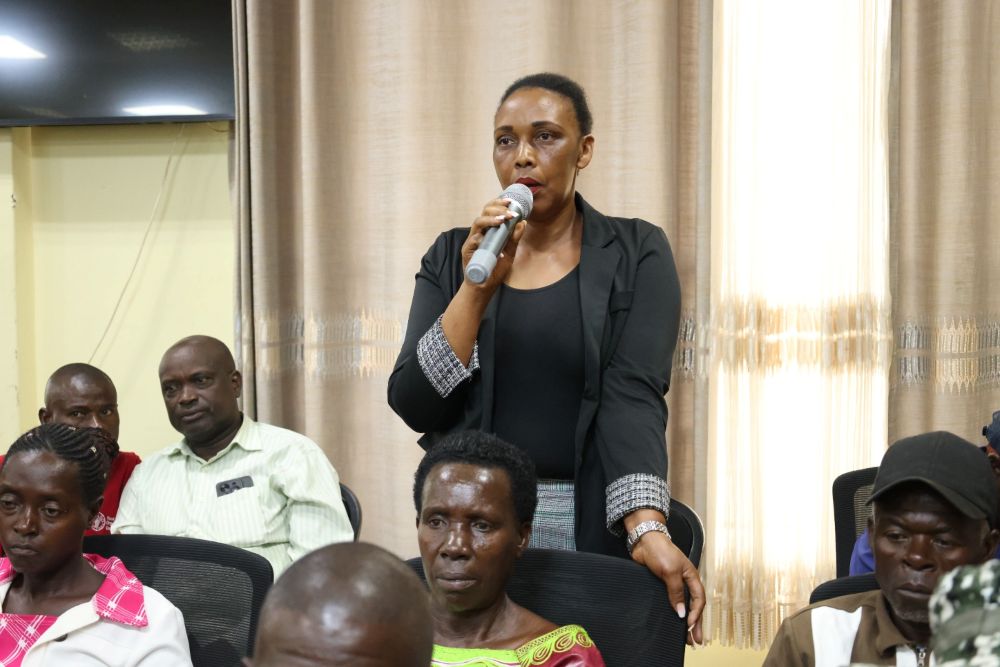
Kabano Pelagie shares a similar story. She grows fruits and vegetables. Says irrigation completely transformed her farm.
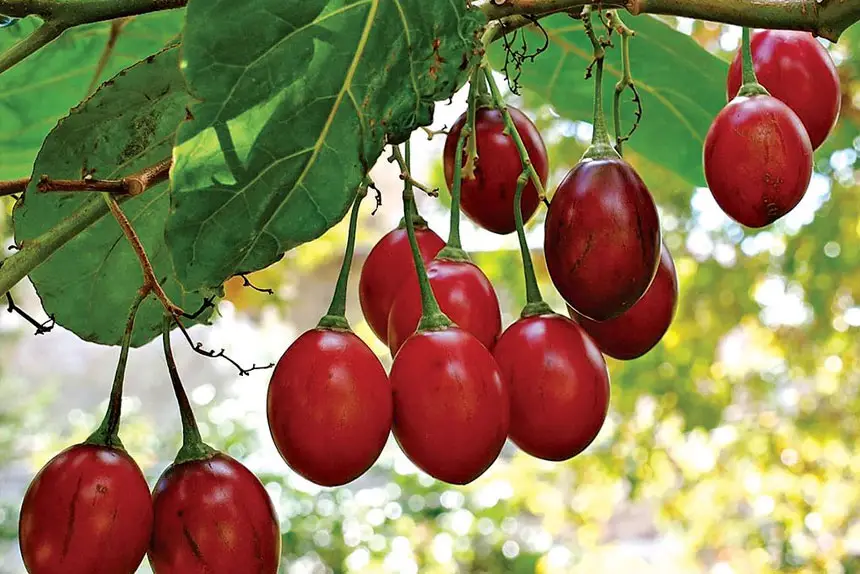
“SAIPII provided me with irrigation equipment, and I was able to expand my fruit farming. My harvests have increased significantly. I grow tamarillo on 1 ha, passion fruit on 3 ha, and mangoes on 5 ha. All of this land is now irrigated.”
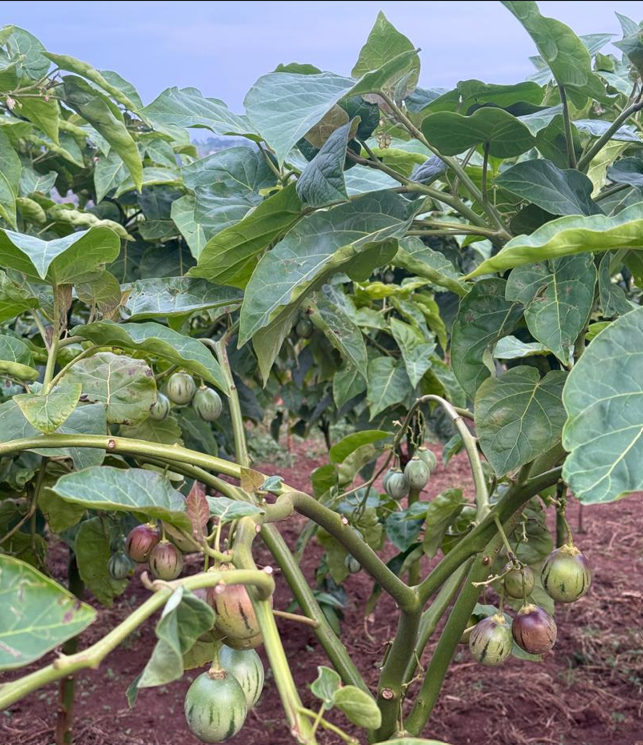
She notes that the difference has been remarkable. Before she had access to irrigation, she harvested about 500 kg of tamarillo per month. Now, she harvests the same kgs per week.
Joseph Nkuranga Kayonga, the Executive Secretary of Bugesera District, says the district is grateful for the support farmers have received through the SAIPII project.
“We truly value meetings like these because they allow farmers to learn from one another and strengthen their skills. SAIPII has helped us equip farmers with irrigation systems, which is crucial since our district often experiences prolonged dry spells. Priority was given to sectors located near lakes, where farmers were cultivating close to water sources but had no means to channel that water to their fields.”
Currently, 4,500 ha of land are under irrigation in the Gashora, Kamabuye, and Ngeruka sectors.
For many in Bugesera, access to irrigation has shifted farming from a struggle against unpredictable weather to a more stable and productive livelihood.
What the SAIP II Project provides
Mutabaruka Ezra, the SAIP project manager at RAB-SPIU, explains that the support goes far beyond training.
“The goal of SAIP II is to expand sustainable agriculture and strengthen food security. To achieve this, we have helped farmers access irrigation systems and small-scale irrigation. Some have also received support in post-harvest handling and adding value to agricultural by-products.”
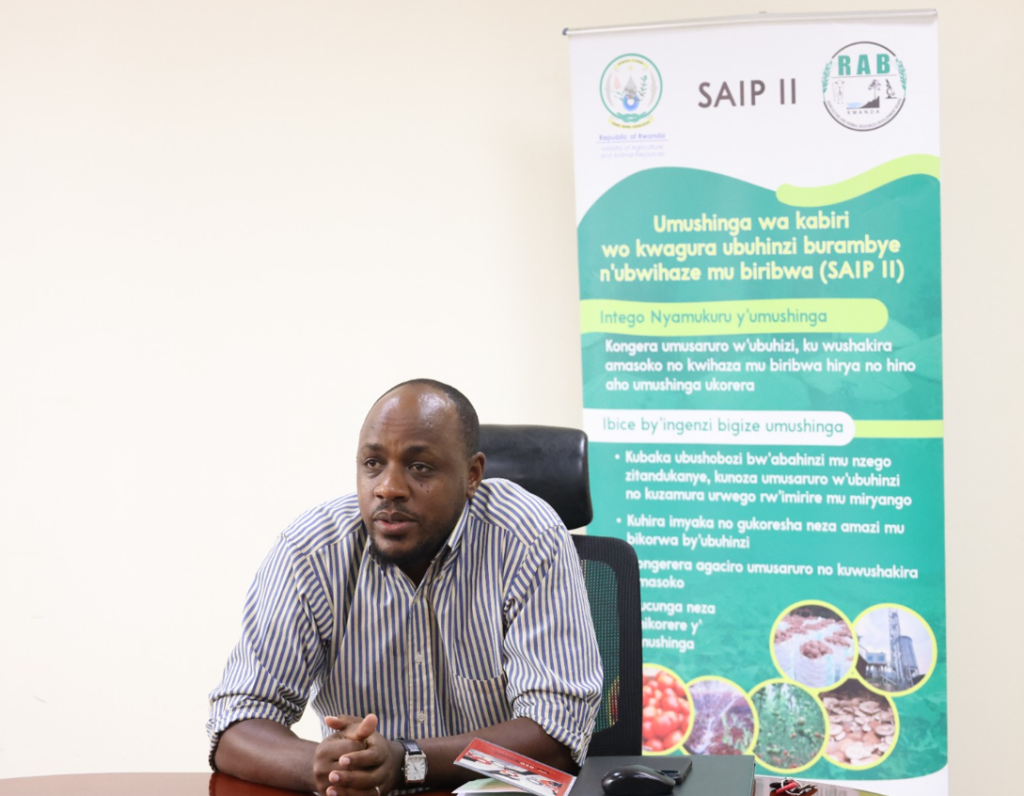
He adds that SAIP II builds upon the achievements of the earlier SAIP I project. Through SAIP II, irrigation systems have been developed to cover 1,780 hectares of farmland.
“It’s not just about irrigation. We train farmers in proper post-harvest handling, from harvesting to storage and marketing. For fruit and vegetable farmers, we have provided cold storage facilities to ensure their produce reaches the market in good condition.”
Overall, the SAIP project required an investment of approximately 20 million US dollars, while irrigation activities alone accounted for about 5.7 million US dollars.


