
 0
0
 0
0
By Annonciata Byukusenge
Members of the Terimberemuhinzi Cooperative, based in the Gahara sector of Kirehe District, are celebrating the adoption of a climate-resilient farming technique known as Pfumvudza. Since embracing this approach, their agricultural production has increased more than fivefold.
The term “Pfumvudza” comes from Zimbabwe and refers to smart, climate-resilient agriculture. The members of the Terimberemuhinzi Cooperative say they are now enjoying exceptional harvests after adopting this innovative method, which was originally developed in Zimbabwe.
The initiative was introduced through the Joint Programme on Accelerating Progress Towards the Economic Empowerment of Rural Women (JP RWEE).
One of the cooperative members, Esperance Uwizeyimana, says the technique has been extremely beneficial.
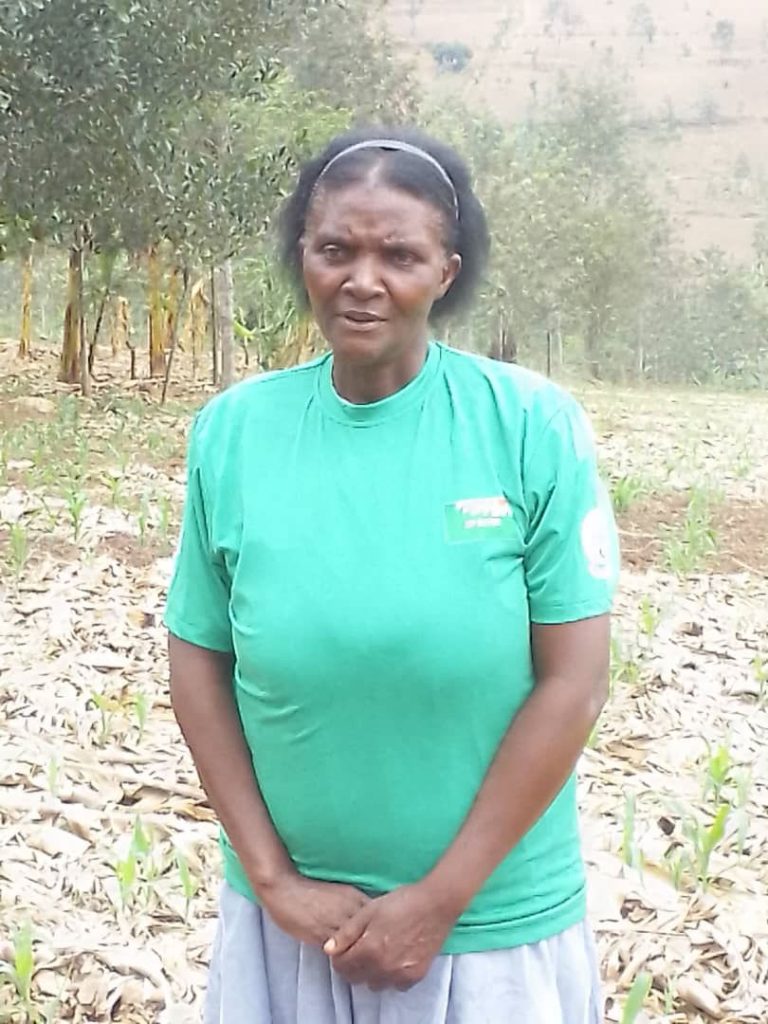
“From our own experience, this method is unmatched. Since we adopted it, our agricultural production has increased more than five times. We encourage our neighbors to adopt it as well because it brings remarkable benefits,” she explains.
The president of the Terimberemuhinzi Cooperative, Ernest Zigiranyirazo, also confirms that agricultural output has risen significantly since the introduction of Pfumvudza, leading to improved living standards for cooperative members and the wider community.
“Moving from traditional practices to modern and sustainable ones is reshaping food security, increasing incomes, and giving our members a stronger voice in community development,” he says.
Zigiranyirazo adds that the cooperative is continuing to expand and remains committed to using the Pfumvudza method.
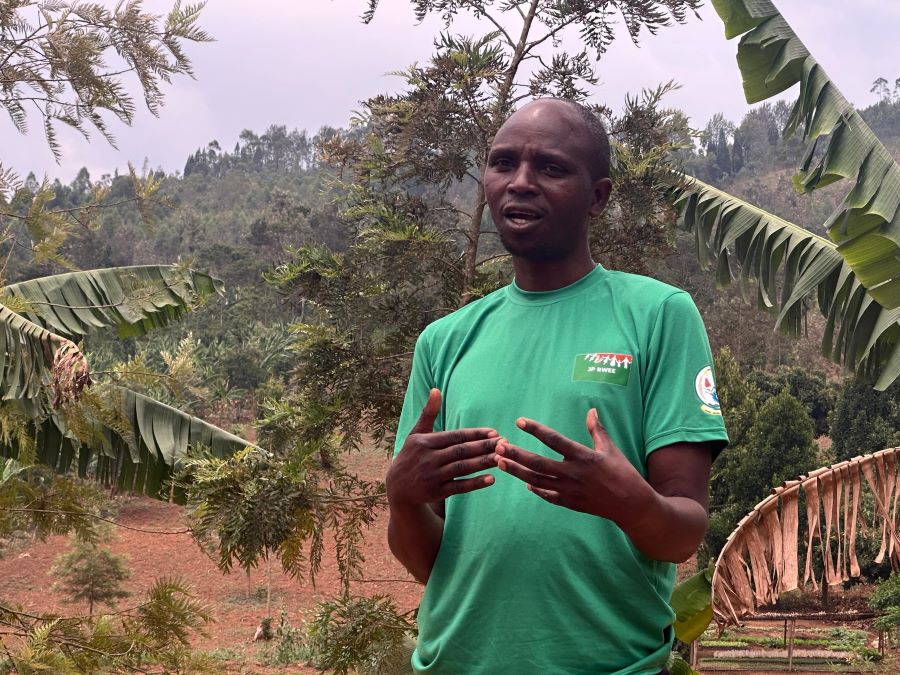
“With the support of the JP RWEE program, we are experiencing strong economic growth. We have expanded our farmland and adopted Pfumvudza not only for maize but also for vegetables such as tomatoes, peppers, cucumbers, and chili. The encouraging part is that we already have reliable markets for these products,” he notes.
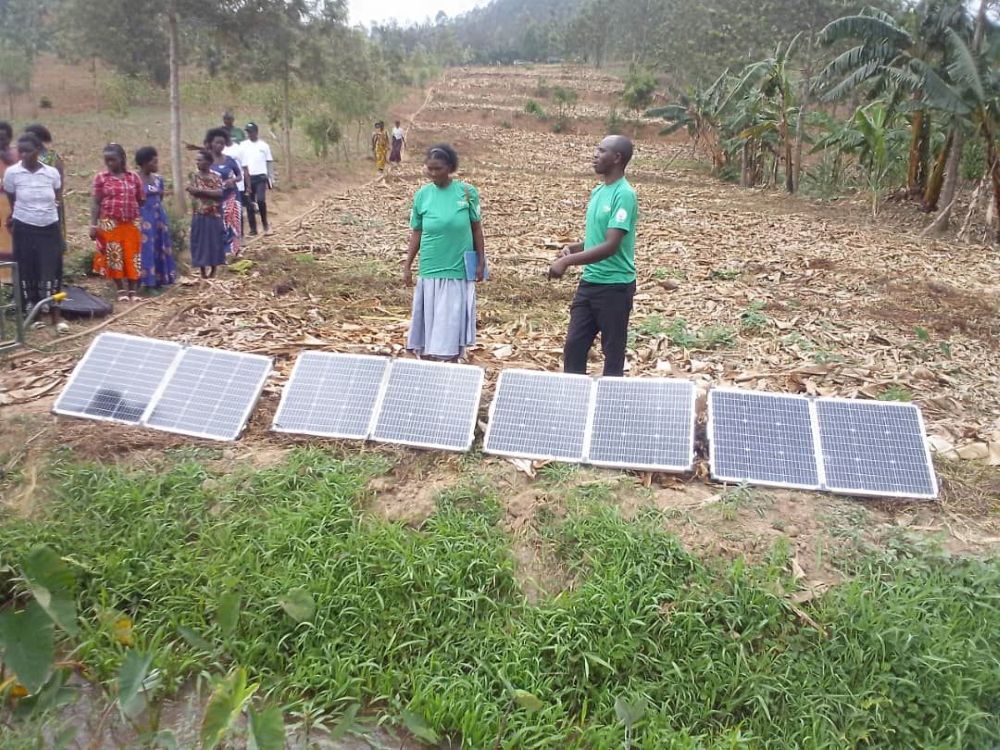
He further points out that climate challenges are minimal because the cooperative uses solar-powered irrigation systems.
An Effective Agricultural Method
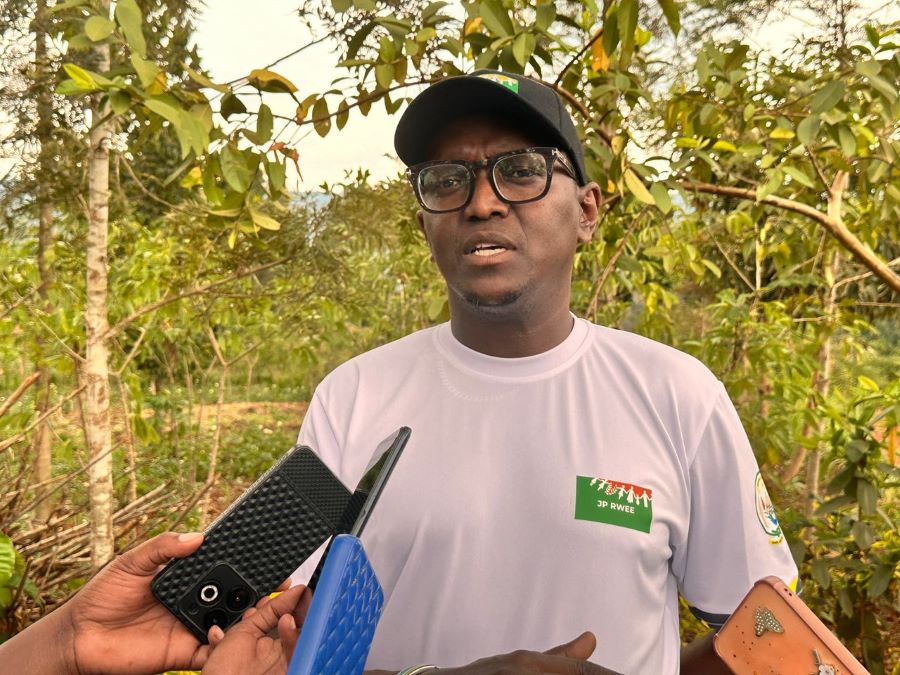
Elvis Nkundanyirazo, a representative of the JP RWEE program, explains that the technique is being promoted because of its strong social and economic impact on communities.
“It is a simple yet highly effective farming method. It significantly increases agricultural production for smallholder farmers,” he says.
He explains that Pfumvudza is a conservation agriculture technique designed to maximize productivity on small plots of land. It focuses on minimal soil disturbance, proper crop spacing, mulching, and crop rotation.
According to Nkundanyirazo, the practice helps soils retain moisture, improves fertility, reduces erosion, and ultimately boosts yields.
He also notes that this transformative farming method is part of Phase II of the JP RWEE program, which runs from 2022 to 2027.
This phase focuses on four interconnected outcomes: improving food and nutrition security, increasing incomes, strengthening leadership and decision-making capacities, and promoting a more gender-responsive policy environment.
The JP RWEE program is a joint initiative implemented by FAO, IFAD, WFP, and UN Women, and it operates in five districts across the country, including Kirehe.
Achievements for JP RWEE Phase II
7,261 farmers trained on climate-smart agriculture practices through Farmer Field Schools (FFLS). 26 hectares of land under solar-powered irrigation.
325 saving groups were created (bringing together 7,798 farmers, 1,500 men, and 6,297 women), Rwf 200 million was saved, and Rwf 130 million was issued to members in loans.
2,753 individual farmers & 44 groups have opened bank accounts, increasing access to financial services. One poultry model farm and two selling points were established.
This project is implemented by FAO, IFAD, UN Women, and WFP, in partnership with the Government of Rwanda, through four implementing partners: CVI, INADES Formation Rwanda, RWARRI, and SAFE.


