
 0
0
 0
0
By Annonciata Byukusenge
As African heads of state prepare to convene in Addis Ababa for the African Union (AU) Summit, civil society groups are raising urgent concerns about what they describe as a growing and dangerous gap in health financing across the continent. Addis Ababa, Ethiopia – February 4, 2026.
According to a coalition of African and regional civil society organizations, Africa is confronting a dual crisis: a sharp decline in donor funding and a simultaneous rise in disease outbreaks. Over the past four years, Official Development Assistance (ODA) to Africa has fallen by an estimated 70 percent, one of the steepest drops in recent history. During the same period, reported disease outbreaks across the continent have increased by 41 percent.
Health advocates warn that this imbalance threatens to undo decades of progress in public health.
On February 5, 2026, AIDS Healthcare Foundation (AHF) Africa, together with Africa REACH, WACI Health, and the Resilience Action Network Africa (RANA), will host a high-level webinar aimed at reframing Africa’s health financing debate. The session centers on what organizers are calling the “$17 Question.”
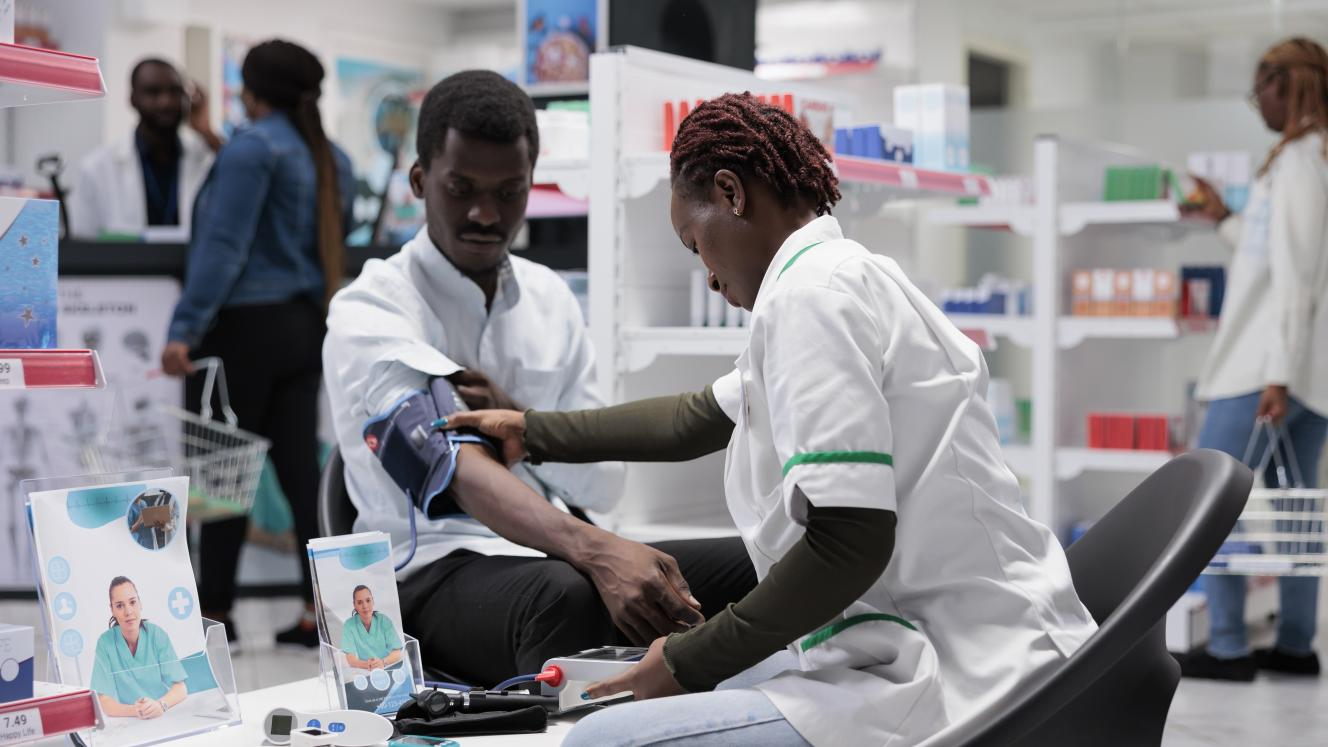
Across many African countries, public health spending currently averages about $17 per person per year. Experts estimate that at least $60 per person is required to provide basic, essential health services—leaving a $43 shortfall per individual.
“We cannot beg our way out of a $43 per person deficit,” said Dr. Peninnah Iutung, Executive Vice President of AHF. “With donor priorities shifting and assistance declining, Africa must move from dependence to health sovereignty. This is not only a health issue; it is a matter of continental security.”
Rosemary Mburu, Executive Director of WACI Health, echoed those concerns, noting that the current trajectory leaves African communities dangerously exposed.
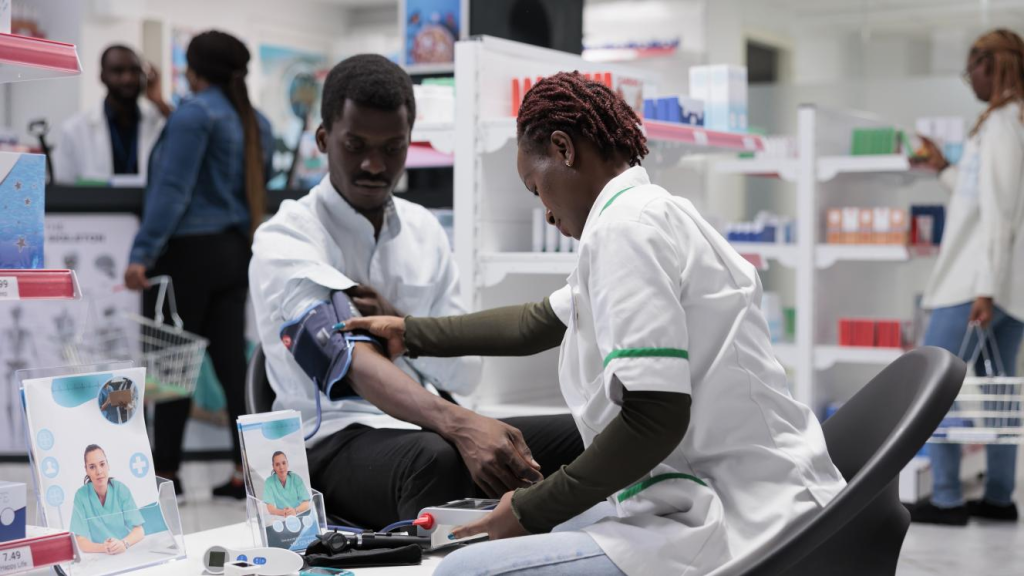
“With a 41 percent surge in disease outbreaks and a 70 percent drop in aid, Africa can no longer afford to be a passenger in its own survival,” Mburu said. “Communities that bear the brunt of health crises must have a central role in shaping the policies that determine their future.”
The coalition argues that Africa already has no shortage of political commitments. From the Abuja Declaration’s pledge to allocate 15 percent of national budgets to health to the African Leadership Meeting (ALM) Investing in Health Declaration, leaders have repeatedly acknowledged the importance of domestic health financing. What has been lacking, advocates say, is consistent follow-through.
“With international health aid projected to continue declining and disease threats becoming more frequent, the era of declarations without action is no longer viable,” the groups stated.
Organizers describe the upcoming webinar as a strategic working session rather than a routine discussion forum. Representatives from the East African Community (EAC), AUDA-NEPAD, and civil society organizations are expected to participate, sharing lessons and proposing concrete policy shifts.
The goal is to produce a civil society–driven Call to Action that will be presented directly to AU Heads of State during the summit.
Key topics on the agenda include urging governments that still allocate less than 10 percent of national budgets to health to realign their priorities, strengthening local manufacturing capacity so Africa is not last in line for vaccines and essential medicines, and expanding domestic resource mobilization to fund health systems sustainably.
The webinar also serves as an unofficial opening to the AU Summit, offering space for frontline voices and affected communities to influence high-level decision-making.
The virtual event will take place on February 5, 2026, at 11:00 a.m. East Africa Time and will be hosted via Zoom.
- Registration: https://aidshealth-org.zoom.us/j/99060934738?pwd=pQoo0U0CZBfoCBle1PfwMaIbjCykPs.1
- Meeting ID: 990 6093 4738
Passcode: 346284


