
 0
0
 0
0
By Nadine Ingabire
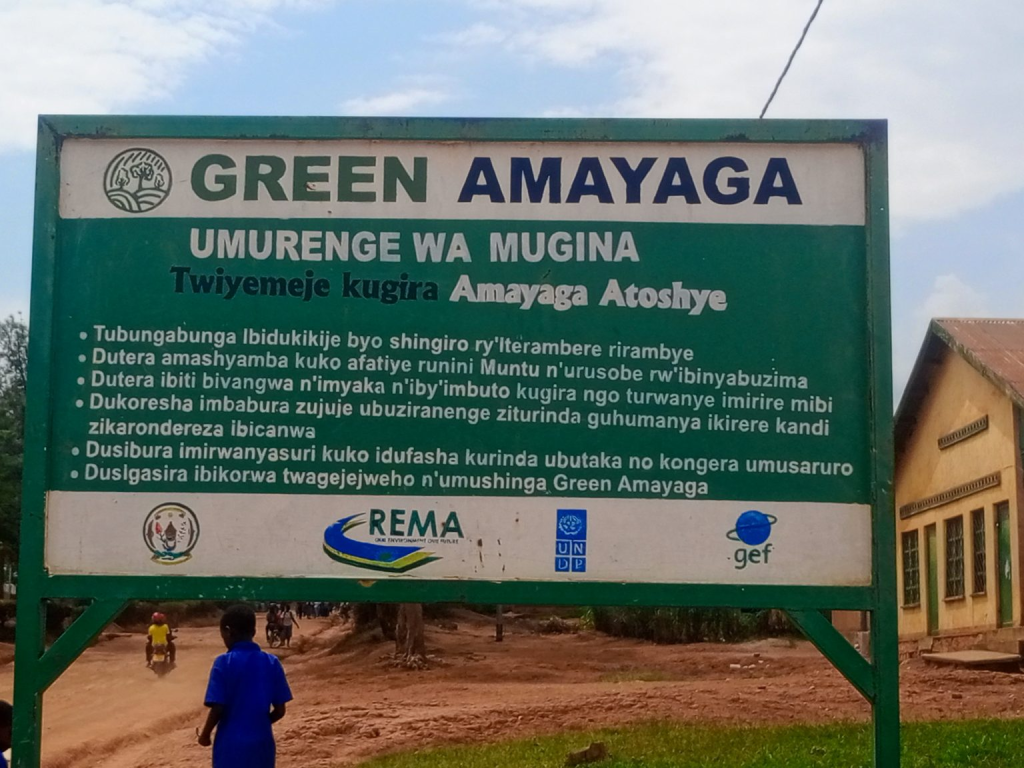
The Green Amayaga initiative has supported local communities by providing fruit trees intercropped with seasonal crops as a sustainable approach to environmental protection and improving nutrition and livelihoods. This practice has helped restore soil health, reduce greenhouse gas emissions, and improve community livelihoods through better nutrition and increased income opportunities.
As the world continues to face climate change, soil degradation, and biodiversity loss, intercropping fruit trees with annual crops has emerged as an effective solution. Fruit trees enrich the soil with organic matter, prevent nutrient loss, and help maintain ecological balance.
One of the beneficiaries, Danny Ntihinyuzwa, a resident of Karehe Village, Sheri Cell, Rugarika Sector, planted the fruit trees he received on over six hectares of land. For him, integrating fruit trees with food crops is the key to protecting the soil, conserving the environment, and improving overall well-being.
“Green Amayaga provided us with more than 1,100 fruit trees, including oranges, lemons, tangerines, macadamia, avocados, mangoes, and others. These trees have greatly benefited us. We have already harvested the first fruits, and they have improved our income. Fruit trees also provide fresh air and create habitats for biodiversity, including birds,” he said.
“Fruit trees help reduce harmful gases in the atmosphere, making them essential in the fight against climate change.”
In his orchards, Ntihinyuzwa has also planted apples, jackfruits, and other species to enhance soil conservation and environmental protection. The presence of birds, bees, and other pollinators in these orchards shows how fruit trees contribute to ecological restoration.
One of his farms even hosts a beehive, proving the role of fruit trees in boosting pollination, which is critical for crop production and biodiversity.
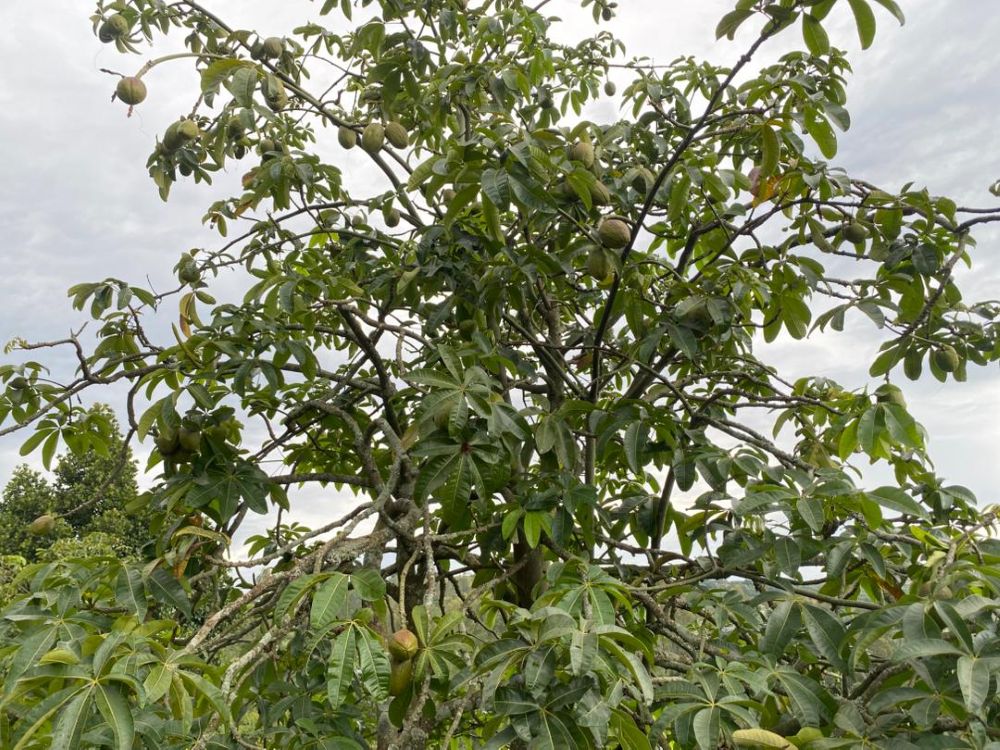
Fruit trees strengthen climate resilience.
Fruit trees play an important role in climate adaptation. Some retain foliage during dry seasons, while others have strong root systems that hold soil firmly, preventing erosion during both heavy rains and long dry spells. This resilience strengthens ecosystems and helps restore degraded landscapes.
Green Amayaga’s impact across the region
According to Rémy Songa, Project Manager of the Forest Landscape Restoration in the Amayaga Region (Green Amayaga Project), approximately 2,436 hectares of land have been treated with agroforestry trees.
Today, rivers and hillsides in the Amayaga region show remarkable recovery. Areas that once suffered from severe soil erosion and sand flow from upland slopes are now stabilized thanks to fruit trees planted along watersheds and farmlands.
Intercropping: A pathway to a sustainable future
The integration of fruit trees, seasonal crops, and forest trees is not only beneficial to farmers, but it is also a national investment in environmental sustainability. This model helps to restore and protect soils, increase agricultural productivity, combat climate change, protect biodiversity, and improve community livelihoods.
This approach has become a model across several districts in Rwanda, and communities are embracing it as a foundational practice for environmental protection and improved living conditions.


