 0
0
 0
0
By Annonciata Byukusenge
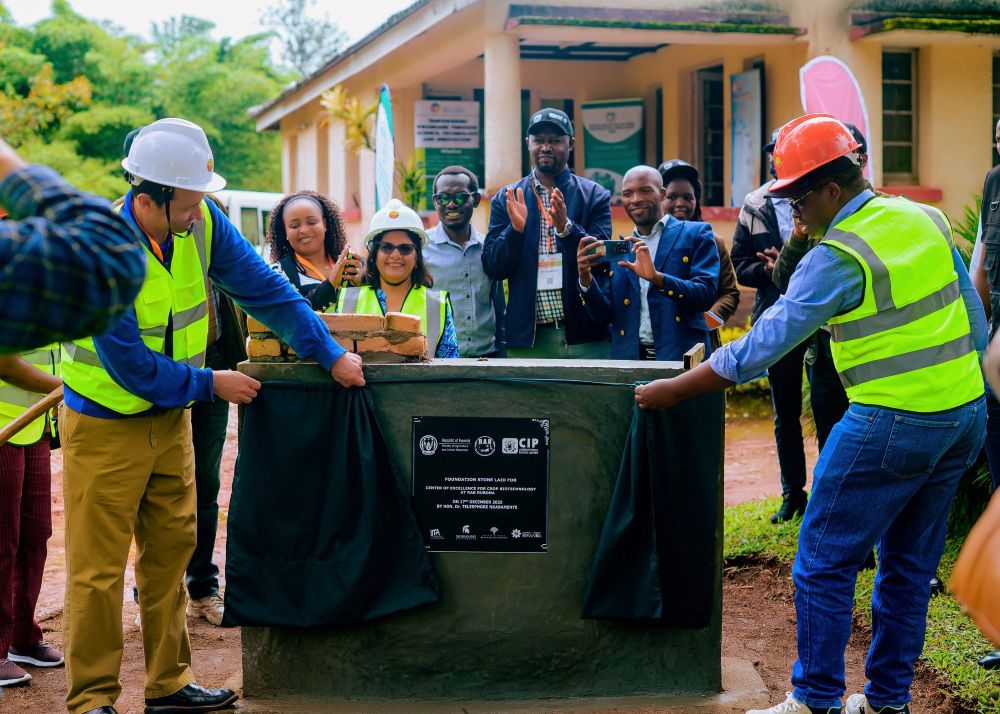
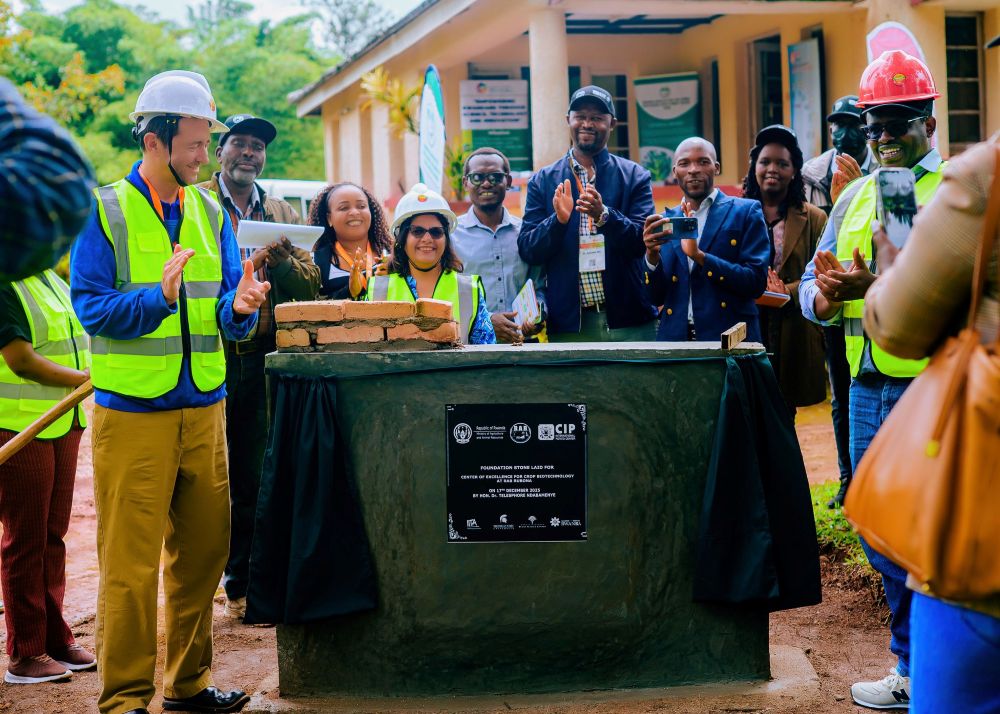
Rwanda has officially launched the Rwanda Biotech Capacity Building (BioCap) Project, a landmark initiative aimed at strengthening the country’s biotechnology ecosystem and accelerating the development of improved crops, particularly root and tuber crops that are vital to national food security and rural livelihoods.
Felix Gatunzi is a scientist at RAB in the Plant Tissue Culture department. Says that they are currently producing biotech crops, which will be provided to the farmer in a few days.
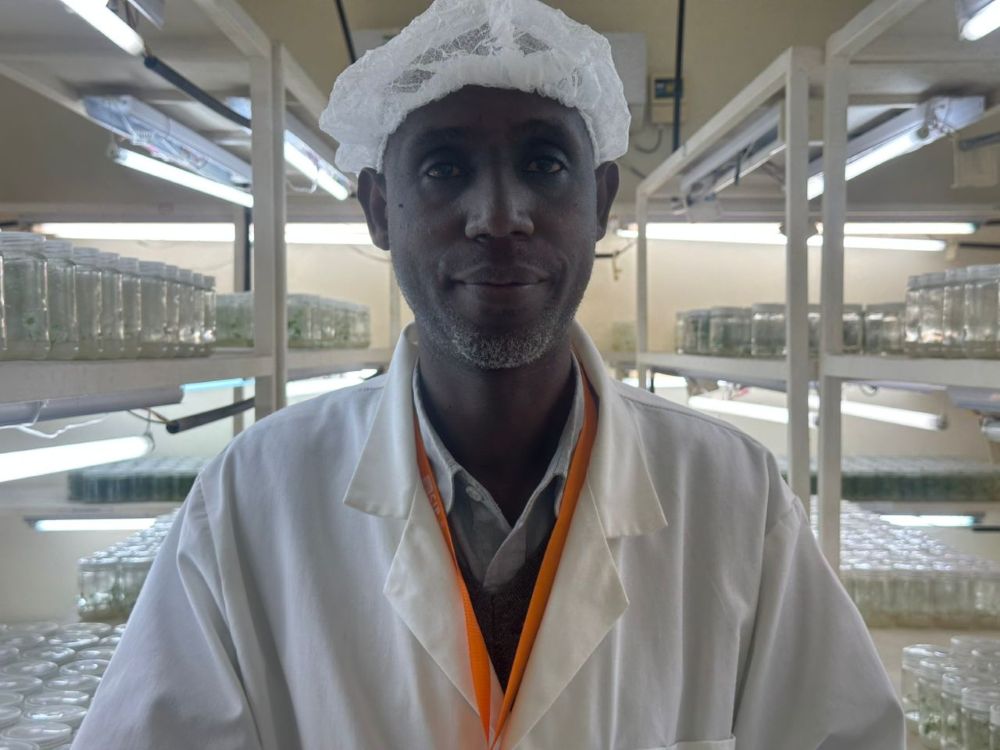
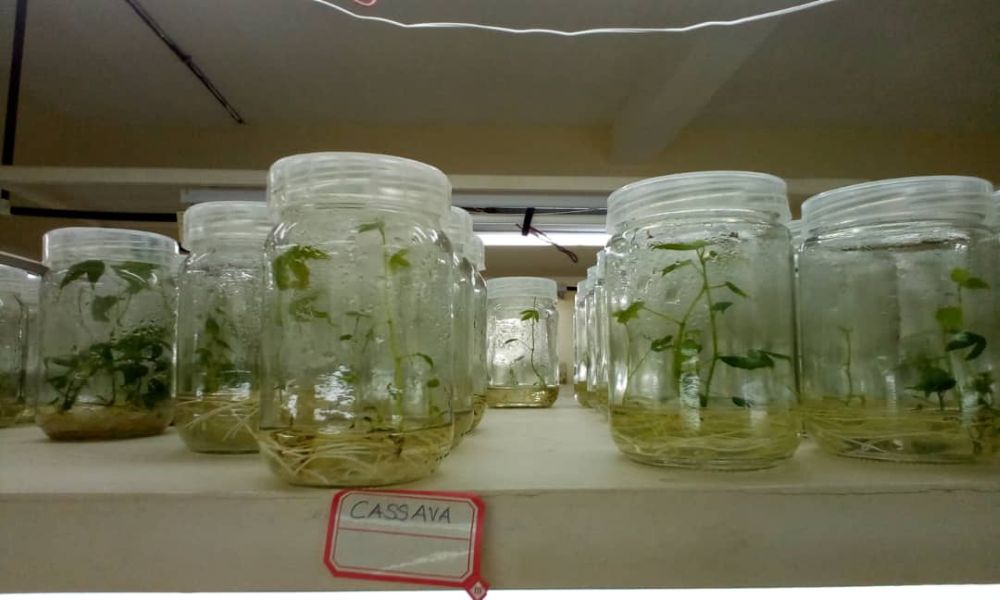
“We are breeding various crops, including potatoes and bananas. This project will help us increase knowledge in biotechnology and continue to breed biotech crops with different capabilities. Cassava has reached the stage of being distributed to farmers because the research has been completed. We are working on maize and potatoes.”
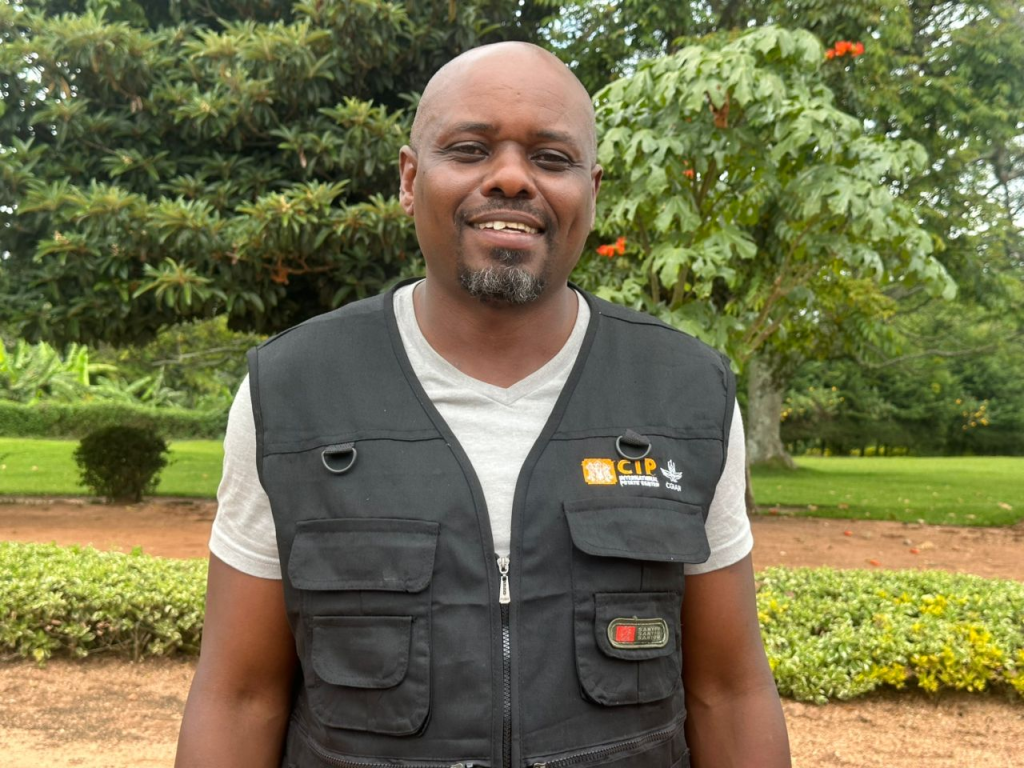
Eric Magembe is a senior researcher at the International Potato Center (CIP). Says that the BioCap project is designed to strengthen Rwanda’s biotechnology capacity by building skills, improving research infrastructure, and fostering strong national and international partnerships.
“The initiative focuses on enabling researchers to safely and efficiently develop and test improved crop varieties that respond to national agricultural priorities.”
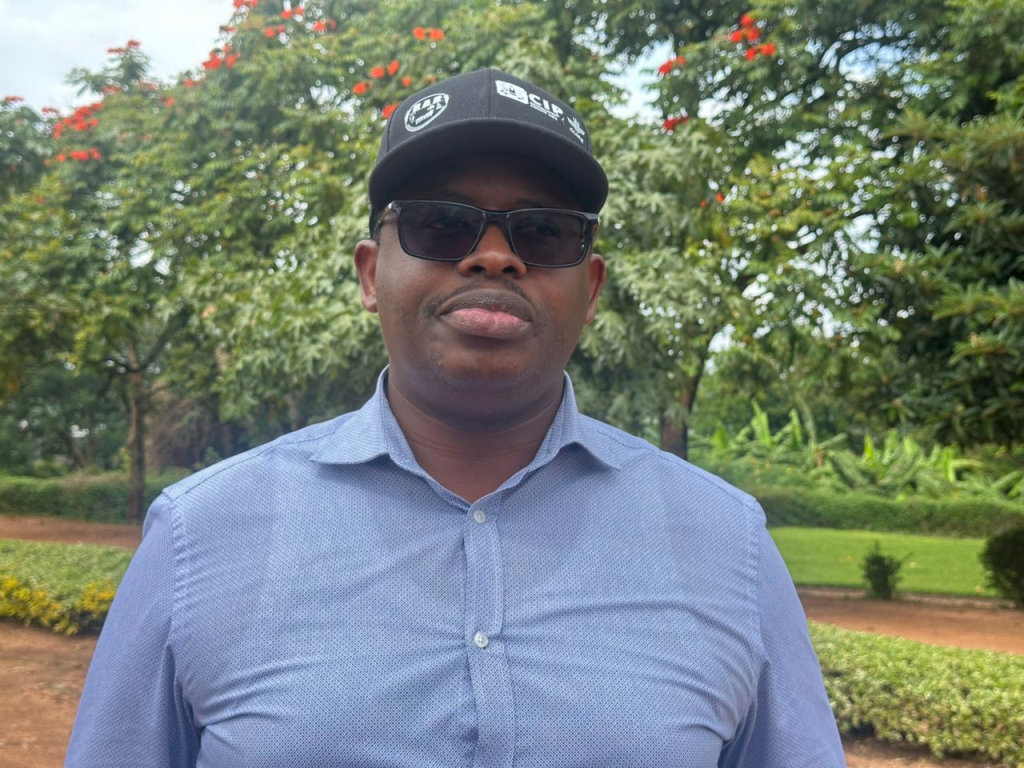
Olivier Kamana is a PS at the MINAGRI. Says that “this technology will fill the gap in seeds disseminating to the farmers, because it has the capacity of producing enough seeds.” Don’t worry about safety and the environment, because it is standardized.
Capacity of production
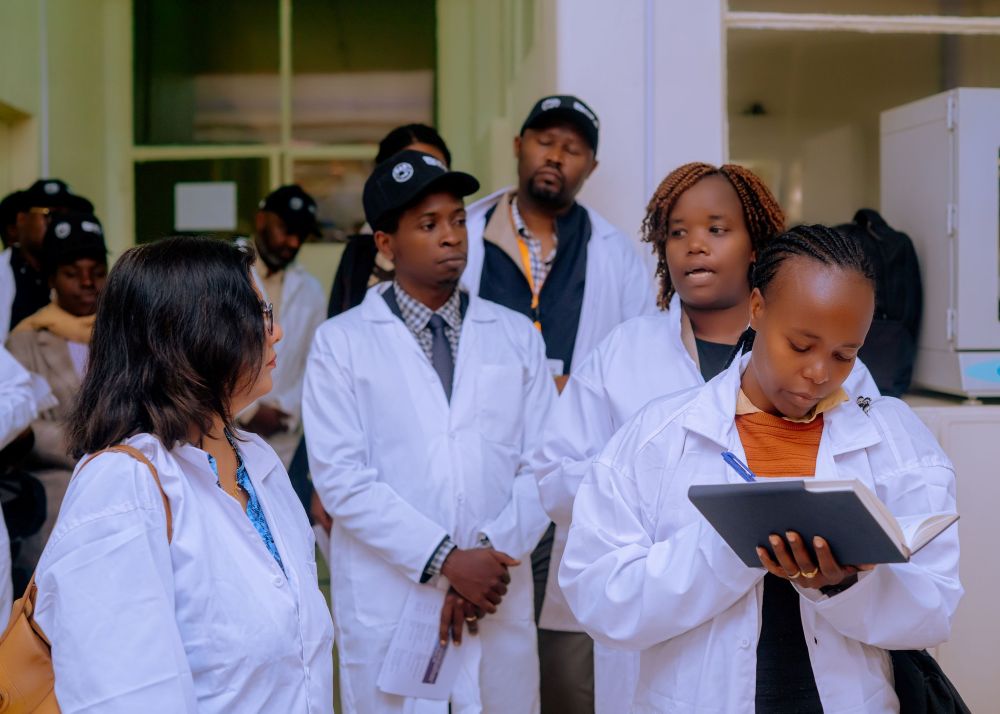
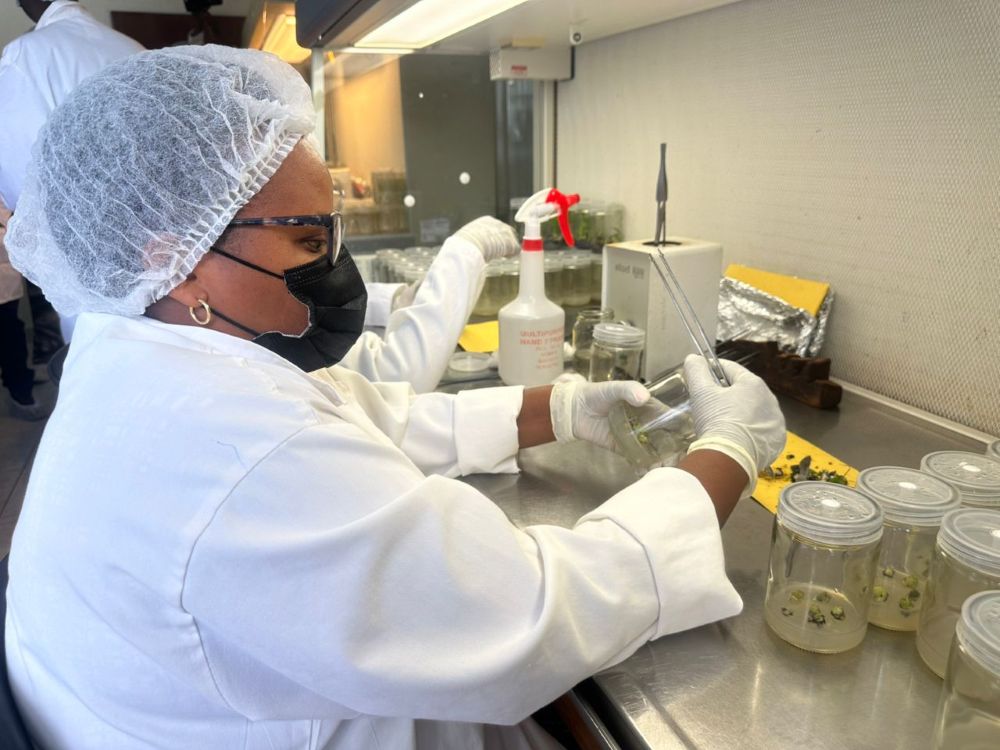
The biotechnology laboratory at RAB Rubona station has different rooms depending on the plantlet varieties.
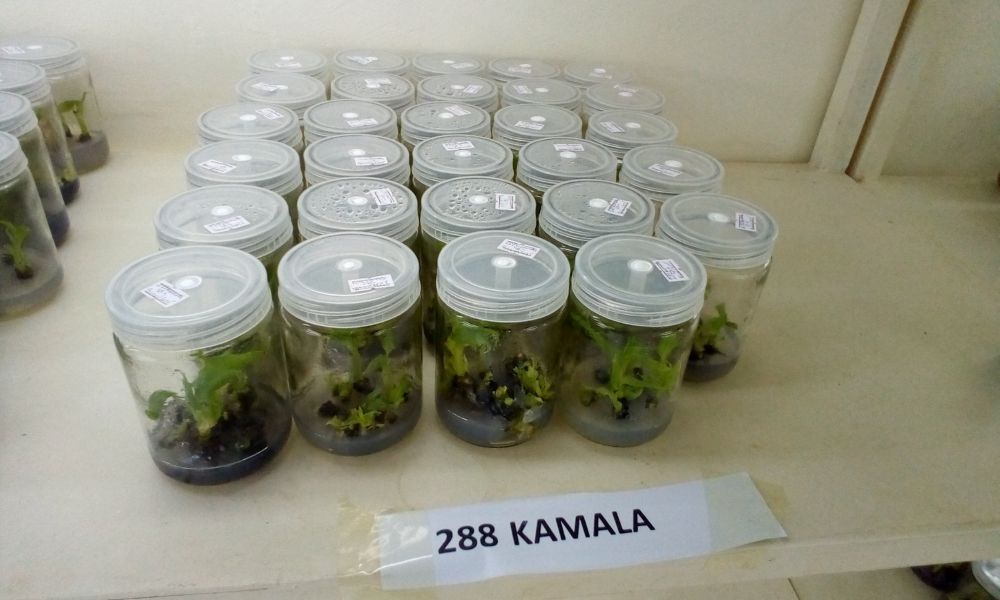
In the seed room, there are 700 plantlets of banana. They receive the same light, the same proteins, and the same air conditioning. This is the same condition as cassava, but cassava has 1 million plantlets in each room, and potato has 700 plantlets. Said Felix Gatunzi.
The BioCap project will support the technology in the agriculture sector in different programs:
– Plant and Microbial Biotechnology program:
- Generating and disseminating enhanced tools for high-yielding crops.
- Tissue culture laboratories have a mandate of research in tissue culture and mass production of clean planting materials. Currently, RAB has fully optimized tissue culture protocols for banana, cassava, coffee, Irish potato, and sweet potato.
- Plant Pathology and Molecular Laboratory: Identification and characterization of plant pathogens.
The Rwanda Biotech Capacity Building (BioCap) Project is a five-year initiative funded by the Gates Foundation and implemented by RAB, in partnership with CIP and a consortium of national and international collaborators. These include the International Institute of Tropical Agriculture (IITA), the Donald Danforth Plant Science Center (DDPSC), Michigan State University (MSU), and Alliance for Science Rwanda (AfS Rwanda).
Dr. Hugo Campos is a scientist at the International Potato Center (CIP). Says that BioCap stands for empowering Rwandan scientists.
“In the first cohort, we will train two scientists at the PhD level and eight at the master’s level. We will train many scientists depending on the resources.”
The project seeks to strengthen Rwanda’s national biotechnology ecosystem through targeted investments in:
- Research infrastructure and laboratory capacity
- Field testing and crop development systems
- Biosafety and regulatory frameworks
- Human capital development and technical expertise
These efforts will directly support the development and adoption of improved crop varieties, including root and tuber crops that respond to farmers’ needs and national food security priorities.