 0
0
 0
0
By Annonciata Byukusenge
Livestock farmers say that bringing veterinary services closer to them through independent veterinarians will greatly improve their work. In the past, many struggled because they often relied on untrained or unqualified providers, which slowed progress in modernizing their farms. At times, their animals fell sick, and they had difficulty finding proper treatment.
Mukagatwaza Alexiane, a cattle farmer from Nyamasheke District, Ruharambuga Sector, Ntendezi Cell, explains that digital tools in animal healthcare will allow them to get timely veterinary services and share information more efficiently.
She says, “Getting veterinary services used to be very difficult. Sometimes a cow would fall sick on a public holiday, at night, or during the weekend, and you couldn’t reach the sector veterinarian. With digital systems, we’ll be able to send information immediately, and an independent vet will see it right away and respond quickly.”
She adds that beyond disease treatment, farmers also struggle to get artificial insemination (AI) services at the right time.
“When a cow is in heat, it’s often hard to find a vet to come and inseminate it. Technology will help us access this service much faster,” she says.
In an interview with The Forefront Magazine, veterinarian Dr. Umuhire Odile explained that the program aims to improve cattle breeding.
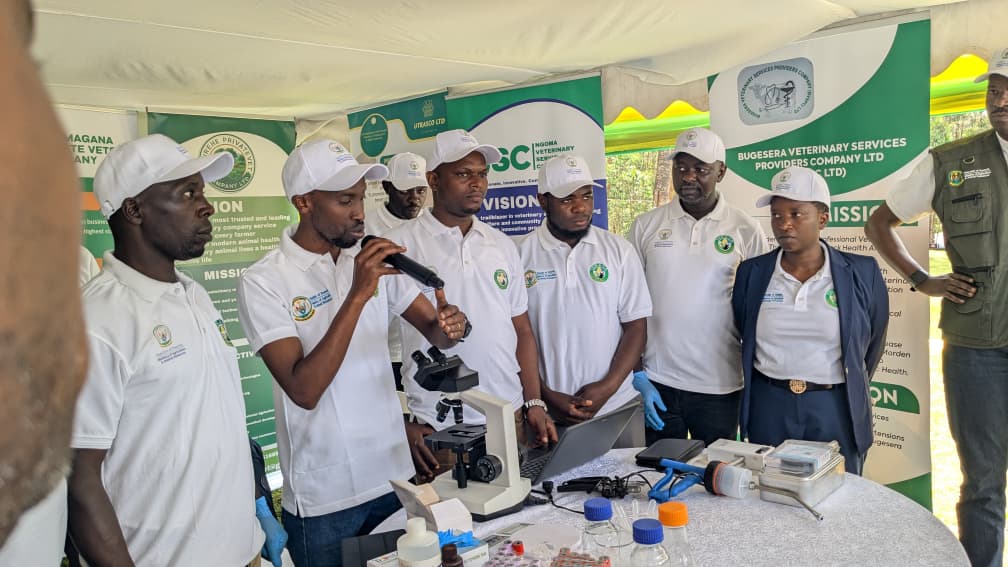
“Improving breeding means transitioning from traditional practices to modern livestock farming. When a farmer notices that a cow is in heat, they will use their phone to send the information and specify the type of semen they want based on the breed they prefer. The independent veterinarian will come immediately to perform the insemination, unlike before when farmers had to wait for days.”
Dr. Umuhire also noted that VSM will not only improve service delivery but also help prevent common livestock diseases.
“Farmers will continue receiving guidance because many still lack enough information. Common diseases include lumpy skin disease, parasitic worms, and East Coast fever, spread by ticks. There are others, like tick-borne diseases and babesiosis, and the diseases vary depending on the region. Livestock in warmer areas are affected differently from those in colder zones.”
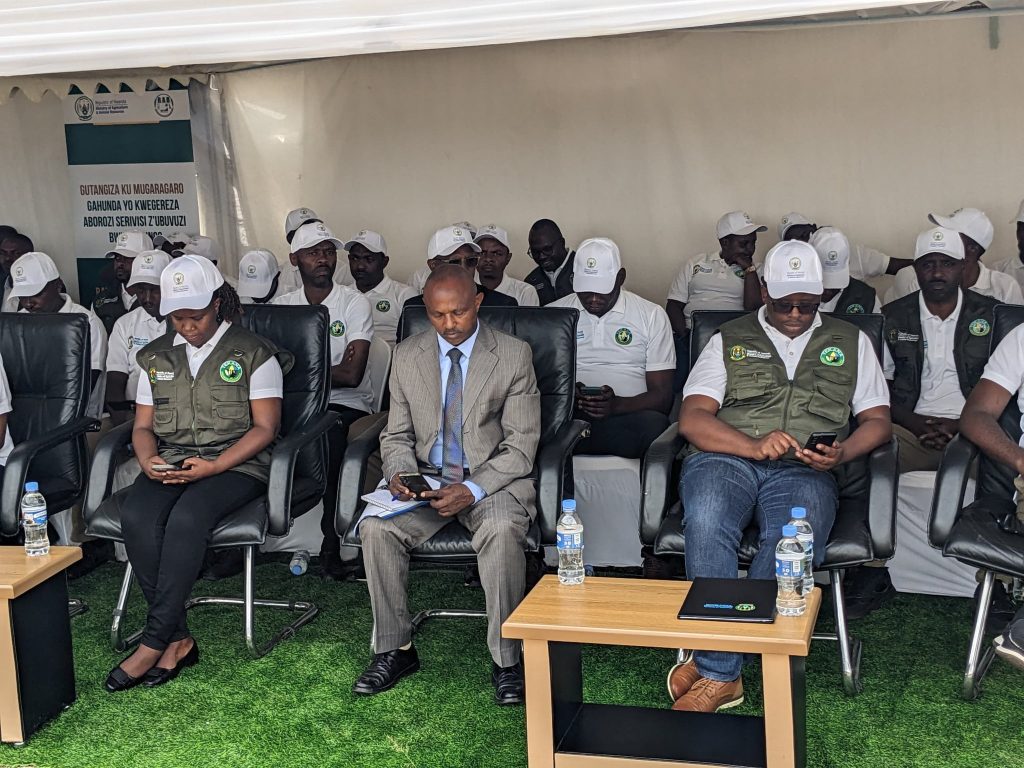
While officially launching the program, Olivier Kamana, the Permanent Secretary at MINAGRI, said that the initiative addresses several longstanding challenges faced by farmers.
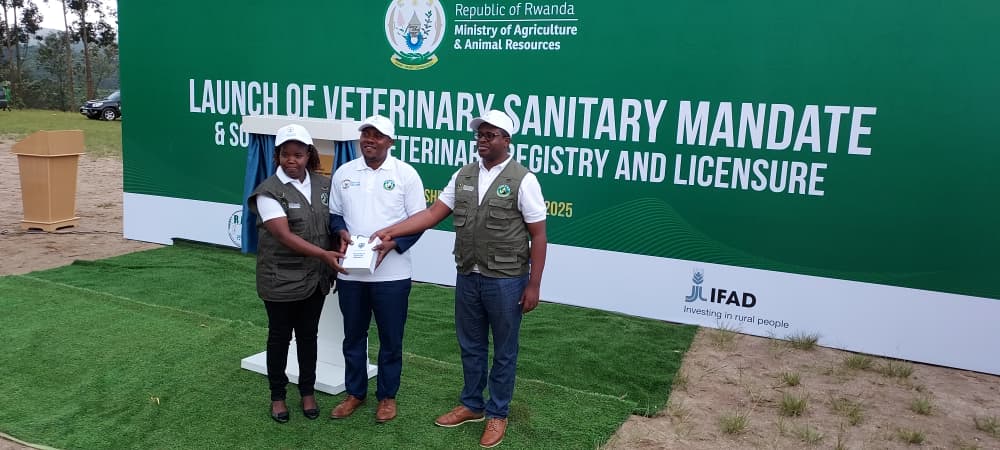
“Breeding issues will now be addressed because farmers can choose the type of semen they want, unlike before, when traditional mating was the only option. Digital tools will improve both agriculture and livestock keeping by enabling faster service delivery and timely information sharing.”
Nyamasheke District became the first to adopt this program after the agreement between the Ministry of Agriculture and Livestock was signed in July 2024.
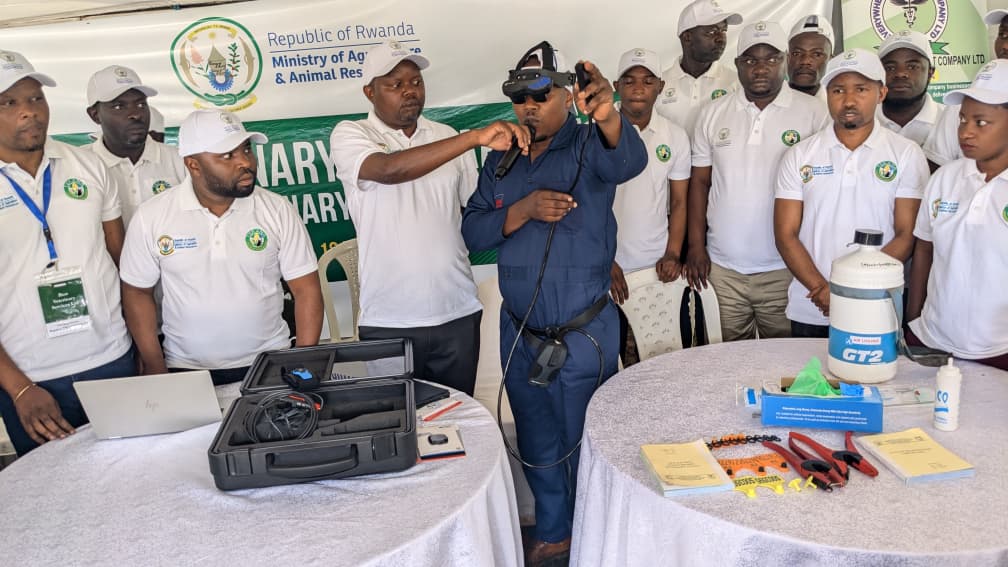
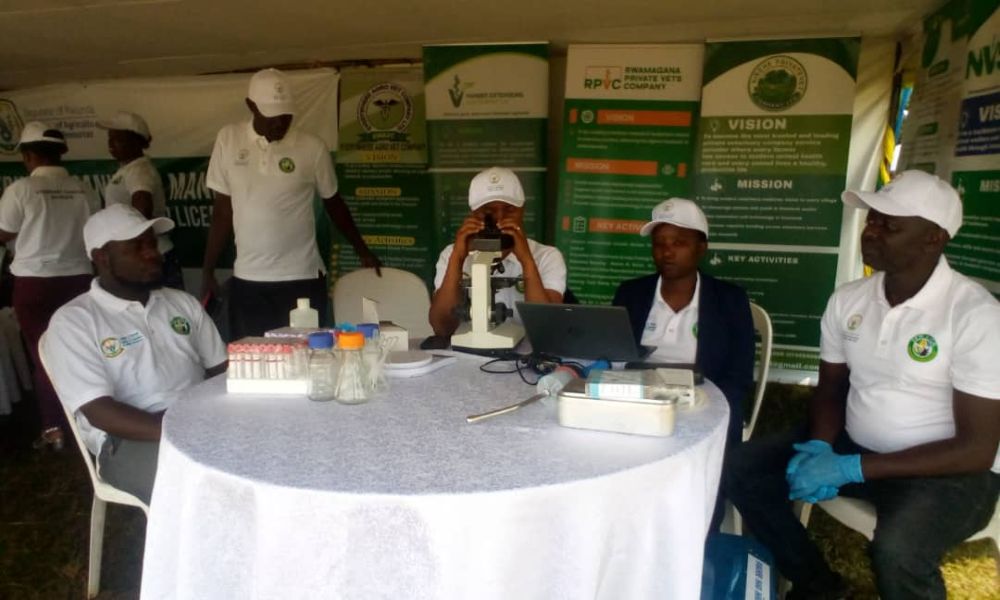
Through RAB and the PRISM project, a modern veterinary clinic was built for the district. The association of independent veterinarians, which has 388 members, received equipment worth 180 million Rwandan francs, with members contributing 15% of the cost.
Some ceremony photos